REVIEW · CAIRO
Private Tour to the Egyptian Museum
Book on Viator →Operated by Egypt Sightseeing Tours Day Trips · Bookable on Viator
Egypt’s biggest treasures feel closer with a guide.
This private visit to the Egyptian Museum in Cairo is built for comfort and clarity, starting with hotel pickup in an air-conditioned vehicle and continuing with guided explanations of standout objects. You also get bottled water and snacks onboard, which matters when you’re spending hours in a major indoor site.
I like the hassle-free pickup and the personal attention of a private tour, especially when guides such as Noha, Noah, Randa, Mahmoud el Wake, and even Mohamed Salah bring the artifacts to life in plain, direct explanations. One possible drawback: the museum portion can run shorter or feel more rushed than the advertised 4 hours, and a small number of bookings report organization problems like no-shows.
In This Review
- Key things that make this tour worth considering
- Hotel pickup and the calm ride into the Egyptian Museum
- Stop 1: The Museum of Egyptian Antiquities, from 1897 to 150,000 pieces
- How the 4-hour plan works in real life (museum time is the key)
- Guided wandering that’s actually structured
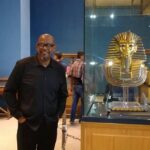
- The Tut golden treasures and the golden mask: what to expect
- Royal mummy room and photography tickets: plan for extra costs
- Price and value: is $25 a smart deal?
- The main risks: time pressure and the occasional no-show problem
- Who this tour suits best—and who may prefer DIY
- Should you book this Egyptian Museum private tour?
- FAQ
- How long is the private Egyptian Museum tour?
- Do I get hotel pickup?
- What’s included in the tour price?
- Are museum entry fees included?
- Is this a private tour?
- Do I need a mobile ticket?
- Can I add the royal mummy room or a photography ticket?
- Is the tour affected by weather?
- Is there free cancellation?
- What fitness level do I need?
- Is lunch included?
Key things that make this tour worth considering

- Private, guide-led museum time so you’re not walking in circles guessing what matters most
- Air-conditioned hotel transfers plus water and snacks to keep the start comfortable
- Tut’s golden treasures focus including the golden mask, with guidance on what to prioritize
- Extra add-ons can appear such as a royal mummy room visit or a photography ticket (not included)
- Plan for a shorter museum window than you might expect from the 4-hour label
Hotel pickup and the calm ride into the Egyptian Museum
The biggest practical win here is that you don’t have to coordinate transport on your own. You’re picked up from your Cairo accommodation and driven to the Museum of Egyptian Antiquities in a private air-conditioned vehicle. That reduces stress right away, especially in a city where traffic and navigation can eat up time.
The tour also includes bottled water and a snacks bag. That sounds small, but it changes the feel of the morning or afternoon. Instead of thinking about where you’ll find food, you can focus on getting to the museum on time and settling in.
Because it’s a private tour, you’re not squeezed into a large group pace. You should be able to ask questions and get answers in the rhythm that works for you. Even better, a private guide helps you move smarter through one of the most famous collections on earth.
You can also read our reviews of more private tours in Cairo



Stop 1: The Museum of Egyptian Antiquities, from 1897 to 150,000 pieces
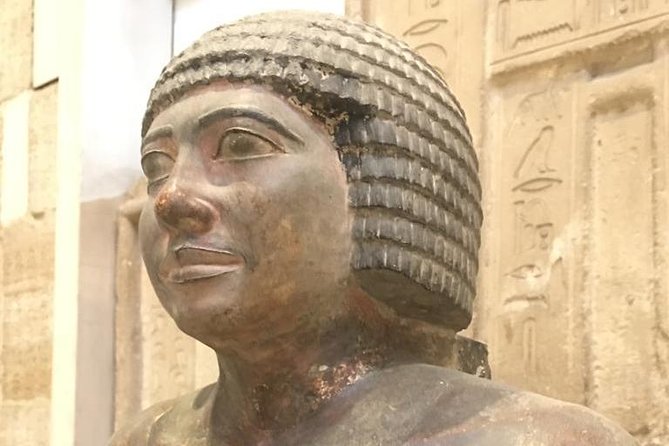
This stop is the whole point: the Egyptian Museum in Cairo, also known as the Museum of Egyptian Antiquities. It’s often described as the oldest museum in Egypt and on the African continent, built between 1897 and 1901. Early reporting from the museum era lists about 5,000 master pieces published in 1901. Today, the collection is far larger—over 150,000 pieces.
That scale is exactly why a guided private visit can feel efficient. Without guidance, you’ll either rush past major highlights or spend too long on the wrong hallway. With a guide, you can anchor your visit around the objects that matter most to your time window.
The museum’s strength is also very specific. The Golden treasures of King Tut and the golden mask are highlighted as the best-known section. If those items are on your must-see list, this tour is built around steering you toward them with context, not just pointing.
There’s also a bigger-picture benefit: the guide helps you understand what you’re looking at, so the visit feels like more than rooms full of artifacts. It’s history you can make sense of.
How the 4-hour plan works in real life (museum time is the key)
The tour is listed at about 4 hours total, but the value isn’t in being “there” for a long stretch. The value is in how you use the time inside the museum.
Based on what you can experience on similar private museum tours, expect the transfers to take some of that total time and the museum visit to do most of the heavy lifting. In practical terms, you should plan for around 2 hours inside the museum. Some schedules may feel closer to a shorter window, so you’ll want to decide in advance what you’ll prioritize if time gets tight.
This is where you’ll feel the difference between a good plan and an average one. If your guide keeps the pace steady and gives you just enough free time, you’ll leave satisfied. If the museum portion runs short or the pace gets rushed, you may end up wanting more time to read and look.
So I’d treat the 4-hour label as “a full tour block with guidance,” not as guaranteed long, slow museum browsing.
Guided wandering that’s actually structured
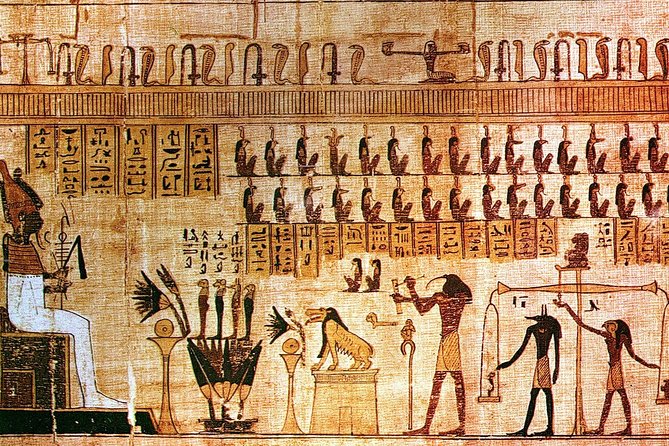
One of the most praised parts of this experience is how the guide handles the museum visit. The best guides don’t just recite dates. They help you connect objects to storylines—who owned them, what makes them significant, and what to notice as you look.
You’ll have a guide with you from pickup through the museum experience. Meeting your guide happens at your hotel lobby at your requested time, with a sign showing your name or the company name. That small detail matters because it reduces confusion when everyone is in a hurry.
Within the museum, the guide’s job is essentially to:
- point you toward major sections (especially the Tut material),
- guide your attention to the right objects,
- and explain context so it clicks fast.
Some guides also offer practical tips for how to see more of Cairo afterward. That kind of advice can be a real time-saver, especially if you only have a day or two.
If you’re the type who wants to ask questions, a private format helps. If you’re the type who likes to read every plaque, you might still be able to get that, but you’ll want to manage expectations on how much free time you’ll get.
The Tut golden treasures and the golden mask: what to expect
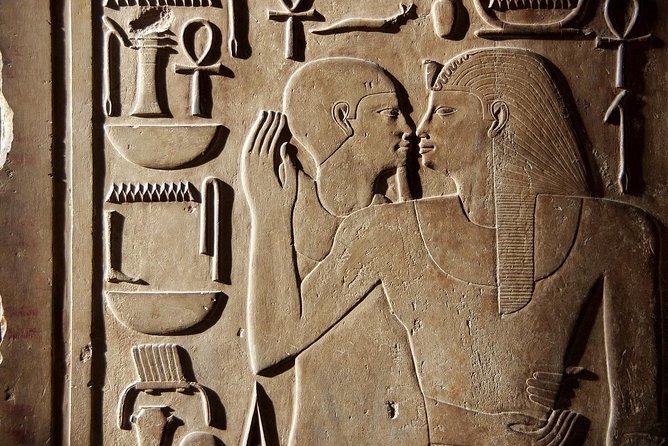
If you came to Cairo with King Tut on your radar, this tour is aligned with that interest. The Golden treasures of King Tut and the golden mask are specifically identified as the best section to focus on.
In a guided setting, that focus is helpful because the Tut material can feel overwhelming if you’re staring at too many objects at once. With a guide, you can get the story behind the artistry and the cultural context, rather than only recognizing that it’s gold and famous.
I’d recommend deciding your Tut priorities before you arrive. If golden mask is your top item, tell the guide so you get the right order in the visit. If you want a broader understanding of the surrounding artifacts, say that too. Private tours work best when you give your guide a clear target.
This is also where personalized attention pays off. When a guide knows your focus, they can manage pacing so you don’t spend your whole time watching other people move on without seeing what you came for.
You can also read our reviews of more museum experiences in Cairo




Royal mummy room and photography tickets: plan for extra costs

You may have the chance to visit the royal mummy room, and you might also be able to buy a photography ticket. The important detail is that these are treated as add-ons and aren’t included in the base tour price.
Because museum entry fees are also not included, this tour works best if you budget for on-site spending. Your best move is to arrive ready for the idea that you’ll pay separately once you’re inside.
If photography is important to you, don’t assume you can take photos freely. Instead, treat the photography ticket as part of your planning. The same goes for the royal mummy room option—think of it as a bonus if time and cost allow.
This is where a guide can help you make a quick decision. If you only have one chance to add extras, your guide can help you weigh what’s worth it in your limited time.
Price and value: is $25 a smart deal?
At $25 per person, the deal is mostly about logistics and interpretation, not about paid museum access. The tour includes:
- private air-conditioned transfers,
- a professional expert guide with history and culture focus,
- and water and snacks onboard.
What’s not included is also clear:
- museum entry fees,
- Egypt visa for entry into the country,
- gratuities,
- lunch,
- and personal expenses.
So is it good value? Usually, yes—if you count what you’re really paying for. You’re paying to remove the hassle of getting there and to get guided context for the highlights like Tut’s treasures.
If you already know exactly how you’ll handle getting to the museum and you don’t care about guided explanations, you might find solo touring cheaper. But if you want a guided, private experience and prefer not to figure everything out on your own, this price can feel reasonable.
The key is time. When the museum portion matches the expected rhythm, the value lands well. When it feels rushed or shorter than advertised, the same price starts to sting.
The main risks: time pressure and the occasional no-show problem
Most of the feedback points toward guides doing a strong job, including guides named Noha, Noah, Randa, Mahmoud el Wake, and Mohamed Salah. That’s a good sign for the quality of the guiding itself.
But there are a few real-world issues you should take seriously before you relax.
1) No-show reports exist
A small number of people reported that the guide or transport didn’t show up. When that happens, you lose the whole advantage of a private scheduled visit. The result is wasted time and scrambling for a taxi.
2) Timing can feel shorter than advertised
Some bookings mention that the museum visit was about 2 hours even though the tour is labeled around 4 hours, and others report even shorter museum time like 90 minutes. That usually means the free wandering window can be tight.
3) Pace and clarity can vary by guide
A few accounts mention a guide who rushed the explanations or was difficult to understand. In a private tour, you’re allowed to ask for slower pacing, but if communication doesn’t work, that can limit what you get out of the visit.
4) Extra stops can eat time
One account mentioned extra shopping time. The itinerary isn’t presented as a shopping tour, so I’d treat this as a “ask ahead” concern. If your goal is just museum time, ask how the schedule is managed.
If you want to reduce these risks, communicate clearly about the meet-up time and where you’ll be picked up. If you can, keep a message trail so there’s no confusion on the day.
Who this tour suits best—and who may prefer DIY
This private tour is a great fit if you:
- want a guide to explain the Egyptian Museum highlights, especially Tut’s golden treasures and the golden mask,
- prefer hotel pickup over figuring out transport,
- and like the structure of a timed plan when you have limited days in Cairo.
It’s also a good match for travelers who value comfort: air-conditioned transport plus water and snacks.
You might consider going a different route if:
- you need a lot of solo reading time inside,
- you don’t want any chance of the museum portion feeling shorter than expected,
- or you’re the type who can handle museum logistics independently without a scheduled guide.
In other words, this tour is best when you’re there to see the major highlights efficiently and get context while you’re looking.
Should you book this Egyptian Museum private tour?
I’d book it if you want a private, guide-led experience with hotel pickup and you’re aiming for the museum’s most famous sections—especially King Tut’s golden treasures and the golden mask. At $25, the value is strong for transfers, guidance, and small comfort touches like water and snacks.
Hold off or plan extra margin if:
- your schedule is tight and you cannot afford delays,
- you’re expecting a long, unhurried museum browsing session,
- or you’d be very disappointed if the museum time runs closer to 90 minutes than 2 hours.
If you do book, your smartest move is to choose priorities in advance and confirm how you want the time spent once you’re inside.
FAQ
How long is the private Egyptian Museum tour?
The tour is about 4 hours (approx.) total.
Do I get hotel pickup?
Yes. Pickup is offered, and transfers are included by private air-conditioned vehicle.
What’s included in the tour price?
The tour includes all transfers by private air-conditioned vehicle, a professional expert tour guide, and 1 bottle of water plus snacks per person.
Are museum entry fees included?
No. Any entry fees are not included, and admission ticket costs are not included in the tour package.
Is this a private tour?
Yes. It’s a private experience, and only your group participates.
Do I need a mobile ticket?
Yes. The tour includes a mobile ticket.
Can I add the royal mummy room or a photography ticket?
You may have the chance to visit the royal mummy room and/or get a photography ticket, but these are not included in the tour price.
Is the tour affected by weather?
Yes. The experience requires good weather. If it’s canceled due to poor weather, you’ll be offered a different date or a full refund.
Is there free cancellation?
Yes. You can cancel up to 24 hours in advance for a full refund.
What fitness level do I need?
The tour suggests a moderate physical fitness level.
Is lunch included?
No. Lunch is not included.