REVIEW · CAIRO
Private Tour of Islamic and Coptic Cairo
Book on Viator →Operated by tripco · Bookable on Viator
Cairo’s faiths share one skyline. On this private day, I love how you hop between Coptic Cairo and the city’s biggest Islamic sights without the stress of figuring out transport.
What really makes it work is the human scale: your guide ties the sites together so the architecture and religious stories feel connected, not random stops. I also like that the day includes lunch and an air conditioned car, so you get a proper break instead of a quick snack and power walk.
One consideration: it’s a long 7 to 8 hour outing with multiple major entrances, and entry fees are not included for all stops. If you hate ticket lines or your schedule is tight, plan ahead.
Key highlights worth knowing
- Private guide + hotel pickup/drop-off keeps the day smooth and less chaotic.
- Coptic Cairo in one run: Hanging Church, Saint Sergius and Bacchus Church, then Ben Ezra Synagogue.
- Architectural heavyweights: Citadel of Saladin, Muhammad Ali Mosque, Sultan Hassan, and Al-Rifa’i Mosque.
- Panoramic views from the Muhammad Ali Mosque area are a real payoff for the walking.
- Khan Al-Khalili stop includes admission, and it’s a great moment to switch gears into street life.
In This Review
- How the Full Day Gets You From Old Cairo to the Viewpoints
- Coptic Cairo: One Walk, Three Communities, Lots of Meaning
- Hanging Church and the Stories Your Guide Should Explain
- Citadel of Saladin: Power, Scale, and a Smart Break
- Muhammad Ali Mosque: Alabaster Beauty and City Views
- Sultan Hassan Mosque: Big Mamluk Architecture With Real Structure
- Al-Rifa’i Mosque and the Tomb of Shah of Iran: A Modern Twist
- Khan Al-Khalili: Souq Energy, Food Smells, and Practical Time to Browse
- Lunch and Transportation: The Hidden Value of a Private Day
- Price and Value: Why $60 Can Be Fair
- Who Should Book This Islamic and Coptic Cairo Tour?
- Should You Book It?
- FAQ
- How long is the Private Tour of Islamic and Coptic Cairo?
- Is this a private tour?
- Do I get hotel pickup and drop-off?
- Is lunch included?
- Are entry fees included?
- What are the main places you visit?
- Does the tour include transportation?
How the Full Day Gets You From Old Cairo to the Viewpoints
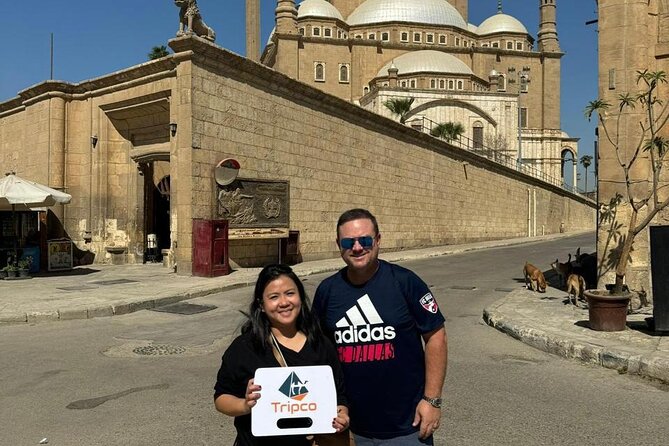
This tour is built for people who want more than one neighborhood in a single day. You’re picked up from your hotel, then driven in an air conditioned vehicle between major sites, which matters in Cairo heat and traffic. The tour runs about 7 to 8 hours, so you should treat it like a full day, not a quick sightseeing loop.
The pacing is practical. You don’t just bounce from door to door—you get time on each stop that lets you read details and absorb the setting. The private format also helps: your guide can adjust on the spot if you want more time at a viewpoint or if a church entry feels slower than expected.
You also get lunch included, which I really appreciate for Cairo touring. It reduces the temptation to rush meals or hunt for something good while you’re already tired. And since it’s a private group, you’re not stuck waiting on other schedules.
If your idea of a good day is steady momentum plus solid context, this fits well.
Coptic Cairo: One Walk, Three Communities, Lots of Meaning
Coptic Cairo is the heart of this experience, and it’s not just about seeing pretty buildings. It’s about stepping into a historic religious zone where different stories overlap in the same area of Old Cairo.
You start with the Hanging Church, described here as the oldest Coptic Christian church in Cairo. Even before you get deep into details, the site’s reputation signals that it’s central to understanding Coptic faith and identity in the city.
Next comes Saint Sergius and Bacchus Church, and you’ll hear the connection that it’s believed to be a resting place for the Holy Family during their escape to Egypt. That kind of story turns a building into a location with emotional weight, not just a photo backdrop.
Finally, you finish the Coptic Cairo portion at Ben Ezra Synagogue. This is where the day broadens beyond Christianity into a historic Jewish presence in Egypt, and it helps you see the area as a long timeline of communities, not a single chapter.
One practical note: the Coptic Cairo sights have entry not included (so you’ll want to choose the option that matches what you prefer). If you’re fine paying a few tickets during the day, it’s easy. If you prefer everything bundled, check the options before you go.
You can also read our reviews of more private tours in Cairo


Hanging Church and the Stories Your Guide Should Explain
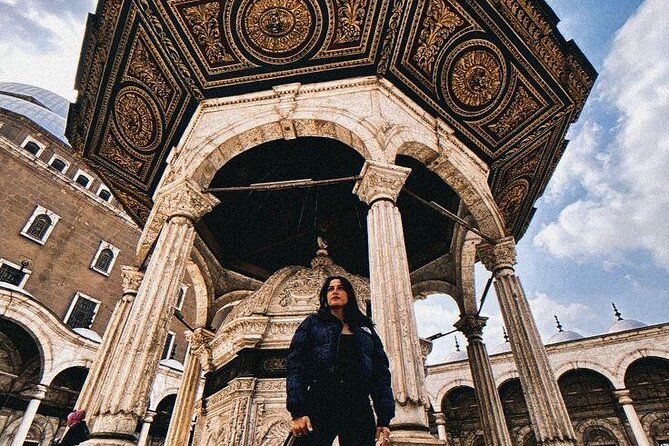
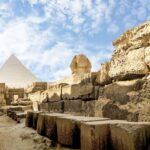
The Hanging Church has a way of making people slow down. It’s called out here for its intricate design and its iconic hanging construction, so don’t treat it like a quick stop. Take a moment, let your eyes adjust, and ask your guide to point out what matters.
With Saint Sergius and Bacchus Church, the key value is the way your guide links the setting to the escape narrative. It helps you understand why this site has drawn devotion over generations, and why the building’s role matters even today.
For Ben Ezra Synagogue, the payoff is the shift in perspective. You’re not only learning what one religion practiced—you’re learning that Egypt’s religious communities were historically connected through time, location, and shared neighborhood life in Old Cairo.
This is also where a great guide really shows. Some guides (for example, people like Mohamed are highlighted for making explanations clear) bring it down to earth with simple language and even extra tools like quick drawings. That kind of support turns a confusing swirl of names and dates into something that finally clicks.
If you’re the type who likes asking questions, this part rewards you. And if you don’t, it still works because the sequence is logical.
Citadel of Saladin: Power, Scale, and a Smart Break
After Coptic Cairo, you move toward the Cairo Citadel, starting with the Citadel of Saladin built in the 12th century. This shift matters. You go from tightly packed Old Cairo religious sites to a massive seat of authority and defense.
The Citadel stop here includes about one hour, which is enough time to orient yourself and focus on what you came for: the historical weight of the place and the way it shaped the city. Since the Citadel admission isn’t included, you’ll want to plan for that ticket decision with the rest of your entry fees.
Even if your legs feel it by this point, the Citadel can be a good mental reset. It’s a landmark designed to impress from far away, so you get that classic Cairo feeling of scale and significance without having to cram in extra stops.
Think of this as the day’s “breather with meaning.” You’ll likely come out with a stronger sense of how Cairo’s leadership and architecture evolved.
Muhammad Ali Mosque: Alabaster Beauty and City Views
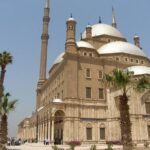
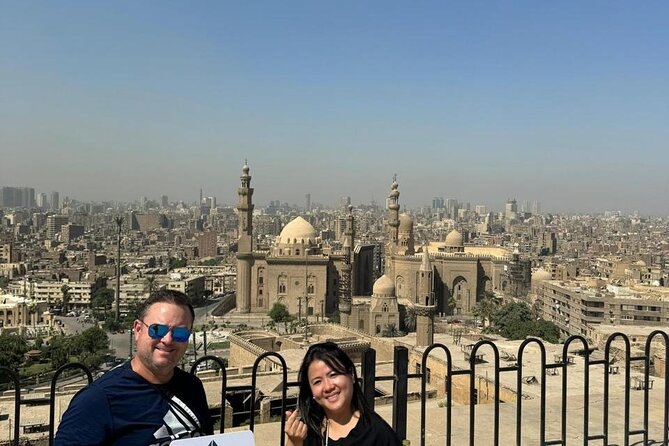
Next up is the Mosque of Muhammad Ali, including time for the Alabaster Mosque and panoramic views of Cairo. The Alabaster Mosque detail is the standout here: it’s framed as an Ottoman architectural marvel, and the name alone tells you why people remember it.
This part is shorter—about 30 minutes—but it’s a high-impact stop because views are a payoff. Even with limited time, the perspective from here helps you see Cairo differently than you did at street level.
If you love architecture, this is one of your best chances in the day to connect style with the broader Ottoman period feel described for the mosque. And if you just want one “wow” moment, the view does that job quickly.
As with other big entrances, admission isn’t included, so keep that in mind when you decide which entry-fee option to choose.
Sultan Hassan Mosque: Big Mamluk Architecture With Real Structure
Now you get into the star power of Islamic architecture: the Mosque and Madrasa of Sultan Hassan. The dates given—built between 1356 and 1363—matter because they place the building in the Mamluk era when monumental design was a statement of power and learning.
What I like most in this stop is the clarity of the design. The mosque is described as one of the largest and most impressive in Egypt, and you’ll learn about its four iwans, each connected to one of the four main Islamic schools of thought. That detail isn’t trivia. It explains how the architecture was meant to organize knowledge and religious interpretation.
The time here is about one hour, which feels right. You want enough time to notice the proportions and understand the structure instead of just snapping photos and leaving.
Since entry fees aren’t included, budget for a ticket choice when you set up your tour options. It’s still worth it because you’re getting a major monument, not a quick exterior glance.

Al-Rifa’i Mosque and the Tomb of Shah of Iran: A Modern Twist
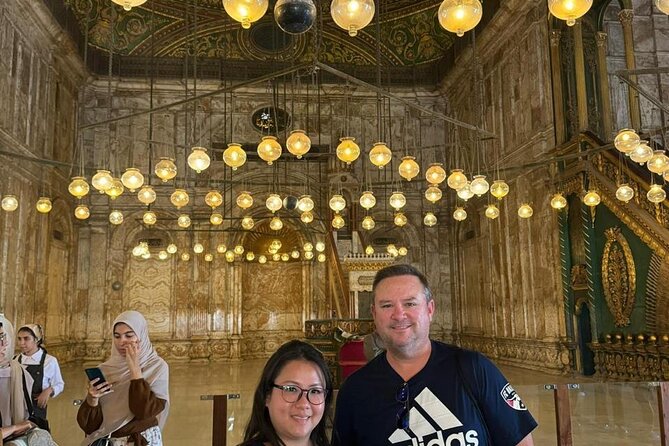
Directly across from Sultan Hassan is Al-Rifa’i Mosque, also described with the name connected to the Tomb of Shah of Iran. Construction is listed as starting in the 19th century and completed in 1912, which helps you place the building’s era difference compared to the older Mamluk work nearby.
Here’s the angle I found most interesting: it’s named after Imam Ahmad al-Rifa’i, founder of the Rifa’i Sufi order. When a guide connects that spiritual context to what you’re looking at, the mosque feels less like a random stop and more like a cultural statement.
You’ll also hear about the exterior decorations and the grand columns at the entrance. And there’s a detail that makes the building feel like a turning point in technology: it’s said to be among the first Islamic architecture buildings in Egypt to use cement, marking a transition toward more modern construction methods.
This stop is shorter—about 30 minutes—but it pairs perfectly with Sultan Hassan. You’re watching Cairo show you two eras in the same glance.
Khan Al-Khalili: Souq Energy, Food Smells, and Practical Time to Browse
Then you shift into Khan El Khalili, Cairo’s ancient souk and a historic bazaar area. The description here emphasizes trade in the Mamluk era and ties the name to caravanserais, which helps you understand why the place feels built for commerce.
This stop runs about one hour, and the admission ticket is included. That matters because it removes one small friction point in the day—you can spend time looking and asking prices without needing to track another ticket decision.
What you’ll likely notice right away is how the street feel changes from monumental stone to everyday motion: crafts, spices, and general shopping chaos in the best sense. I like to use this hour for slow browsing rather than buying big. It’s a good time to pick up a small item, test a local drink or snack if you want, and just watch how people use the space.
A tip that keeps this stop fun: set a simple plan before you enter. Decide what you want to see—like spices or textiles—so you don’t spend the whole hour wandering with no sense of direction.
Lunch and Transportation: The Hidden Value of a Private Day
A lot of Cairo tours look similar on paper. What sets this one apart is the way it handles the day’s fatigue.
Lunch is included, and you’re traveling by car with air conditioning. That combination buys you energy for the sites that actually require attention. You’re not ending up back at the hotel too early, and you’re not dragging yourself through the Citadel just to make a schedule.
Also, because it’s a private activity, only your group participates. That tends to mean fewer wasted minutes waiting around for a larger group to regroup. In a city where timing can swing, that’s a real quality-of-life upgrade.
If you get a guide who’s used to handling questions well, you’ll appreciate how your day flows between places. Some guides (Mohamed comes up for clear explanations and even quick sketches) help you connect what you’re seeing to what you already know. Others (Aymen is named for safety and interesting history explanations) bring a calm, protective vibe to the day.
It’s not just comfort. It’s the difference between collecting random sights and leaving with a real understanding.
Price and Value: Why $60 Can Be Fair
The price here is $60 per person, and the tour is commonly booked about 22 days in advance. That time window usually tells me it’s in-demand, which is good news if you like having options for picking your guide.
To judge value, look at what you get for the base price:
- A private guide
- Hotel pickup and drop-off
- Transportation in an air conditioned vehicle
- Lunch
That package adds up quickly in a city where independent logistics can eat time. Since entry fees are not included for several major stops, your final cost depends on the entry-fee choices you make. Still, the core day structure is already paid for.
If you’re traveling with someone, the private guide setup can feel especially fair because you’re not splitting guide cost across strangers. If you’re traveling solo, it’s still straightforward because the day stays private and focused.
Who Should Book This Islamic and Coptic Cairo Tour?
This one is a strong fit if you want Cairo’s religious and architectural sides in a single day. You get Coptic Christianity (Hanging Church and Saint Sergius and Bacchus), the historic Jewish story (Ben Ezra Synagogue), then major Islamic monuments (Citadel, Muhammad Ali Mosque, Sultan Hassan, and Al-Rifa’i).
It’s also a good match if you like guided storytelling. When the guide explains what you’re seeing—like the four iwans at Sultan Hassan or the Holy Family connection at Saint Sergius and Bacchus—the day becomes much more than sightseeing.
The tour notes say that most people can participate, which is helpful if you’re not planning to hike or do something extreme. You still should expect real walking, since you’re visiting multiple big sites back-to-back.
If you want a slower day with fewer entrances, look for something shorter. But if your schedule demands one high-value day, this is a solid choice.
Should You Book It?
I’d book this tour if you want one day that makes Old Cairo and major Islamic monuments click together. The mix is unusually practical: Coptic Cairo first, Islamic landmarks next, and then Khan El Khalili for street life.
I’d think twice if you dislike long days or you’d rather pay only one bundled ticket total. Since entry tickets vary by stop and are not included across the board, you’ll want to choose your entry-fee option confidently.
If you’re okay with that trade-off, the value is clear: guide time, air conditioned transport, hotel pickup and drop-off, plus lunch, all wrapped around Cairo’s most meaningful religious and architectural anchors.
FAQ
How long is the Private Tour of Islamic and Coptic Cairo?
It runs about 7 to 8 hours. That includes time at each major landmark and transfers between stops.
Is this a private tour?
Yes. It’s a private experience, meaning only your group participates.
Do I get hotel pickup and drop-off?
Yes. Your guide meets you at your hotel for pickup and brings you back afterward.
Is lunch included?
Yes. Lunch is included in the tour.
Are entry fees included?
Entry fees are not included for all stops. The tour notes say you can choose from the available options, and some specific stops have admission ticket included while others do not.
What are the main places you visit?
You’ll visit Coptic Cairo (Hanging Church, Saint Sergius and Bacchus Church, Ben Ezra Synagogue), then the Cairo Citadel, Mosque of Muhammad Ali, Sultan Hassan Mosque and Madrasa, Al-Rifa’i Mosque, and Khan El Khalili.
Does the tour include transportation?
Yes. You travel in an air-conditioned vehicle during the day.