REVIEW · CAIRO
Private pyramids tour to Giza pyramids Sphinx Dahshur Sakkara & Memphis
Book on Viator →Operated by Egypt Sightseeing Tours Day Trips · Bookable on Viator
Five sites, one private day. This tour strings together the Giza pyramids and Sphinx, Dahshur’s royal necropolis, Saqqara’s Step Pyramid, and Memphis in one hassle-free itinerary, so you don’t waste your time bouncing around Cairo with a crowd. I like that it’s truly private for your group, and I also like the practical hotel pickup plus bottled water and a snack on board. One consideration: entry tickets, lunch, and your Egypt visa aren’t included, and the day is long enough (7 to 8 hours) that planning ahead matters.
In the better reviews, guides like Maria and Mahmoud get called out for solid on-site explanations and for helping you deal with the usual pyramid-area friction, including advice on avoiding common scams and ways to keep vendors at a distance. There’s also a rare but serious caution flag in one review about a pickup/no-show problem, so I’d treat pickup details and confirmation as non-negotiable before you head out.
In This Review
- Key things that make this private pyramids day work
- Why this “Giza to Memphis” route is a smart Cairo use of time
- Pickup, transport, and the comfort details you’ll actually feel
- Giza Pyramids and the Sphinx: more than the postcard
- Dahshur: Red Pyramid access and Bent Pyramid rules
- The Red Pyramid: go inside if you want
- The Bent Pyramid: impressive shape, no interior visit
- Saqqara and the Step Pyramid: the oldest stone complex
- Step Pyramid of Djoser (and Imhotep’s name)
- Tombs like Idut: everyday scenes in stone
- Memphis: the early capital that ties the stops together
- Price and what you still need to budget for
- Included
- Not included
- How to maximize your day: timing, photos, and vendor sanity
- Photo strategy
- Family-friendly option
- Food reality check
- A real caution: confirm pickup so you don’t lose the whole day
- Who this private pyramids tour is best for
- Should you book this private Giza, Dahshur, Saqqara & Memphis tour?
- FAQ
- How long is the private tour?
- Is this tour private or shared with other groups?
- Does the tour include hotel pickup in Cairo?
- Are entrance tickets to the pyramids and sites included?
- What sites are included in the itinerary?
- What’s included in the tour price besides the guide?
- Is lunch included?
- Can I cancel for a full refund?
Key things that make this private pyramids day work
- Private-by-default pacing: you’re not stuck waiting while strangers argue over hats, straps, and where to stand.
- A multi-site route in one go: Giza + Sphinx + Dahshur + Saqqara + Memphis, without needing a separate day for each area.
- Dahshur access that’s worth the drive: the Red Pyramid’s burial chamber is reachable without an extra charge, while the Bent Pyramid interior is not.
- Saqqara built for photo-and-story lovers: the Step Pyramid (2670 B.C.) plus tombs with painted/inscribed scenes, like daily life and taxes.
- Good anti-chaos guidance: reviewers highlight help with keeping vendors away and practical scam-avoidance tips.
Why this “Giza to Memphis” route is a smart Cairo use of time
Cairo rewards the well-organized day. If you only have one shot, this itinerary is efficient in a real way: you start with the headline act at Giza, then you move to Dahshur (another Old Kingdom powerhouse), then you shift to Saqqara, and finally you land at Memphis, tied to Egypt’s early capital story.
The value here isn’t just the number of stops. It’s the fact that the day is structured around major Old Kingdom sites you’d otherwise struggle to connect in a single timeline. When you visit each location with breathing room and context, the pyramids stop feeling like separate monuments and start feeling like one long story about pharaohs, architects, and belief.
And at $25 per person, this is priced like a practical “do the big stuff” option rather than a premium luxury experience. For that budget, the included extras—air-conditioned private transport, a guide, and a water/snack bag—matter more than you might expect. They reduce the small annoyances that turn a long day into a bad day.
You can also read our reviews of more private tours in Cairo


Pickup, transport, and the comfort details you’ll actually feel
You get pickup from your Cairo hotel, and it’s handled by private transportation in an air-conditioned vehicle. In Cairo, that’s not a luxury feel; it’s a survival feature, especially if the heat is already building by late morning.
On the ride, you’ll also get bottled water and a snack bag per person. That’s a small line item, but it changes how you experience the day. Pyramid visits can be slow, with stairs, waiting, and time spent standing in exposed areas. When you’re not rationing your own snacks, you stay focused on the sights instead of your stomach.
The tour also includes a private expert guide with great photography skills. The key is not that you’ll automatically get perfect photos. It’s that a guide can help you aim for the right angles, choose better spots, and avoid wasting time while the sun and crowds make it harder to frame the monuments.
Giza Pyramids and the Sphinx: more than the postcard
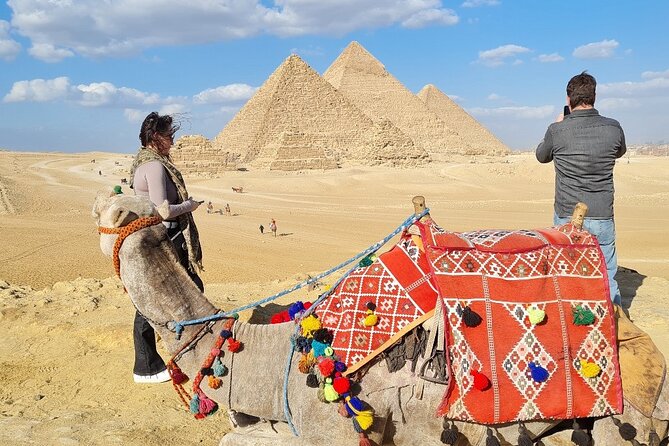
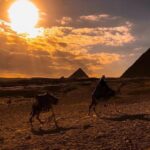
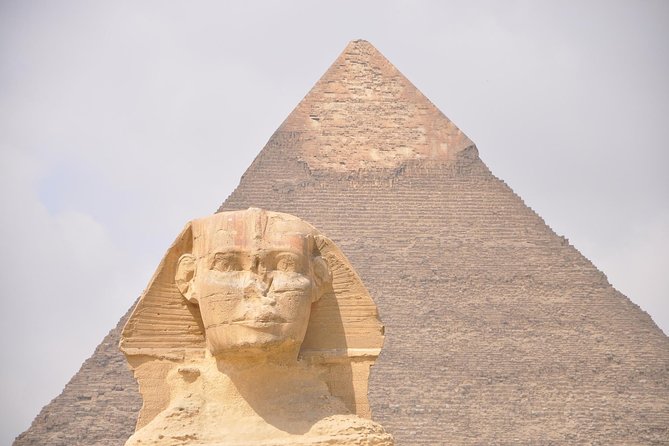
Giza is the stop everyone wants first, and this tour treats it that way. You’ll see the Pyramids of Giza and the Sphinx, with time set at about 2 hours at this stop. That may sound short, but remember: you’re moving between sites all day. The goal is to see the essentials without turning your schedule into a sprint.
Here’s what you’ll focus on at Giza:
- The Great Pyramid, dated to Egypt’s Old Kingdom, built during the 4th dynasty. It’s tied to King Cheops (Khufu). The height is listed as about 147 meters, and it’s described as the oldest and largest one on the Giza plateau.
- The Pyramid of Khafre (Chephren), listed as the son of Khufu and noted as the second tallest pyramid in Giza.
What I like about the way this itinerary frames Giza is that it gives you anchors—names, dynasties, the scale of the structures—so you can look at the stone and understand what you’re seeing. A pyramid isn’t just a big triangle shape. It’s a pharaonic project tied to a specific time period and rulers.
For the Sphinx, you’ll get the same “big picture first” approach. And because the guide is guiding your sight lines and helping you handle the area around the monuments, you’ll spend less time getting pulled into distractions.
Drawback to plan for: admission tickets are not included for the sites. Also, two hours at Giza means you’ll need to be efficient with where you want photos and how long you want to stand in each area.
Dahshur: Red Pyramid access and Bent Pyramid rules
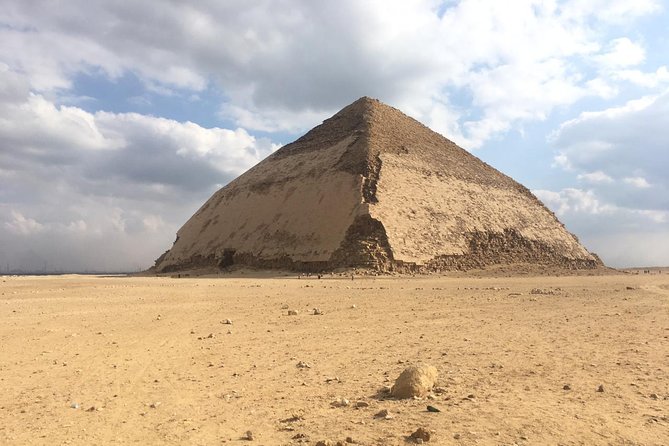
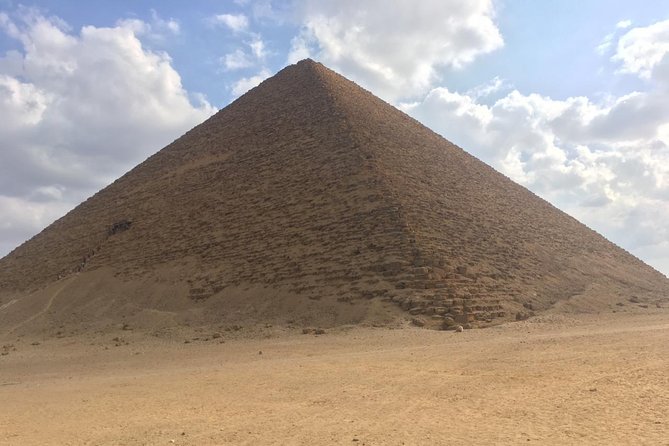
After Giza, you head to Dahshur, which is about 40 km south of Cairo. Dahshur often feels calmer than Giza because it’s less of a mass-market magnet, but it still delivers real power: it’s described as a royal necropolis of the Old Kingdom and one of the best-preserved pyramid areas in Egypt.
This stop is about 1 hour 30 minutes, and it’s built around two pyramids with very different vibes.
The Red Pyramid: go inside if you want
The Red Pyramid is highlighted as one of the oldest and best-preserved pyramids. The tour also notes that you can go inside the burial chamber of the Red Pyramid without extra charge (at least as presented for this experience).
That matters because many Egypt pyramid visits force you into a tradeoff: see it from the outside, or pay extra for access. Here, the promise is simpler—if you want that inside-chamber experience, you can plan for it without adding a separate fee.

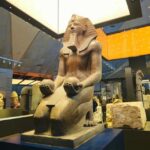

The Bent Pyramid: impressive shape, no interior visit
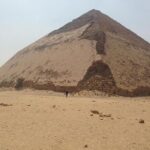
Then comes the Bent Pyramid, also called the curved pyramid. You’ll learn it has a unique design: built with two angles—one at the bottom and another around the midway point. It’s also described as famous for having some of the best-preserved outer casing found in Egypt.
But there’s an important practical rule: visitors can’t go inside for safety reasons. So this is an outside-focused experience. Bring your patience for angles, close-looking, and photos, because that’s where you’ll get your payoff.
Saqqara and the Step Pyramid: the oldest stone complex
Saqqara is where many people realize the pyramids weren’t a one-time thing. They were part of a longer evolution—built, tested, and refined across reigns.
You’ll spend about 3 hours total for Saqqara and Memphis, so Saqqara is the time when the day’s “human story” gets stronger.
Step Pyramid of Djoser (and Imhotep’s name)
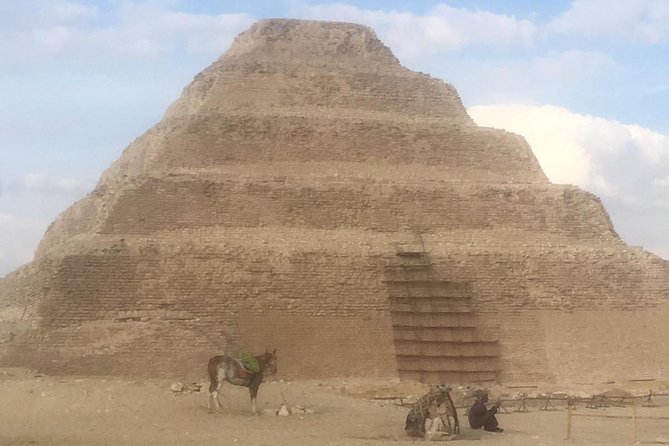
The tour specifically points to the First Step Pyramid, built around 2670 B.C., tied to the Old Kingdom 3rd Dynasty. It names the architect as Imhotep, and connects him to King Zoser (the doctor role is mentioned in the description).
It also emphasizes something worth remembering as you walk: it’s described as the oldest complete stone building complex known in history. That phrase is doing a lot of work—because it frames Saqqara as the start of something big, not just a side stop.
Tombs like Idut: everyday scenes in stone
You’ll also see tombs, including the Tomb of Idut, described as the daughter of King Teti (noted as the first king of the 6th dynasty). The tomb is called out for wall decorations and inscriptions showing everyday life—fishing, farming, hunting, and taxes payment.
If you’re the kind of traveler who likes to learn what normal people did in ancient times, these details are exactly the kind of “small” information that turns monuments into lived culture. It’s no longer just rulers and dates. You see work, food, and taxes—stuff that sounds annoyingly familiar.
Memphis: the early capital that ties the stops together
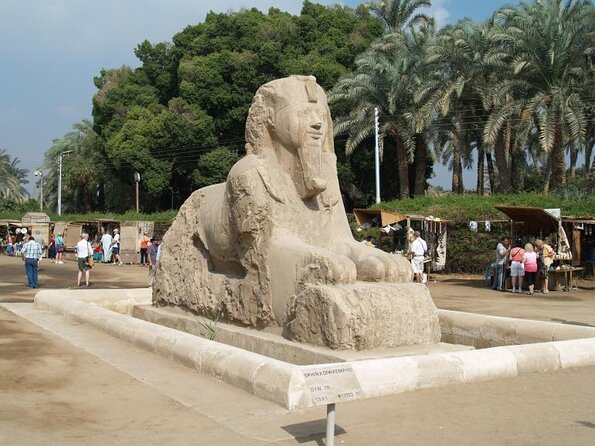
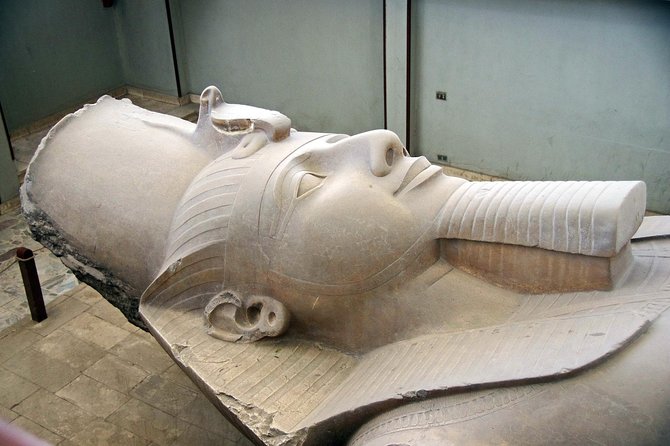
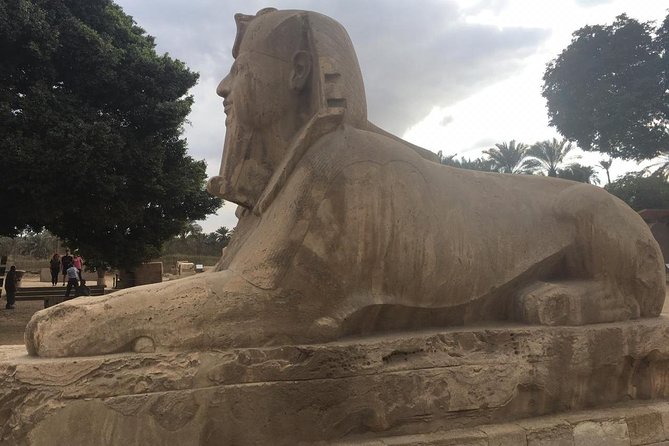
After Saqqara, you’ll visit Memphis, described as the oldest capital in Egypt. The name Menes is given as the pharaoh linked with Memphis’s founding.
Memphis can feel less dramatic than the pyramids if you’re expecting instant wow from huge angles and sharp silhouettes. But that’s why it works so well as a wrap-up. The pyramids show monumental building. Memphis gives you a sense of where power and daily governance connected.
If your guide is doing what the best reviews describe—keeping the explanations clear and focused—you’ll leave Memphis with better context for what you just saw at Saqqara and Dahshur. Same civilization. Different functions. Different kinds of stone jobs.
Price and what you still need to budget for
The headline price is $25 per person. That’s low enough that you should quickly sanity-check what’s included—because with tours around major sites, the difference between a good value and a frustrating day usually comes down to ticket fees.
Here’s the split you should plan around:
Included
- Private transportation in an air-conditioned vehicle
- Private expert guide with noted strengths in photography
- Bottle of water and snack bag per person
Not included
- Entry tourist visa to Egypt
- Any entry fees (for the sites)
- Lunch
- Gratuities (recommended)
- Personal expenses
So the real value question becomes: will you handle ticket buying smoothly, and will you show up hungry enough to need lunch? If you plan for tickets and bring a lunch plan (even if it’s just a backup snack), this tour can feel like a bargain. If you arrive assuming fees are included, you’ll spend part of your day dealing with payments instead of monuments.
How to maximize your day: timing, photos, and vendor sanity
The best Giza and pyramid experiences aren’t only about history—they’re about how you deal with the physical reality on the ground. That’s where a good guide earns their keep.
In the stronger feedback, Maria and Mahmoud are praised for being helpful and polite, and for giving practical advice, including tips on avoiding common scams. It also notes that the guide helps keep vendors away, which is a huge quality-of-life issue around the monuments.
Photo strategy
Because the guide is described as strong with photography, you should take advantage of that. Ask for a quick plan before you move into crowded areas: where do you want the best angles, and what spot does the guide recommend for clean, readable photos?
Family-friendly option
One review highlights a version of the day that worked for families, including a calèche (horse-drawn carriage) ride for photos. The details on timing and whether it’s always offered aren’t spelled out in the tour description, but it’s worth knowing that the day can include fun extras in some cases.
Food reality check
Lunch is not included, and one review notes dissatisfaction with a restaurant recommendation from the guide. I’d treat lunch as your own responsibility: bring a backup plan, especially if you have dietary needs or if you simply don’t want to feel rushed.
A real caution: confirm pickup so you don’t lose the whole day
Every tour can have hiccups, and there’s a clear caution in the provided experiences: one booking reported being left stranded due to a no-show issue, and platform support (Viator in that case) couldn’t quickly fix it.
What can you do with that information? Keep it simple:
- Confirm pickup location and timing clearly before you go.
- Have your contact details and booking reference ready.
- If you’re staying in Cairo with multiple pickup points (hotel names can be long and confusing), double-check the exact curbside meeting spot.
This isn’t meant to scare you. It’s meant to keep your day focused on pyramids instead of phone calls.
Who this private pyramids tour is best for
This tour is a good match if you:
- Want multiple major Cairo sites in one day without the stress of organizing transport yourself.
- Prefer private pacing over crowded group schedules.
- Value a guide who can provide clear explanations and help with photo positioning.
- Like Old Kingdom connections—Giza to Dahshur to Saqqara to Memphis—rather than only seeing one pyramid complex.
It may be less ideal if you:
- Need lots of free time to wander slowly at each site (two hours at Giza is efficient, not leisurely).
- Don’t want to manage extra costs for entry fees and lunch.
- Prefer totally friction-free days with zero planning required (in Egypt, some on-the-ground navigation always helps).
Should you book this private Giza, Dahshur, Saqqara & Memphis tour?
If you’re trying to see the core pyramid story in a single day, this is easy to recommend. The price is low, the transportation is private and air-conditioned, and the itinerary hits the sites most people travel to Egypt for. The Dahshur inside-access on the Red Pyramid is especially useful, and the Saqqara details (Step Pyramid + tomb scenes like Idut) are the kind of knowledge that makes monuments feel meaningful.
I’d book it if you’re the kind of traveler who likes structure, wants your hotel pickup handled, and can plan for tickets and lunch. Just be firm about pickup confirmation, and you’ll stack the odds in your favor for a smooth, rewarding day across Cairo’s ancient giants.
FAQ
How long is the private tour?
The tour lasts about 7 to 8 hours.
Is this tour private or shared with other groups?
It’s a private tour, and only your group participates.
Does the tour include hotel pickup in Cairo?
Yes, pickup from your Cairo hotel is offered.
Are entrance tickets to the pyramids and sites included?
No, entry tourist visa and entry fees are not included.
What sites are included in the itinerary?
You visit Giza pyramids and the Sphinx, Dahshur, Saqqara, and Memphis.
What’s included in the tour price besides the guide?
You get private air-conditioned transportation, a private expert guide, bottled water, and a snack bag per person.
Is lunch included?
No, lunch is not included.
Can I cancel for a full refund?
Yes. You can cancel up to 24 hours in advance for a full refund.