REVIEW · HURGHADA
LUXOR By Big Bus From Hurghada ( valley of the Kings or Valley of the Queens )
Book on Viator →Operated by E.T.O Travels · Bookable on Viator
Luxor at full speed can be magic. This big day trip from Hurghada has one huge advantage: Karnak Temple with a qualified Egyptologist guide, so you get context for what you’re seeing, not just photos.
I also like how the route packs in both the Valley of the Queens and the Valley of the Kings area, plus Deir el Bahari and the Colossi of Memnon. One consideration: it’s about 18 hours total and the pace is brisk, so you’ll want realistic expectations for viewing time, especially if you’re traveling with young kids.
In This Review
- Key highlights worth knowing
- A 4:00 am start and an 18-hour Luxor game plan
- Karnak Temple with a real Egyptologist at the front
- West Bank icons: Colossi of Memnon, Nile crossing vibes, and fast photo time
- Valley of the Queens and Deir el Bahari: Hatshepsut’s powerhouse stop
- Valley of the Kings time: seeing the tomb area without getting lost
- Lunch, the alabaster factory, and what’s actually included
- Price and logistics: is $75.49 good value for Luxor?
- Should you book this Luxor by Big Bus day trip?
- FAQ
- What time does the tour start?
- How long is the Luxor by Big Bus experience?
- Are entrance tickets included?
- Is lunch included, and are drinks included?
- Does the tour include a felucca ride?
- Which languages are available for the Egyptologist guide?
- What happens if the tour is canceled due to poor weather?
Key highlights worth knowing
- 4:00 am start, real payoff later: you’ll be on the road early to fit the east and west banks in one day.
- Egyptologist guide at major stops: explanations at Karnak and the main valley sites help the monuments click.
- Tickets and entrance costs handled: most site entries are included, so you’re not hunting for add-ons on the ground.
- West Bank flow includes Colossi of Memnon: a quick stop for iconic statues and photos before you go deeper into the tomb areas.
- Lunch plus an alabaster factory visit: the included meal is simple, and the factory stop is usually more about shopping/education than a pure sightseeing detour.
A 4:00 am start and an 18-hour Luxor game plan
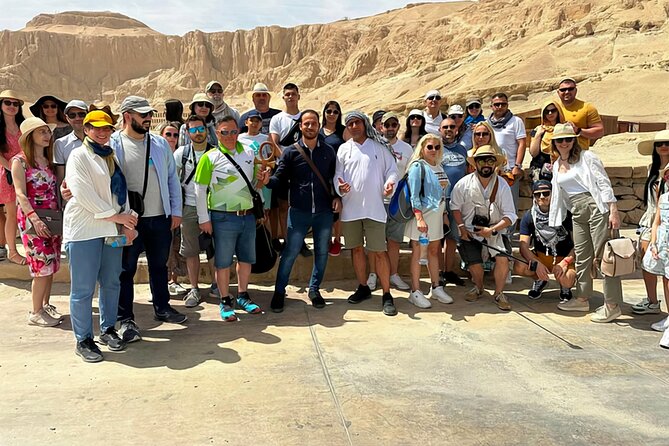
This is a morning-departure, big-sights Luxor day. The tour starts at 4:00 am and runs about 18 hours, which tells you right away how the day is designed: cover the highlights, keep moving, and don’t linger too long anywhere.
You’ll be picked up from your hotel and taken by air-conditioned vehicle, with an overall group size capped at 35 people. The tour uses a mobile ticket, and that matters because it reduces faffing at the entrances when everyone’s trying to get going before the lines and heat build up.
If you’re the type who likes slow museum pacing, this won’t be your ideal style. If you want the “bucket list, done right” approach—Karnak, Hatshepsut, and the tomb valleys—this route matches that energy. And yes, the day can feel long. Plan for it like a marathon: comfy shoes, hat, sunscreen, and a water strategy (especially since beverages aren’t included).
You can also read our reviews of more tours and experiences in Hurghada.


Karnak Temple with a real Egyptologist at the front
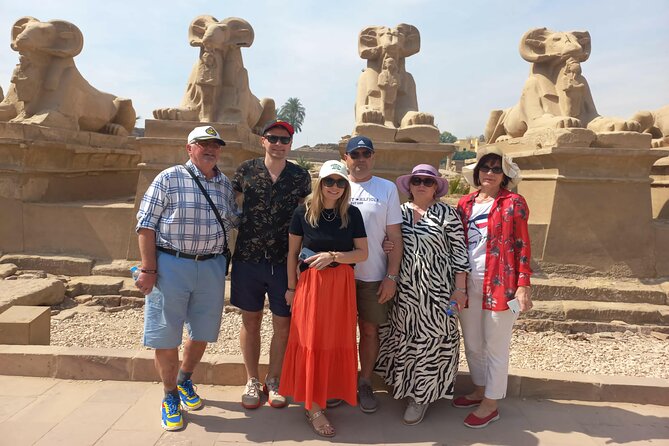
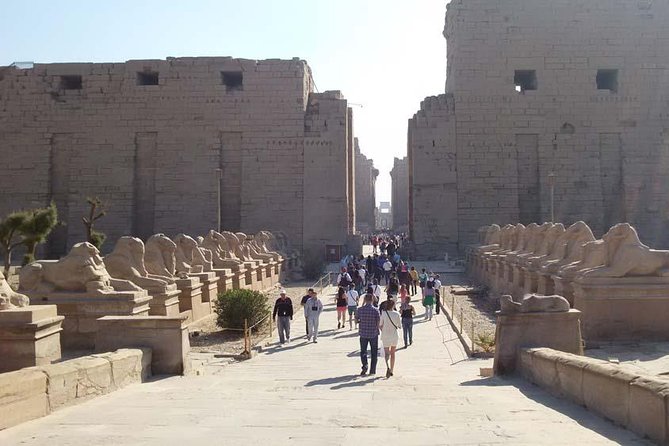
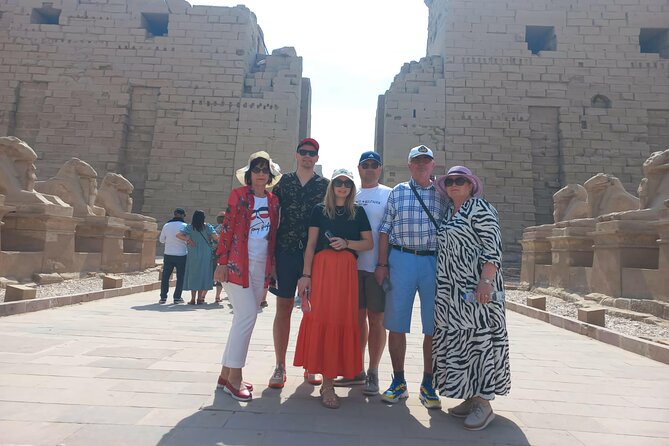
Karnak is the reason most people wake up early. It’s the biggest temple complex in ancient Egypt, spread across a huge area on Luxor’s east bank. Here, you get a guided experience that makes a difference, because you’ll be oriented: what each part is, why it matters, and how the stories connect.
You typically spend about 1 hour 30 minutes at Karnak. That’s not enough time to “wander forever,” but it is enough time to see the major spaces and understand what you’re looking at. You also get admission handled for this stop, so there’s no extra ticket process once you arrive.
One practical note: Karnak can be mentally and physically tiring. Even with a guide, you’ll be moving. The best way to enjoy it is to focus on a few anchors—stand back for the scale, then pick a couple of carvings or architectural details to look at closely. If you try to soak in everything at once, the whole place starts to blur.
West Bank icons: Colossi of Memnon, Nile crossing vibes, and fast photo time
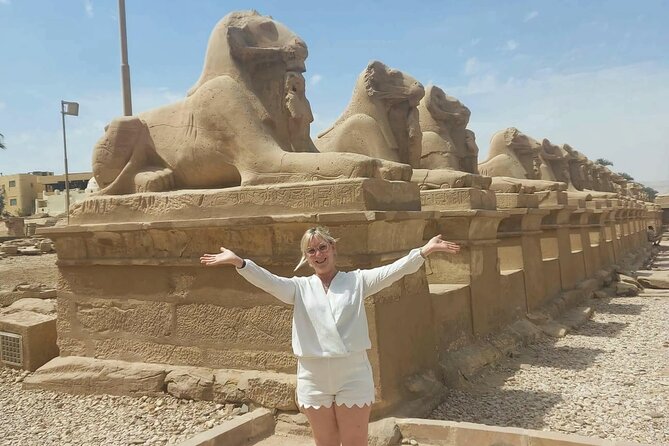
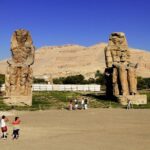
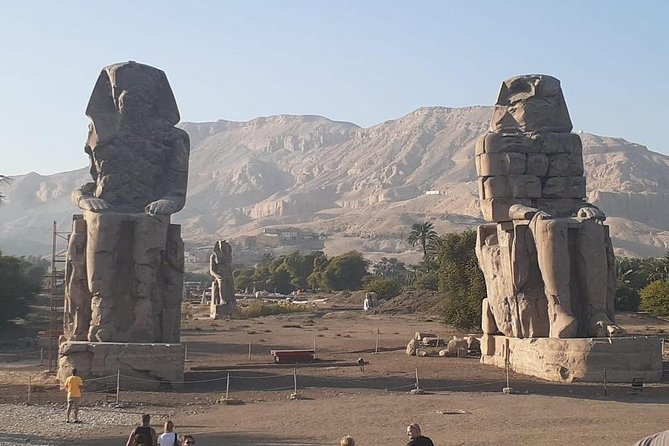
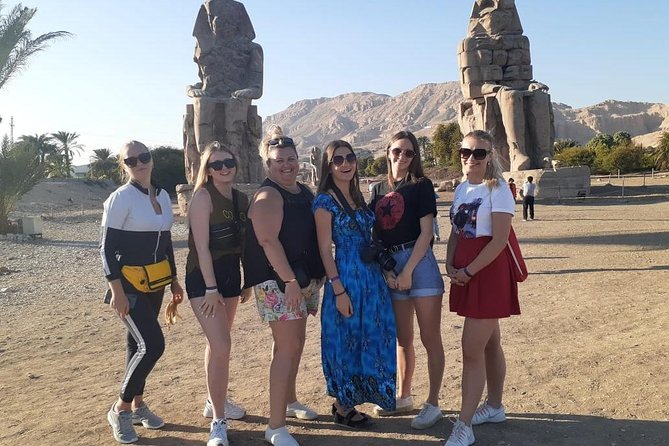
After Karnak, the day shifts to the west bank mood: tombs, statues, and the Nile’s edge. You’ll cross toward the Colossi of Memnon and spend about 30 minutes at this famous photo stop.
The Colossi of Memnon are two enormous seated statues tied to King Amenhotep III. They’re the surviving fragments of an older temple scene, and what makes them striking is that they feel both monumental and a bit ghostly—like a stage set after the show has moved on.
This stop is short on purpose. You’ll have just enough time to look, take a few photos, and move on. If you care about pictures, arrive with a rough plan: wide shot first (prove to yourself you were there), then close detail shots, then move.
The tour also includes the idea of a felucca Nile crossing in the overall experience. The way it’s described, the sail is part of how you transition to the “City of the Dead” zone. That’s a nice contrast to buses and walking—just enough classic Nile flavor to break up the day without turning it into a multi-stop boat excursion.
Valley of the Queens and Deir el Bahari: Hatshepsut’s powerhouse stop
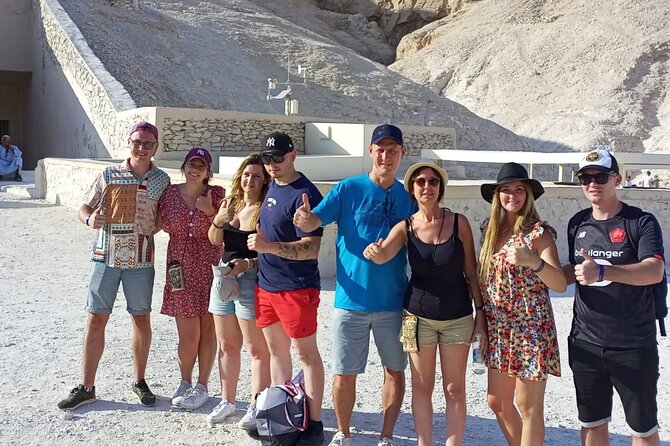
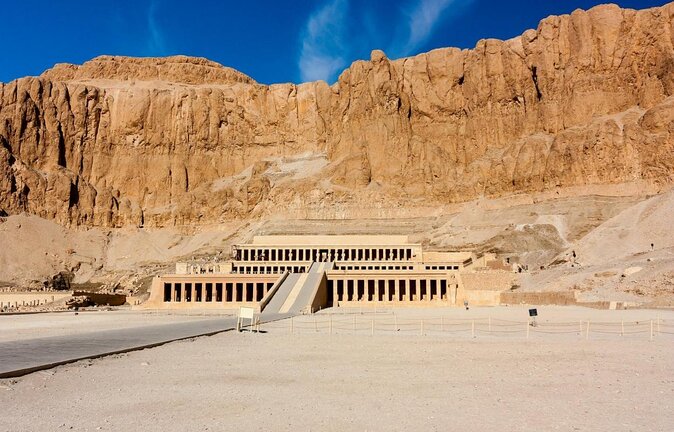
Once you hit the tomb areas, you’re in Luxor’s most dramatic setting: carved history in a desert landscape. The tour spends about 1 hour 30 minutes in the Valley of the Queens, specifically framed as tombs belonging to queens of ancient Egypt.
This is a good choice if you want something more than just one famous royal name. The Queens’ Valley can feel like the broader cast of characters that makes the story of Luxor feel real—women with political power, and a funerary world built to last.
Then comes Deir el Bahari and the temple of Hatshepsut. You’ll have another about 1 hour 30 minutes here. Hatshepsut is one of the best-known female rulers of Ancient Egypt, and the temple setting helps you understand why she’s remembered this way: the architecture is grand, and the location does the heavy lifting for atmosphere.
One thing I’d watch: both tomb valleys and the Deir el Bahari area are popular with guides, groups, and street energy outside the gates. Comfortable shoes matter here. And when you feel a sales push from outside vendors, the easiest move is a calm no, a quick step away, and keep your attention on your guide’s explanations.
Valley of the Kings time: seeing the tomb area without getting lost
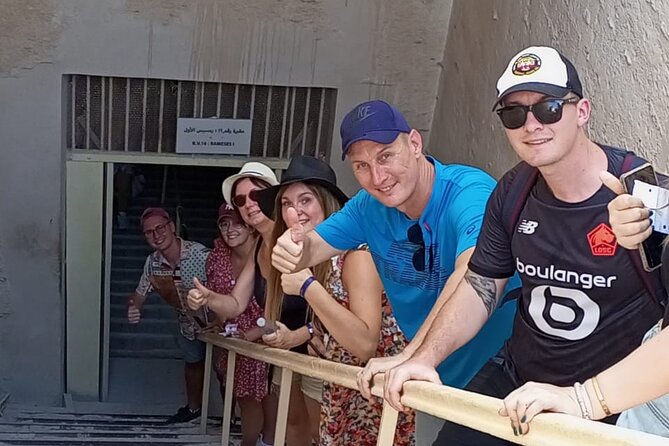
If you’re targeting the headline names, this is the stop that delivers. The tour includes about 1 hour 30 minutes in the Valley of the Kings, with the focus on visiting the tomb area and understanding how the ancient Egyptians made this civilization last.
The route description notes you’ll be very close to the Tutankhamun tomb area. Even if you don’t feel like a tomb-nerd, that proximity changes the experience. You’re no longer just seeing “some valley.” You’re standing near one of the most famous archaeological stories on earth, with a guide helping connect the geometry and design to the bigger meaning.
Practical reality check: tomb exploration can be hot, enclosed, and a bit stop-start. You’ll likely move between viewpoints and openings while your guide keeps the group on track. That’s exactly why the tour structure works for people who have limited time in Egypt and want the highlights in one day.
If you have limited stamina, pace yourself in the shade where possible, and don’t force long looks at every wall carving. Pick the most important ones, get your bearings fast, and let the guide do the heavy lifting of interpretation.





Lunch, the alabaster factory, and what’s actually included
This trip includes Oriental Open Buffet Lunch in Luxor, and it’s a useful anchor in a day that starts at 4:00 am. The open buffet concept is practical for group tours—you can choose what you’ll actually eat rather than being locked into one dish.
That said, buffet lunch can be uneven. Expect it to be serviceable rather than a meal you’ll brag about for years. If you’re picky, or you need consistent dietary options, arrive hungry but with a backup plan: focus on simple items and avoid getting stuck waiting for the perfect plate.
What’s not included is just as important: hot & cold beverages aren’t included. So budget for water on your own. If you’ve ever spent a day in Egyptian heat, you know why: getting hydrated isn’t a luxury. It’s how you keep your energy for the valleys.
The tour also includes a Factory of Alabaster visit. Because the details beyond that aren’t specified here, treat it as a short add-on where you’ll learn a bit about the material and likely be given shopping opportunities. If you don’t enjoy sales-focused stops, keep your expectations grounded and use the time to learn what you can, then move on.
One more small but real point: restrooms on long coach days can be a weak link. There’s often a toilet stop en route (about 30 minutes mentioned for that purpose). Still, don’t rely on the coach facilities staying comfortable or working flawlessly—plan for quick needs and try to time them around official stops.
Price and logistics: is $75.49 good value for Luxor?
The price is $75.49 per person, and it’s commonly booked around 45 days in advance. That’s a strong sign people like this as a one-day, from-Hurghada solution.
Here’s how I’d judge value, not just cost:
- You get pickup and drop-off, which matters when you’re coming from farther along the coast.
- You get an air-conditioned vehicle for the long drive.
- You get entrance tickets for the major stops listed in the experience.
- You get a qualified Egyptologist guide, which is the part that turns a checklist into understanding.
- Lunch is included, plus the alabaster factory visit.
Where the value gets less magical is time. The day runs long, and some stops are intentionally short. You’re not buying a slow, thoughtful private tour. You’re buying a guided hit list, run efficiently.
There can also be occasional stress points with logistics, like group members being redirected at transfer points or seating not matching your preference. If you hate unpredictability, bring a calm mindset. If you just want the monuments and can roll with minor adjustments, you’ll likely be fine.
Also, if you’re traveling with a child under 5, the pace is something to take seriously. The schedule is tight and time-focused, and hot walking plus constant movement can make the day feel difficult.
Should you book this Luxor by Big Bus day trip?
Book it if you want Karnak, Queens, Hatshepsut, and Kings in one guided day from Hurghada—and you’re okay with a brisk pace. The included Egyptologist guidance and the fact that most entrance tickets are handled are the big wins for value.
Skip it or look for a slower alternative if you need lots of breathing room, you hate long days, or you’re traveling with very young kids. This tour is built for efficiency. When that matches your travel style, it feels like a great deal. When it doesn’t, it can feel like too much hurry for too little time.
Bottom line: if your priority is ticking off Luxor’s essential monuments with expert context and you can handle an early start, this is a solid way to do it.
FAQ
What time does the tour start?
The tour starts at 4:00 am.
How long is the Luxor by Big Bus experience?
It runs for approximately 18 hours.
Are entrance tickets included?
Yes. Entrance tickets are included for the listed stops.
Is lunch included, and are drinks included?
Lunch is included as an Oriental Open Buffet Lunch. Hot and cold beverages are not included.
Does the tour include a felucca ride?
A felucca crossing is described as part of the experience and is noted as optional.
Which languages are available for the Egyptologist guide?
A qualified Egyptologist guide is included, and additional language options like Spanish, Italian, Romanian, Czech, and Portuguese are available for an extra charge.
What happens if the tour is canceled due to poor weather?
If poor weather forces cancellation, you’ll be offered a different date or a full refund.