Step into the world’s oldest wonder set. This low-cost Cairo tour hits the Pyramids of Giza fast, then adds the Great Sphinx and the nearby Valley Temple, all in about 4 hours. I especially like that it starts straight from your hotel and rides in an air-conditioned vehicle, so you spend more time seeing and less time hunting.
The tour also feels good for first-timers because it focuses on the big, iconic moments: the Great Pyramid area, the Sphinx, and the temple connected to Chephren. One thing to factor in, though: entry fees are not included, and you’ll want to budget for access at the sites.
In This Review
- Key Highlights at a Glance
- Why This $29 Half-Day Pyramids Tour Makes Sense
- Hotel Pickup, AC Comfort, and Mobile Tickets
- Stop 1: Great Pyramid of Giza Area First
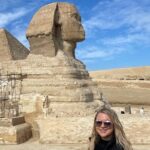
- Stop 2: The Great Sphinx and Why It’s More Than a Statue
- Stop 3: Valley Temple, Mummification, and What Comes After Death
- Price and What You’ll Pay Separately at the Pyramids
- The Real Secret Ingredient: A Guide Who Keeps You Moving
- How to Make the Most of Your 4 Hours
- What This Tour Is Best For (And When It’s Not)
- Should You Book This Pyramids and Sphinx Tour?
- FAQ
- What’s the duration of the tour?
- Is hotel pickup included?
- What’s included in the $29 price?
- Are entry fees included for the pyramids and the Sphinx?
- Which sites does the tour visit?
- What are the opening hours for the tour?
- Is there a mobile ticket?
- Is cancellation free?
Key Highlights at a Glance
- Hotel pickup + AC transport helps you beat Cairo traffic without losing your morning
- Great Pyramid area first for the classic views while light is usually at its best
- Great Sphinx + panoramic viewing spots for photos that don’t feel rushed
- Valley Temple visit adds meaning, not just sightseeing
- Guides like Ibrahim and Nevin often help you handle the sales pressure around the pyramids
Why This $29 Half-Day Pyramids Tour Makes Sense
The Pyramids of Giza are one of those places where you don’t need extra fluff. You need time, clear explanations, and a good route so you’re not zigzagging across the grounds like you’re in a maze designed by time itself.
This tour’s value is simple: you’re paying for guided access to the core monuments—Pyramids of Cheops (Great Pyramid of Giza), the Great Sphinx, and the Valley Temple—without committing to a full day. At around $29 per person, it’s a solid choice if you’re trying to stay efficient while still getting context.
Also, the format matters. Half-day tours can go either way: sometimes you just feel herded. Here, the day is built around the main stops, with a logical flow from pyramid area to Sphinx to the temple site.
One more reason I like it: it’s the kind of tour that works even if you’re not an archaeology expert. You’ll get the basics—who built what, why the Sphinx matters, and what the Valley Temple was for—without turning your morning into a lecture marathon.
You can also read our reviews of more tours and experiences in Cairo.

Hotel Pickup, AC Comfort, and Mobile Tickets
Your morning starts with pickup offered from your hotel in Cairo. That’s not a small detail. Around Giza, getting in and out efficiently saves energy. You’ll also be traveling in an air-conditioned vehicle, which is a big deal in Egypt, especially if you’re going earlier in the day.
You’ll get private transportation, plus bottled water and guiding fees included. That combination is what makes the tour feel practical instead of chaotic. You don’t have to manage logistics while also trying to understand ancient history in the dust.
Another helpful modern touch: the tour includes a mobile ticket. That’s meant to cut down on last-minute paper scrambling and makes your check-in easier.
And yes, this tour is described as suitable for most travelers, which usually means the pace and basics are set up to be manageable for a range of visitors.
Stop 1: Great Pyramid of Giza Area First
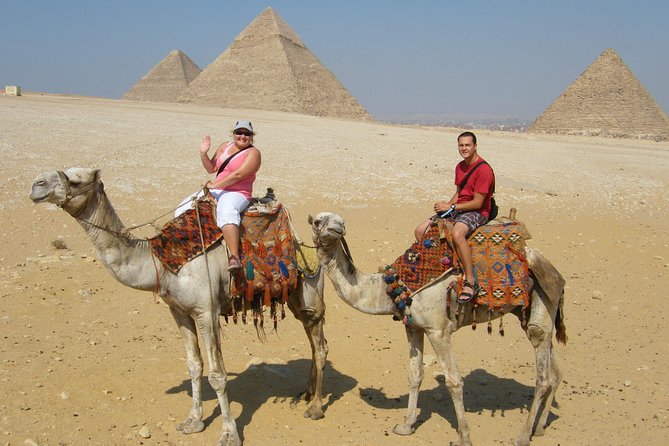
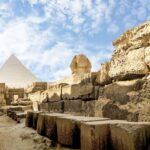
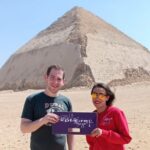
Starting at the Great Pyramid of Giza is the right move. It’s the most famous structure for a reason. This is the Pyramid of Cheops, tied to Egyptian Pharaoh Khofo, and the tour information frames its construction as a long, dedicated project—about 14 to 20 years, dated around 2560 BC.
Even if you’ve seen pictures before, being near the Great Pyramid changes how you understand scale. It’s not just huge; it feels heavy, deliberate, and intentional. If you like “first impressions,” going there early (and with a guide shaping what you notice) helps a lot.
What I’d watch for as you arrive:
- Give yourself a moment before you start taking photos. The pyramid hits harder when you pause.
- Plan your walking like you’re on a windy treadmill. The ground can be uneven, and you’ll want steady footing.
This tour does not include entry fees inside the Great Pyramids, so you may only get access to areas around the monuments, depending on what you choose on the day. That can still be totally satisfying. For many visitors, the best payoff is seeing the pyramid up close and understanding its story—especially if you’re not trying to rush through interior corridors.
Stop 2: The Great Sphinx and Why It’s More Than a Statue
Next up is the Great Sphinx, described as dating to the time of Chephren. The Sphinx is easy to recognize: a pharaoh’s head on a lion’s body. But what makes it worth slowing down for is the purpose.
The tour info notes that this Sphinx was made to guard the pyramids of King Chephren. That’s a different way of looking at it than just “giant statue.” It’s positioned as part of the larger royal complex, connected to the idea of protection and power.
Also, the tour includes a viewing stop at the Panoramic area. This matters because the Sphinx is one of those landmarks that can look different depending on where you stand. Getting to a spot designed for views helps you take better photos and see the relationship between angles, ground, and structure.
Quick practical advice:
- Bring your camera habits under control. The Sphinx area draws constant motion—people, vendors, and photo requests. Aim for a few strong shots instead of a hundred shaky ones.
- If you want photos without stress, ask your guide about the best angles for fewer crowds. That’s where a guide earns their fee.
In the feedback you’ll find names like Ibrahim and Nevin, and both show up in a consistent theme: helping people actually enjoy the area instead of getting stuck dealing with pushy sellers or losing time.
Stop 3: Valley Temple, Mummification, and What Comes After Death
The last major stop is the Valley Temple, belonging to the Pyramids of Chephren. This is the part of the visit that often gets overlooked by people who only chase the most iconic shots.
Here’s why it’s valuable: the tour information explains the temple acted as a place for purification and mummification processes before burial. That gives the site a different emotional tone. You’re no longer just looking at massive stones. You’re seeing part of a system—rituals and preparation—that supported the pyramid complex.
The Valley Temple can also give you a breather from the most intense pyramid viewpoint lines. It’s still a powerful place, but it tends to feel more like a chapter in a story than a single highlight.
If you’re the kind of person who likes when a tour connects dots—builder, purpose, and setting—this stop is where the meaning usually clicks.

Price and What You’ll Pay Separately at the Pyramids
The big headline is the price: $29 per person. For a half-day guide-led tour including hotel pickup, AC vehicle, bottled water, private transport, and guiding fees, that’s strong value.
But don’t let the low cost trick you. Entry fees are not included for the pyramids and the Sphinx, and entry inside the Great Pyramids is also not included. That means your real budget includes two parts:
- The tour price
- The site entry fees you choose to pay on arrival or in advance
For planning, I treat this like a “good deal plus gate fees” situation. If you want interior access or the most complete ticket options, your total cost will rise. If you’re happy with exterior access and the guided context, you’ll likely feel like you got exactly what you paid for.
The Real Secret Ingredient: A Guide Who Keeps You Moving
At the Pyramids of Giza, there’s a lot going on besides stone and sand. Vendors can be persistent. Crowds can slow down your route. And if you don’t know where to stand for photos, you can waste time and get frustrated.
That’s where guide quality shows up in real life. In the feedback tied to this tour experience, names like Ibrahim and Nevin (also appearing as Navin/Levine) come up with a consistent pattern: they’re friendly, they know the place and history, and they often help with the sales pressure around the sites.
I really like this approach because it protects your time. When someone helps you navigate the atmosphere—without being rude or aggressive—you get to enjoy the monument instead of playing defensive.
There’s also a photo side to the guide role. Some guides are reported to know the best spots for photos and even help with posing. If you’re traveling solo, in a couple, or with friends who keep forgetting how to stand for a picture, that can be worth its weight in gold.
How to Make the Most of Your 4 Hours
With a half-day tour, the goal is simple: see the main monuments, get explanations, and avoid feeling rushed. Here are a few ways to help yourself succeed:
- Wear shoes you trust. The sites can be uneven and dusty.
- Keep water handy. Bottled water is included, but you’ll still want to pace yourself.
- Plan for photos in bursts. It’s easy to lose 20 minutes per shot if you’re chasing the perfect angle.
- Ask your guide one question at each stop. For example, at the Sphinx: what does its placement suggest about Chephren’s complex? At the Valley Temple: what was the purification and mummification process meant to do?
Timing is also key. The tour’s opening hours are listed as 7:30 AM to 4:30 PM, Monday through Sunday. In practice, an early start is often more comfortable for seeing and moving. If you’re flexible, mornings usually make your photos look better and your walking easier.
What This Tour Is Best For (And When It’s Not)
This tour fits best if you want:
- A first-time Giza experience without a full day commitment
- A guided route that focuses on the key structures: Great Pyramid, Great Sphinx, Valley Temple
- A lower-cost option that still includes real logistics like pickup and AC transport
It’s also a good choice if you’re traveling with non-experts who want something classic but still meaningful. The Valley Temple stop helps balance “big views” with “why it mattered.”
This may not be your best match if you’re specifically hunting for extended time inside the Great Pyramids. Since entry inside is not included, you might need to add that separately (and you’d need to confirm what’s possible and when).
Should You Book This Pyramids and Sphinx Tour?
If you want a smart, budget-friendly way to hit the highlights in Cairo—and you care about having someone help you manage the day—this is a strong pick. The included pickup, AC ride, bottled water, and guiding fees make it feel like real tour value, not just a “we’ll point you at monuments” situation.
I’d book it if:
- You’re short on time and want a tight route that covers the essentials
- You’d rather spend your energy learning and looking than navigating
- You appreciate guides who help with the day-to-day realities at Giza
Skip or consider alternatives if:
- You’re aiming for interior pyramid access as a core priority
- You know you’ll want much more time than about 4 hours
FAQ
What’s the duration of the tour?
The tour is about 4 hours.
Is hotel pickup included?
Yes, pickup is offered from your hotel in Cairo.
What’s included in the $29 price?
The price includes bottled water, an air-conditioned vehicle, private transportation, and guiding fees.
Are entry fees included for the pyramids and the Sphinx?
No. Entry fees are not included for the pyramids and the Sphinx, and entry fees inside the Great Pyramids are also not included.
Which sites does the tour visit?
You’ll visit the Pyramids of Cheops, Chephren, and Mykerinus areas, the Great Sphinx, a Panoramic viewing area, and the Valley Temple.
What are the opening hours for the tour?
The listed hours are 7:30 AM to 4:30 PM, Monday through Sunday.
Is there a mobile ticket?
Yes, a mobile ticket is included.
Is cancellation free?
Cancellation is listed as free. You can cancel up to 24 hours in advance for a full refund. Within 24 hours, no refund is provided.