REVIEW · CAIRO
Kings of Ancient Egypt : 6 Days Cairo and Luxor Guided Tours & Overnight Train
Book on Viator →Operated by Egypt Best Holidays · Bookable on Viator
Six days, two cities, one big time-travel. This guided loop moves you through Cairo and Luxor with pickup help and a schedule built around the biggest ancient sights, then uses overnight trains to save daylight for temples and tombs. Guides you might be assigned, like Sam and Talaat Abdo (based on past group feedback), are praised for making the history feel clear and for keeping the day moving without chaos.
I particularly like how the tour stacks the iconic monuments in the right order: Giza and the Sphinx first, then the Step Pyramid of Djoser at Saqqara and Memphis, and only after that you shift into Luxor’s temple world. My second big plus is the Luxor pacing, with Karnak in the afternoon, Luxor Temple later, then the West Bank highlights on a separate day.
One consideration: entrance fees are not included, so your final spending will depend on how many tombs you choose to go inside (especially on the West Bank). It’s still great value for the guidance, transfers, and hotels, but you’ll want to budget for entry tickets on top of the $399 tour price.
In This Review
- Key highlights at a glance
- From Cairo airport to your Giza hotel: the easy start
- Giza Plateau and the Sphinx: seeing the headline monuments without rushing
- Saqqara Step Pyramid of Djoser and Memphis: where you see Egypt’s evolution
- Citadel, Coptic Cairo, and the Egyptian Museum: Cairo beyond the pyramids
- Overnight train to Luxor: the smartest way to gain daytime
- Karnak and Luxor Temple: two ways to feel overwhelmed (in a good way)
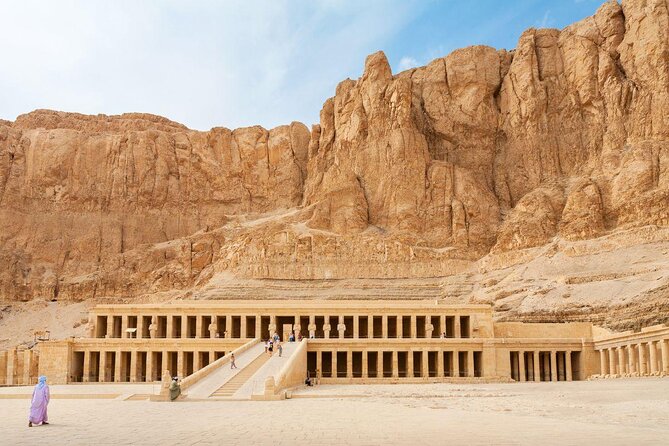
- West Bank day: Valley of the Kings, Hatshepsut, and Colossi of Memnon
- Getting your money’s worth from the $399 price
- Who this tour fits best
- Should you book Kings of Ancient Egypt 6 Days Cairo and Luxor Guided Tours
- FAQ
- What is included in the tour price?
- Are entrance fees included?
- What train do I take between Cairo and Luxor?
- How many nights do I stay in each city?
- How large is the group?
- Is pickup offered from the airport, and is there a transfer on the last day?
- What time do you arrive back in Cairo?
- Can I cancel for a full refund?
Key highlights at a glance
- Small group size (up to 15): easier listening and smoother timing
- Giza + Saqqara + Memphis on Day 2: Egypt in two styles of ancient architecture
- Cairo’s Islamic and Coptic stops: Citadel, Hanging Church, Ben Ezra Synagogue
- Overnight seated trains: practical time-saver between Cairo and Luxor
- Luxor temples in two blocks: Karnak’s columns plus Luxor Temple
- West Bank classics: Valley of the Kings, Hatshepsut at Deir el Bahari, Colossi of Memnon
From Cairo airport to your Giza hotel: the easy start
Your first win is how the trip begins: a guide meets you for the ride from Cairo airport to your hotel in Cairo or Giza. The transfer time is about an hour, and it’s set up to run year-round and 24 hours a day. That matters because jet lag is real, and a smooth first handoff helps you avoid the usual day-one scramble.
You’ll stay two nights at a Giza-area hotel with breakfast included in a private room. If you’re lucky, you may get a pyramid view room. Even if you don’t, being based in the Giza zone is convenient because your most important morning is aimed at the Giza Plateau.
Practical note: bring a little patience for Cairo traffic. A short transfer can still feel longer depending on the day, but having the guide and pickup arranged reduces uncertainty.
You can also read our reviews of more guided tours in Cairo



Giza Plateau and the Sphinx: seeing the headline monuments without rushing
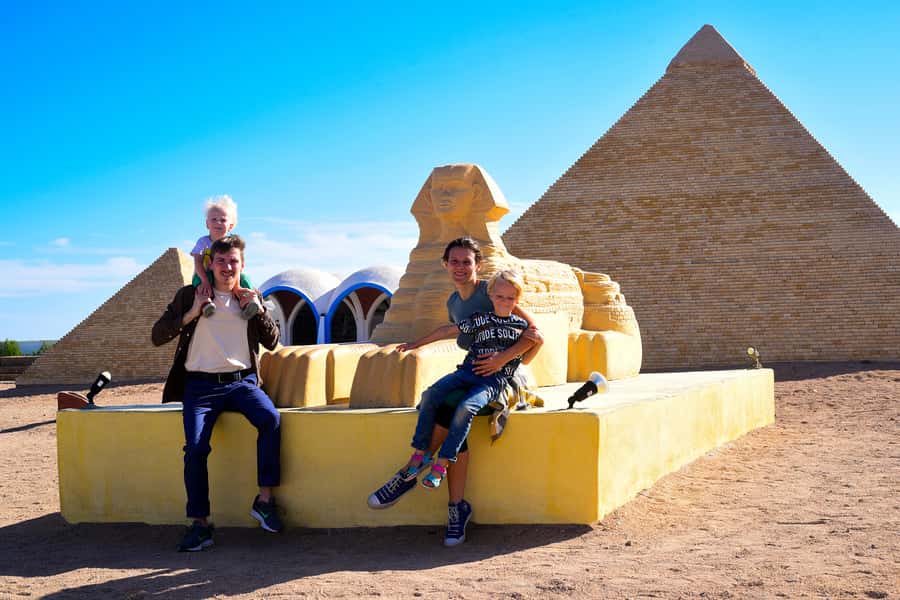
On Day 2, you start after breakfast with a guided visit to the Giza Plateau. Your guide introduces the three main pyramids—Cheops, Chephren, and Mykerinus—then you move through the complex in a way that’s designed to keep context attached to what you’re looking at. Two hours is enough time to see the shapes clearly, understand how the set works, and still get photos without feeling like you’re sprinting.
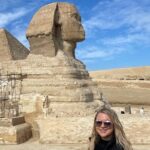
Then comes the Great Sphinx and the Valley Temple, tied to the same ancient complex. The stop is about 45 minutes, and the focus is on what the Sphinx is and what it tells you about pharaonic burial beliefs. This is one of those places where a good guide helps you stop thinking of the Sphinx as a single statue. You start seeing it as part of a planned landscape.
What I like here is that the tour doesn’t treat the pyramids like a quick photo booth stop. With guidance, you understand why these monuments were placed together, and you notice details you’d miss on your own.
Entrance fees for Giza are not included, so this is one of your main add-ons.
Saqqara Step Pyramid of Djoser and Memphis: where you see Egypt’s evolution
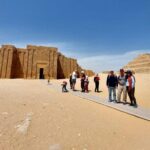
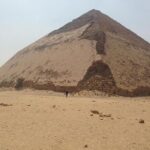
After the Sphinx, the tour shifts to Saqqara for the Step Pyramid of King Djoser. Expect about 1 hour 30 minutes at the archaeological site. Djoser’s Step Pyramid is often described as the world’s oldest major stone structure, and you can feel why: it’s early, bold, and different from the smooth-sided pyramids that steal all the modern attention.
This is also where you get a valuable lesson about time. Day 2 isn’t just about one dynasty’s famous monuments. You’re comparing styles, learning how ideas about building and power developed over centuries.
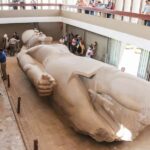
From there, you head to Memphis and the Mit Rahina Museum area, with about an hour for the stop. Memphis is described as a cultural center for over 3,000 years, and even if you keep your expectations realistic about what you’ll see in a museum visit, it gives you a fuller picture of how this region functioned when it wasn’t a postcard.
If you like understanding the “how it changed” part of history, this Cairo day is one of the strongest.
Citadel, Coptic Cairo, and the Egyptian Museum: Cairo beyond the pyramids
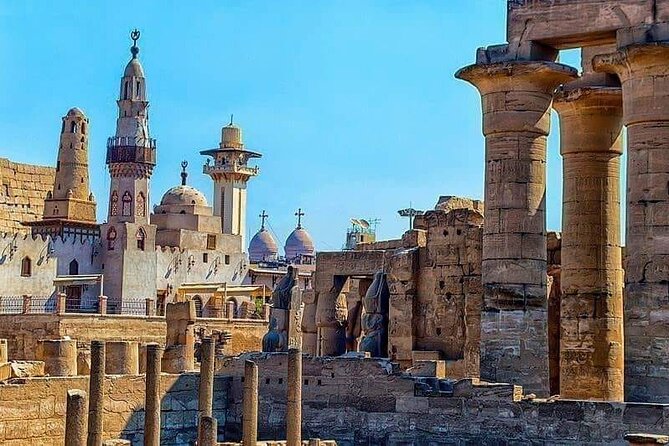
Day 3 is a full-spectrum Cairo day. You’ll start with the Salah El Din Citadel and see the Muhammad Ali Alabaster Mosque. The stop also mentions Al Gowhara palace, built by Mamluks and Ottomans. Even if you don’t go deep on Islamic architecture, the setting helps you grasp how Cairo has layered cultures on top of older civilizations.
Then you head to Coptic Cairo, also called old Cairo, and this is where the mix gets interesting. You’ll see the Roman fortress, the Hanging Church (Al Mo’allaka), St. Sergio’s (connected to the holy family tradition), and the Jewish Synagogue of Ben Ezra. The time window here includes about an hour, so you’ll be moving, but you’ll leave with the sense that Cairo is not one story. It’s many stories living in the same neighborhoods.
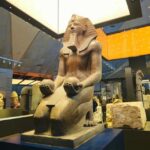
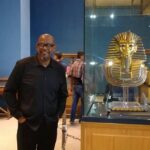
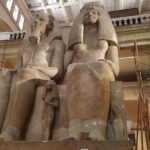
The day ends with the Egyptian Museum downtown for about three hours. The tour indicates you’ll have a chance to visit Tutankhamen-related tomb areas. Exact access can vary in real life depending on what’s open, but the key point for you is the time allocation: three hours is long enough to feel like you actually toured a museum instead of just passing by displays.
Entrance fees for these stops are not included, so plan for that. Also, it’s a long day, and after a night train later, you’ll want to pace yourself with snacks and water.
Overnight train to Luxor: the smartest way to gain daytime
In the evening, you’re transferred to Cairo train station for an overnight seated train to Luxor. The tour is explicit that this is a first-class seated ticket, and that’s important. You’re not stuck on a basic option all night with minimal comfort.
The good part: your daylight in Luxor becomes the priority. Instead of spending another half day traveling, you arrive early enough to start touring right away on Day 4.
There are options if you want different comfort levels. The tour states the train can be replaced by a VIP bus free of charge, or you can upgrade to a sleeper train for $80 extra per person one way in a twin cabin, including dinner and breakfast. If you’re sensitive to sleep, the sleeper upgrade is worth considering because it can change how fresh you feel for Karnak.
A few more Cairo tours and experiences worth a look




Karnak and Luxor Temple: two ways to feel overwhelmed (in a good way)
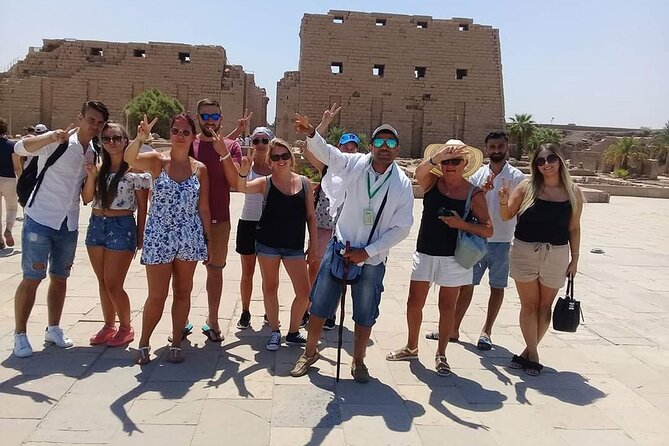
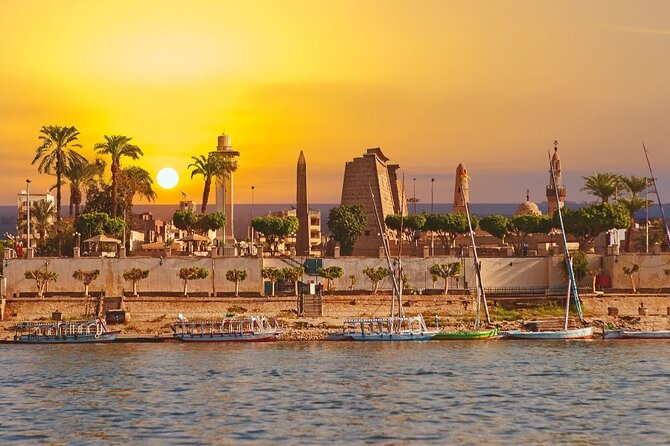
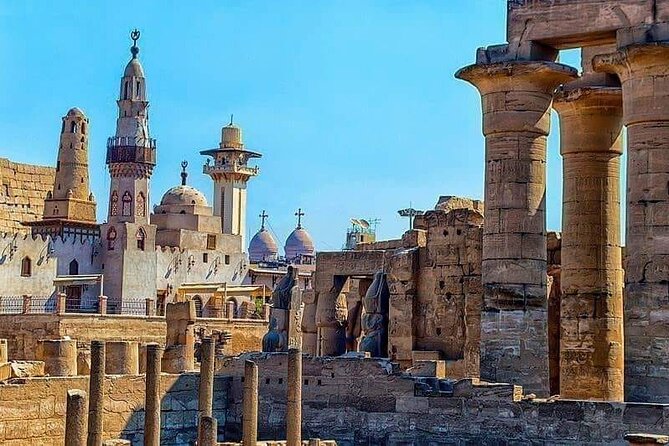
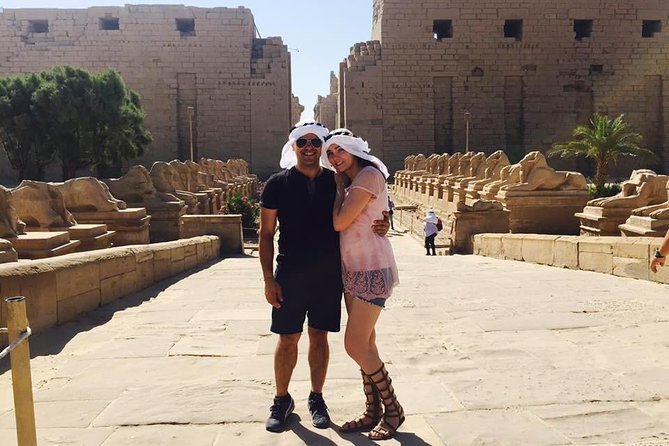
On Day 4, you arrive in Luxor early morning and get picked up for the hotel transfer. After breakfast, the tour continues with Karnak Temple in the afternoon. You’ll get about two hours here, with the highlights called out: the Hypostyle Hall and the Temple of Amun with its papyrus-shaped columns.
Karnak can be dizzying if you show up cold. With a guide, you learn where to look and why the place is built the way it is. The Hypostyle Hall alone teaches you how scale was used as power.
Next is Luxor Temple, about 1 hour 30 minutes. This temple is described as built by many different kings during ancient Egyptian time. That detail is useful for you: instead of expecting one single style or one single era, you approach it as a living monument built up through reigns.
You’ll return to your Luxor hotel and stay the night in a 4-star property with breakfast included.
West Bank day: Valley of the Kings, Hatshepsut, and Colossi of Memnon
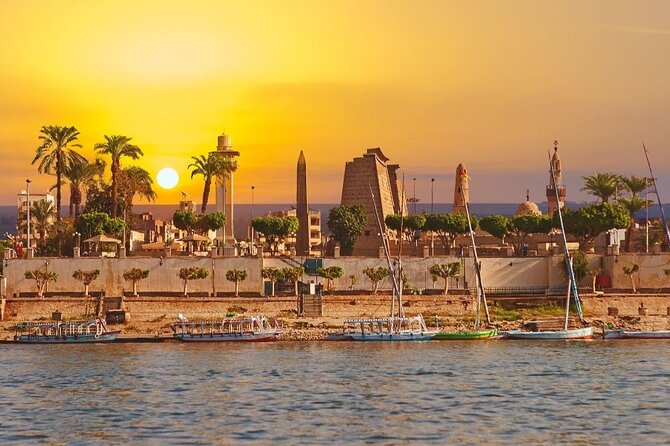
Day 5 is the West Bank day, and it’s structured well: Valley of the Kings first, then Deir el Bahari, then the Colossi.
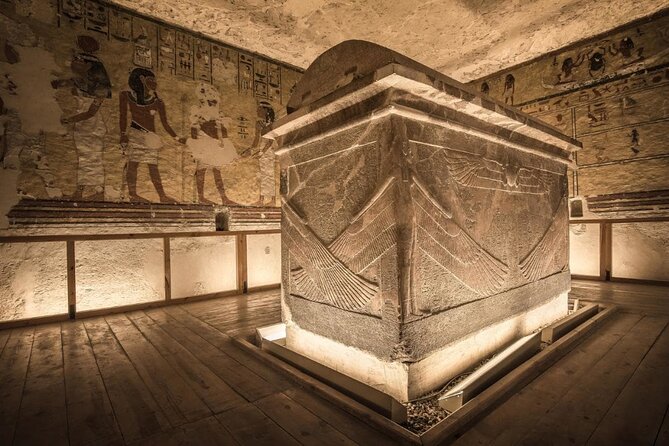
Valley of the Kings is about 1 hour 30 minutes and includes mention of 66 tombs. You won’t see all of them in one outing, but a guided visit helps you choose what’s worth your limited time and teaches you what you’re looking for when you get inside.
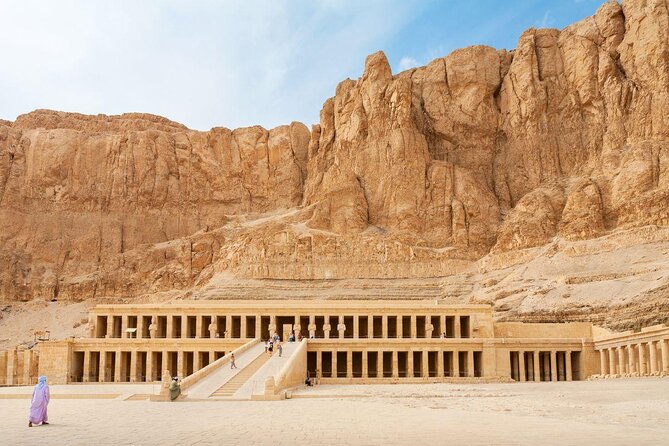
Then you go to the Temple of Hatshepsut at Deir el Bahari for about 1 hour 30 minutes. Hatshepsut’s temple is one of those stops where the setting matters. The arrangement and carvings help you connect the queen’s story to the broader idea of legitimacy and memory in ancient Egypt.
The last highlight is the Colossi of Memnon for about 30 minutes, and interestingly it lists admission as free. Even with a shorter time window, this stop works as a visual bookend. It gives you massive stone presence after the tombs and temple corridors.
In the evening, you’ll head back to Luxor train station for the overnight seated train back to Cairo. The same alternatives apply as on the outbound trip: VIP bus free of charge or sleeper upgrade for $80 extra per person one way with dinner and breakfast.
Getting your money’s worth from the $399 price

At $399 per person for 6 days, the value comes from what’s already handled for you: airport and station transfers, guided sightseeing, two nights near Giza with breakfast, one night in Luxor with breakfast, and first-class seated train tickets round trip between Cairo and Luxor.
Here’s the real trade-off to understand: entrance fees are not included. That’s normal for tours like this, but it does change the final total. Your spending will also depend on how many tombs and special entries you choose during the West Bank portion.
Another plus is the group size limit of up to 15 travelers. Smaller groups usually mean better flow—less time waiting around and fewer communication gaps when a guide is explaining what you’re seeing.
If you want a trip that reduces decision fatigue—where to go, who to meet, how to connect trains, and how to cover Cairo plus Luxor without losing days—this is built for that.
Who this tour fits best
This tour is a good match if you:
- Want guided context for the big monuments instead of self-guided wandering
- Prefer a structured schedule that includes both Cairo and Luxor
- Like the idea of traveling by overnight train to save daytime
It may be less ideal if you:
- Hate long days (Day 3 in particular runs Cairo-heavy before the train)
- Plan to spend lots of time inside specific tombs and want total control, since the tour keeps a set pace
Should you book Kings of Ancient Egypt 6 Days Cairo and Luxor Guided Tours
If your priority is seeing the major headline sites—pyramids, Sphinx, Saqqara, Karnak, Luxor Temple, and the West Bank—while minimizing logistics, I’d book it. The combination of guided stops, hotel nights, and overnight trains is exactly the kind of planning that makes a short Egypt trip feel full instead of exhausting.
Just go in with two mindsets: budget separately for entrance fees, and treat the overnight trains as part of your strategy for gaining sightseeing time. If that sounds good, you’ll end up with a lot of Egypt covered in a way that still gives you meaning behind what you’re looking at.
FAQ
What is included in the tour price?
The price includes airport transfers in Cairo, pick-ups and transfers at Cairo and Luxor train stations, guided tours for the listed sights, expert tour guides, two nights accommodation at a Giza hotel with breakfast, one night in a 4-star Luxor hotel with bed and breakfast, and first-class seated train tickets Cairo to Luxor and back. It also includes transfer to Cairo airport at the end.
Are entrance fees included?
No. Entrance fees to the sightseeing are not included.
What train do I take between Cairo and Luxor?
The tour includes first class seated train tickets for Cairo to Luxor and for Luxor back to Cairo. The schedule also allows alternatives: you can replace the train with a VIP bus free of charge, or upgrade to a sleeper train for $80 extra per person one way with dinner and breakfast.
How many nights do I stay in each city?
You stay two nights at a Giza hotel and one night at a 4-star hotel in Luxor.
How large is the group?
The tour has a maximum of 15 travelers.
Is pickup offered from the airport, and is there a transfer on the last day?
Yes. There’s pickup from Cairo airport to your hotel at the start, and on the final day you’re picked up from the Cairo train station and transferred directly to Cairo airport or another preferred drop-off point in Cairo or Giza.
What time do you arrive back in Cairo?
You arrive at the Cairo train station by 5 AM on Day 6.
Can I cancel for a full refund?
Yes. Free cancellation is offered up to 24 hours in advance for a full refund. If you cancel less than 24 hours before the experience starts, the amount paid is not refunded.