REVIEW · HURGHADA
Hurghada: Small-Group Luxor Highlights & Tut Tomb Day Tour
Book on GetYourGuide →Operated by Nice Tours · Bookable on GetYourGuide
One long day with four big wow stops. This small-group day tour strings together Luxor’s top ancient sights—Karnak, the Valley of the Kings, and more—starting with a hotel pickup in Hurghada and finishing back at your doorstep at night.
I love how the plan mixes major landmarks with real time to understand what you’re seeing, not just a stamp-collecting loop. Two things I especially like are the Egyptologist-guided visits and the optional Nile felucca ride, which gives you a calm reset after the heat and crowds.
One consideration: it’s a long ride day. You’ll spend about 5 hours each way on the road, so you’ll want comfy clothes and patience for traffic and desert glare.
In This Review
- Key highlights worth circling
- Hurghada to Luxor: A 15-hour day built on real transport time
- Karnak Temple: Seeing Egypt’s biggest complex without getting lost
- Lunch in Luxor: The break that keeps the day enjoyable
- Colossi of Memnon: Iconic statues where the day slows down
- Valley of the Kings: Tombs, stories, and choosing what matters
- Hatshepsut Temple: Why this stop feels different from the others
- Optional felucca on the Nile: The calm you’ll be grateful for
- Tutankhamun Tomb add-on: When it’s worth paying for the extra stop
- Skipping the ticket line and what that actually means for your day
- Small-group comfort: How the tour handles the long road and hot sites
- Price and value: Is $105 a fair deal for Luxor highlights?
- Who should book this Luxor day trip (and who should skip it)
- Should you book: Hurghada to Luxor highlights with Tut option?
- FAQ
- How long is the Hurghada to Luxor day tour?
- What does hotel pickup and drop-off include?
- Are temple entrance fees included?
- Is the felucca ride included?
- Do I need to pay extra for the Tutankhamun Tomb?
- What languages are available for the live guide?
- What should I bring for the tour?
Key highlights worth circling
- Karnak Temple: Egypt’s largest temple complex, explained with clear context so it makes sense.
- Valley of the Kings: royal tombs plus stories that connect the sites instead of listing dates.
- Hatshepsut Temple: one of the most striking monuments to Egypt’s famous female pharaoh.
- Colossi of Memnon: iconic standing statues where you can slow down for photos.
- Optional felucca on the Nile: a peaceful break with skyline views from the water.
- Tutankhamun Tomb option: if you want the big-name stop, this can be added to your day.
Hurghada to Luxor: A 15-hour day built on real transport time
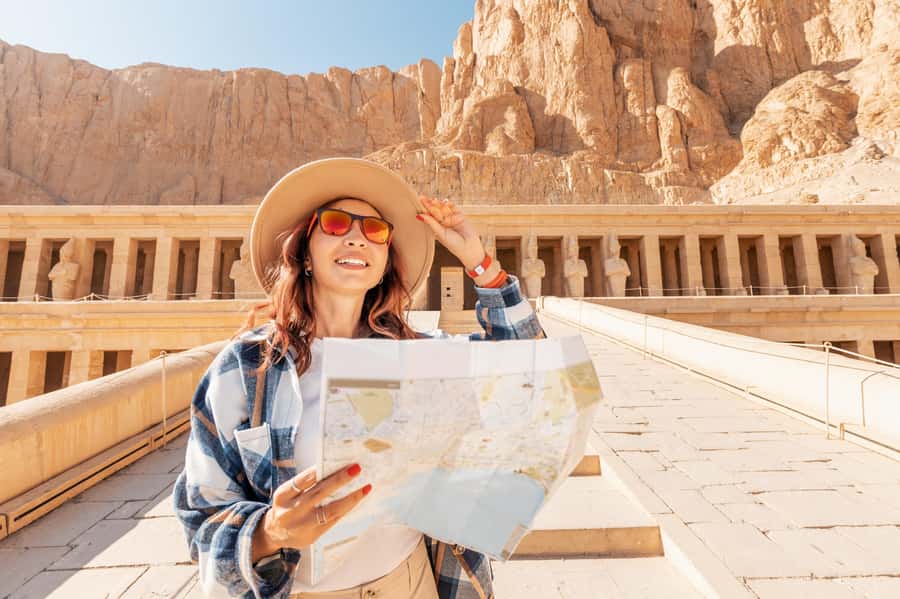
Let’s talk logistics up front, because this tour is basically a trade: you give up a chunk of travel time from the Red Sea to get a full Luxor highlights day. The schedule is built around about a 5-hour drive each way by A/C minivan or bus, with pickup and drop-off from your Hurghada hotel.
Once you’re in Luxor, the day feels more concentrated. You visit standout sites in a logical order, with a lunch break in the middle. Along the way, the tour includes snacks, soft drinks, and water, which matters on a hot day when you’re trying to stay focused.
The big “make-or-break” for your comfort is simple: bring what they ask for. Comfortable shoes and sunscreen are non-negotiable. They even suggest a pillow, which is a clue that the drive can feel long enough to benefit from small upgrades.
You can also read our reviews of more tours and experiences in Hurghada.

Karnak Temple: Seeing Egypt’s biggest complex without getting lost
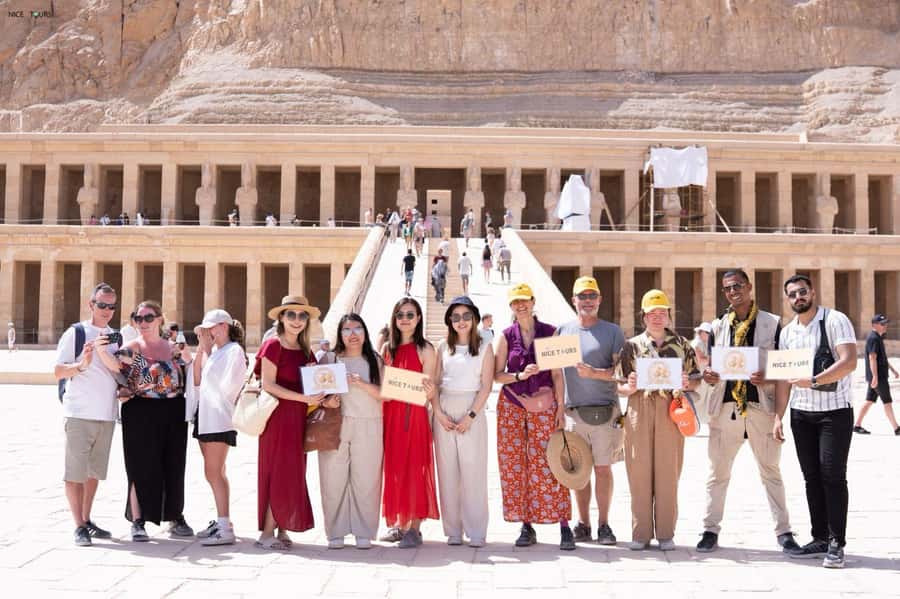
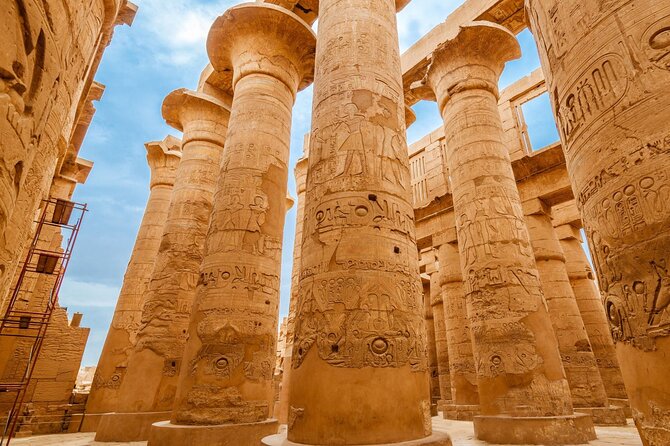
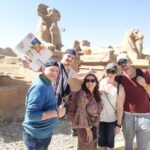
Karnak is the kind of place where you can walk in circles and still be confused. That’s why I like that this tour starts there with an Egyptologist guide. You’re not just looking at giant walls. You’re learning how the complex grew, how different rulers left their mark, and what the layout is meant to communicate.
The effect is practical: you start noticing patterns. Columns and doorways stop being random “ancient stuff” and start feeling like a message carved into stone. You also get help navigating the site so you don’t waste your limited time in the parts that don’t click for you.
From a pacing point of view, Karnak is usually one of the easier stops to enjoy, because there’s plenty to photograph and plenty to stare at. Even so, it’s a big site. If you’re the kind of person who needs quiet moments to process, plan on asking your guide for a short pause so you can look without rushing. On past departures, guides were praised for giving time for photos and videos rather than herding people like cattle.
One possible drawback: with a full-day schedule, Karnak can’t be “all day.” If you prefer slow museum-style wandering, you may find the pace a bit tight. The upside is that you get a full Luxor hit list instead of one temple and a lot of waiting.
Lunch in Luxor: The break that keeps the day enjoyable
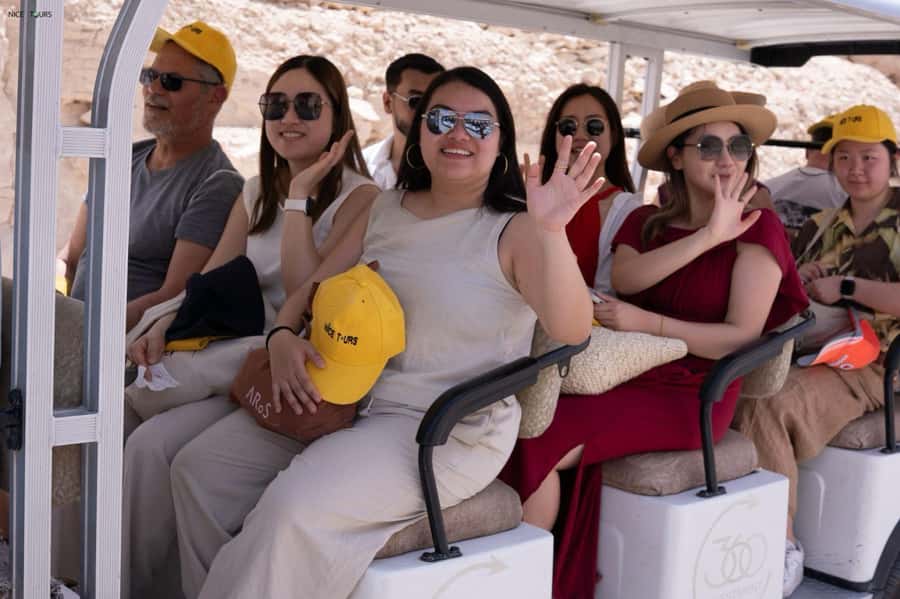
After Karnak, you get lunch at a local restaurant in Luxor. This matters more than it sounds. When your day begins with an early pickup and includes long travel, food becomes fuel and morale.
The tour includes lunch, and in the day-to-day details from past guests, the lunch was described as surprisingly good. That’s a real win on tours, where meals are sometimes the weak point.
What you should expect to manage: drinks at the restaurant aren’t included. So if you like soda, juice, or extra water beyond what’s provided on the tour, budget for it. The good part is that the tour provides snacks and water to help smooth out the time gaps between stops.
If you’re traveling with kids, this break can be a lifesaver. One family highlight was how guides kept the day engaging, and a proper lunch helps children keep the energy for the tombs and temples later on.
Colossi of Memnon: Iconic statues where the day slows down
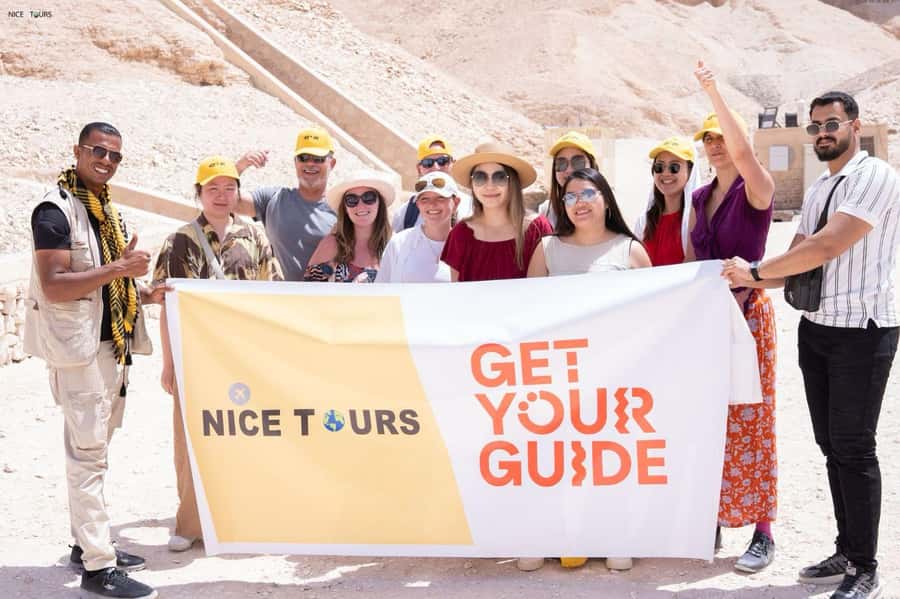
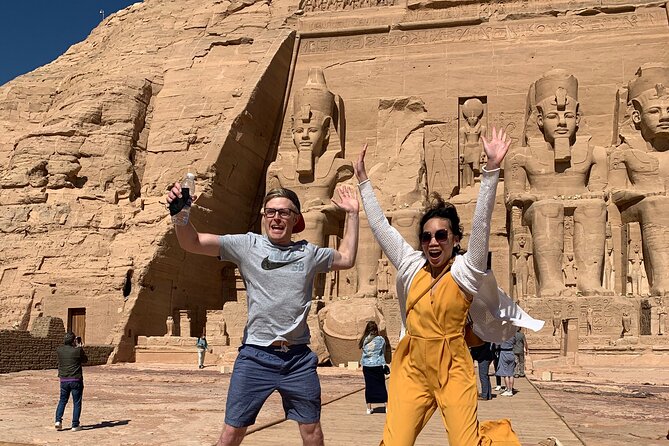
Next comes a classic photo stop: the Colossi of Memnon. These are two towering statues that have guarded the Theban Necropolis for centuries, and they’re the kind of monument where even a quick stop feels meaningful.
What makes this stop worth it on a full-day itinerary is timing. By the time you reach the statues, you’ve already done Karnak and you’ve had lunch. That means you’re more ready to appreciate a moment that’s less “busy” and more about scale.
Also, the Colossi are a good reset before the tomb focused portion of the day. The lighting can be strong, so bring sunglasses and think about shade whenever possible. If you’re someone who loves taking photos, this is one of the easiest places to grab pictures without needing to understand every carved detail.
From the value perspective, it’s a short but iconic stop, and your guide’s context helps you see why these statues are still famous today.
Valley of the Kings: Tombs, stories, and choosing what matters
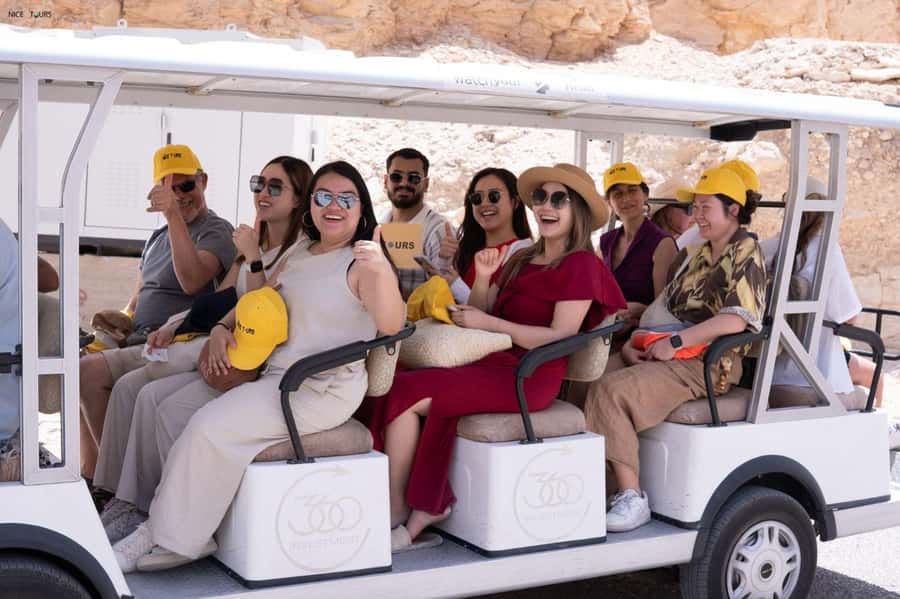
The Valley of the Kings is the big-ticket site for most people. It’s where many pharaohs were buried, and the tour approach here is what I call “story first, details second.” Your Egyptologist guide shares the significance of the royal tombs, which helps you connect what you see to the bigger picture.
In this part of the day, your best strategy is to decide what you want from the tomb experience:
- If you want the emotional wow, focus on the main tomb concept and how the place functioned as royal burial space.
- If you want maximum “I get it now” context, listen for the guide’s explanations so the symbols and architecture aren’t just random carvings.
There’s also an option to include the Tutankhamun Tomb, but it’s only if you select that add-on. If your goal is the most famous name in Egyptian archaeology, selecting the Tutankhamun option can be worth it because it adds one more layer to the Valley visit. On the other hand, if you’d rather use your time to see a broader range of what’s included, you might feel good with the standard Valley stop and use that time for better pacing elsewhere.
A practical tip: tomb interiors can feel cooler than the outside glare, but the overall area can still be intense in heat. Wear breathable clothes and keep your water close. Guides were praised for thoughtful timing and for planning information in ways that didn’t turn the day into a lecture.





Hatshepsut Temple: Why this stop feels different from the others
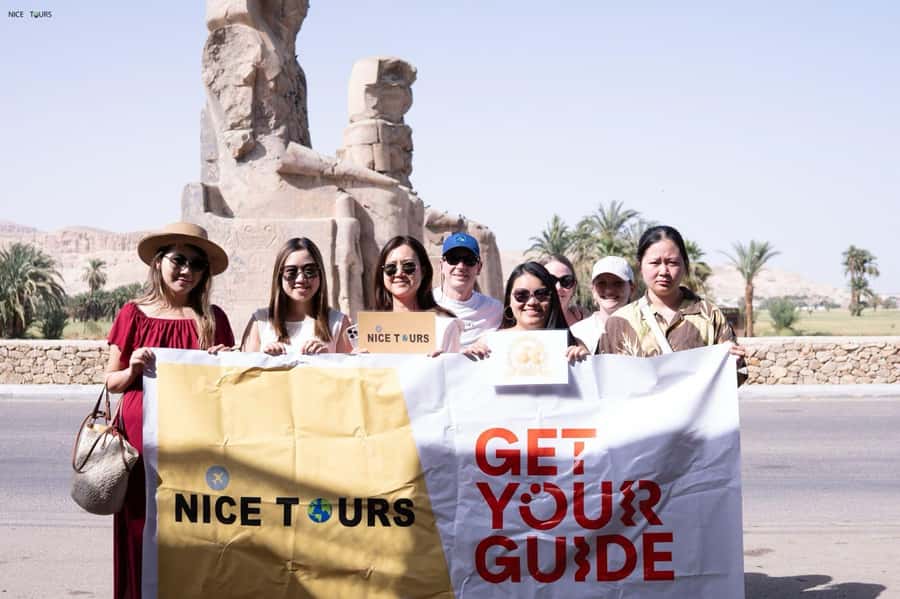
The Temple of Hatshepsut is one of the most satisfying visits on this route because it’s not just about size. It’s about point of view. Hatshepsut was Egypt’s famous female ruler, and the temple built in her honor comes with a different energy than a standard kings-only story.
Guides reportedly take time to explain what you’re looking at, and that’s key here. When you understand the ruler and the purpose of the monument, the architecture becomes more than impressive walls. It becomes a statement: who had power, how they wanted it remembered, and how the site fits into the broader Theban story.
From a photography perspective, this temple often gives you angles that feel more open than the Valley tombs. That can be a relief after enclosed spaces. It also tends to be a strong “wrap your head around Egypt’s complexity” stop, because it broadens the narrative beyond the most obvious male pharaoh names.
Optional felucca on the Nile: The calm you’ll be grateful for
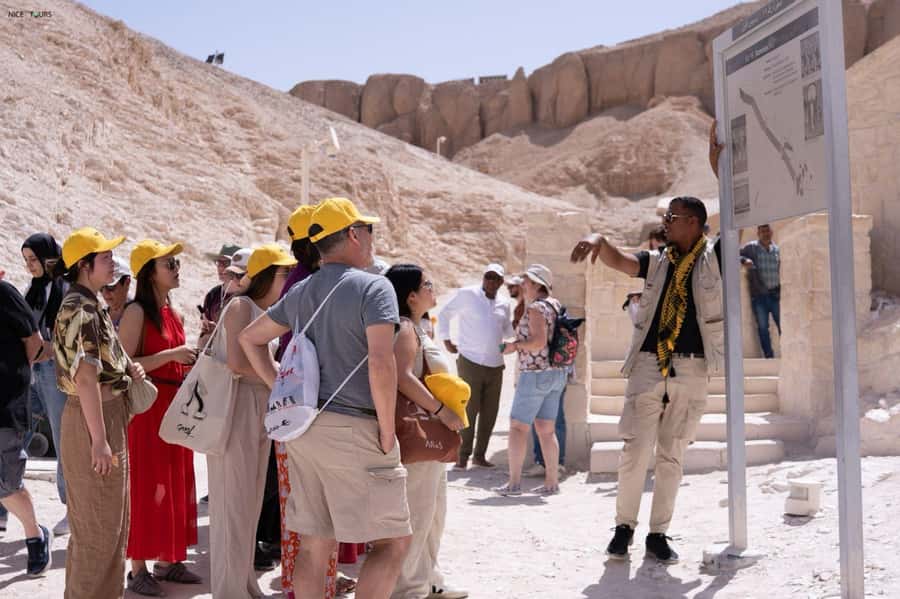
If you add the felucca ride option, you get something the rest of the day can’t provide: stillness. After temples and tombs, the Nile water gives your mind room to rest.
This ride is described as a peaceful and scenic break, with views of Luxor’s landmarks from the water. Even if you’re not a “boat person,” it’s a nice way to turn the day from a nonstop sightseeing list into an experience with rhythm.
One practical note from real-life feedback: some people felt the boat experience would be better under sail rather than with an engine. You can’t control the ride style once you’re there, but choosing the felucca option is still one of the best ways to balance the day.
If the heat is intense during your visit, this is also where you’ll feel the benefit of being near water. Your skin may not thank you, but your mood will.
Tutankhamun Tomb add-on: When it’s worth paying for the extra stop
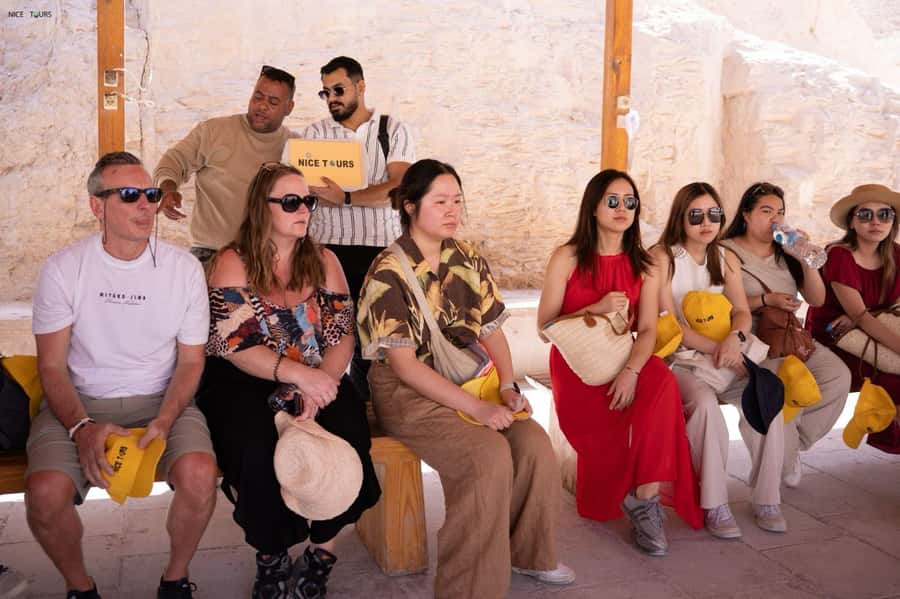
The tour is built around major highlights, but the Tutankhamun Tomb is only included if you choose that option. So the question is simple: do you want the big name, even if it means adding more time in a high-demand setting?
For many people, the answer is yes. Tutankhamun is the one tomb name most travelers already know, and the add-on turns your Valley of the Kings visit into a more complete “top of the pyramid” experience.
But if you prefer flexibility—more time to breathe between sites, more room for photos, or fewer time-sensitive moments—then you might skip the add-on and put that value into enjoying what’s already included.
Either way, your guide’s explanations matter. Past comments praised guides for not drowning people in endless dates, instead focusing on what you need to understand to appreciate what you see.
Skipping the ticket line and what that actually means for your day
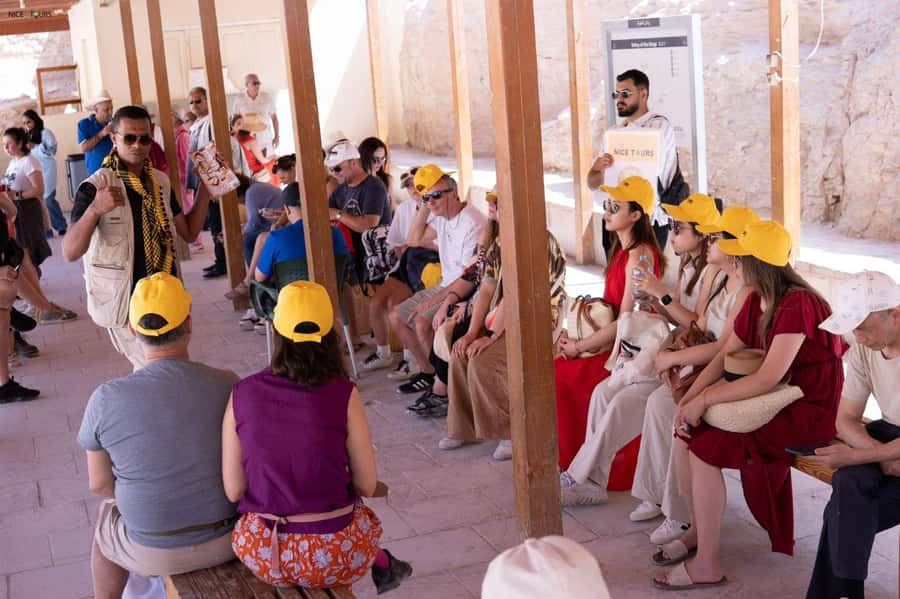
You’ll be able to skip the ticket line. That’s a small line item on paper, but on the ground it affects your stress level. Waiting in heat while other groups shuffle forward is not a fun use of your day.
Skipping the ticket line doesn’t magically make everything fast. You still have to move between sites, handle sun, and keep your group together. But it does help you keep your momentum—especially important when you’re doing a long-distance day trip out of Hurghada.
The “time feel” of the day is also influenced by how your Egyptologist manages pacing. In feedback, guides were praised for keeping things organized and for leaving time for photos and video. That’s a big deal if you want a day that feels like sightseeing, not rushing.
Small-group comfort: How the tour handles the long road and hot sites

This is a shared tour, and the title calls it small-group, which lines up with reports of small groups like three people. Smaller groups help in two ways: you get more interaction with the guide, and you spend less time trying to keep everyone moving.
You’ll also get A/C transportation for the drive. That can’t remove the fatigue of a long day, but it keeps you from arriving sweaty and fried. The tour includes snacks, soft drinks, and water, plus lunch.
If you’re the kind of traveler who hates being caught without essentials, you’ll appreciate that they’re not leaving you completely on your own. They also remind you to bring a mix of essentials: passport or ID, sunglasses, sun hat, sunscreen, and even cash.
One detail I’d watch: if you’re traveling as a larger group, seating and comfort can vary depending on the vehicle that day. Past feedback included a complaint about taxi driving style and extra seating not being offered. That’s not something you can forecast perfectly, so focus on the parts you can control: travel light, hydrate, and wear breathable clothing.
Price and value: Is $105 a fair deal for Luxor highlights?
At $105 per person for a 15-hour day, you’re paying for three main things: the transport out of Hurghada, guided visits, and the heavy-hitter sites. The long drives add real cost, and that’s why this isn’t the cheapest way to see Luxor—but it also isn’t just a quick bus tour either.
Here’s where the value gets practical:
- You get an Egyptologist guide for major stops.
- The tour includes lunch plus snacks, soft drinks, and water.
- You get skip-the-line support.
- Entries like Karnak, Hatshepsut, and Valley of the Kings are included only if you select the entrance fees option.
So your final value depends on which option you choose. If you’re aiming to avoid surprise costs later, select the entrance-fees option. If you’re keeping costs low, you can adjust based on what you already plan to pay for.
Also, the optional add-ons matter. The felucca ride and Tutankhamun Tomb option can turn this into a more rounded day, but they also add cost. Think of it like this: you’re buying time with experiences, not just time on a bus.
Who should book this Luxor day trip (and who should skip it)
This tour suits you if:
- You want a structured Luxor day from Hurghada with major sites in one go.
- You appreciate an Egyptologist guide who explains what you’re seeing.
- You like the idea of optional add-ons like felucca and possibly Tutankhamun without planning your own logistics.
You might choose something else if:
- You hate long travel days and prefer overnight time in Luxor.
- You’re the type who needs hours at one site. This plan compresses multiple highlights into one schedule.
- You’re very sensitive to heat. The day can be intense, even with breaks and included water.
For families, the small-group feel and guide personality often makes a difference. Multiple guides were praised for engaging kids and helping everyone stay comfortable, including thoughtful care when sunburn happened.
Should you book: Hurghada to Luxor highlights with Tut option?
I’d book this tour if your goal is a high-impact Luxor day without the hassle of organizing transport, timed entries, and guidance from scratch. Karnak + Valley of the Kings + Hatshepsut is a strong combination, and the optional felucca ride is the kind of counterbalance that makes the day feel human, not mechanical.
If you do book, I’d choose the entrance fees option to keep costs predictable, and I’d seriously consider the Tutankhamun Tomb add-on only if that specific stop is on your must-see list. Then pack for the heat, wear shoes you can stand in, and plan to let the guide do the heavy lifting on meaning.
This is the kind of tour that works best when you treat it like a full-day adventure, not a casual stroll.
FAQ
How long is the Hurghada to Luxor day tour?
The total duration is 15 hours, including roughly 5 hours driving each way between Hurghada and Luxor.
What does hotel pickup and drop-off include?
Pickup and drop-off are from your hotel in Hurghada, using an A/C minivan or bus.
Are temple entrance fees included?
Temple entry for Karnak, the Valley of the Kings, and Hatshepsut is included only if you select the option that includes entrance fees.
Is the felucca ride included?
The felucca ride is optional. It’s included only if you add it to your booking.
Do I need to pay extra for the Tutankhamun Tomb?
The Tutankhamun Tomb visit is included only if you select the option for it.
What languages are available for the live guide?
The live tour guide is available in Arabic, English, French, German, and Spanish, with a Spanish guide available as an add-on.
What should I bring for the tour?
Bring your passport or ID card, comfortable shoes, sunglasses, sun hat, sunscreen, and comfortable clothes. They also suggest cash and a pillow.