REVIEW · ASWAN
Dahabiya Nile Cruise: Aswan to Luxor – 4 Days/3 Nights
Book on Viator →Operated by Tour Egypt Club - Private Day Tours · Bookable on Viator
Small ship, big Egypt energy.
This Aswan-to-Luxor Dahabiya route pairs major temple highlights with slow Nile sailing and early-morning moments you just don’t get on big motorboats. You’ll start with Philae and Isis, hit Kom Ombo and Edfu, then swing into El Kab before finishing on Luxor’s West Bank and Karnak.
What I like most is the comfortable, small-boat feel—think quieter cabins, communal meals, and a sundeck where sunrise is part of the plan. Second, you get real guidance: your Egyptologist can explain the stories behind the sites, and many groups specifically praise guides like Salem or Ahmed (and even onboard care from people such as chef Osama or organizers like Salma and Hayam) for answering questions and making temples click.
One drawback to plan around: you’ll be on your feet in multiple temple stops, and even though the cruise part is relaxed, the day-to-day schedule can feel full. Also, the trip depends on good weather, so if conditions are poor, dates can shift.
In This Review
- Key highlights you’ll feel fast
- A Dahabiya rhythm: what 3 nights onboard really changes
- Day 1: Aswan pickup, Philae Temple, and a countryside walk on a small Nile island
- Day 1 afternoon: Kom Ombo’s crocodile god setting and two-god temple layout
- Day 2: Sunrise on the sundeck, Gebel el-Silsila rock chapels, then Edfu Temple of Horus
- Day 3: El Kab and Nekheb—tombs cut into cliff faces (and why this stop feels quieter)
- Day 4 in Luxor: Valley of the Kings (3 tombs), Hatshepsut, Colossi of Memnon, and Karnak
- Valley of the Kings: three tombs, minus Tutankhamun
- Deir el Bahari: Temple of Queen Hatshepsut
- Colossi of Memnon
- Karnak Temple: Amun’s long reign over the complex
- Price and value: why this itinerary costs what it costs
- Who should book this cruise (and who might want a different fit)
- Should you book the Dahabiya Aswan to Luxor 4 Days/3 Nights?
- FAQ
- What are the dates and total length of the cruise?
- Where does the tour start and where does it end?
- Is pickup included?
- What’s included in the price?
- Are entrance fees included for the temples and tombs?
- What meals are included?
- Is this tour private?
- Do you visit the Tomb of Tutankhamun?
- What happens if weather is bad?
Key highlights you’ll feel fast
- A Dahabiya pace that makes the Nile feel personal, not rushed
- Philae, Kom Ombo, and Edfu in one clean historical arc
- Edfu Temple of Horus paced after an early start for a calmer visit
- El Kab (Nekheb) for cliff-cut tombs and a more grounded, less touristy vibe
- Luxor’s West Bank trio: Valley of the Kings tombs, Hatshepsut, and the Colossi of Memnon
- Karnak Temple with time to actually take it in, not just pose and leave
A Dahabiya rhythm: what 3 nights onboard really changes
On a Dahabiya, the Nile isn’t just scenery. It’s the schedule. Mornings start with you waking up to river life, then the day’s temples unfold with a guide and set times, not endless waiting. Even the slow sail moments matter because they break up the intensity of ancient sites.
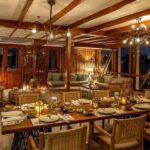
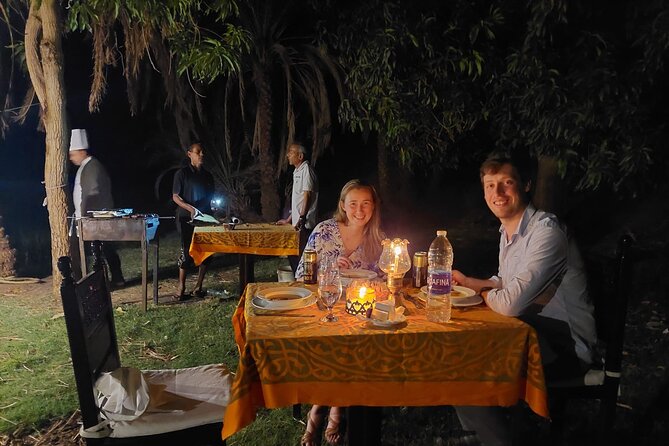
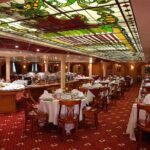
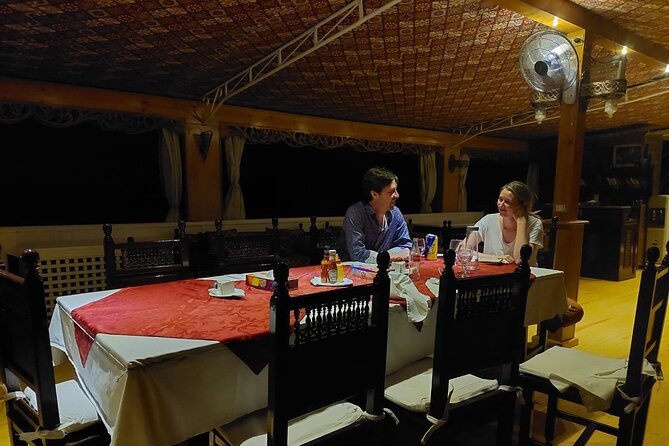
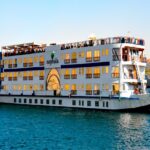
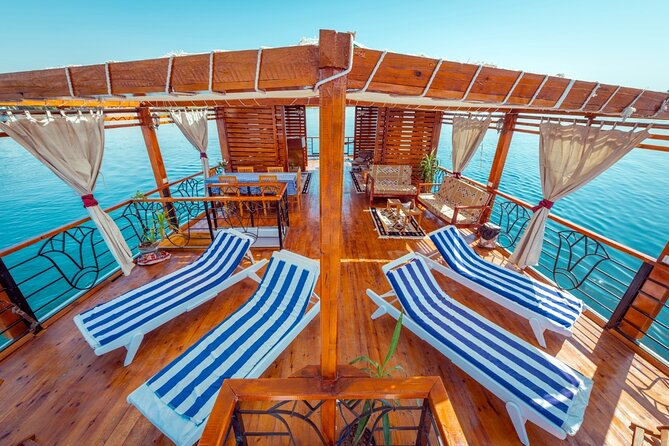
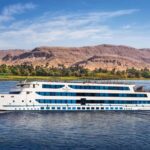
The boat setup here is built for comfort and group togetherness: you get full board on board (meals are included), plus tea and coffee and natural water. Many guests talk about the cosy, well-kept cabins and common spaces—exactly what you want after a day walking stone steps and standing under bright sun.
One practical note: on this kind of cruise, the boat movement can be calm and quiet. In at least some real-world cases, sailing may be assisted or replaced by towing at times. That usually means fewer engine jolts and a more restful night—useful if you’re the type who gets seasick, or you just want sleep that feels like sleep.
This itinerary also benefits from small-group dynamics. Since it’s a private tour/activity (just your group), the Egyptologist can tailor pacing and answer questions without feeling like a lecture for 40 people. If your guide is one of the staff many guests praised—names that came up include Salem, Mohammed Salem, Ahmed, Iman, Mohammed, and Aref—you’ll likely get clear explanations and patient back-and-forth.
You can also read our reviews of more boat tours in Aswan
- 4-Days Nile Cruise From Aswan To Luxor including Abu Simbel and Hot Air Balloon
★ 5.0 · 3,142 reviews
Day 1: Aswan pickup, Philae Temple, and a countryside walk on a small Nile island

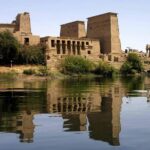
Your tour starts in Aswan with pickup from your hotel, station, or airport. That matters more than it sounds: you’re not trying to navigate taxis and timing on day one after travel days. The plan then sends you with an Egyptologist to the Temple of Philae, dedicated to Isis.
Philae is one of those Egyptian sites where the setting does half the work. You’re not just reading carvings—you’re seeing how the temple belongs to the river world. The stop is scheduled at about 4 hours including admission, so you don’t feel like you’re sprinting through.
After the temple visit, you board the Dahabiya. This is where the day shifts gears from city and temples into river time. Instead of rushing to the next location, the first sailing takes you to a small Nile island where you get a walk in the surrounding countryside. It’s a simple change, but it helps you reset. You go from stone gods to real river banks, birds, and daily rural life.
After lunch onboard, you continue sailing toward Kom Ombo. That afternoon handoff is part of the value here: meals are handled, water and tea/coffee are included, and you don’t spend the day zig-zagging between logistics.
Day 1 afternoon: Kom Ombo’s crocodile god setting and two-god temple layout
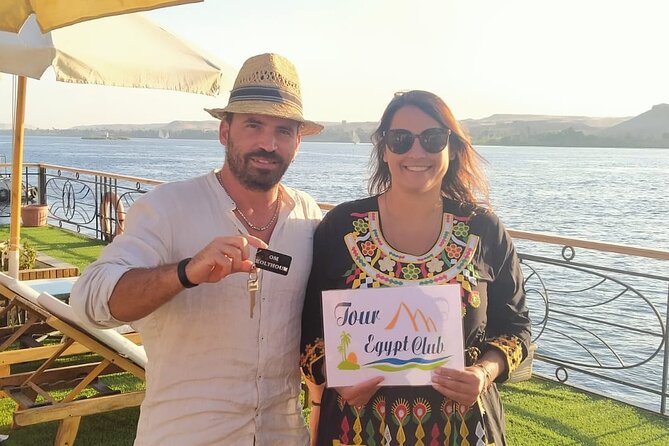
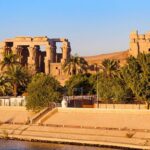
Kom Ombo is beautifully sited—on a promontory at a bend in the Nile—and that geography is central to why this stop feels different. The temple is dedicated to two deities: Sobek, the crocodile god, and Haroeris (Horus the Elder). It’s also one of Egypt’s “two-for-one” temple designs: you get the sense of paired worship spaces, not just a single cult.
The timing here is tight in a good way. You’ll visit with admission included, then move back into cruising mode toward Gebel el-Silsila. That means you’re not stuck in one location too long or bouncing between far-flung sites without breathing room.
If you care about photos, this is a stop where light helps. The temple sits above the river, so you can usually capture both stone details and the broader view. Just keep your expectations realistic: this is a major site, so you’ll want to arrive early in the day or keep moving with your guide’s suggested route.
Day 2: Sunrise on the sundeck, Gebel el-Silsila rock chapels, then Edfu Temple of Horus
Day two is the “wow, I’m really on the Nile” day. The itinerary builds a sunrise moment: you relax on the sundeck, then enjoy breakfast. That’s a rare luxury when most Egypt sightseeing days begin with transport hassles.
After breakfast, you start sailing and first stop at Gebel el-Silsila. This isn’t just “another temple.” It’s tied to rock-cut chapels and sandstone quarries. You’ll see named royal figures linked to the place: rock-cut chapels of Horemheb, Seti I, Ramses II, and Merenptah. If you like understanding how rulers left marks across landscapes, this is a strong anchor point. You’re seeing the material the Egyptians used and the power expressed through carving.
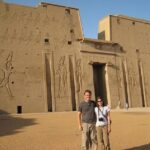
Then the day moves to Edfu, where you’ll meet your guide and visit the Temple of Horus. Your timing is about 2 hours here with admission included, and the key reason this temple matters is simple: it’s considered one of the best-preserved cult temples in Egypt.
Edfu is dedicated to Horus, and your guide should connect what you see to the myths—Horus avenged Osiris by defeating Seth. That myth link is important because it changes how you read the carvings. Without explanation, you might see walls. With explanation, you start noticing patterns: episodes, symbols, and the logic of the temple’s visual storytelling.
After Edfu, you moor for the night at Besaw Island. That’s one of those small details that makes the cruise feel real. You’re not just checking off monuments—you’re changing where you sleep and watching the river at different angles.
Day 3: El Kab and Nekheb—tombs cut into cliff faces (and why this stop feels quieter)
Day three starts with sailing after breakfast toward El Kab. On arrival, you’re met by your personal guide and taken to El Kab, which was the ancient town of Nekheb.
El Kab is special because of its archaeology style. Instead of giant open hypostyle halls, you get remains of temples and tombs cut into the cliffs. That vertical quality makes the place feel older and more rugged. You’ll spend about 2 hours here with admission included, which is enough to walk, pause, and let the scale sink in.
There’s also a stop listed as Eileithyiaspolis earlier in the day. Even without a long site explanation, it signals that your sailing route is part of the experience—not just transfer time.
After the El Kab visit, you return to the Dahabiya and start sailing toward Esna. This is the “we’re closing the loop” day. You’re moving from the upstream temple sites into the final push for Luxor’s big-name highlights.
If you’re a person who likes variety, you’ll probably appreciate this day most. The World Heritage-famous temples are great, but El Kab adds a different texture—less postcard, more archaeology-in-place.
A few more Aswan tours and experiences worth a look
Day 4 in Luxor: Valley of the Kings (3 tombs), Hatshepsut, Colossi of Memnon, and Karnak
Day four is a packed but well-sequenced West Bank and Karnak finish. After breakfast, you check out of the Dahabiya, then ride by air-conditioned vehicle with your personal guide.
First, there’s a 2-hour segment in Luxor with admission-free time. In practice, that usually means repositioning and getting you lined up for the day’s sightseeing without stress.
Valley of the Kings: three tombs, minus Tutankhamun
The itinerary focuses on the Valley of the Kings, where you’ll visit 3 tombs. Importantly, it notes these are tombs excluding King Tutankhamun. If Tut’s tomb is your personal must-see, this is the one schedule mismatch to know early.
Even with three tombs, the day doesn’t become a blur if your guide keeps moving at a good pace. Tomb interiors are where you’ll want to slow down: ceilings, walls, and the visual storytelling. The guide’s explanations matter here because tomb art can look repetitive until someone helps you spot what’s meaningful.
Deir el Bahari: Temple of Queen Hatshepsut
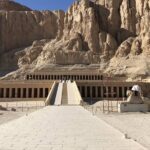
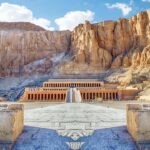
Next comes the Temple of Queen Hatshepsut at Deir el Bahari. This stop is about 1 hour with admission included. It’s a temple that rewards the “pause and look” behavior. You’ll notice how the design steps back and how the structure fits the valley.
If you’ve learned to watch for who built what, Hatshepsut’s story will give the temple context. She ruled about 20 years in the 18th Dynasty, and the itinerary calls her the only pharaonic woman who reigned ancient Egypt.
Colossi of Memnon
Then you stop at the Colossi of Memnon, described as two massive statues representing Amenhotep III. You get about 30 minutes with admission included. They’re the kind of monument where the scale hits you fast—even if you’ve seen them in photos, standing close is different.
Your guide may also point out that excavations behind the colossi can be seen during the visit. Even if you don’t go looking, it helps explain why the site still feels “alive” rather than frozen in time.
Karnak Temple: Amun’s long reign over the complex
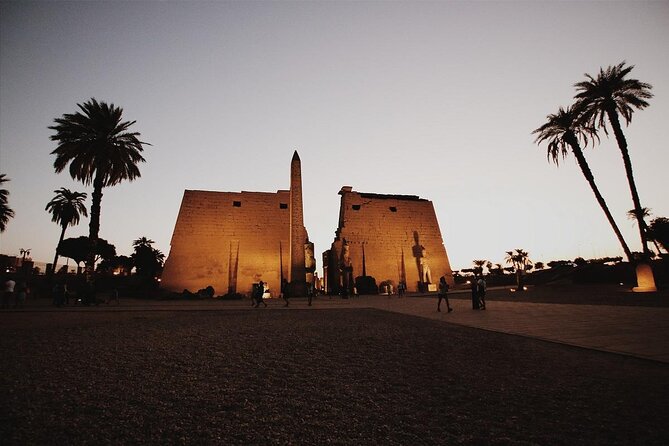
Finally, you head to Karnak Temple. This is a major stop with admission included (about 1 hour on the itinerary). The scale is what people underestimate. The site covers more than 2 square kilometers, and it’s large enough that the plan describes it as comparable to about 10 cathedrals in size.
At the heart is the Temple of Amun, the earthly home of the local god. Karnak also wasn’t built in one moment—it was built, added to, dismantled, restored, and expanded over nearly 1500 years. That’s why a guide matters here. Without help, you can get lost in sections. With help, you learn the “logic” of the complex and where to focus your attention.
Once Karnak is done, you transfer and get dropped off in Luxor at your chosen point (airport, station, or hotel).
Price and value: why this itinerary costs what it costs
The price is $1,123 per person for 4 days and 3 nights. That can look steep at first glance—until you list what’s included here.
You’re paying for:
- 3 nights accommodation onboard the Dahabiya on a full board basis (breakfasts, lunches, dinners are included)
- All transfers by air-conditioned deluxe vehicle
- Pickup from your Aswan hotel/station/airport
- Egyptologist-guided tours for each listed stop
- Entrance fees for the sites listed in the itinerary
- Tea and coffee, plus natural water
- Transfer from Esna to Luxor
- Meals and all fees and taxes
What’s not included is mainly personal stuff and the customary tipping. If you already know you’ll tip fairly, factor that into your budget.
Also note the demand rhythm: it’s often booked about 30 days in advance. That’s a sign this cruise is popular because it’s one of the cleaner ways to connect Aswan and Luxor without spending your days in cramped, nonstop road travel.
In value terms, the big win is that you’re not only cruising—you’re also getting guided access to major temples across multiple regions, with entry fees handled. If you tried to piece this together day by day on land, you’d likely pay separately for transport, guides, and entries, and you’d lose the smooth Nile pacing.
Who should book this cruise (and who might want a different fit)
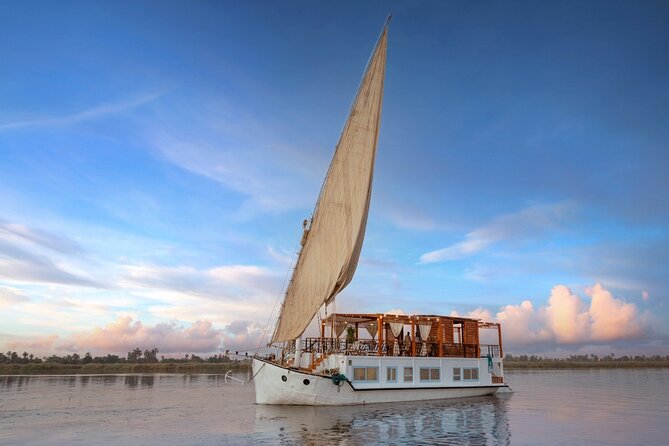
This cruise fits best if you want:
- A small-boat Nile experience with quiet time built in
- Guided temple visits where myths and symbolism actually get explained
- The convenience of having meals and logistics handled while you focus on sightseeing
- A route that mixes headline sites (Edfu, Valley of the Kings, Karnak) with an archaeology-rich stop like El Kab
It might feel too intense if you:
- Want only one or two major temple stops per day (this plan is steady from start to finish)
- Are very sensitive to long indoor/outdoor walking and stairy surfaces
- Need the full flexibility of a land itinerary with more “free time” blocks
For couples, solo travelers, and families, the private-group setup usually makes it easier to manage pace and questions. And from what people consistently praise, the crew care and guide support are real parts of the experience, not afterthoughts.
Should you book the Dahabiya Aswan to Luxor 4 Days/3 Nights?
I’d book this if you want the Nile portion to feel like the main character, not a commute. The itinerary is built around major temples with guided context, plus the kind of onboard downtime that helps you enjoy the day instead of just surviving it.
Two smart checks before you commit:
- Valley of the Kings here includes 3 tombs excluding Tutankhamun, so confirm your priorities if Tut is your must-see.
- Plan for weather dependence. The tour requires good weather, and if conditions are poor you may be offered a different date or a refund.
If those points align with your goals, this is a strong way to connect Aswan and Luxor with a calmer rhythm and a guide-led approach that helps the stone make sense.
FAQ
What are the dates and total length of the cruise?
It runs for about 4 days (approximately 3 nights onboard), starting in Aswan and ending in Luxor.
Where does the tour start and where does it end?
The tour starts in Aswan and ends in Luxor, with drop-off in Luxor at your choice (airport, station, or hotel).
Is pickup included?
Yes. Pickup is offered from your hotel in Aswan, or from Aswan airport or station.
What’s included in the price?
The tour includes 3 nights accommodation onboard on a full board basis, all transfers by air-conditioned deluxe vehicle, tours listed in the itinerary, entrance fees for those sites, a professional Egyptologist guide, tea and coffee, natural water, meals, and transfer from Esna to Luxor.
Are entrance fees included for the temples and tombs?
Yes. Entrance fees are included for the sites specifically listed in the itinerary, including Philae, Kom Ombo, Edfu, El Kab, Valley of the Kings tombs, Hatshepsut, Colossi of Memnon, and Karnak.
What meals are included?
Breakfast (3), lunch (3), and dinner (3) are included as part of the onboard full board package.
Is this tour private?
Yes. It’s a private tour/activity, meaning only your group participates.
Do you visit the Tomb of Tutankhamun?
The Valley of the Kings visit includes 3 tombs excluding Tomb of King Tutankhamun.
What happens if weather is bad?
The experience requires good weather. If it’s canceled due to poor weather, you’ll be offered a different date or a full refund.
You Might Also Enjoy


More 4-Day Experiences in Aswan
More Boat Tours & Cruises in Aswan
- 4-Days Nile Cruise From Aswan To Luxor including Abu Simbel and Hot Air Balloon
★ 5.0 · 3,142 reviews
More Tour Reviews in Aswan
- 4-Days Nile Cruise From Aswan To Luxor including Abu Simbel and Hot Air Balloon
★ 5.0 · 3,142 reviews