REVIEW · CAIRO
Cairo Museum Bible Tour
Book on Viator →Operated by Cairo Street Smart · Bookable on Viator
Cairo’s museum can be a Bible lesson. This Bible-based private tour takes you through the Museum of Egyptian Antiquities in Cairo, using artifacts and Bible themes to connect Egypt with prophecy and meaning. It’s led by local Egyptian Jehovah’s witnesses who genuinely enjoy Bible study and history, so the tone stays warm and grounded.
I love the Biblical and historical explanations that turn museum labels into a clear story. I also like how the guides focus on communication—so you’re not left guessing, and you can feel understood as you go.
One possible drawback: this is not a neutral “just show me the artifacts” museum outing. The Bible framing is central, so if you want a strictly secular tour, you may feel like you’re marching to a different beat.
In This Review
- Quick hits: what makes this Cairo Bible museum tour special
- Where you start in Cairo: Tahrir Square Obelisk meet-up
- Inside the Egyptian Antiquities Museum: the artifacts you’ll actually remember
- The tour’s real heart: Bible-based explanations in real museum space
- The guide experience: clear English, patient pacing, and real preparation
- What “private” actually changes during the museum visit
- Timing and stamina: 2 to 3 hours is doable, but plan smart
- Cost and value: what you’re really paying for at $50 per person
- Who this tour is best for (and who should skip it)
- Practical tips to get the most from your visit
- Should you book this Cairo Museum Bible Tour?
- FAQ
- Where is the tour meeting point?
- What is the duration of the Cairo Museum Bible Tour?
- How much does the tour cost?
- Is museum admission included in the price?
- Is this a private tour?
- What’s included in the tour besides the admission ticket?
- What should I do if I have dietary requirements?
- Are tips required?
- How long are transfers, and what affects timing?
- Is cancellation free?
Quick hits: what makes this Cairo Bible museum tour special
- Local Jehovah’s Witness guides who combine Bible and archaeology themes in everyday English
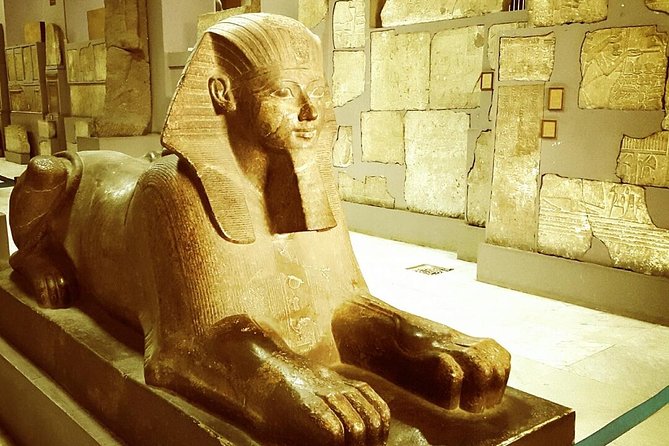
- The Egyptian Antiquities Museum, with highlights like the Mask of Tutankhamun and royal mummies
- A calm, low-stress pace designed to help you feel safe and comfortable in a busy city
- Admission is included, so you’re paying for guidance plus entry, not extra ticket time
- Private group format, so the visit stays focused on your group rather than a crowd
Where you start in Cairo: Tahrir Square Obelisk meet-up
This tour starts at the Tahrir Square Obelisk, El-Tahrir Square, in the Qasr Ad Dobarah / Qasr El Nil area. That’s a practical choice. Tahrir Square is central, and using a well-known landmark makes it easier to find your group without wandering Cairo with your phone at 5% battery.
You’ll meet at the obelisk listed in Arabic as مسلة ميدان التحرير (مسلة ميدان التحرير). From there, the tour heads toward the museum. Since transfer times depend on the time of day and traffic, I’d plan a little flexibility. Cairo can move fast or slow, and it’s better to treat the timing as approximate than to stress about the clock.
You can also read our reviews of more museum experiences in Cairo


Inside the Egyptian Antiquities Museum: the artifacts you’ll actually remember

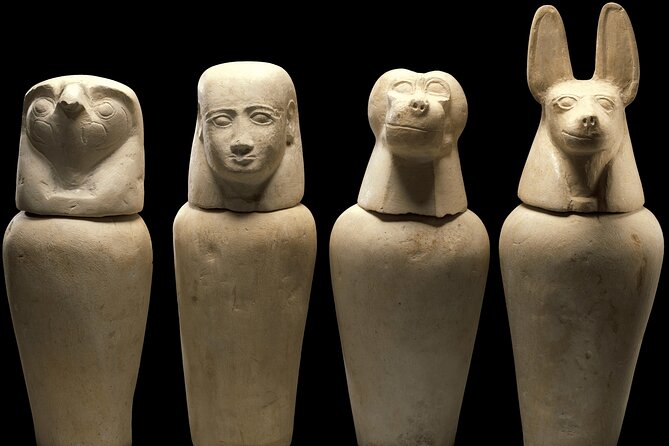
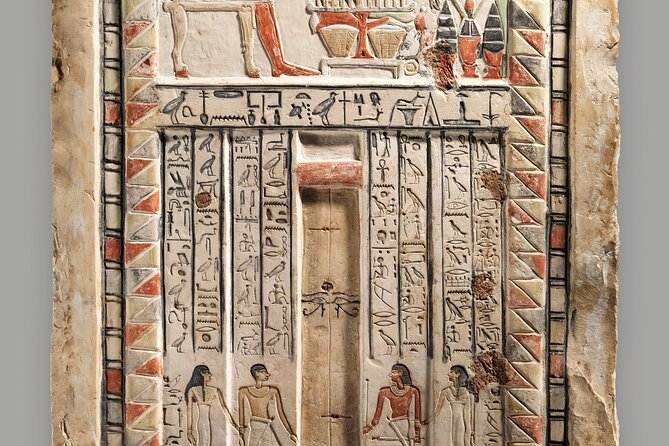
Your main stop is the Museum of Egyptian Antiquities (Egypt’s big-name museum). The tour focuses on a manageable amount of time, so you’re not trying to “see everything.” You’ll walk through a selection of the museum’s most important pieces, with a spotlight on the fact that the collection is massive—over 120,000 pieces.
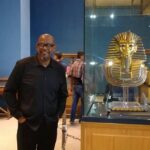
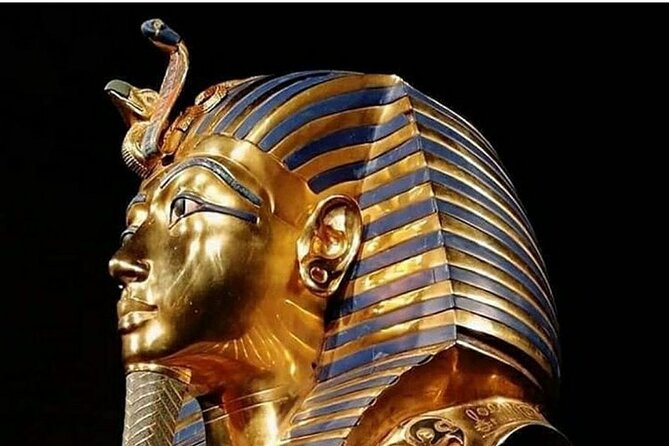
Two highlights that matter for first-timers are the Mask of King Tut (Ankh.Amon / Tutankhamun) and the royal mummies. Even if you’ve seen photos before, there’s something different about standing close enough to understand scale and craftsmanship. The guide’s job here isn’t just to point. It’s to explain what you’re looking at and why these objects shaped how people understand Egypt’s past.
A note on the “how much” of it: this is an about 2–3 hour experience, and the museum is huge. So if you come in thinking you’ll memorize every gallery, you’ll feel rushed. If you come in wanting meaning, context, and a few big “anchors,” the time window works well.
The tour’s real heart: Bible-based explanations in real museum space
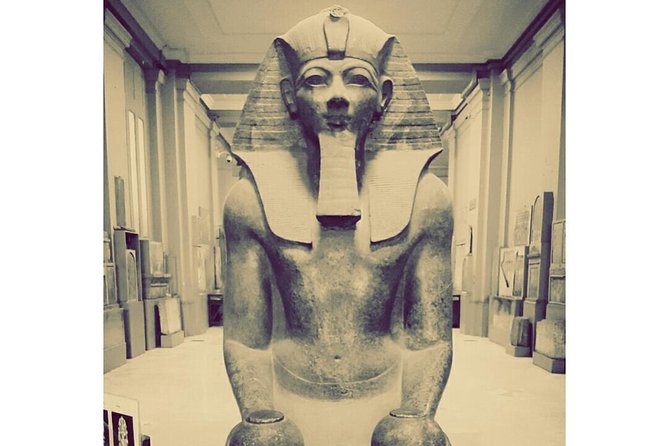
This isn’t a standard museum tour. It’s a Bible-based visit, created for Jehovah’s witnesses, with local guides who connect Egypt—historically and spiritually—to Bible themes.
Here’s what that means on the ground: you’ll hear Biblical and historical explanations tied to the artifacts you see. The tour description explicitly frames the experience around several ideas, including how Egypt is mentioned extensively in the Bible, how certain artifacts are presented as supporting the Bible account, and how Bible prophecy is treated as accurate. It also includes discussion about deception and how Jehovah sanctified his name in Egypt.
How should you interpret that as a visitor? Think of the museum not just as a collection of objects, but as a classroom with a specific reading lens. If you’re already studying the Bible, you’ll likely appreciate the way the guide links symbols, settings, and timelines. If you’re not, you may still enjoy the history—but the emphasis will feel more like guided Bible learning than museum browsing.
The guide experience: clear English, patient pacing, and real preparation
A big part of why this tour gets strong recommendations is the guide quality. Names like Karim and Ramy show up in accounts of how the museum visit is handled—often praised for being prepared, patient, and easy to follow in English.
In practical terms, that’s what you want in Cairo. The museum has distractions. There are crowds, signage that isn’t always straightforward, and a general feeling that you should hurry because you might miss something. A good guide helps you get oriented fast and keeps the visit moving at a pace that still gives you time to look and take pictures.
From the way guides are described, they don’t just read facts off a card. They explain clearly, add examples to help you understand, and adjust if you need a moment for photos or to slow down. That’s especially valuable in a place where people can end up spending their time just trying to locate the next thing.
What “private” actually changes during the museum visit
This is a private tour. That matters more than it sounds. In a museum, “private” usually means:
- You’re not stuck waiting for strangers to catch up.
- You can ask questions without feeling like you’re slowing a group down.
- The guide can shape the tour to what your group finds most interesting.
The tour also aims for stress-free comfort. The experience is described as helping you feel safe, with ease of communication and a sense of being understood. Those are not small details. When a museum tour is built around a religious Bible framework, visitors can worry about feeling out of place. A good guide style reduces that friction.
And because your group is the only one participating, the explanation stays consistent. You won’t get the awkward start-stop vibe that comes with larger tour batches.



Timing and stamina: 2 to 3 hours is doable, but plan smart
The museum portion is listed at about 3 hours, and the overall tour duration is given as approximately 2 to 3 hours. Either way, it’s a short, concentrated visit. You’ll likely cover enough to feel satisfied, but not enough to treat it like a full-day museum marathon.
The tour asks for a moderate physical fitness level. That’s typical for a major museum: you’ll be walking, standing, and moving through galleries. If you know you tire quickly in indoor spaces, consider bringing a comfortable pace mindset. Don’t try to “win” the museum.
For timing, your transfer time is approximate and affected by traffic. You’ll also end back at the meeting point after the experience. If you’re building the rest of your day, don’t schedule something demanding right after. Give yourself a little buffer.
Cost and value: what you’re really paying for at $50 per person
At $50 per person, the key value is what’s bundled in. Admission is included, and the tour includes Biblical and historical explanations. So you’re paying for an entry ticket plus guided learning, not just transportation.
In other words, the question isn’t only how much the tour costs. It’s what the tour prevents you from doing:
- It helps you avoid wasting time figuring out what to look for.
- It gives you a guided narrative so objects don’t blur together.
- It reduces stress by keeping the visit organized and comfortable.
If you’re the kind of person who reads museum placards and wants to understand the bigger picture, a guided format like this can make the visit feel more worth your time. If you’re only interested in quick sightseeing and snapping photos, you might find a self-guided plan more flexible. But the whole point here is meaning, not speed.
Who this tour is best for (and who should skip it)
This tour fits best if you:
- Want a museum visit through a Bible-based lens
- Enjoy history and want the story connected to biblical themes
- Prefer a private group experience with easy communication
- Appreciate a guide who explains calmly and clearly in English
It might not be your best choice if you:
- Want strictly secular museum commentary
- Prefer to roam without structured explanations
- Are looking for a full-day deep museum plan rather than a concentrated 2–3 hour experience
Practical tips to get the most from your visit
A few tips will help you enjoy this kind of tour more:
- Come in ready to listen. The value is in the explanations, not just the objects.
- If you’re sensitive to crowds or pacing, lean into the tour’s stress-free approach and follow your guide’s rhythm.
- If you have dietary requirements, advise them when booking. The tour data notes a vegetarian option is available and that you should share needs in advance.
- Bring your camera and phone, and be patient with timings. You’ll likely want photos, and a good guide will help you pause appropriately.
Also, keep in mind that this tour ends where you started. So if your next stop is far, plan for travel time rather than assuming you’ll be instantly back on your feet and ready to sprint across Cairo.
Should you book this Cairo Museum Bible Tour?
If you want Cairo’s Museum of Egyptian Antiquities, but you also want it to make sense through Bible-linked explanations, this is a strong choice. The combination of admission included, a private setup, and guides who are described as patient and prepared makes it a practical way to see major highlights like the Mask of Tutankhamun and the royal mummies without feeling lost.
I’d skip it only if you’re specifically looking for a purely secular, no-themes museum experience. The Bible framing is the point. If that’s your preference, you’ll probably love the structure and calm pace.
If you’re a Jehovah’s Witness—or simply someone who enjoys understanding how faith connects to history—this tour offers a focused, organized, and surprisingly comfortable way to experience one of Cairo’s most important museum spaces.
FAQ
Where is the tour meeting point?
The tour meets at the Tahrir Square Obelisk (مسلة ميدان التحرير), El-Tahrir Square, Qasr Ad Dobarah, Qasr El Nil, Cairo.
What is the duration of the Cairo Museum Bible Tour?
The tour lasts approximately 2 to 3 hours.
How much does the tour cost?
The price is $50.00 per person.
Is museum admission included in the price?
Yes. The Egyptian Antiquities museum admission ticket is included.
Is this a private tour?
Yes. It’s a private tour/activity, and only your group participates.
What’s included in the tour besides the admission ticket?
You get Biblical and historical explanations, plus support designed to help you feel safe, with ease of communication and feeling understood.
What should I do if I have dietary requirements?
You should advise any dietary requirements at time of booking. A vegetarian option is available if you request it when booking.
Are tips required?
Tipping the guide/driver is optional.
How long are transfers, and what affects timing?
Transfer durations are approximate and depend on the time of day and traffic conditions.
Is cancellation free?
Yes, you can cancel for free up to 24 hours in advance for a full refund.