REVIEW · HURGHADA
Hurghada: Luxor, Karnak, Hatshepsut and Valley of the Kings
Book on Viator →Operated by Egyptra Travel Services · Bookable on Viator
Luxor is a long day worth it. This hotel-to-hotel small-group trip takes you from Hurghada to see Karnak, Hatshepsut, and the Valley of the Kings with an Egyptologist guide, plus a relaxing break on the Nile by felucca. You’re also capped at 15 people, so the day doesn’t feel like a factory line.
I especially like that the big pieces are handled for you: round-trip transfers in an air-conditioned vehicle and entrance fees for the sites on the program. I also like the practical pause built into the day: a local restaurant lunch so you’re not surviving on snacks and impatience.
One drawback to consider: you’ll start very early, and the drive is a major part of the experience. If you get motion sick, plan for it before you go.
In This Review
- Key takeaways before you go
- Luxor in One Day: The Real Meaning of a 15-Hour Schedule
- Pickup Comfort and Small-Group Control (Without the Taxi Circus)
- Karnak Temple First: Why the Start Matters
- Colossi of Memnon: The City of the Dead Feeling (Without the Long Wait)
- Valley of the Kings: Tomb Reality Check and Timing
- Hatshepsut at Deir el-Bahari: The Temple You Can Feel
- The Short Felucca Ride and Lunch Break: Your Reset Button
- Price and Logistics: Getting Real Value From $82
- Guide Quality: When It Really Makes the Difference
- Who This Luxor Day Trip Fits Best
- Practical Tips So Your Day Doesn’t Derail
- Should You Book This Hurghada to Luxor Tour?
Key takeaways before you go
- Max 15 travelers means you’re not swallowed by the crowd at every temple stop
- Egyptologist guidance helps you make sense of what you’re seeing, not just take photos
- Karnak + Hatshepsut + Valley of the Kings covers the Luxor “greatest hits” in one day
- Two Valley of the Kings moments give you more time with the necropolis vibe and royal tomb setting
- Short Nile felucca ride breaks up the archaeology grind
- Lunch + listed entrance fees included gives this trip real value for the price
Luxor in One Day: The Real Meaning of a 15-Hour Schedule
This is not a casual half-day. You’re looking at roughly 15 hours total, and Luxor is about a 4-hour drive each way from Hurghada. Add the early start (many departures are around 04:00) and the time spent moving between sites, and you’ll feel like you’re doing a full “operating day,” not just sightseeing.
The upside is that you do get a lot of Luxor without the hassle of figuring out transport. Pickup from your Hurghada hotel and return transfers keep the day smoother, especially if you’d rather avoid taxi negotiations and last-minute bargaining. Also, the group size limit matters here: with fewer people, you usually get better attention when timing gets tight.
You can also read our reviews of more tours and experiences in Hurghada.


Pickup Comfort and Small-Group Control (Without the Taxi Circus)
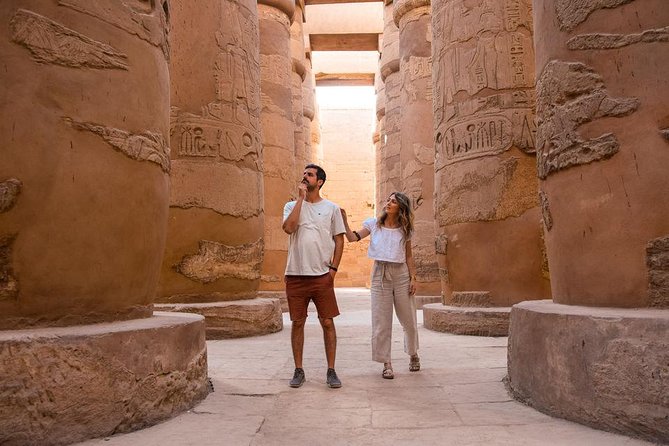
The tour is set up to reduce friction. You’re in an air-conditioned vehicle for the transfers, and the small group size (up to 15) makes it easier for the guide to keep track of everyone. That’s not a small thing in Egypt, where queues, crowd flow, and ticket checks can change minute to minute.
From what the experience is like on the ground, guides really lean into organization. One departure I’d keep an eye on is when you get a guide like Gogo—she’s known for staying on top of timing and giving personal tips for dealing with local merchants. Another name that shows up is Yousef, praised for answering questions and keeping people relaxed and safe. Even if your guide’s style differs, this tour’s best version feels controlled, not chaotic.
Practical tip: bring a light layer and keep water handy. Long days in hot sun can sneak up on you fast, especially when you’re up early.
Karnak Temple First: Why the Start Matters
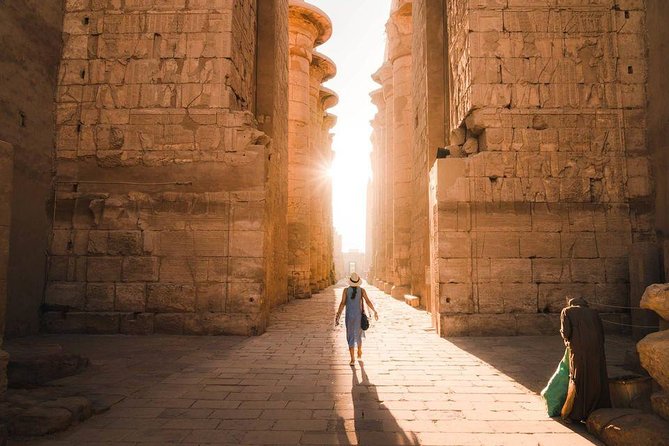
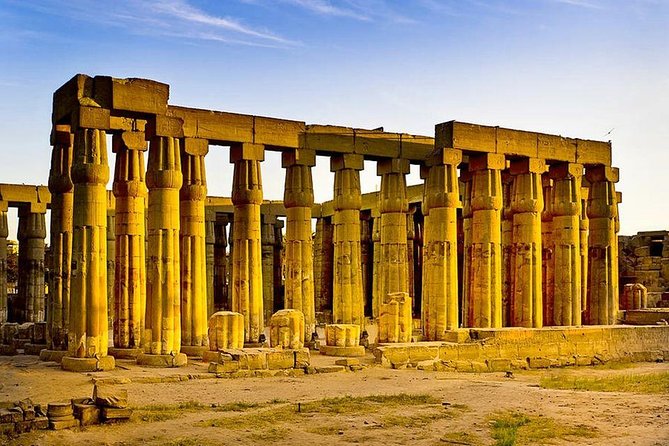
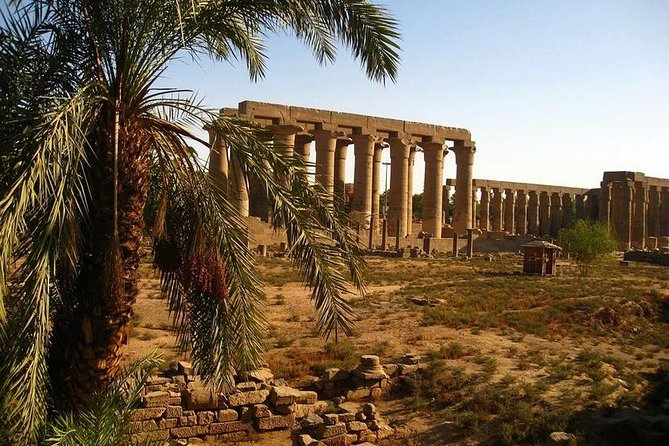
Karnak Temple is the kind of place that can overwhelm you if you wander in cold. Starting here is smart because it sets the stage for everything else. You’ll walk through the UNESCO World Heritage complex and see the monumental feel of columned halls, chapels, and the sacred lake area within the temple grounds.
This stop is about recognizing scale. Karnak isn’t one big photo moment; it’s a layered set of spaces that grew over time. The Egyptologist guide’s job is to connect the dots so you’re not just looking at “cool stones,” but understanding what each area is doing in the story of Luxor.
Time-wise, you’re there for about an hour. That’s enough to get oriented, but not enough to “see everything.” Your best approach is to pick a few signature viewpoints and let the guide fill in the rest.
Colossi of Memnon: The City of the Dead Feeling (Without the Long Wait)
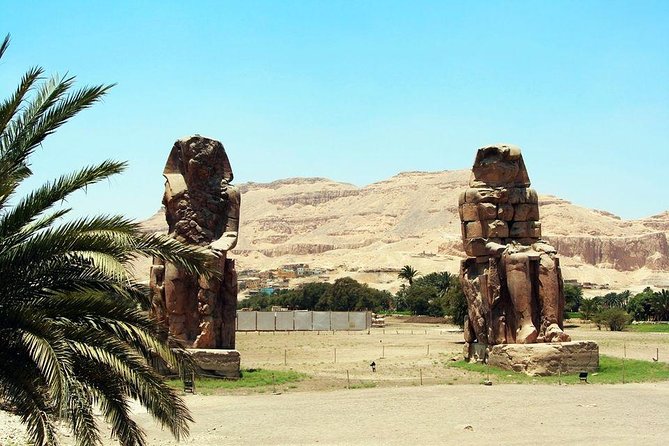
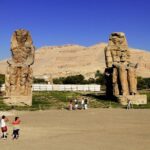
The Colossi of Memnon are two massive statues tied to the mortuary complex of Amenhotep III. They feel oddly personal, even though they’re giant. You look up and realize this is one of those places where your sense of human scale breaks down.
What I like about this stop is how it acts like a breather between the big architectural moments. You get the sense of the “City of the Dead” setting without needing to navigate deeper tomb interiors yet. The guide can also help you connect why these royal monuments sit where they do and what they meant for memory and afterlife beliefs.
You should still treat it like a full stop, not a quick photo. If you’re paying attention, you’ll walk away with a clearer sense of how Luxor’s burial landscape fits together.
Valley of the Kings: Tomb Reality Check and Timing
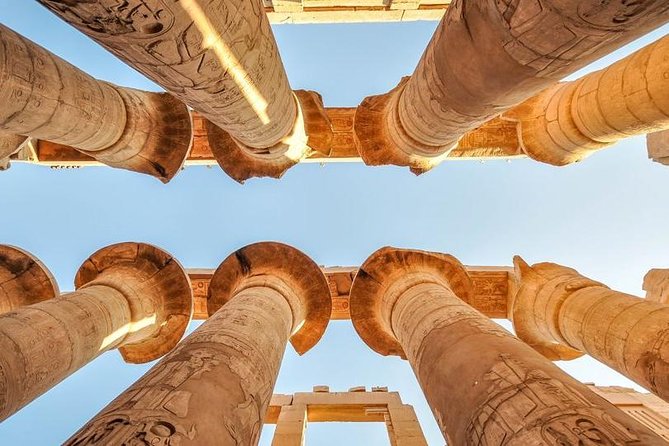
This tour hits the Valley of the Kings more than once in the day. That’s useful because it helps you understand the necropolis as a whole, not just as a collection of tomb doors. You’ll see elements tied to royal burials, including areas associated with the reigns and temples in the broader New Kingdom complex.
Here’s the practical part you need to plan for: the tomb of Tutankhamun is not included. If Tut is on your must-see list, budget extra and expect it may add time and ticket logistics to your day. Also, note that the program includes entrance fees for the Valley of the Kings generally, but the Tutankhamun-specific tomb ticket is a separate item.
What about the “second Valley stop”? On days like this, the rhythm matters. If you rush the first time, you might miss the feeling of the place—rock walls, the layout of tombs, and the sense of why these sites were chosen. Two stops help you settle in rather than sprint.





Hatshepsut at Deir el-Bahari: The Temple You Can Feel
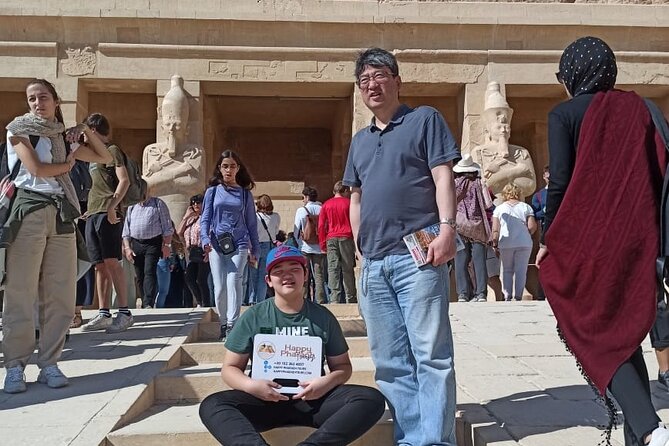
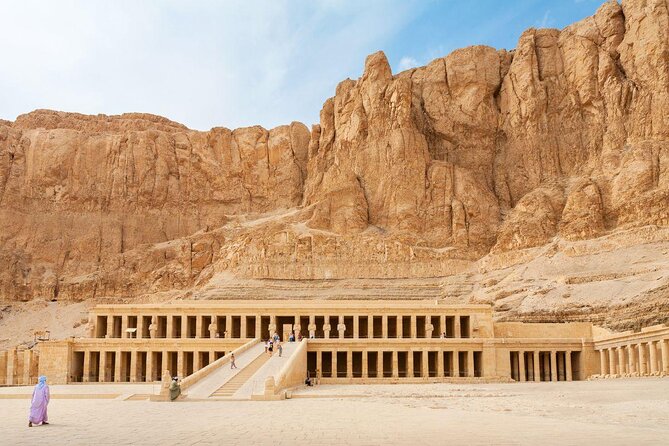
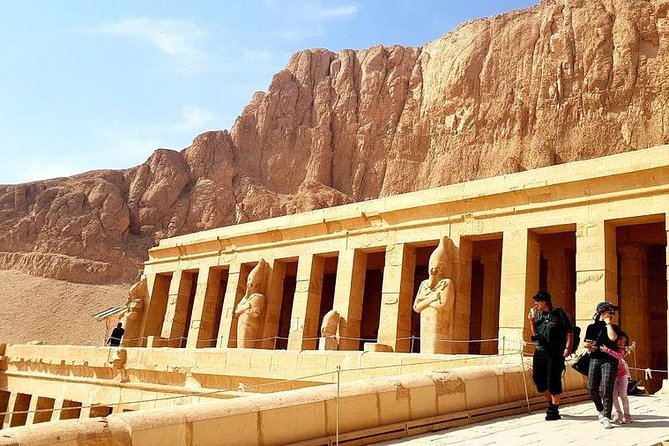
The Temple of Hatshepsut at Deir el-Bahari is one of those places where even if you know very little going in, you still react. The architecture is dramatic—terraces, alignment with the surrounding cliffs, and a “designed landscape” effect that makes the site feel composed rather than random.
Hatshepsut matters because she was a powerful female ruler, and the temple is part of how her reign was staged in stone. With an Egyptologist guide, you can connect the dots between the artistry and the politics of legitimacy and divine favor—stuff that’s easy to miss if you only look for big statues.
Time is again about an hour. That’s enough to understand the overall structure, but you won’t have unlimited wandering time. I’d treat this stop like “learn the main story here,” then let the Valley of the Kings be the payoff.
The Short Felucca Ride and Lunch Break: Your Reset Button
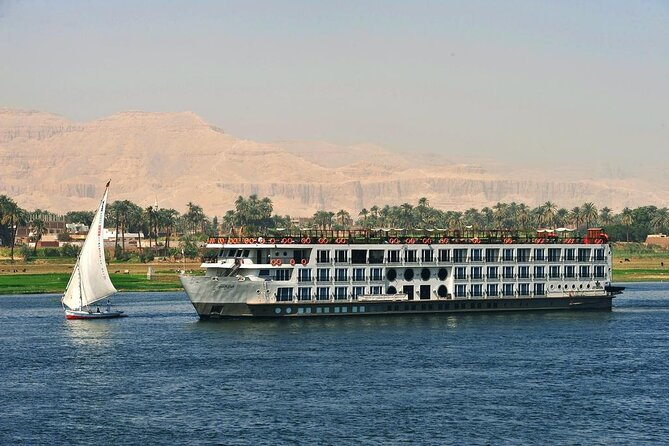
Half of a successful Luxor day is not the monuments—it’s the recovery. This tour includes lunch at a local restaurant, plus a 30-minute felucca sail on the Nile.
The felucca portion is a nice contrast to the heat and stone dust. You move from carved history to moving water and passing banks, which helps you reset your brain. It also gives you a pause where you can look up and out instead of down and in.
Lunch is more than a meal. It’s where the day becomes bearable. Eating somewhere local (as this is described) also tends to keep the experience grounded instead of feeling like a tourist-only package. Just remember: drinks aren’t included, so plan for that extra cost if you want bottled water or soft drinks.
Price and Logistics: Getting Real Value From $82
At $82 per person, the value comes from what’s folded into the price. You’re not just paying for transport and a guide—you’re also getting entrance fees for the listed sites and lunch, with hotel pickup and air-conditioned transfers.
If you tried to build this day yourself, the combination of:
- long-distance transport from Hurghada
- time-consuming ticketing and entry management
- paying for a guide who can interpret the sites
- entrance fees at multiple locations
adds up quickly. This is why the fixed-route format works in your favor.
That said, check your expectations. You will not automatically get Tutankhamun’s tomb ticket, and drinks at lunch are not included. Also, the day is long. Value isn’t only about price—it’s about whether the included parts fit your priorities.
Guide Quality: When It Really Makes the Difference
This trip is only as good as the guide you get, and the names that appear for this experience are consistently linked with strong day-of performance.
- Yousef is praised for being so helpful and for answering questions in a way that keeps you feeling safe and at ease.
- Hamada is remembered for taking people around crowds with ease and giving clear site details.
- Sharrif is noted for looking after welfare and for being organized and very attentive.
- Gogo stands out for thoughtful planning—snacks, communication, and personal advice (including how to handle local merchants).
Language can vary. One important consideration: some guides may not speak your language equally well on every departure. If you strongly prefer an English-speaking guide, it’s worth confirming what language support you’ll receive when you book.
Who This Luxor Day Trip Fits Best
You’ll love this tour if:
- you want the big Luxor highlights in one go
- you like having a guide interpret the sites instead of reading silently on your phone
- you prefer small-group pacing over mass tours
- you’d rather use organized transfers than arrange everything from scratch
You might reconsider if:
- you’re very sensitive to long drives and early mornings
- you expect a relaxed, slow pace with unlimited time inside tombs
- you want Tutankhamun’s tomb included automatically (it’s not)
Practical Tips So Your Day Doesn’t Derail
Here are the things that keep this trip smooth in real life.
Bring:
- sun protection (hat and sunscreen)
- a reusable water bottle if you’re the type who drinks a lot early
- something for motion sickness if you’ve needed it before
Use:
- your guide’s advice about local vendors and respectful negotiation style
- your time well: if you want the best photos, ask the guide where to stand early before crowds thicken
Finally, set a mindset: this is a full-day “route,” not a slow museum day. If you accept that tradeoff, the trip feels like a win.
Should You Book This Hurghada to Luxor Tour?
If your goal is to see Karnak, Hatshepsut, and the Valley of the Kings with a real guide, plus lunch and a short Nile break, I’d say it’s a solid pick. The small-group cap and included entrance fees are key, and the structure helps you spend less time wrestling with logistics and more time understanding what you’re looking at.
Before you book, do two quick checks:
- Budget for Tutankhamun’s tomb if you want it, since it’s not included.
- Plan for the early start and long drive. If that’s a concern, bring motion-sickness support and keep your expectations realistic.
Done right, this is one of those days that leaves you thinking, how did so much history fit into one schedule? That’s the point of paying for an organized route.