REVIEW · CAIRO
Half day private tour to Giza pyramids and Sphinx
Book on Viator →Operated by Egypt Tours Planner · Bookable on Viator
One stop, millions of years of wow. A half-day private tour like this gives you structured time at the Giza pyramids and the Sphinx without the Cairo logistics headache. It’s designed for a fast, photo-friendly route with an Egyptologist guiding you back through the monuments, plus smart timing for a short visit.
I especially like two things about the experience: the combination of a qualified Egyptologist guide and hotel pickup, and the built-in time to walk around and take photos at the best viewpoints. The best reviews also keep pointing to the same friendly pro touch—Mohammad/Mohammed—who’s described as professional, accommodating, and fun to work with.
One consideration: it’s only about 4 to 5 hours, so it’s not the right fit if you want to linger for hours at each monument or do extra add-ons beyond the core route. If your ideal day includes slow wandering and lots of downtime, you’ll likely want a longer tour.
In This Review
- Key highlights you’ll care about
- A Half-Day Giza Plan That Respects Your Cairo Time
- Getting There Comfortably: Private Car, Hotel Pickup, Bottled Water
- Giza Pyramids Stop: Cheops, Panoramas, and Time to Walk
- Sphinx and Valley Temple of Mummification: The Best Pairing After the Pyramids
- Lunch in a Local Restaurant: A Realistic Break, Not a Tourist Trap Must-Do
- Egyptologist Guide Time: Why Mohammad’s Name Keeps Coming Up
- Price and Value: What $65 Includes (and Why That’s Not Just a Discount)
- Duration and Pacing: 4–5 Hours Means You’ll See the Icons, Not Everything
- Dress Code and Practical Tips for a Comfortable Visit
- Is This Tour Right for You?
- Should You Book the Half-Day Giza Pyramids and Sphinx Tour?
- FAQ
- How long is the private Giza pyramids and Sphinx tour?
- Where does pickup happen?
- What is the price per person?
- Is the tour private?
- What’s included in the price?
- Are entrance fees included?
- Is airport pickup included?
- What should I wear?
- Can I cancel for a full refund?
- Is the tour suitable for most people?
Key highlights you’ll care about
- Private, Egyptologist-led route through the pyramids and Sphinx with entrance fees included
- Hotel pickup and drop-off plus air-conditioned transport to cut down travel stress
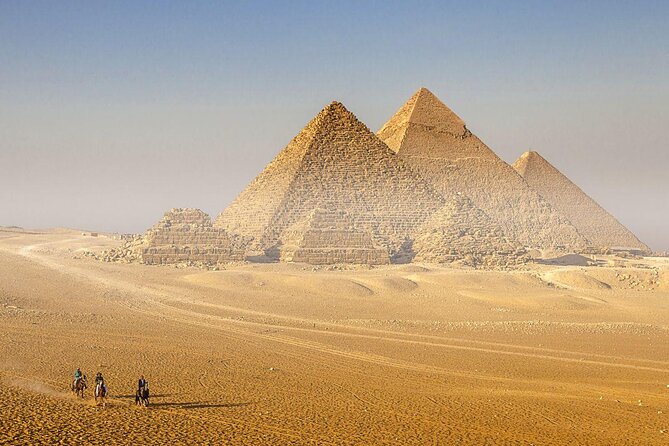
- Photo time built in: walk around the pyramids area and get panoramic views
- Sphinx + Valley Temple focus (including the valley temple of mummification)
- Lunch stop included at a local restaurant during the tour window
- Flexible planning with confirmation at booking and free cancellation up to 24 hours
A Half-Day Giza Plan That Respects Your Cairo Time
Cairo can swallow time fast. Traffic, finding the right entrance, and keeping a day moving take more energy than you expect. This tour is built to protect your schedule: plan for roughly 4 to 5 hours, get picked up from your hotel, and cover the core landmarks that most first-timers aim for.
That “half-day” shape matters. You’re getting a tight route that still includes meaningful moments—like standing near major pyramids and then shifting your focus to the Sphinx and the nearby valley area. It’s a practical way to check off the big icons without spending your whole day in transit or stuck deciding what to do next.
It also feels manageable if you’re pairing this with other Cairo sights. In a city where days add up quickly, having a predictable block of time is a real value.
You can also read our reviews of more private tours in Cairo


Getting There Comfortably: Private Car, Hotel Pickup, Bottled Water
One of the easiest ways to judge value is to look at what the tour handles for you. Here, pickup and drop-off are included, using an air-conditioned private vehicle. That matters in Cairo, where heat and sun can make the first hour feel twice as long.
You’ll also have bottled water during the tour, which is small but useful—especially when you’ll be outdoors at the Giza plateau. And since it’s private, you don’t have to worry about a larger group slowing you down or splitting your attention.
If you’re staying in the city, this kind of transport plan helps you start with momentum. You’re not negotiating taxis, guessing routes, or trying to coordinate meeting points across a busy area.
Giza Pyramids Stop: Cheops, Panoramas, and Time to Walk
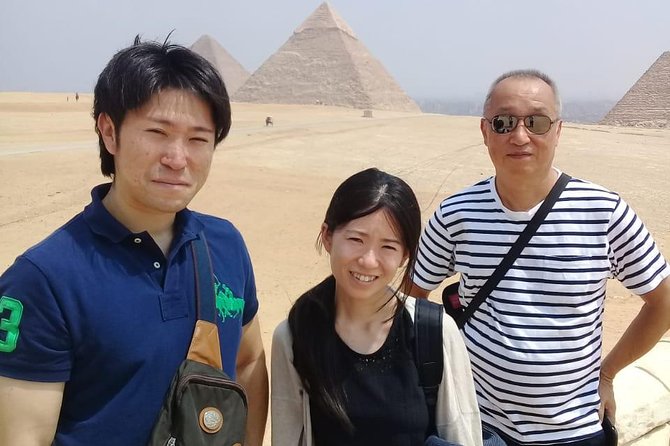
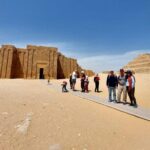
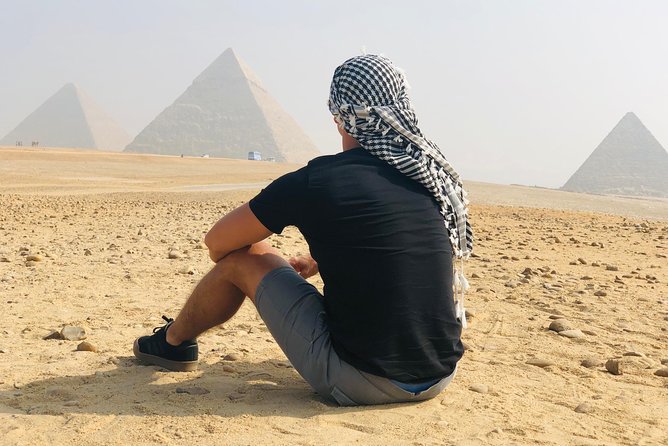
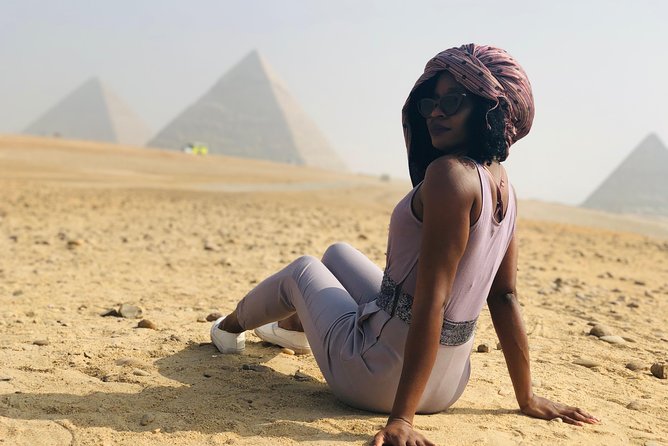
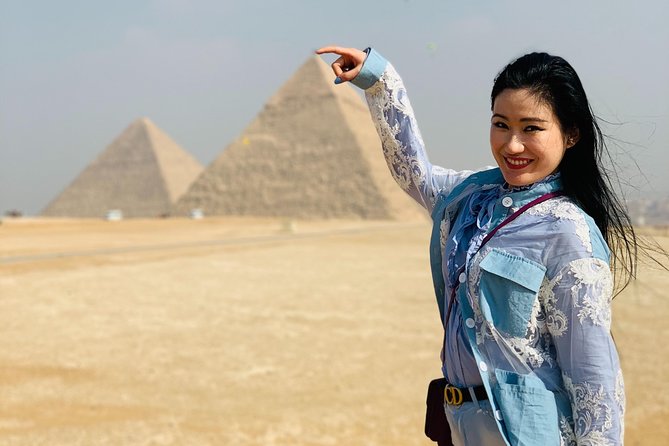
The pyramids portion is the heart of the experience. You’ll begin by visiting the Great Pyramid of King Cheops, noted as the only one of the ancient Seven Wonders that still survives. That framing is helpful because it tells you what to pay attention to when you’re there—this isn’t just a random collection of stone shapes; it’s the most enduring symbol of the Seven Wonders era.
From there, you get panoramic views of six pyramids. That viewpoint component is important for two reasons:
1) you get a sense of the full plateau layout, and
2) you get better photo angles than you would if you were only close-up and single-direction.
You also won’t be stuck standing still the whole time. The tour includes time for you to walk around the pyramids area and take pictures. In other words, it’s not purely a drive-by. You’re given space to slow down, choose angles, and frame the shot the way you like it.
Possible snag to plan for: the Giza area is outdoors and exposed. You should expect some time moving on uneven ground and under the sun. If you’re wearing comfortable shoes and dressing for warm weather, you’ll feel a lot more relaxed during the walking and photo stops.
Sphinx and Valley Temple of Mummification: The Best Pairing After the Pyramids
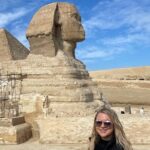
After the pyramids, the tour moves to the Great Sphinx and then includes exploring the valley temple of mummification. This pairing is a smart way to keep your visit from becoming a one-note checklist.
The Sphinx is iconic, but it’s also easier to understand when you’re not only looking—you’re being guided. An Egyptologist guide is the big reason this part works. You’re getting interpretation while you’re standing in the setting, which turns a famous face into something you can connect to the wider site.
Then there’s the valley temple of mummification. It sounds like a small detail until you’re there and realize it adds context beyond the main pyramid silhouettes. You’re shifting from massive monument views to site areas linked with ritual and preparation. Even if you only understand part of what you’re seeing, having a guide’s explanations in the moment can make the whole stop feel more coherent.
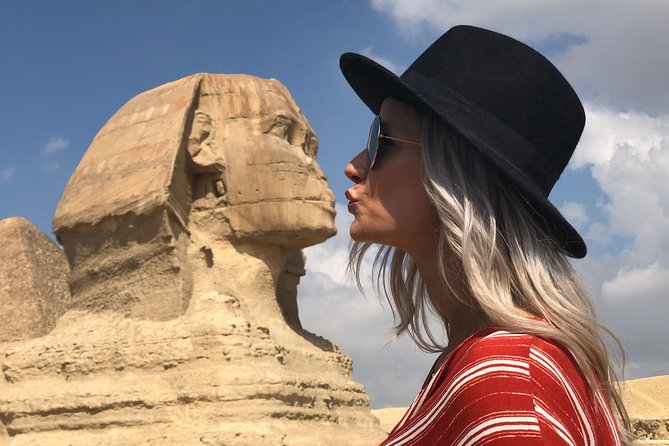
Photo-wise, the Sphinx area is often where people feel the most excited—and also where they can feel rushed if their time isn’t structured. Here, the tour’s half-day timing includes this second anchor stop, so you’re not just sprinting to the final photo and leaving.
Lunch in a Local Restaurant: A Realistic Break, Not a Tourist Trap Must-Do
Lunch is included during the tour. The plan is to enjoy having lunch in a local restaurant as part of the overall schedule.
I like this for a simple reason: it prevents the common problem of planning your own meal in a place you’re visiting for the first time. You’ll stay on track, and you won’t lose precious minutes trying to find food after a long period outside.
That said, the tour description doesn’t promise a specific restaurant name or menu details. So treat lunch as part of the day’s rhythm, not as a highlight that you should plan your expectations around. If you have strong dietary needs, it’s smart to communicate them when you book, since the exact meal options aren’t spelled out in the provided details.


Egyptologist Guide Time: Why Mohammad’s Name Keeps Coming Up
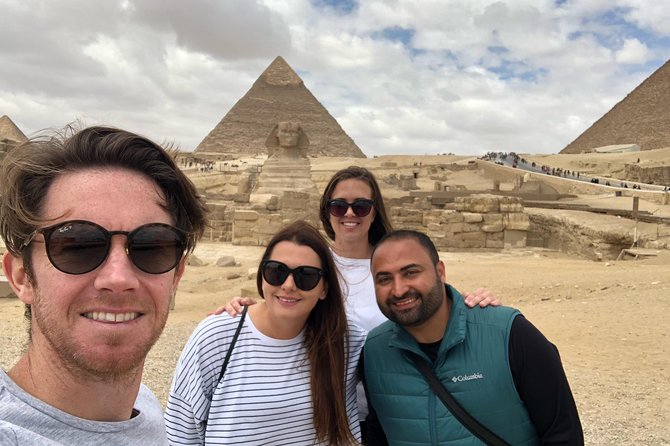
The most repeated theme in the reviews isn’t about the monuments—it’s about the human who’s guiding the experience. You’ll see the same guide name, Mohammad/Mohammed, praised for being professional and accommodating, and for working well with the group’s schedule.
That kind of guide quality matters for two reasons:
- You’ll get better explanations when your guide is comfortable answering questions in real time.
- You’re more likely to feel the day is going smoothly instead of just “moving from stop to stop.”
A private tour also gives your guide room to adjust pacing. Even with a fixed route, the difference between rushed and comfortable is huge—especially when you’re walking and taking photos.
And because this tour is Egyptologist-led, you’re not relying on shaky, self-guided reading while standing in bright sun. The point isn’t only to see the pyramids; it’s to understand what you’re looking at while you’re there.
Price and Value: What $65 Includes (and Why That’s Not Just a Discount)
At $65.00 per person, you’re paying for a bundle: private tour structure, pickup/drop-off, a trained Egyptologist guide, air-conditioned transport, bottled water, local taxes, and entrance fees.
Here’s what that bundle means in real life. Entrance fees and guides can quickly push the total up if you try to piece it together on your own. When entrance fees are included, you avoid the awkward timing problem of figuring out tickets mid-day, and you reduce the chance of spending time at ticket areas instead of monuments.
Also, because this is private, group size is “your group,” not a mixed crowd that forces everyone to move at one pace. Private tours cost more than shared ones—but in a place like Giza where you want photo control and comfort, that extra cost often translates into less stress.
One small cost note: airport pickup is not included and costs $20 extra. If your schedule involves arriving or departing by air at odd hours, this is worth planning early.
In short: this price looks like good value for people who want a smooth, guided, entrance-fee-included half-day rather than a DIY approach.
Duration and Pacing: 4–5 Hours Means You’ll See the Icons, Not Everything
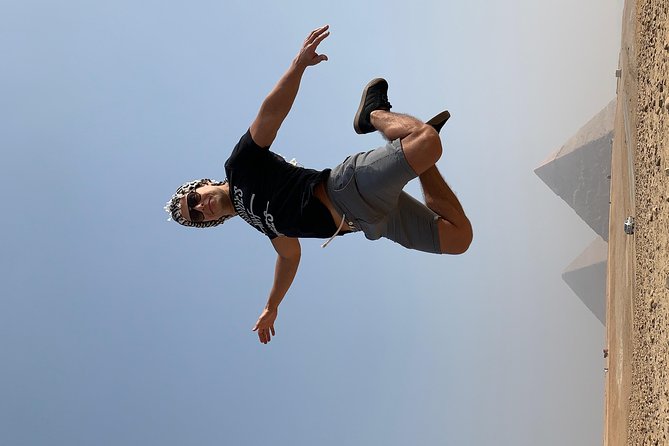
The tour runs about 4 to 5 hours. That duration is both the strength and the limitation.
Strength: you get the big anchors—Cheops pyramid, panoramic views, the Sphinx, and the valley temple—without eating your whole day. It’s a great choice if you want to fit Giza into a short Cairo itinerary.
Limitation: you won’t have time for every possible extra. The description doesn’t suggest add-ons beyond the core route, and your time window naturally limits how much you can do beyond walking, photo stops, and the guided explanations.
If you want an ultra-deep experience—long museum time, multiple additional site areas, or a slower, more exploratory pace—consider a longer tour option. If your priority is seeing the essentials well, this one makes sense.
Dress Code and Practical Tips for a Comfortable Visit
The tour uses a smart casual dress code. That’s easy to follow: think comfortable clothes and shoes that let you walk and stand in the sun. Even if you’re dressed “nicely,” you still need to be ready to move.
Also remember: a half-day Giza visit is mostly outdoors. So bring what you’d bring for warm weather—sun protection, water habits, and comfortable footwear. The tour includes bottled water, but you’ll still feel better if you plan for heat and glare.
Is This Tour Right for You?
I’d put this tour at the top of your list if you:
- want a private Giza experience with hotel pickup and entrance fees included
- prefer an Egyptologist guide so you understand what you’re seeing as you go
- have limited time and want the pyramids + Sphinx in one smooth morning/afternoon
- care about photo time and want a route that includes walk-around moments
It may not be the best fit if you:
- want a full-day exploration with lots of optional extras
- need very specific lunch requirements not covered by a set restaurant option
- dislike the idea of a tight time schedule at major outdoor sites
Should You Book the Half-Day Giza Pyramids and Sphinx Tour?
Yes, consider booking it if you want a clean, stress-reduced way to see Giza’s most famous highlights in one organized half-day. The big win is the package approach: Egyptologist guide + private AC transport + hotel pickup/drop-off + entrance fees all bundled into one price.
If you book, send a note about your timing and expectations for pace. The reviews emphasize how accommodating Mohammad/Mohammed can be, so having your preferences clear can help the guide set the day up to match your style—more photos, more explanation, or a balanced rhythm.
If your priority is maximum time at each monument, you might prefer a longer option. But if your goal is smart coverage of the pyramids and Sphinx without wasting Cairo hours on logistics, this one is a strong match.
FAQ
How long is the private Giza pyramids and Sphinx tour?
It runs about 4 to 5 hours.
Where does pickup happen?
Hotel pickup and drop-off are included.
What is the price per person?
The price is $65.00 per person.
Is the tour private?
Yes. It’s a private tour, meaning only your group participates.
What’s included in the price?
Included items are a qualified Egyptologist guide, transport in an air-conditioned vehicle, private tour, hotel pickup and drop-off, bottled water, local taxes, and entrance fees.
Are entrance fees included?
Yes, entrance fees are included.
Is airport pickup included?
No. Airport pickup costs $20 extra.
What should I wear?
The dress code is smart casual.
Can I cancel for a full refund?
Yes. You can cancel up to 24 hours in advance for a full refund.
Is the tour suitable for most people?
The info says most travelers can participate.