REVIEW · CAIRO
Giza Pyramids, Sphinx, Saqqara, and Memphis Private Day Tour
Book on Viator →Operated by Egypt Holiday Tour · Bookable on Viator
Pyramids go down easier with a pro. A private Giza–Saqqara–Memphis day tour turns those giant monuments into something you can actually follow, with clear explanations from an Egyptology-minded guide as you move from site to site. What makes it especially interesting is the mix of famous pyramid sights and the deeper necropolis context at Saqqara, all packed into one organized half-day plan.
I really like the pace this kind of setup enables. In the field, guides such as Hesham and Rami have a knack for keeping things moving without racing you—answering questions, pointing out what matters, and making space for your own exploring. The other standout is comfort and convenience: pickup, a private AC vehicle, and no need to wrestle with shared transport or guess timing.
The main consideration is that the big-ticket items are not fully wrapped in the price. Admission tickets and lunch are not included, and the tour depends on decent weather, so plan for some flexibility in your day.
In This Review
- Key things to know before you go
- Why This Private Cairo Day Trip Works So Well
- Giza Pyramids: Cheops and Khafre in One Organized Visit
- The Sphinx Moment: More Than a Postcard Stop
- Saqqara and the Step Pyramid of Djoser: Why Imhotep’s Design Still Matters
- Memphis: Understanding the Capital Behind the Monuments
- Your Guide: The Real Difference in How the Day Feels
- What to Budget Beyond the $78 Price
- Timing, Weather, and Staying Comfortable for 6–8 Hours
- Should You Book This Giza, Sphinx, Saqqara, and Memphis Private Day Tour?
- FAQ
- What sites does this private day tour include?
- Is pickup included?
- How long is the tour?
- Are admission tickets and lunch included?
- Is this a private tour or a group tour?
- What is the cancellation policy?
Key things to know before you go
- Private pickup + AC car: door-to-door convenience for 6–8 hours
- Egyptology guide focus: explanations for Giza, Saqqara, and Memphis
- Giza highlights: the Great Pyramid of Cheops and the Pyramid of Khafre
- Saqqara’s Step Pyramid: the Step Pyramid of Djoser and Imhotep’s role
- Sphinx time at Giza: built into the day’s Giza visit
- What’s extra: admissions and lunch are on you
Why This Private Cairo Day Trip Works So Well
This is a private day tour that runs about 6 to 8 hours, which is long enough to feel like you did something real, but short enough that you’re not stuck commuting all day. You get pickup from your hotel or the airport area, then you roll out in a car with air-conditioning. In Cairo heat, that matters more than you’d think, especially when you’re walking in open areas around ancient stone.
At $78 per person, the value is mostly in what you’re buying: a guide plus private transportation for half a day. Admissions and lunch are not included, so you should mentally budget for those add-ons. If you’re traveling with family or friends and want a smooth plan, paying for a private setup often feels like money well spent because you avoid the “who knows where we are going next” stress.
One more practical point: the tour uses a mobile ticket, and you’ll get confirmation at booking time. That means less time fiddling at the start of the day. Also, it’s designed so only your group participates, which gives the guide freedom to adjust pacing to your questions and photo stops.
You can also read our reviews of more private tours in Cairo


Giza Pyramids: Cheops and Khafre in One Organized Visit
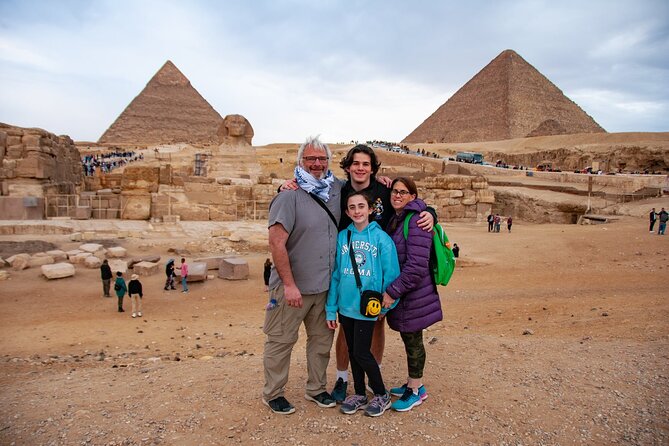
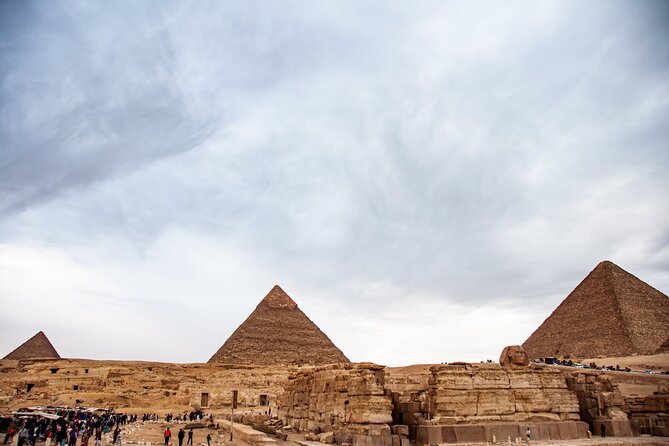
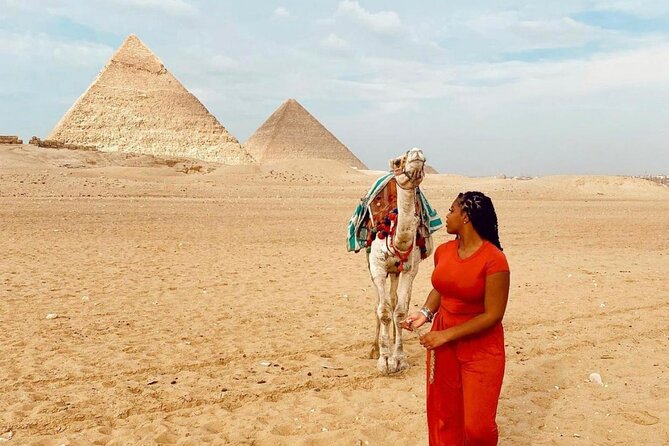
Giza is the kind of place where people expect to be impressed, but the real win is understanding what you’re looking at. Your guide walks you through the core monuments: the Great Pyramid of Cheops and the Pyramid of Khafre (also called the Middle Pyramid of Chephren).
The Great Pyramid is the oldest and largest of the three pyramids in the Giza complex, and it’s the only one of the Seven Wonders of the Ancient World that still exists in a largely intact way. When you see it in person, scale becomes the story. The guide’s job is to keep you from just staring upward without context—so you can connect shape, age, and why this complex mattered.
Then you move to the pyramid of Khafre. This one is described as the second-tallest and second-largest in Giza, and it’s tied directly to Fourth-Dynasty pharaoh Khafre (Chefren), who ruled around the mid-3rd millennium BC. That timeframe matters. You’re not just sightseeing “old pyramids.” You’re visiting tombs from a specific royal period, which is what turns the day from wow-moment into understanding.
A quick reality check: Giza is busy, and you’ll be in the sun. Wear comfortable shoes and bring sun protection. If you care about getting photos without feeling rushed, tell your guide early. More than once, guides like Hesham have managed to help with reducing line-waiting at key stops, which can save you time that you can spend walking at your own speed.
The Sphinx Moment: More Than a Postcard Stop
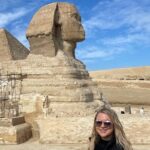
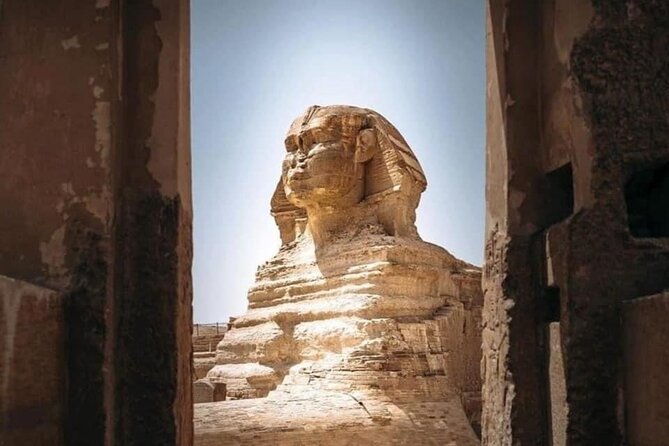
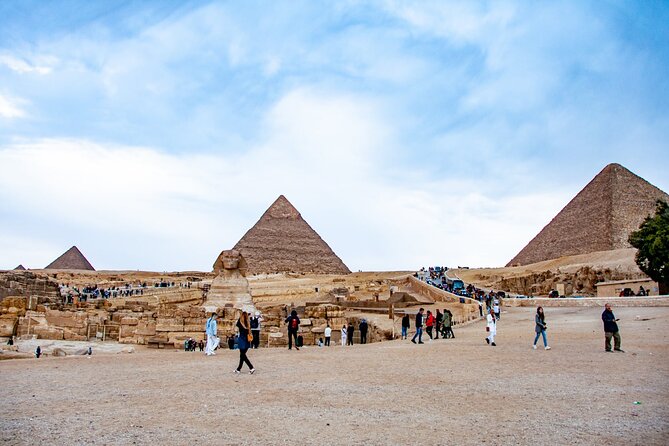
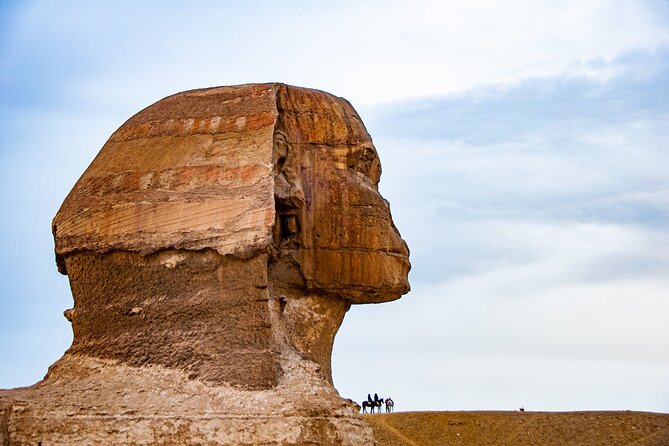
Your tour is titled to include the Sphinx, and it’s part of the Giza portion of the day. Even if you’ve seen the Sphinx in photos a hundred times, being there in person is different. It’s not only the size—it’s the way the Sphinx anchors the whole Giza setting, turning the pyramids from separate landmarks into one connected ceremonial landscape.
Here’s what I’d focus on with a guide: what the Sphinx is, why it belongs to the Giza story, and how it fits the broader idea of royal monuments and religious symbolism in this era. A good guide keeps the moment from becoming a quick drive-by photo and instead helps you look with intention.
If you’re the kind of traveler who likes a little time to wander and look around (instead of only following a script), this is one reason the private format helps. You can ask for a few extra minutes near the Sphinx area, then regroup without feeling like you’re holding up a big group.
Saqqara and the Step Pyramid of Djoser: Why Imhotep’s Design Still Matters
After Giza, you head toward Saqqara, a major necropolis described as a vast ancient burial ground. It served as the necropolis for Memphis, which was the ancient capital tied to the region’s political and cultural center.
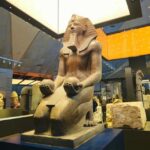
The highlight here is the Step Pyramid of Djoser. It’s often called the earliest colossal stone building in Egypt, and the details are part of what makes it such an important stop. The Step Pyramid was built in the 27th century BC during Egypt’s Third Dynasty, for the burial of Pharaoh Djoser. The name that connects the architecture to the human story is Imhotep—Djoser’s vizier, credited with the plan.
When you stand near it, the “steps” aren’t just a visual quirk. They’re a clue to experimentation and evolution in stone monumental design. The guide’s explanations help you see it as a turning point, not just a smaller pyramid “compared to Giza.”
A practical tip: Saqqara can feel more open than Giza, which is good for breathing room. Still, keep your water and sun protection handy. If you like asking questions, this is a great time. The Step Pyramid is packed with the kind of historical specifics that make explanations feel real rather than generic.
Memphis: Understanding the Capital Behind the Monuments
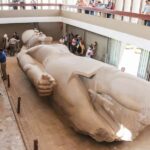
From Saqqara, you go to Memphis, the ancient city (listed as Memphis City) described as the ancient capital of Inebu-hedj. This is where the day starts to connect the dots.
The tour notes that Memphis was tied to the first nome of Lower Egypt, known as mḥw. That might sound like nerdy geography, but it matters. Memphis wasn’t just “near the pyramids.” It was a political center that linked rulers, resources, and religious beliefs. Understanding that helps you frame why Saqqara was the necropolis connected to Memphis, and why the whole region feels designed rather than accidental.
You may not see everything that once stood here, because centuries do what centuries do. But the key is how your guide interprets what remains. Ask questions like: where the city fits in the story, what the region meant to ancient Egyptians, and how the necropolis functioned. When you get that context, the time at Memphis becomes more than a break between big monuments.


Your Guide: The Real Difference in How the Day Feels
With a private tour, you’re basically buying one thing twice: access to sites, and access to a good explanation. That’s why this day leans so hard on the guide.
People often assume they’ll memorize facts. In reality, what you remember are moments: the story you were given right before you saw a monument, the helpful photo angles, and the way someone answers questions without brushing you off. That shows up in the way guides like Hesham and Rami have been described—friendly, attentive, and focused on photos and pacing.
One of the best signs in the reviews is that guides don’t rush. You get a tour overview, then real time to explore. That kind of timing is what prevents the day from feeling like a checklist. If you know you want extra minutes to look around, say it. If you want help taking pictures, say it. Private tours work best when you communicate what you want from the guide.
What to Budget Beyond the $78 Price
Let’s be honest about costs. The tour is $78 per person, but it excludes admission tickets and lunch. That’s not a deal-breaker—it’s just something you should plan for so you don’t get surprised mid-day.
Also, the tour includes the essentials that keep the day practical:
- Air-conditioned vehicle
- Private transportation
- Tour guide
That’s the core value. You’re not just paying for a map and a driver; you’re paying for someone to interpret what you’re seeing and keep the day organized.
Then there are the extras that can pop up. At Giza, one guide arranged a carriage ride option for their group, and the operator named was Ali. If you want that kind of experience, ask your guide ahead of time what’s possible during your visit. If you’d rather keep it simple, you can skip it and spend that time walking and getting your own photos.
Timing, Weather, and Staying Comfortable for 6–8 Hours
This is a long enough day to feel satisfying, but not so long that it’s automatically exhausting. Still, Cairo can be draining. The tour also states it requires good weather, meaning weather can affect whether you go or get offered another date or a full refund.
So build your plan around flexibility. If you’re planning other stops later that same day, don’t book yourself into a tight schedule right after. Give yourself a buffer for travel back to your hotel, plus the inevitable post-monument “we need water and a shower” moment.
Pace helps. A guide who gives a structured overview and then allows free time is the difference between seeing everything and feeling like you actually got to enjoy it. If you prefer to wander, use the guide’s checkpoints. If you prefer photos, ask for photo time before the most crowded areas.
Should You Book This Giza, Sphinx, Saqqara, and Memphis Private Day Tour?
I’d book this if you want one organized private day that hits the biggest pyramid areas and then goes one step deeper into Saqqara and Memphis. The main reason is the guide-based approach: you’ll get context for why the Step Pyramid of Djoser matters, not just where it is. You also get a comfortable pickup-and-ride setup, which turns a potentially chaotic day into a manageable one.
Skip it (or at least adjust expectations) if you’re trying to pack this into a budget that only covers the headline price, because admissions and lunch are extra. Also, if you know you hate outdoor walking in heat, you’ll want to plan your own comfort strategy—sun protection and good shoes.
If you want a day that feels like you understood the monuments instead of just photographed them, this tour is a strong match.
FAQ
What sites does this private day tour include?
It covers the Pyramids of Giza, the Sphinx area (as part of the Giza visit), Saqqara with the Step Pyramid of Djoser, and Memphis.
Is pickup included?
Yes. Pickup is offered, from your hotel or the airport area.
How long is the tour?
The duration is about 6 to 8 hours.
Are admission tickets and lunch included?
No. Admission tickets and lunch are not included.
Is this a private tour or a group tour?
This is private. Only your group participates.
What is the cancellation policy?
You can cancel for a full refund up to 24 hours in advance. If the tour is canceled due to poor weather, you’ll be offered a different date or a full refund.