REVIEW · CAIRO
Guided tour to Luxor From Cairo by plane visiting the Tut Tomb
Book on Viator →Operated by Narmer Tours · Bookable on Viator
One flight turns the long road into Luxor. You get door-to-door pickup from Cairo, domestic flights to Luxor, and an Egyptologist guide who keeps the monuments clear and human. It’s a good fit if you want major sites without spending multiple days on logistics.
I love the way the day is built around the Valley of the Kings and then slows down for Tutankhamun’s tomb when you pick the option that includes it. You’re not just ticking boxes; you’re hearing the stories that connect each stop.
The only watch-out is that flight timing is tied to your reservation day, and during peak periods extra flight costs may apply. Also, the full experience depends on good weather, since the flights and schedule need it.
In This Review
- Key highlights to know before you go
- Why flying Cairo to Luxor works for a one-day visit
- Morning flow: pickup, airport transfer, and landing in Luxor
- Valley of the Kings: the tombs, the roads, and the sense of discovery
- King Tutankhamun’s tomb: seeing the youngest golden pharaoh
- Deir el Bahari and Hatshepsut: when temples feel like theater
- Colossi of Memnon: the mortuary temple’s surviving giants
- Medinat Habu (Madinat Habu): Ramses III, color, and working-city history
- Karnak Temple on the East Bank: the biggest worship machine in town
- Timing, tickets, and how the day stays manageable
- Price and value: what $172 gets you (and what it doesn’t)
- The human factor: guides and drivers make the difference
- Who should book this Luxor-from-Cairo by plane tour
- Should you book it?
- FAQ
- How long is the Luxor from Cairo tour?
- How much does it cost per person?
- Is pickup offered in Cairo?
- Are domestic flights included?
- Is the Tomb of King Tutankhamun included?
- What sites does the tour cover?
- What’s included besides the sites?
- Is a mobile ticket used?
- Do I need good weather for this experience?
Key highlights to know before you go
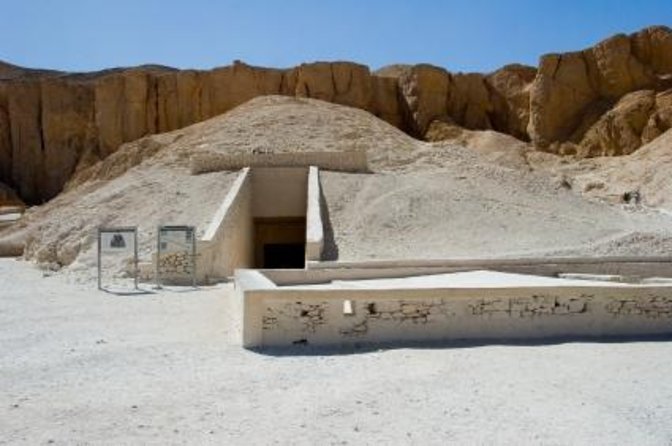
- Door-to-door Cairo transfers plus flights: less hassle, more time on the actual sites.
- Valley of the Kings first: the most important stop gets real focus early.
- Tutankhamun visit is option-based: pick the version that includes his tomb ticket.
- Deir el Bahari and Colossi of Memnon: strong contrast between temple terraces and stone giants.
- Karnak East Bank with optional Sekhmet: you get the headline temple and a chance for a quieter add-on.
Why flying Cairo to Luxor works for a one-day visit
Luxor is the kind of place where it’s easy to lose a whole day just on travel and transitions. This tour does the opposite. You start in Cairo, fly to Luxor, and keep moving all the way through the day with a guide guiding you from site to site.
If your time is tight, this format is one of the most practical ways to see the big names: the Valley of the Kings, King Tutankhamun’s tomb area (with the right option), Hatshepsut’s temple at Deir el Bahari, and Karnak on the East Bank. You also get time-based pacing, meaning you’re not stuck waiting around for others to catch up.
There’s also a cultural angle baked in. Your guide is set up to share what daily life can look like in southern Egypt, including how Arab communities in Luxor’s region fit into the bigger Egyptian story. That context helps you read what you’re looking at, instead of just staring at carved stone.
You can also read our reviews of more guided tours in Cairo



Morning flow: pickup, airport transfer, and landing in Luxor
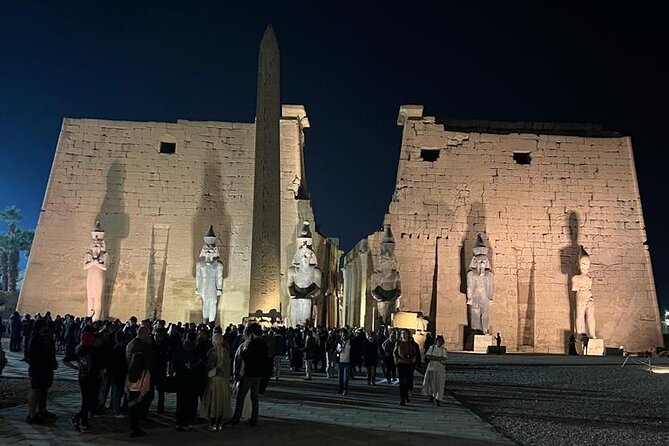
The plan is straightforward: you’re picked up in an A/C car and taken to Cairo airport. From there, it’s a domestic flight to Luxor. The tour description suggests a common start around 5 AM for Cairo-to-Luxor (timing can vary by your reservation day), with the return flight back to Cairo typically around 6 PM or 9 PM.
Once you land, the guide and driver meet you at the terminal gate. This matters more than it sounds. In Luxor, even a short delay can ripple through your whole day. Here, the intent is to keep the handoff tight so you can get into the first site on time.
Expect an early-day rhythm. Even if your hotel is comfortable, this isn’t a slow sightseeing outing. It’s closer to a full program day where you’ll want water, sunscreen, and a hat ready from the start.
Valley of the Kings: the tombs, the roads, and the sense of discovery
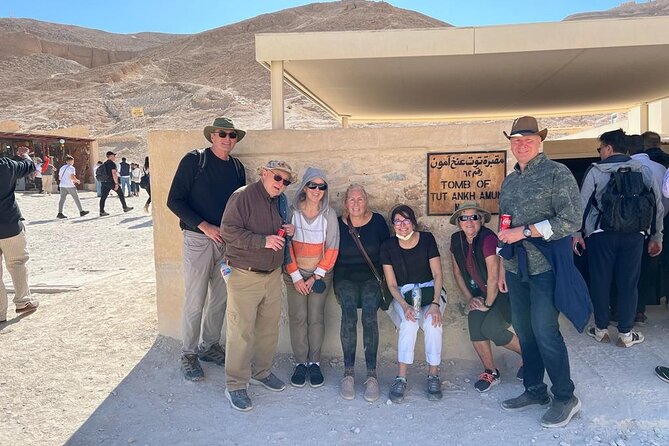
Your day starts at the Valley of the Kings, and that’s smart. The Valley is where you really feel how monumental this place is, not just visually but emotionally. From the road leading toward the site, you can already notice the setting that made these tombs possible—carving into the mountains with the quiet logic of people who believed in the afterlife.
You also get the idea that the Valley is not “finished.” Archaeological work is still ongoing, and the valley has long been the setting for tombs that were never found until much later. That keeps the visit from feeling like an open-air museum only. It’s more like a living research site wrapped in history.
A practical note: opening times can vary by month, partly to protect the tombs from heavy visitor counts. The tour includes admissions here, and your guide’s job is to keep the visit flowing within those limits. The stop is about 2 hours, so you’ll have time to see what you came for without feeling rushed every five minutes.
King Tutankhamun’s tomb: seeing the youngest golden pharaoh
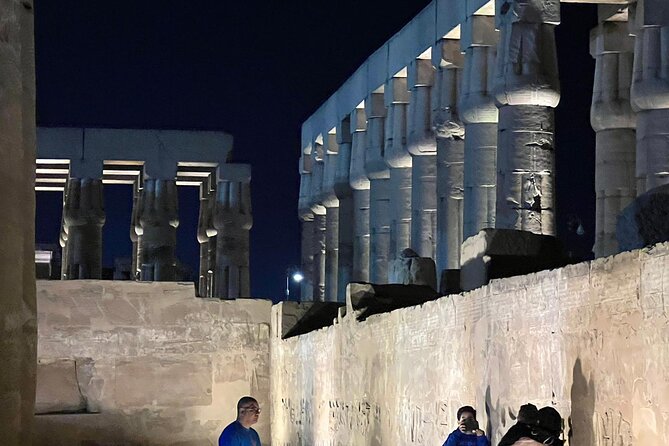
If you choose the option that includes it, the tour moves to the Tomb of Tutankhamun (Tut). The tour framing is clear: Tutankhamun is known as a very young pharaoh who ruled Egypt for nearly 10 years (roughly 1336–1327 BC), and the story of the discovery in 1922 is part of why this tomb became a worldwide reference point.
The experience here is not only about art and artifacts. Your guide also sets you up for the popular story around the Curse of the Pharaohs, then clarifies the truth behind that legend. That kind of fact-versus-myth approach is exactly what I like in guides, because it helps you enjoy the drama without losing your footing.
The practical takeaway: the stop for the Tutankhamun tomb visit is about 1 hour, so you should be ready for a focused visit rather than a slow gallery stroll. If you’re someone who loves reading every inscription line-by-line, pair this tour with extra time in Luxor on another day. If your priority is seeing the essentials with explanation, the timing works well.
Deir el Bahari and Hatshepsut: when temples feel like theater
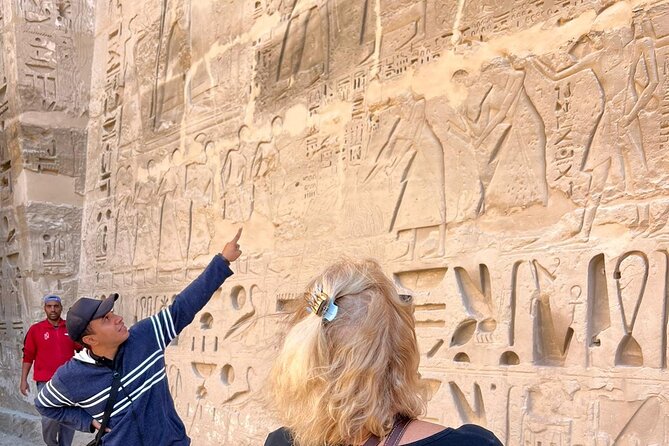
Next up is Deir el Bahari, where Queen Hatshepsut’s temple sits on layered terraces. It’s one of the most visually striking settings in Luxor, partly because the architecture feels staged—like the temple is designed to be approached and revealed.
Hatshepsut’s role is central to the story. She’s often called the Iron Woman, and the guide’s framing matters: Hatshepsut was one of the first Egyptian queens to take the throne for more than 20 years. Statues and depictions show her with features associated with kingship—so you’ll see how clothing, poses, and iconography were used to project authority.
The stop is about 1 hour. That’s enough to appreciate the layout and understand why the place carries weight, especially if your guide explains how the temple supports the narrative of legitimacy and power. It’s not a “quick photo stop.” With the right guide, you leave understanding what you’re seeing.




Colossi of Memnon: the mortuary temple’s surviving giants
After Deir el Bahari, you’ll see the Colossi of Memnon—two massive statues connected to the mortuary temple of Amenhotep III. Even if you’ve seen pictures, being there in person changes the feeling. The scale hits first. Then, if you know the context, the statues stop being just famous stones and become part of how the ancient Egyptians imagined royal eternity.
The stop here is around 1 hour and includes admissions. It’s also a breather in the day’s tempo. Compared with more densely carved temple spaces, the colossi are simpler: less clutter, more open sightlines, and a clearer sense of “where you are in the story.”
Medinat Habu (Madinat Habu): Ramses III, color, and working-city history
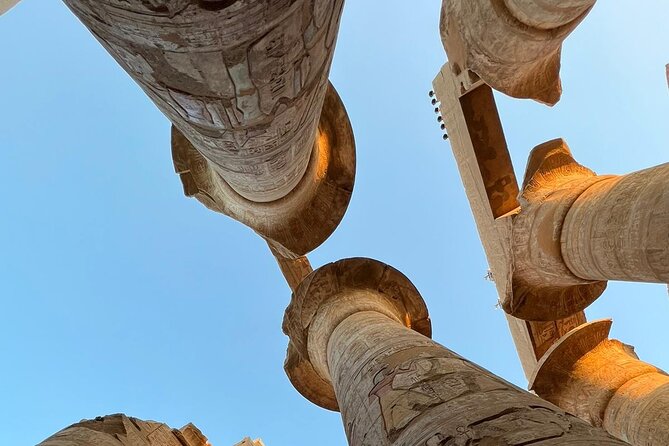
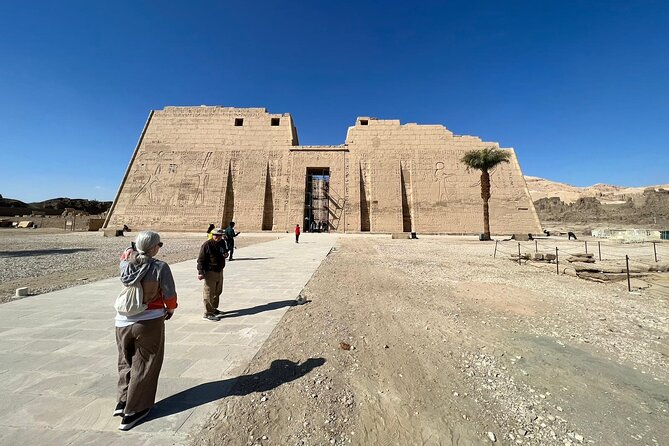
Then comes Temple of Medinat Habu, tied to King Ramses III. This stop is memorable because it’s described as one of the more beautiful temple settings, with inscriptions that still look stimulating in color. Whether the color is vivid at the moment you go depends on conditions, but the key idea is that the site still carries visual punch.
The visit also connects to battles and scenes from Ramses III’s time. That’s a different angle from the quieter funerary tone of some other stops. You’ll also hear about how the surrounding area connects to workers—specifically a place described as the Gold City, an underground village connected to workers who made gold in ancient Egypt.
This stop runs about 1 hour. Like the others, it’s structured for focus: see what’s important, understand the why, then move on before the day gets too heavy.
Karnak Temple on the East Bank: the biggest worship machine in town
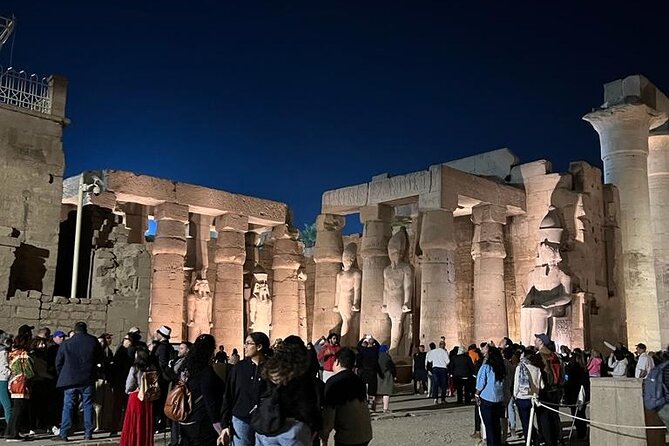
Karnak is the place most people picture when they think Luxor. Here, you’ll visit Temple of Karnak on the East Bank, dedicated to Amon, his wife Mut, and their son Khonsu.
It’s large. It’s layered. And it can turn into a blur if you’re just walking and reading tiny details by yourself. That’s why an Egyptologist guide matters here: they can connect how the temple’s layout supports religious practice and how later additions build on earlier ideas.
You’ll also have time to eat or grab a coffee during the day. That simple buffer matters because the day runs long—about 8 to 10 hours total. You don’t want to arrive at the final sites tired and cranky.
There’s an optional add-on inside Karnak: the chance to see the famous statue of the goddess Sekhmet in her private room. If you’re into strong personality deities and the way temples were tailored for specific cults, this option can be a great way to end on something a bit less obvious than the main halls.
Timing, tickets, and how the day stays manageable
The tour is designed for a single long day: roughly 8 to 10 hours from start to finish. That’s a big block, so your best strategy is to treat it like a marathon with checkpoints.
Tickets are included for the temple and tomb entries, and Tutankhamun’s tomb is included only if you selected the option that matches. This matters because the tomb is often the decision-point for people choosing between tour versions. Before you commit, confirm whether your booking includes the Tut tomb ticket.
Another practical point: the itinerary includes major monuments plus some descriptions of extra “hidden secret” type stops in Luxor, such as mentions of a Temple of Mentu Hotep and the Holy Trees (described as 7,500 years ago). The exact sequence and what you’ll see in that limited time depends on how the day runs. Ask your operator if those specific additions are included for your travel date, so you don’t end up with surprises when you arrive.
Price and value: what $172 gets you (and what it doesn’t)
At $172 per person, the biggest value driver is that you’re not paying separately for the major travel piece. The package is built around Cairo–Luxor domestic flights (if you selected that option), private transfers, and an Egyptologist guide, plus admissions for the sites listed.
That’s different from a standard land-only day trip where you might pay less but then spend money and time sorting out transportation on your own. When flights are included, the day feels tighter and more efficient.
The package does not include personal items. That’s normal, but plan for the day: water, sunscreen, and any snacks you like between stops. If you’re sensitive to heat, bring something light and protective.
During high seasons or last-minute dates, flight ticket prices can increase, and extra charges may apply. That’s worth budgeting for even if your base tour price is clear, because domestic flight pricing can shift quickly.
The human factor: guides and drivers make the difference
The review highlights point to a well-run operation, down to who handles what. Mohamed is mentioned as someone who arranged everything, with Adnan handling the airport driving transfers, and Waled as the Egyptology guide for the Luxor sites. When you get a guide who knows how to explain not just facts but relationships between places, the monuments feel like a connected story rather than separate stops.
Also, since this is a private group tour for your group, you’re less likely to get stalled by mismatched pacing. That’s a genuine comfort in a day packed with walking, waiting, and ticket lines.
Who should book this Luxor-from-Cairo by plane tour
This tour makes the most sense if:
- You have limited time in Egypt and want a strong Luxor hit in one day.
- You prefer an Egyptologist-led visit over self-guided wandering.
- You’d rather pay a package price than manage domestic flights and transfers on your own.
It may not be ideal if:
- You want a relaxed, unstructured day with lots of free roaming.
- You’d like to spend more time at the tombs without the schedule pace.
- You’re worried about an early start. The flight plan commonly begins around 5 AM.
If you love Karnak but also want deep time at multiple tombs, you might consider combining this with extra Luxor nights. This tour is built to cover the major highlights efficiently.
Should you book it?
Yes, if your goal is a high-impact day that stitches Cairo-to-Luxor travel into the sightseeing plan. The combination of flights, Egyptologist guidance, and included admissions gives you real value, especially when you’re trying to compress Luxor into one visit.
Book it with confidence if you’re excited by the big names—Valley of the Kings and Tutankhamun—plus temple stops like Deir el Bahari and Karnak. Just double-check that your selected option includes the Tutankhamun tomb ticket, and be ready for an early start and a long day.
If you want, tell me your travel month and whether you want Tutankhamun included, and I’ll help you pick the best timing strategy (morning start vs. later return) based on what’s listed for flight windows.
FAQ
How long is the Luxor from Cairo tour?
The total day runs about 8 to 10 hours.
How much does it cost per person?
The price is $172.00 per person.
Is pickup offered in Cairo?
Yes. Hotel pickup and drop-off are included, and you also get A/C car transfer to Cairo airport.
Are domestic flights included?
Domestic flights Cairo–Luxor are included if you select the option that includes them. The description also notes typical timing around 5 AM outbound and a return around 6 PM or 9 PM.
Is the Tomb of King Tutankhamun included?
It’s included only if you select the option that includes the Tutankhamun tomb ticket.
What sites does the tour cover?
It includes Valley of the Kings, the Tomb of King Tutankhamun (if selected), Temple of Hatshepsut at Deir el Bahari, Colossi of Memnon, Temple of Medinat Habu, and Temple of Karnak (East Bank).
What’s included besides the sites?
You get an Egyptologist tour guide, private transportation, domestic flights (if selected), tickets to the listed temples/tombs (and Tut tomb ticket if selected), plus hotel pickup and drop-off.
Is a mobile ticket used?
Yes, the tour includes a mobile ticket.
Do I need good weather for this experience?
Yes. The experience requires good weather. If it’s canceled due to poor weather, you’ll be offered a different date or a full refund.