REVIEW · CAIRO
Coptic Cairo Tour: Cave Church of Saint Simon and Old Cairo churches
Book on Viator →Operated by Egypt Tours Online · Bookable on Viator
Coptic Cairo feels like time travel. In four hours, you’ll bounce between some of Christianity’s most storied stops in Old Cairo—from cave pilgrimage sites to stair-stepped churches—while getting a real sense of faith in everyday neighborhoods.
Two things I love right away: the private, hotel-to-hotel pickup style of touring (so you’re not herded around), and the strong match between what you see and why it matters, like the Fort of Babylon area tied to the Holy Family tradition. One possible drawback: reaching the Cave Church means passing through the more industrial side of town, sometimes described as garbage and recycling zones, so you’ll want patience and an open mind.
In This Review
- Key points before you go
- A half-day that actually explains Coptic Cairo
- Price and value: what $8 per person gets you
- Private transport matters more than you think
- Stop 1: Coptic Cairo and the cave-pilgrimage story near Fort of Babylon
- Stop 2: Church of St. Barbara (short visit, big context)
- Stop 3: The Hanging Church and its Roman-era setting
- Stop 4: Synagogue Ben Ezra and the Cairo Geniza turning point
- Stop 5: St Simon the Tanner Monastery and the Mokattam Mountain miracle tradition
- Garbage City: seeing Cairo beyond the postcard map
- How the guide can make or break the tour
- Timing and what to expect on the ground
- Who this tour is best for
- Should you book this Coptic Cairo Tour?
- FAQ
- How long is the Coptic Cairo tour?
- Does the tour include hotel pickup and drop-off?
- Is this a private tour?
- Are entrance fees included?
- Is a guide included?
- Is lunch included?
- What stops are included?
- What about cancellation?
- Is there anything to consider for mobility?
Key points before you go
- Private vehicle, just your group: faster stops and less wandering.
- Fort of Babylon to the Cave Church world: you’re not just looking—you’re following a spiritual geography.
- The Hanging Church’s 29 steps: short climb, but plan for it.
- Ben Ezra and the Cairo Geniza story: a major chapter of manuscript history.
- St Simon the Tanner Monastery link to Mokattam: local miracle tradition tied to a specific saint.
- Garbage City drive-through: you see the city that most itineraries skip.
A half-day that actually explains Coptic Cairo
Coptic Cairo is one of those places where “churches” isn’t the whole story. Yes, the buildings are stunning, but the real magic is the way religious memory sticks to specific corners and layers of history. In a short window, you’ll travel through centuries of Christian presence in a part of Cairo that doesn’t feel staged.
I also like that the tour is structured around meaning, not checklists. You start in the Fort of Babylon area connected to the Holy Family tradition, then move through major Coptic churches and finally to Ben Ezra, where the story shifts from Christian pilgrimage to a broader Middle Eastern religious past.
And because this is a private tour with hotel pickup and drop-off plus an A/C car, you keep your energy for walking and looking. Cairo can wear you down fast—this format helps you spend your time on the good stuff.
You can also read our reviews of more tours and experiences in Cairo.
Price and value: what $8 per person gets you
At $8 per person for a 4-hour private tour, the value is the headline. The itinerary includes transfers by private A/C vehicle, pickup and drop-off at your hotel, and bottle water. Plus, each stop lists admission as free for the tour’s access.
There’s one catch to keep in mind: the “guide” is optional. That doesn’t mean you can’t enjoy the sites, but if you want the stories that make Coptic Cairo click, you’ll likely want a guide service added. In the reviews, guests praise guides by name—Pierre Romany, Hassan, Khalaf, Sayyed, and Youssef/Abdullah as drivers are mentioned often—so treat the guide option as a value add, not an extra.
Also note lunch: it’s listed as optional, not automatically included. Since you’re visiting multiple sites in one half day, I’d plan for that—either eat before you go or budget for something simple afterward.
Private transport matters more than you think
Old Cairo streets can be chaotic, and Cairo’s traffic doesn’t care about your itinerary. What I like here is the private vehicle approach: it’s built for Cairo, not for a postcard. You’ll get pickup at your hotel and a drop-off at the end, and you’re not negotiating taxis between stops.
A/C also matters in Cairo. Even if you’re there in a cooler month, you’ll likely feel the heat and dust. Having air conditioning for transfers helps you stay focused on the churches instead of just surviving the ride.
One practical tip: one review specifically suggested not renting a car for this kind of outing. I don’t blame them. Parking and driving near busy historic areas can eat time and energy. A driver who knows the streets (like Abdullah and Youssef, named in reviews) can be the difference between a smooth morning and a stressful one.
Stop 1: Coptic Cairo and the cave-pilgrimage story near Fort of Babylon
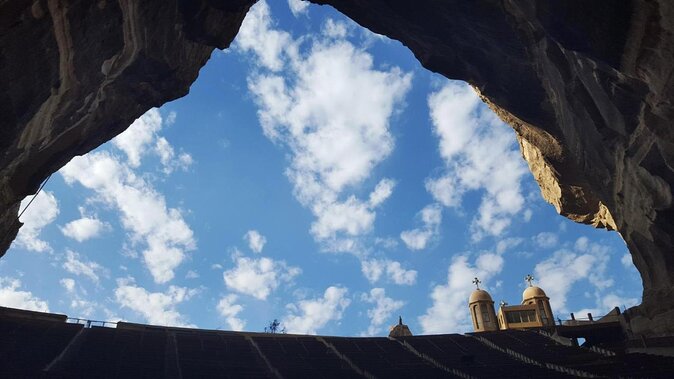
Your first stop is Coptic Cairo, around the Fort of Babylon area—often associated with pilgrimage and devotion. This is the zone where the tradition links the Holy Family’s presence to a time of danger, with the story tied to sheltering in a cave. In later years, a church was built above that cave tradition, and that’s why this area carries such spiritual weight.
What you’ll actually feel here is piety in the physical space. Even if you’re not deeply religious, it’s hard not to notice how people move through the area: reverent, purposeful, and connected to long-standing routes of faith.
You’ll spend about an hour at this first stop. That’s enough time to see the key cave church area and absorb what your guide explains—especially the connection between the early story and why a later church rose above it. If you’re the type who loves “why this spot, not that spot,” this is the strongest part of the tour to pay attention.
Stop 2: Church of St. Barbara (short visit, big context)
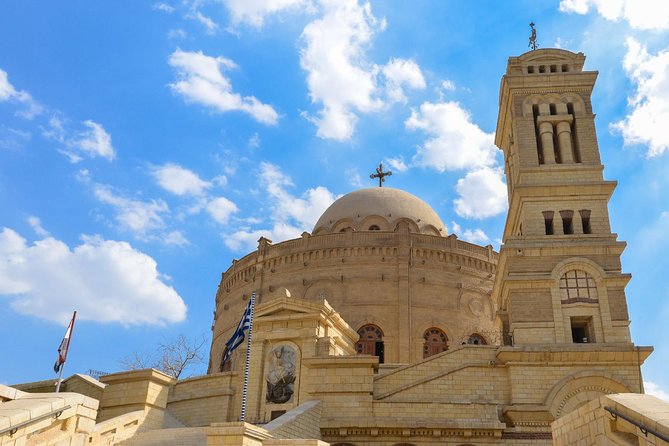
Next is the Church of St. Barbara, a quick stop at about 30 minutes. St. Barbara is listed as a Great Martyr in Eastern Orthodox tradition, connected in accounts to the 3rd century and to Heliopolis Phoenicia—today’s Baalbek area.
This is the kind of church stop that rewards focus. With only half an hour, you won’t be wandering for ages. Instead, look for the way the church fits into the broader Coptic landscape you’ve already started to see: different saints, different traditions, same core feeling of continuity.
If you want maximum value from your time, this is where I’d listen carefully to your guide’s links between saint stories and local devotion. Short stops are only “quick” if you treat them like they’re part of a bigger map.

Stop 3: The Hanging Church and its Roman-era setting
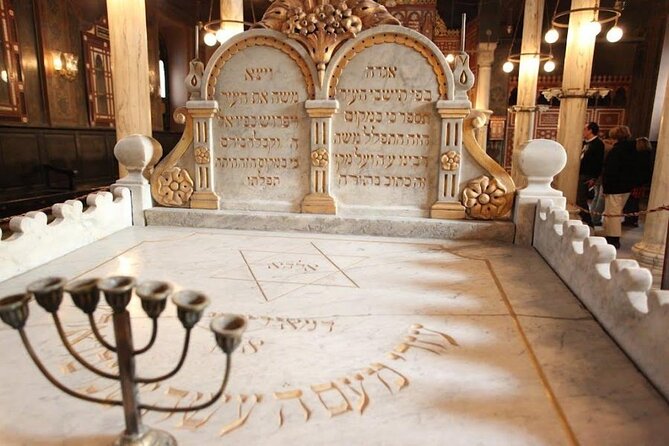
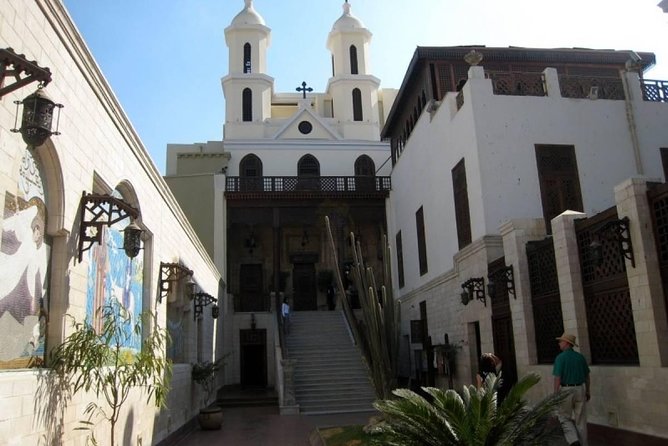
The Hanging Church earns its nickname because of its location. It’s named for being built above a gatehouse of Babylon Fortress, with a nave suspended over a passage.
It’s also approached by 29 steps, and early travelers dubbed it the Staircase Church. One more detail to remember: the surrounding ground level has risen over time, so the Roman tower is partly buried now—meaning the church’s “elevated” feeling can shift depending on where you stand.
In 30 minutes, you can do the essentials: climb the steps, take in the suspended nave concept, and let the guide explain how the fortress layers shaped church architecture and layout. If you have mobility limitations, this is a key point to consider. The steps aren’t an all-day trek, but they are real.
Stop 4: Synagogue Ben Ezra and the Cairo Geniza turning point
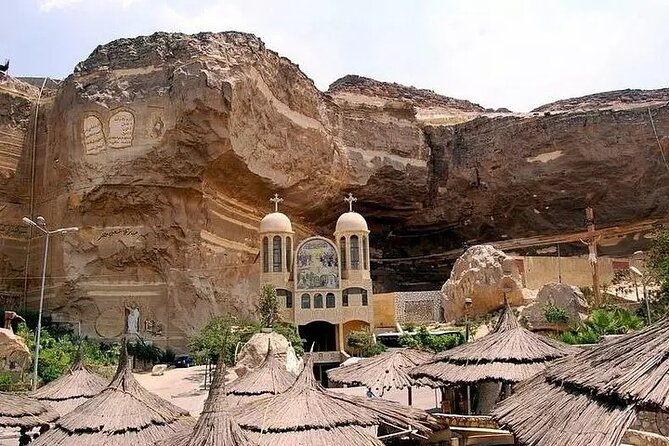
This stop is where the tour spreads wider than Coptic Christianity. Synagogue Ben Ezra connects you to the Cairo Geniza, a store room discovered in the 19th century that held a major cache of Hebrew, Aramaic, and Judeo-Arabic manuscripts—both secular and sacred.
The Cairo Geniza story matters because it helped preserve texts that might otherwise have been lost. According to the information provided for the tour, the collection was brought to the University of Cambridge, and Solomon Schechter played an instigating role. Today, the collection is divided among several academic libraries.
Expect about an hour here. That’s perfect timing to connect a site you can walk into with a huge idea: that historical storage spaces can become research lifelines centuries later.
If you like history that connects faith to daily life (and not just famous rulers and wars), this stop is a strong “aha.” Ben Ezra helps you see Cairo as a shared religious crossroads, not only as separate timelines.
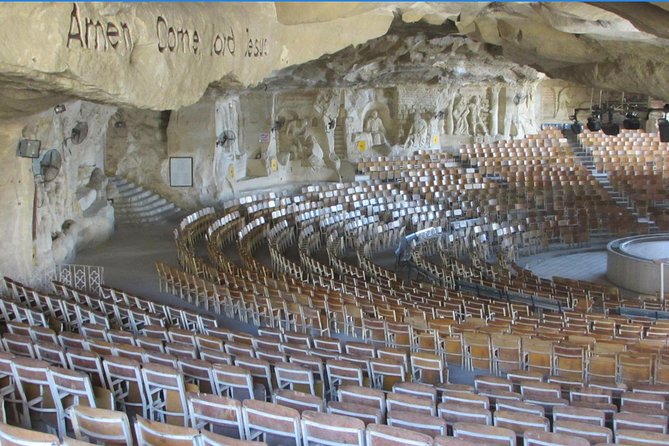
Stop 5: St Simon the Tanner Monastery and the Mokattam Mountain miracle tradition
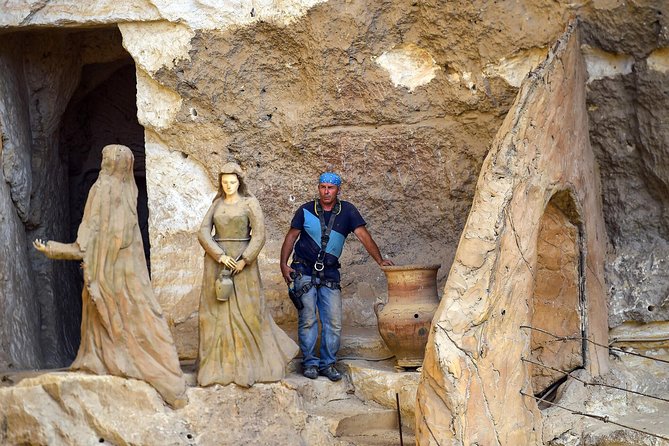
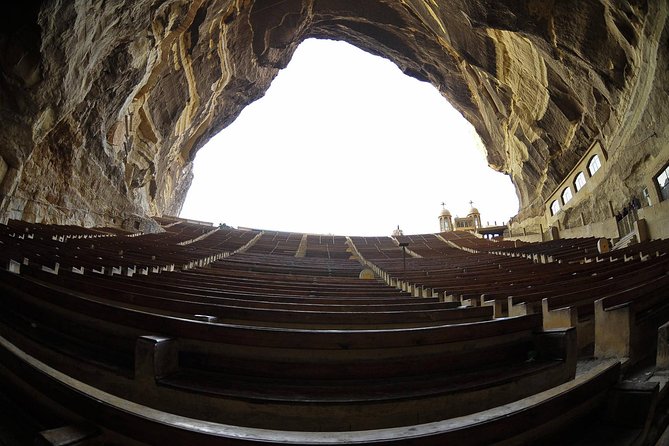
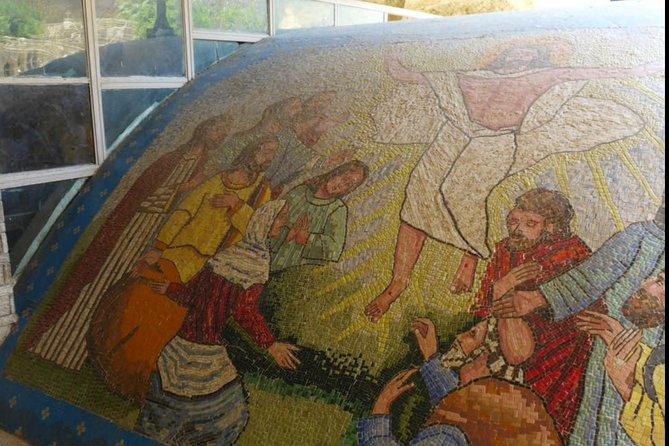
Your final major site is St Simon the Tanner Monastery, tied to the Coptic Orthodox saint associated with the story of moving Mokattam Mountain in Cairo. This tradition is linked to the Fatimid Caliph al-Muizz Lideenillah’s rule, with Abraham the Syrian identified as Pope of the Coptic Orthodox Church in the tour’s explanation.
The stop is about an hour. That’s time to understand why this monastery isn’t just a building visit. It’s a place where legend, identity, and religious memory connect to a specific geographic drama—the mountain and the miracle tradition.
I like how this rounds the tour out. You start with cave pilgrimage and fortress layers, pass through major Coptic churches and saint devotion, then shift into a landmark tied to manuscript preservation, and end at a monastery connected to a miracle story rooted in Cairo’s landscape.
Garbage City: seeing Cairo beyond the postcard map
One of the most talked-about “real Cairo” moments in this kind of routing is what the tour description calls a glimpse of garbage city. You won’t just admire the churches from a safe bubble. You’ll ride through parts of Cairo that most visitors skip.
A review even pointed out that there’s only one entrance to the Cave Church area, which can funnel you through the dirtiest zones associated with recycling. If you’re sensitive to smells or visuals, go in mentally prepared. Keep water with you (you’ll have a bottle included) and remember: seeing the city honestly can be part of the meaning of traveling.
Also, the private car helps here. Even if the scenery isn’t pretty, you’re not stuck walking around in it. You’re guided to the sites and moved on again, so the discomfort stays contained.
How the guide can make or break the tour
With this itinerary, the main difference between an average outing and a great one is storytelling. The facts are there—saints, dates, architecture, the Geniza—but you’ll get more out of the experience if your guide can connect those facts to what you’re standing next to.
The strongest praise in the reviews repeatedly centers on guides who speak clearly and explain history with confidence—Pierre Romany, Hassan, Khalaf, Sayyed, and others are named. There’s also a big callout for driver skill and care: Mohammed, Abdullah, and Youssef are mentioned as smooth, safe, and friendly.
One practical suggestion from a review that I’d actually listen to: if you’re traveling during Ramadan, ask for a Christian tour guide. Access can be affected by worship schedules and what areas are open, and a guide who knows the rhythm of the day can help you plan what you’ll see.
Even without Ramadan, ask your guide a simple question at the start, like what they consider the “heart” of Coptic Cairo. You’ll steer the tour in the direction you care about most.
Timing and what to expect on the ground
The tour runs about 4 hours total, and each stop is time-boxed: roughly 1 hour at the Fort of Babylon/Coptic Cairo area, then shorter visits at St. Barbara and the Hanging Church, an hour at Ben Ezra, and about an hour at St Simon the Tanner Monastery.
That structure is good for most people. You’ll see a lot without getting exhausted. The main physical challenge is the Hanging Church steps. If you want to be safe, wear shoes you trust on uneven stone.
Also, this is a private tour, meaning you don’t need to share pacing with strangers. That matters in crowded historic neighborhoods where one slow group can turn a plan into a scramble.
Who this tour is best for
I’d point you toward this tour if you want:
- A fast, focused way to understand Coptic Cairo beyond a surface photo tour
- Major Christian sites like the Hanging Church and cave pilgrimage areas
- A connection to broader religious history through Ben Ezra and the Cairo Geniza
- Hotel pickup and a private A/C vehicle to keep the day comfortable
This might not be your best match if:
- You can’t handle steps (the Hanging Church has 29 steps)
- You’re very uncomfortable with parts of Cairo that aren’t pretty, especially around the Cave Church approach
Should you book this Coptic Cairo Tour?
If you want value, meaning, and a clean logistics plan for Old Cairo, I think it’s an easy yes. The $8 per person price becomes especially compelling when you factor in hotel pickup, private A/C transport, and free admission listed for each site.
My recommendation is simple: book it if you care about context. Coptic Cairo is the kind of place where the story behind a church can make the church feel alive. If you want that story, add the guide option and—if you’re visiting during Ramadan—request a Christian guide.
If you want your day to be comfortable and structured, a private half-day like this is one of the more efficient ways to see Cairo’s spiritual side without turning your trip into a traffic-and-taxi workout.
FAQ
How long is the Coptic Cairo tour?
The tour lasts about 4 hours.
Does the tour include hotel pickup and drop-off?
Yes. Pickup and drop-off at Cairo hotels are included.
Is this a private tour?
Yes. It’s private, so only your group participates.
Are entrance fees included?
The tour’s stop information lists admission as free for each site included on the itinerary.
Is a guide included?
A guide is listed as optional. If you want commentary, you can choose to add the guide option.
Is lunch included?
Lunch is listed as optional, not included.
What stops are included?
The tour includes Coptic Cairo (Fort of Babylon area/Cave Church of the Holy Family tradition), Church of St. Barbara, the Hanging Church, Synagogue Ben Ezra (Cairo Geniza), and St Simon the Tanner Monastery.
What about cancellation?
You can cancel for a full refund up to 24 hours before the experience start time.
Is there anything to consider for mobility?
The Hanging Church is approached by 29 steps, so consider that if you have mobility concerns.