REVIEW · CAIRO
Private Tour: Egyptian Museum
Book on Viator →Operated by South Sinai Travel · Bookable on Viator
King Tut is closer than you think. A private Egyptologist makes the Egyptian Museum in Cairo feel less like a maze and more like a guided timeline, with Tutankhamun’s famous finds as the anchor. You’ll get a hotel pickup, an air-conditioned ride, and a route through thousands of artifacts that would be hard to piece together alone.
What I like most is the way the guide turns a huge collection into something you can actually follow. Two highlights for me: context-first storytelling (so objects make sense, not just sit behind glass) and the option to shape the pace by telling your guide what you want more or less of.
The main drawback to plan around is time. This is about 3 hours total, and in a museum this big, some guides may keep things brisk. If you’re the slow-browse type, you’ll want to be clear about priorities early so you don’t feel swept along.
In This Review
- Quick Takeaways
- Private Egyptologist Guidance in Cairo’s Museum Maze
- Morning Pickup and the Air-Conditioned Ride to the Museum
- Tutankhamun Highlights: The Gold Mask, Coffins, and Chariot
- Egyptian and Roman Collections: Why the Museum Feels Bigger Than It Is
- The Royal Mummies Room: Ramses II and the Extra-Cost Choice
- Pacing, Private Adjustments, and the Rushed vs. Relaxed Reality
- Lunch Option, Papyrus Institute Add-On, and Souvenir Timing
- Price and Value: Is $99.18 Worth It?
- Who Should Book This Private Museum Tour
- Should You Book This Private Egyptian Museum Tour?
- FAQ
- What time does the tour start?
- How long is the Egyptian Museum private tour?
- Is hotel pickup included?
- Is admission included?
- Can I add the Royal Mummies Room?
- Is lunch included?
- What language guides are included?
- Can I cancel for a full refund?
Quick Takeaways
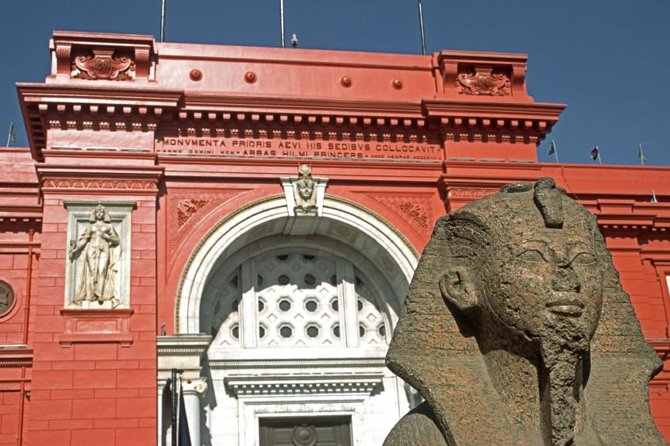
- Private Egyptologist guidance that helps you navigate tiny labels and crowded halls
- Tutankhamun focus including the gold death mask, coffins, and chariot highlights
- Egyptian + Roman collections covered in one efficient visit, not a scattershot tour
- Optional Royal Mummies Room for ruler mummies like Ramses II (extra cost)
- Tour pacing varies by guide, so set your must-sees at the start
Private Egyptologist Guidance in Cairo’s Museum Maze
The Egyptian Museum in Cairo is the kind of place where you can easily get lost just moving from room to room. Even if you’ve studied ancient Egypt, the sheer number of objects can blur together fast. A private Egyptologist guide solves that problem by pointing you toward the real “why should I care?” pieces first, then filling in the timeline as you go.
In the best versions of this tour, the guide doesn’t just name objects. They connect them—funerary items to royal power, everyday objects to daily life, and Roman-era pieces to how ancient themes carried forward. That matters because so much of what you’ll see is visually striking, but not obvious at a glance.
I also like that this is a private setup. Your guide can tailor the itinerary to your interests, which is a big deal here. If you want more funerary stuff, say so. If you’d rather spend time on Roman-period rooms or on older Egyptian periods, you can often steer the day.
You can also read our reviews of more private tours in Cairo



Morning Pickup and the Air-Conditioned Ride to the Museum
Your tour starts at 9:00 am with hotel pickup. You’ll ride in an air-conditioned minivan to the museum in central Cairo, and on the way, your guide provides an introduction to what you’re about to see.
This “warm-up” is more useful than it sounds. It helps you understand what the museum’s layout is trying to do, which exhibits are likely to matter most, and how the major sections connect. It also sets expectations for the time you have inside.
One practical reality: Cairo traffic can be slow. The tour duration is listed at about 3 hours, so your schedule is sensitive to road conditions. If your hotel is far from central Cairo, the drive could eat into museum time. Either way, your pickup keeps you from dealing with finding your own way through city traffic right at the start of the day.
Tutankhamun Highlights: The Gold Mask, Coffins, and Chariot
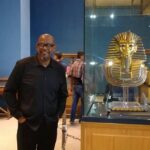
Every version of this tour is built around Tutankhamun. That’s not just marketing. The museum’s Tutankhamun collection is the star attraction because it’s so visually unforgettable and historically dense.
Inside, you can expect the big-ticket items tied to his burial:
- the solid gold death mask
- coffins (including gilded examples)
- the chariot and other funerary riches
The key is how the guide presents these objects. Instead of treating them like trophy cases, you’ll get the story of how funerary items were designed for kingship and the afterlife. When your guide explains what each item was for, the exhibit stops being just “cool gold” and starts feeling like a system of beliefs and craftsmanship.
If you care about details, choose a guide who’ll slow down in the Tutankhamun room when you ask. Some guides, like Fouad or Mohammed, are praised for making sense of a disorganized collection by giving structure that clicks. That kind of pacing can make the Tutankhamun area feel like the peak of a well-planned route, not a quick stop between hallways.
Egyptian and Roman Collections: Why the Museum Feels Bigger Than It Is
Tutankhamun is the headline, but the museum is really valuable for what comes after—how it connects ancient Egypt across eras, and how later periods (including Roman-era materials) fit into the broader story.
Beyond the Tutankhamun room, the museum holds an enormous range of artifacts, including items spanning:
- pharaonic furnishings and offerings
- tomb-related objects
- jewelry and other everyday pieces
- mummies and royal burial-related materials
- Roman-era funerary paintings and objects
One thing that can surprise you: many objects are not labeled in an easy, intuitive way. Some signs are small or limited in detail, and crowds make it harder to stand back and read. A private guide helps you avoid the common “I saw stuff, but I don’t really know what I saw” problem.
Also, the museum isn’t always equally guide-friendly. Some sections may have rules that limit where a guide can stand with the group. On tours that go well, you’ll still get explanations in the right places before you enter those areas, so you’re not walking in blind.
If your goal is to understand how Egyptian culture expressed itself through art, burial practices, and daily items, this is where the guide adds the most value. You’ll leave with a mental map: not every object, but the major threads that tie the collection together.
The Royal Mummies Room: Ramses II and the Extra-Cost Choice
The Royal Mummies Room is a major optional add-on and comes with an extra cost. If you’re into royal burials and want to see mummies tied to pharaonic rulers, it’s worth considering.
In this room, you can see the mummies of Egyptian kings, including Ramses II, who is associated with major temple building work like the Karnak and Abu Simbel areas.
What I’d watch for is time. This add-on is often where you’ll spend your “stretch” if the main tour runs short. On the positive side, guides who manage pacing well can make this feel like a highlight rather than a rushed checkbox. On the downside, some people experienced a tour that finished faster than expected, which can reduce time for the mummies room and other exhibits.
If you choose to add it, decide in advance what matters most to you: the mummies themselves, the surrounding artifacts, or the historical framing. Then tell your guide immediately after pickup or right after entering, so they can adapt the order.
You can also read our reviews of more museum experiences in Cairo




Pacing, Private Adjustments, and the Rushed vs. Relaxed Reality
This tour is built for flexibility. The tour description notes that if there’s anything you want to see more or less of, let your guide know and your itinerary can be tailored.
In practice, the difference between a great experience and a merely okay one often comes down to pacing. Some guides have been praised for patient explanations and for giving time to explore at your own pace. Others were criticized for rushing so fast that the museum visit felt short.
So here’s my practical advice: treat the 3-hour window as your hard constraint and set your priorities before you walk in.
- Tutankhamun must-see list first
- Then decide whether you want the Royal Mummies Room
- After that, pick one other theme: Roman-era funerary paintings, sarcophagi, or everyday objects
If your guide named Tariq or Ahmed, for example, you can ask for a structured route that hits your priorities first and leaves breathing room for questions. If you feel the visit moving too quickly, say so early. A private guide can often adjust on the fly, but you have to communicate your preference in the moment.
Lunch Option, Papyrus Institute Add-On, and Souvenir Timing
The tour may include lunch if you select the lunch option. If you don’t, you’ll still likely be done early enough to grab food on your own after the museum.
There’s also an optional add-on connected to ancient writing and art: a Papyrus Institute stop. Here, you can learn about papyrus as a medium, including how it was used as a base for artwork and writing. You may also be able to buy papyrus scenes as souvenirs, but those are an own-expense purchase.
Timing tip: if you’re hoping to buy souvenirs, do it with your museum priorities already done. Papyrus items can be tempting, and the institute stop can turn into a time sink if you haven’t set limits. Keep your shopping list short and decide what you want before the museum ends.
Price and Value: Is $99.18 Worth It?
At $99.18 per person, this tour sits in the “pay for help” category rather than “budget sightseeing.” The value comes from three things you’d struggle to replicate well on your own:
- Private Egyptologist guidance through a museum of overwhelming scale
- Hotel pickup and air-conditioned transportation, saving time and reducing hassle
- A route that centers Tutankhamun and then branches into key Egyptian and Roman highlights
Also, many costs that waste time on independent visits are removed here. You don’t have to figure out where to start, what to skip, or how to connect exhibits into a story. When the guide is strong, you’re not just viewing objects—you’re learning how they fit together.
It’s worth noting what’s included and what isn’t. Museum admission for the main stop is indicated as included. The Royal Mummies Room is additional cost, so factor that in if it’s on your list. Lunch is only included if you choose the lunch option. And if you’re not using an English guide, a transfer supplement may apply (the data notes a 1000 L.E supplement for languages other than English).
If you’re traveling with limited time in Cairo, or you want a first meaningful museum visit without feeling lost, the price starts to make sense fast. If you’re the type who enjoys wandering without structure, you might prefer self-guided time. But even then, the Tutankhamun collection is so central that having a guide for the first pass can still be money well spent.
Who Should Book This Private Museum Tour
This is a smart fit if:
- you’re short on time in Cairo and want a focused, high-impact museum visit
- you want a private Egyptologist rather than a crowded group experience
- you want a story-led tour that helps you understand Tutankhamun and related funerary objects
- you’d like to add the Royal Mummies Room and see rulers like Ramses II
It may be less ideal if:
- you want an unhurried, hours-and-hours museum drift with no structure
- you’re very price-sensitive and plan to rely on your own reading and photos
- you expect the full visit to feel like a half-day museum marathon (this one is closer to a compact, efficient route)
One more note from real-world experiences: guides and drivers can shape the day. Names like Fouad, Mohammed, Tariq, Ahmed, and Kaled show up in feedback for strong explanations and good pacing. Another mentioned pair—Amged as a guide and Naser as a driver—was described as professional and attentive, even with accessibility needs. That’s a reminder to ask questions before the tour begins and to communicate needs clearly.
Should You Book This Private Egyptian Museum Tour?
Yes, if your goal is to see Tutankhamun highlights and walk out with a clearer sense of what you just saw. The private format plus hotel pickup makes it efficient, and the Egyptologist explanations are the difference between staring at displays and understanding them.
I’d book it if:
- you’re visiting Cairo for the first time
- you want a structured path through a museum with 165,000+ artifacts
- you like history stories with practical object-level details
I’d hesitate if:
- you strongly prefer total free roaming and don’t want to manage a timeboxed route
- you’re planning to spend long hours in multiple galleries beyond what a ~3-hour tour can cover
FAQ
What time does the tour start?
The tour starts at 9:00 am.
How long is the Egyptian Museum private tour?
It runs for about 3 hours.
Is hotel pickup included?
Yes. Pickup is offered, and you travel by air-conditioned minivan with pickup and drop-off.
Is admission included?
Admission ticket is indicated as included for the main museum stop. The Royal Mummies Room is listed as an additional cost.
Can I add the Royal Mummies Room?
Yes, you can choose to visit it for an extra charge. It’s located within the museum and includes mummies of Egyptian rulers such as Ramses II.
Is lunch included?
Lunch is included only if you select that option.
What language guides are included?
English is included in the pricing. A transfer supplement may apply for languages other than English.
Can I cancel for a full refund?
Yes. You can cancel up to 24 hours in advance for a full refund. If you cancel less than 24 hours before the start time, the amount paid is not refunded.