REVIEW · CAIRO
Giza’s Grandeur – Great Pyramids, Memphis & Saqarra
Book on Viator →Operated by Egypt Wonderful Tours · Bookable on Viator
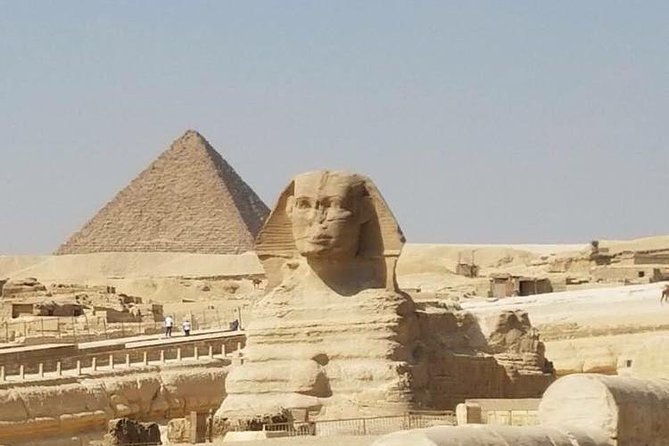
Pyramids plus Memphis in one day. This private, 8-hour circuit packs Saqqara and the Giza Pyramids into a logical, full-day route, with hotel pickup and a tour guide to make sense of what you’re seeing. You’ll move from the earliest pyramid experiment to the famed Old Kingdom power centers, then end with the big three pyramids and the Sphinx.
What I like most is the context. I love starting with the Step Pyramid of Zoser, described as the world’s oldest stone structure, because it explains why pyramid building mattered in the first place. And I also like that lunch and bottled water are included, so you’re not burning time or energy searching for food mid-day.
One thing to keep in mind: entrance fees are not included, so your final total will depend on what you pay on site for each stop. Also, it’s a long day with driving between major landmarks, so set expectations for constant moving from morning to late afternoon.
In This Review
- Key highlights you’ll actually use
- Saqqara-first: how this route builds understanding fast
- Saqqara and the Step Pyramid of Zoser (the start of a stone legacy)
- Memphis Museum: where the ancient capital feels close-up
- Giza’s Great Pyramids: Cheops, Chefren, Mycerinus in one sweep
- The Sphinx stop: why timing and viewpoint matter
- Lunch and water: small inclusion, big comfort payoff
- Guide quality and private tour feel (names you might hear)
- Price and value: what $57.15 really means
- Logistics that affect your comfort (without the headache)
- Should you book this Giza day tour?
- FAQ
- What sites are included in this tour?
- How long is the tour?
- Is pickup from my Cairo hotel included?
- Is the entrance fees included in the price?
- What’s included with the tour besides sightseeing?
- Is this tour private?
- What is the cancellation policy?
Key highlights you’ll actually use
- Step Pyramid of Zoser at Saqqara: a first look at the earliest big stone pyramid effort in Egypt
- Memphis Museum plus Ramses II statue fragment: a concentrated hit of what the ancient capital meant
- Great Pyramids of Cheops, Chefren, and Mycerinus: the classic three you came for
- Sphinx stop: a pharaoh’s head with a lion’s body for a strong bookend photo moment
- Lunch + bottled water included: fewer logistical headaches during the 8-hour day
- Private tour: it’s only your group, so timing and pacing are easier to manage
Saqqara-first: how this route builds understanding fast
This is the kind of day tour that works because it follows a cause-and-effect story. You start in Saqqara, where pyramid building begins in a more experimental, early form. Then you head to Memphis, the political and cultural capital of ancient Egypt. After that, the tour shifts into the showpiece era at Giza, where you see the monumental pyramids that made the Old Kingdom famous.
The practical win for you is that a guide can connect the dots while you’re still fresh. Instead of bouncing around landmarks without context, you get a clear flow: early pyramid concept → capital city power → peak pyramid constructions. That’s especially helpful when you’re looking at huge, famous sites where your brain can otherwise feel overwhelmed.
You’ll have hotel pickup in Cairo in the morning. The tour runs about 8 hours, and the operator’s stated hours cover departures within the day, with confirmation after booking. You also get a mobile ticket, which tends to reduce waiting around for paperwork.
One more small but meaningful detail: lunch is included. That matters on a day tour like this, because Saqqara and Giza can easily eat your whole morning and afternoon if you’re trying to shop for food between stops. Here, you can spend your mental energy on the monuments instead.
You can also read our reviews of more tours and experiences in Cairo.

Saqqara and the Step Pyramid of Zoser (the start of a stone legacy)
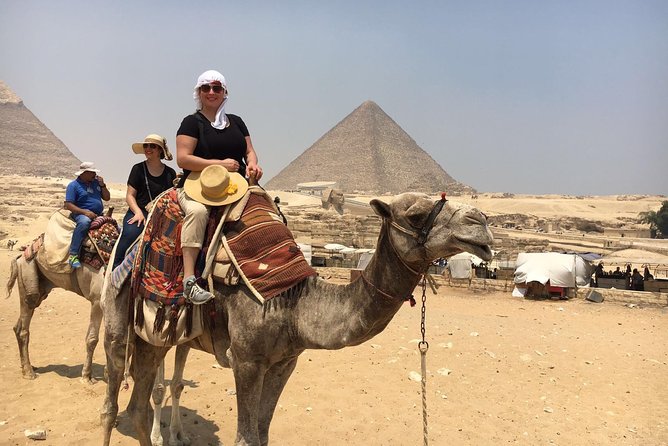
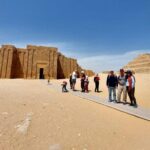
Saqqara is where the “pyramid story” starts to make sense. The big stop is the Step Pyramid of Zoser, and the tour description is direct: it’s the first pyramid built and the world’s oldest stone structure.
Even if you already know the famous name, seeing the Step Pyramid in person helps you grasp the idea behind it. It’s not the smooth-sided pyramid shape you picture from posters. It’s built in steps, and that difference matters. You’re looking at an early phase of royal ambition and engineering, when the goal was to create a lasting monument in stone rather than temporary materials.
You’ll have time to visit, and this is usually one of the more reflective portions of a Giza day. It’s also where a guide can help you notice how ancient builders thought: the shift from earlier forms toward something bigger and more permanent. That early “why” makes the later stops at Giza hit harder, because you’re not just seeing scale—you’re seeing progression.
A practical note for you: Saqqara sits in the same desert zone as Giza, so plan for typical site conditions. This tour provides bottled water, but you’ll still want sun protection and a bit of patience if you’re sensitive to heat or bright light.
Memphis Museum: where the ancient capital feels close-up
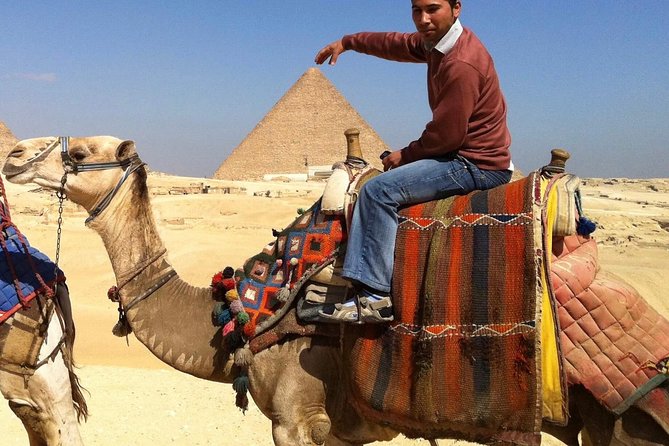
After Saqqara, the tour drives to Memphis, described as the capital of the ancient kingdom and one of the most important cities throughout ancient Egyptian history. You’ll visit the mostly open-air Memphis Museum.
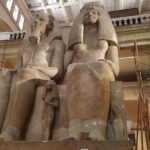
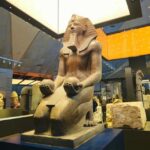
This stop can be a game-changer because Memphis isn’t just about one monument. It’s about grounding the pyramids in the city that organized power around them. The tour also highlights a specific sight: the fallen statue of Ramses II.
That “fallen” detail matters. It changes your viewing experience from postcard-perfect to human-scale and historical. You’re seeing a piece that survived long enough to become part of the landscape of the present—ruins and fragments that still carry meaning. A guide can help connect the statue to the broader story of rulers and monuments, especially once you’ve just left Saqqara.
If you like your day tours to feel balanced—not only “look at big structures”—Memphis is your middle course. It gives you a different kind of information density: fewer massive silhouettes, more direct objects tied to real individuals and real reigns.
Giza’s Great Pyramids: Cheops, Chefren, Mycerinus in one sweep
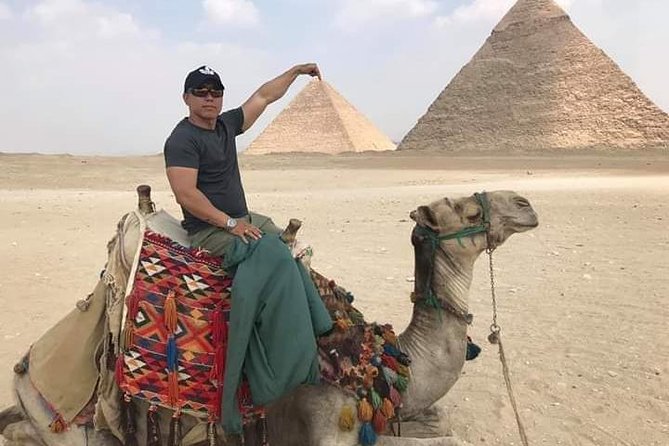
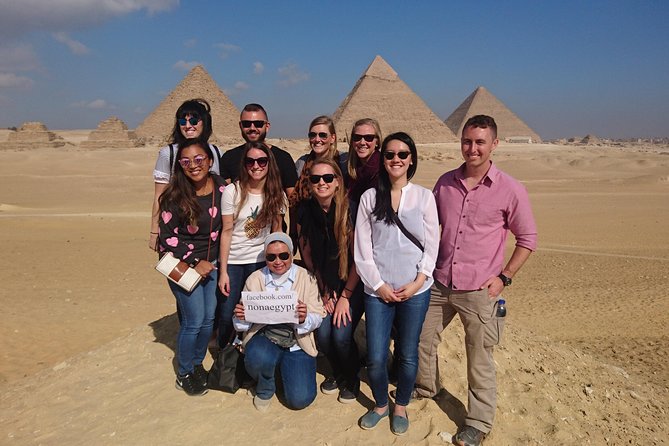
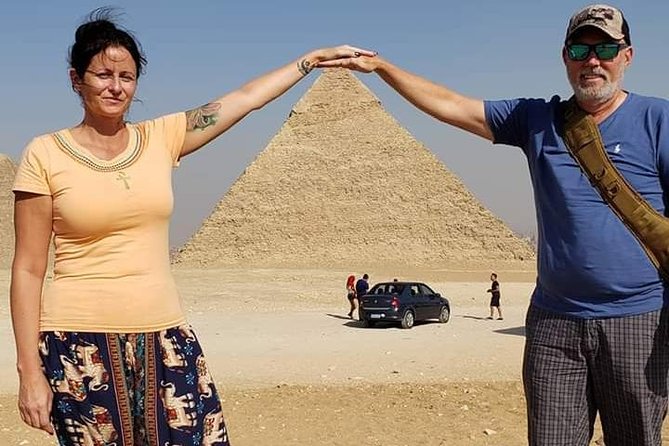
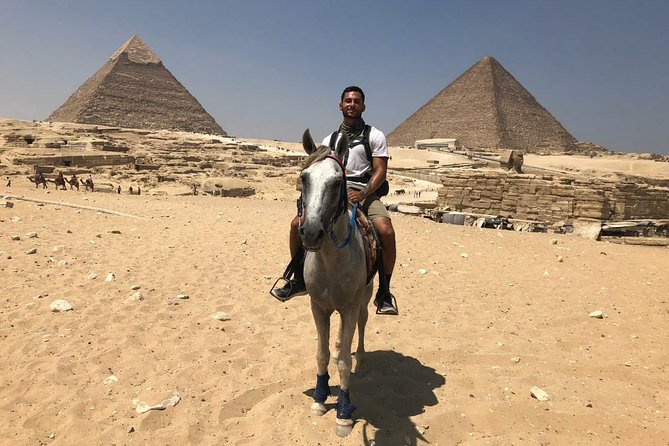
Then you hit the main event. The tour takes you to the Great Pyramids of Cheops, Chefren, and Mycerinus. These are the three names most people know, but seeing them together with a guide is where the experience becomes more than sightseeing.
Here’s what you’ll likely appreciate as you walk and look: the relationship between the pyramids isn’t just visual. It’s historical. You’re viewing the “peak form” part of the story that began at Saqqara. Even if you don’t memorize dates, you’ll come away with a clearer mental map of why these monuments are so closely tied to the Old Kingdom’s image of royal power.
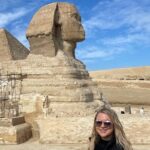
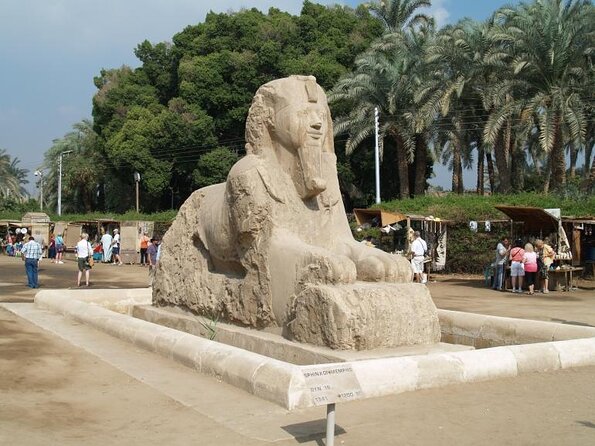
The tour also includes the Sphinx, described as a pharaoh’s head with a lion’s body. The Sphinx is more than a photo stop. It’s a symbol of kingship presented in a mythic form, meant to feel both human and permanent. When you see it after the pyramids, it helps you connect the theme: rulers weren’t only building tombs—they were building ideas.
A realistic heads-up for your expectations: Giza is big, and sightlines vary. Your guide’s job is to steer you toward viewpoints that make each pyramid easier to “read.” If you’re the type who likes explanations while you look (not after), this is one of the best parts of the day.
The Sphinx stop: why timing and viewpoint matter

The Sphinx is usually where people either love the tour or just get the checkmark. The difference is often the angle you see and the context you’re given.
This tour includes the Sphinx in the afternoon after the pyramid visits. That means you experience it after already absorbing the pyramids’ scale. So the Sphinx can feel less like a lone statue and more like a companion to the entire sacred complex.
Practically, you’ll want to pause and look from a couple of angles. A guide can help you focus on key features described in the tour framing: the pharaoh’s head and lion’s body, and how that blend signals power and protection in a symbolic way.
If you care about photos, bring patience. With famous sites like this, the best images often come from waiting for a moment when crowds thin slightly and light lines up. The good news: your day isn’t built around one rushed stop. You get time at multiple sites, which helps you avoid the feeling of being sprinted through.

Lunch and water: small inclusion, big comfort payoff

A tour can list famous landmarks and still feel exhausting if it ignores the basics. Here, the inclusion of lunch and bottled water makes the day more workable.
For you, that translates to fewer decision points. You don’t have to figure out where to eat right after you finish at Memphis or wonder how to stay energized between Saqqara and Giza. Lunch also helps you avoid the common mistake of delaying a meal too long—then everything feels harder: walking, viewing details, and listening to your guide.
The timing is built into an 8-hour framework, which suggests the tour is designed as a full, continuous experience rather than a “drop in and out” set of stops. That helps when you’re visiting Cairo for limited time and want to see major highlights without planning every hour.
Guide quality and private tour feel (names you might hear)
The guides are a big part of why this tour earns consistently high praise. In the reviews, I saw multiple guide names called out for being both helpful and personable, including Ashour, Faten, Hosny, Sameh, and Mohammed (noted as a driver in one review). If your day includes a guide like these, you’re likely to get clear explanations and good practical tips.
I also like that it’s a private tour, meaning it’s only your group. That matters for you in two ways: you can ask questions without feeling like you’re interrupting a big shared bus tour, and the guide can adjust pacing when you want extra time for photos or a more careful look.
One review also highlighted a guide making the trip feel more thoughtful by stopping for pictures even around the Nile bridge. That’s the type of small, human flexibility that turns a schedule into an experience.
Price and value: what $57.15 really means
At $57.15 per person for an approximately 8-hour private tour with pickup, a tour guide, lunch, and bottled water, this can be good value—especially if you want the major Old Kingdom stops in one day.
Here’s the reality check: entrance fees are not included. So the true cost can be higher once you pay for site entry. If you’re comparing tours, don’t just compare the headline price. Add the likely entrance fees in your planning so you’re making a true apples-to-apples decision.
Still, even with entrance fees added, this format can be cost-effective because you’re paying for concentrated guide time and transportation between three big areas: Saqqara, Memphis, and Giza. If you tried to piece together a similar route on your own, you’d likely spend comparable money on multiple taxis or private transport, plus you’d still need your guide to understand what you’re seeing.
For your best value, go in ready to pay the entrance fees and focus on the guided context. That’s where the day tour earns its price.
Logistics that affect your comfort (without the headache)
This is designed to run smoothly. You get pickup from Cairo hotels, and you use a mobile ticket. Confirmation is received at booking, and the experience has stated hours within the day window listed.
Because it’s private, your group doesn’t get stuck behind other groups in the same way a large bus tour can. That helps your day feel calmer, even though the sites themselves are always popular.
The other key point: the tour ends back at your hotel. That’s a convenience for you, especially if you don’t want to negotiate transport back and forth between Cairo and the Giza/Saqqara zone again.
One more practical consideration: it’s an all-day loop, so keep your expectations realistic. You’ll see a lot, but you won’t have the luxury of wandering endlessly. If you like structured time with clear highlights, you’ll probably love this.
Should you book this Giza day tour?
I’d book this tour if you want a single-day introduction to Saqqara and Old Kingdom highlights that doesn’t feel chaotic. Starting with Zoser’s Step Pyramid, then grounding the story in Memphis, and finishing with the Great Pyramids and Sphinx is a strong way to turn famous monuments into a connected narrative.
Skip it or reconsider if your top priority is maximum time at just one site, because this is built for coverage. Also budget for entrance fees, since they’re not included in the base price.
If you’re short on time in Cairo, this is one of the more practical ways to hit the big names while still getting explanations from a guide. And if you end up with a guide like Ashour, Faten, Hosny, or Sameh, you’re likely to come away with the feeling that the monuments made sense, not just looked impressive.
FAQ
What sites are included in this tour?
You’ll visit Saqqara (including the Step Pyramid of Zoser), Memphis (including the open-air Memphis Museum and the fallen statue of Ramses II), and then the Great Pyramids of Cheops, Chefren, and Mycerinus, plus the Sphinx.
How long is the tour?
The tour duration is approximately 8 hours.
Is pickup from my Cairo hotel included?
Yes, pickup is offered from your hotel in Cairo.
Is the entrance fees included in the price?
No. Entrance fees are not included.
What’s included with the tour besides sightseeing?
Lunch, a tour guide, and bottled water are included. You’ll also have a mobile ticket.
Is this tour private?
Yes. It’s listed as a private tour/activity, meaning only your group participates.
What is the cancellation policy?
You can cancel for a full refund up to 24 hours before the experience’s start time. If you cancel within 24 hours, the amount paid is not refunded.