REVIEW · CAIRO
Giza Pyramids, Sphinx & Egyptian Museum treasures with private qualified guide
Book on Viator →Operated by Egypt Wonders Tours · Bookable on Viator
Cairo can feel like a blur of noise and traffic. This private 8-hour plan gives you a clear route through the Giza Pyramids and Sphinx and then on to the Egyptian Museum, with a guide who explains what you’re actually looking at. I especially like that it’s set up as a private tour with just your party, so you’re not stuck waiting for the slowest person in the group.
My second favorite part is the museum focus: you’ll have a chance to see Egyptian Museum treasures laid out in historical order, including well-known finds tied to the tomb of the Golden Pharaoh Tutankhamen. I also like the practical touches like hotel pickup/drop-off and an air-conditioned minivan, which matters a lot in Cairo. One thing to keep in mind is that the day is long, with a moderate fitness expectation and lots of walking in sun and uneven stone.
In This Review
- Key things to know before you go
- Why this Cairo day works: pyramids, museum, and market time
- Pyramids of Giza: Cheops, Chephren, Mykerinus and the evolution story
- The Great Sphinx: a focused visit that connects to burial beliefs
- Egyptian Museum downtown: 150,000 artifacts and the Tutankhamun spotlight
- Khan El Khalili after the main sights: shopping with context
- Private Egyptologist guide: Mahmoud and Sultan-style explaining
- Price and practical value of the $103 per person plan
- Plan your day: timing, comfort, and ticket clarity
- Who should book this Giza and Cairo treasures tour
- Should you book this tour?
- FAQ
- What sites are included on this tour?
- How long is the tour?
- Is hotel pickup and drop-off included?
- Is this a private tour?
- Who will guide the tour?
- Are entrance fees included?
- What is the price?
- Is the tour family friendly?
- What physical fitness level is required?
- Can I cancel for a full refund?
Key things to know before you go
- Private, Egyptologist-led format means questions, pacing, and explanations are tailored to your group.
- Pyramids + Sphinx + Valley Temple coverage across multiple sites helps you connect the story of the Giza plateau.
- Egyptian Museum highlights are centered on major antiquities and notable Tutankhamun-related treasures.
- Hotel pickup and drop-off plus an air-conditioned minivan cuts down stress and waiting time.
- Mobile ticket is included, making entry planning a bit smoother.
Why this Cairo day works: pyramids, museum, and market time
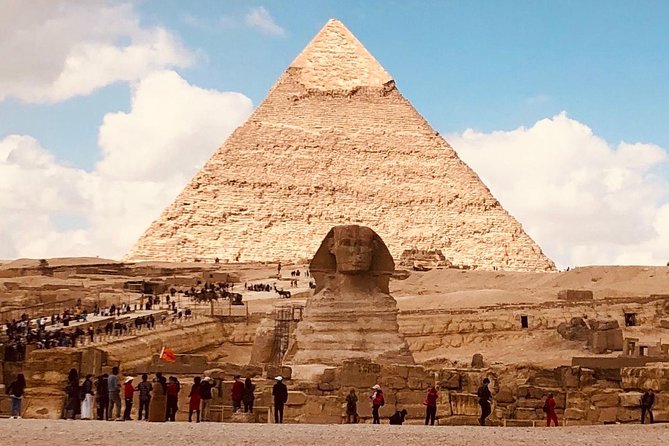
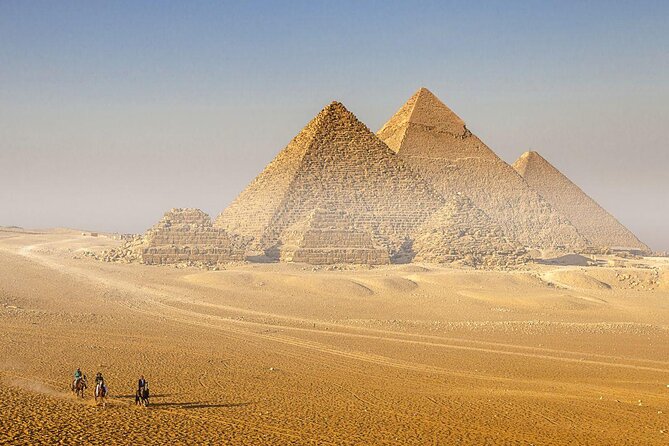
If you have one day in Cairo and you want the headline sights—without chaos—this route is built for that. You start at Giza with the pyramids of Cheops, Chephren, and Mykerinus, then move on to the Egyptian Museum downtown. After that, the plan finishes with time in Khan El Khalili, a major shopping and market area where you can decompress after big ancient sights.
The value here is not just the ticket count. It’s the way the day is sequenced: monuments first, then artifacts, so you can start making connections between what kings built and what later Egyptology tells us about daily life, burial practice, and belief. You’ll get an orientation to the city as you move, which helps Cairo feel less random.
One practical note: the tour info calls this an 8-hour experience and also lists museum timing windows that are Monday to Friday, 7:00 AM to 12:00 PM. If you’re traveling on a weekend or outside that window, double-check start time options.
You can also read our reviews of more guided tours in Cairo



Pyramids of Giza: Cheops, Chephren, Mykerinus and the evolution story
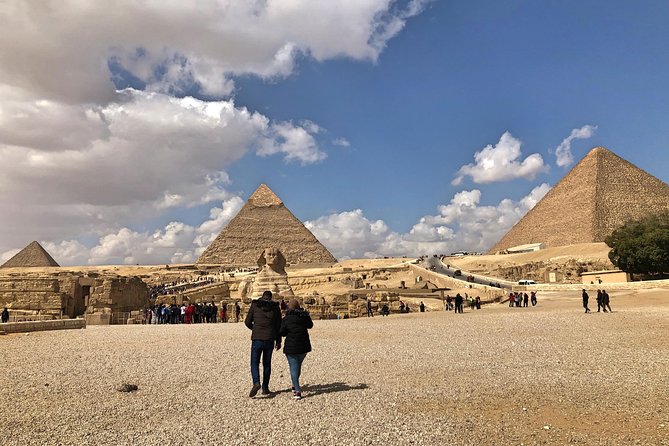
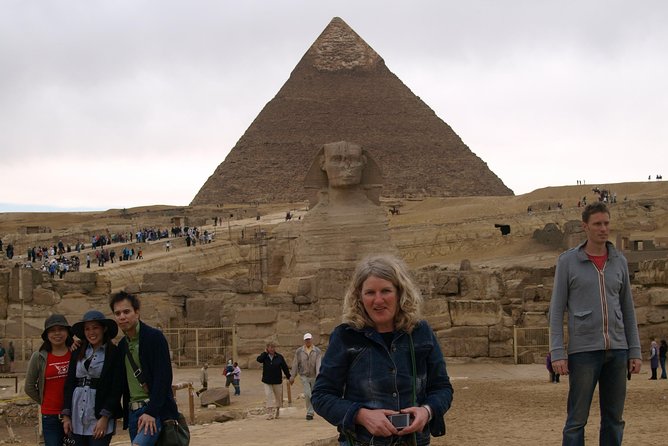
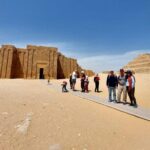
The big draw is obviously the pyramids. But what makes this stop better than a quick photo-and-run is the attention to how the pyramids changed over time. You’ll cover the main three at Giza—Cheops, Chephren, and Mykerinus—so you can see the set as a timeline, not just three separate monuments.
You also visit the Sphinx with its valley temple that was built by King Chephren. That matters because the valley temple is part of the same royal landscape as the pyramids. Even if you’re not a hardcore architecture person, it helps you understand that Giza was designed as a whole system—routes, temples, and burial planning tied together.
Plan for a heat-and-walking day. The pyramids area can be rough on the knees and ankles. I recommend wearing shoes with solid grip and bringing sunscreen plus water (bottled water is included). Even if the group is small, you still have to cover distance on your feet.
The Great Sphinx: a focused visit that connects to burial beliefs
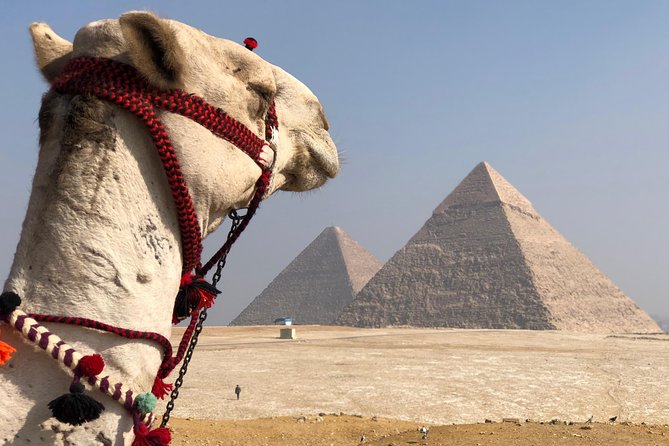
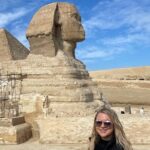
The Sphinx stop is shorter by design: about 30 minutes. That sounds quick until you realize this is a place where rushing can kill the experience. With a guide, you can focus on what the Sphinx symbolizes and how it fits into the broader Giza burial and temple setting.
Because the Sphinx here is connected to the Chephren-built valley temple, you’re not just staring at a face in the desert. You’re getting context for why the Sphinx sits where it does and how it relates to royal commemoration. The tour also frames this as part of the story of mummification preparation for royal bodies—so the day isn’t only visual; it’s narrative.
For photos, go early in your visit window if you can. Light shifts fast at Giza, and crowds can move in waves. A private setup helps, since your guide can adjust the pacing to your comfort level.
Egyptian Museum downtown: 150,000 artifacts and the Tutankhamun spotlight
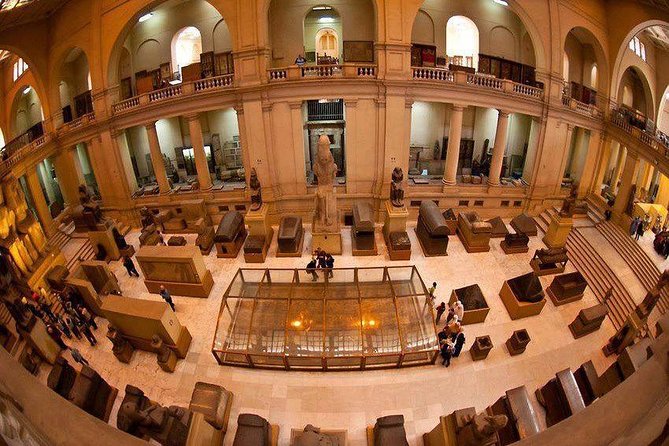
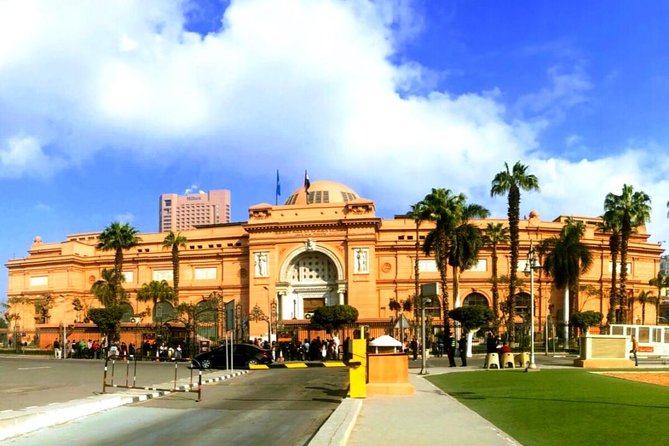
The Egyptian Museum stop is where the day often clicks into place. Instead of only seeing massive stone monuments, you get to connect them to objects—real items tied to religion, daily life, and burial practice.
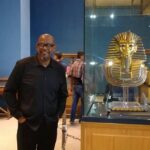
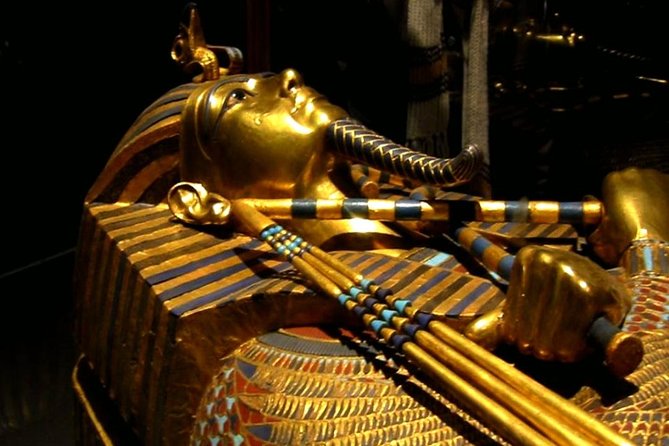
The tour frames the museum as the largest Egyptian antiquities collection you can see in one place, and it emphasizes artifacts displayed according to historical order. You’ll have time to move through major highlights, including treasures linked to the famous tomb of the Golden Pharaoh Tutankhamen. That’s the kind of anchor point that keeps the museum visit from feeling random.
Here’s the practical side: the museum can feel big fast. The guide’s job is to help you pick up what matters quickly—what the objects are, why they matter, and how they connect to the time periods you saw outside. That’s also where a good Egyptologist earns their keep. If you’re the type who gets lost in long halls, you’ll appreciate having a clear pathway.
Also, confirm what you’re walking into at the entrance. The tour info says admission tickets are included for the Giza and museum stops, but it also separately lists site admission fees as not included. Before you go, ask the operator to confirm whether your museum entry is fully covered for your exact date and number of people.
Khan El Khalili after the main sights: shopping with context
Finishing in Khan El Khalili makes sense. By the time you reach the market streets, you’ve already hit the big mental milestones: pyramids, Sphinx, then museum objects. Now you can shift from learning mode to browsing mode.
Khan El Khalili is described as an immense collection of markets and shops, and it’s the kind of place where you can spend as little or as much time as you want. I like this ending style because it gives you a payoff that isn’t only museums and monuments.
Keep your expectations grounded. Markets are great for atmosphere, but they can be tiring and crowded. If you want calmer browsing, ask your guide to point you to calmer lanes or shorter routes back. With a private guide, you can manage the time better than in a fixed group schedule.
You can also read our reviews of more private tours in Cairo




Private Egyptologist guide: Mahmoud and Sultan-style explaining
This is a private tour with a driver/guide and is led by a qualified Egyptologist. That label matters. In Cairo, the difference between a good day and a frustrating one is usually context: what you’re looking at, what it means, and where your attention should go.
I’ve seen this company’s guides named in feedback for exactly that kind of clear explanation and good time management. Mahmoud is described as making history fascinating and helping the day feel organized even when time is tight. Sultan is also noted for detailed overviews of artifacts and for navigation skills that keep the program moving without feeling rushed.
Safety and comfort show up in the guide value too. If you’re traveling alone or with friends and want confidence walking around, a guide who knows how to handle routes and entry points helps a lot. Private format also means you can ask questions without waiting for a larger group to regroup.
One small reality check: private tours still depend on Cairo traffic and crowds. Your guide can’t control everything, but strong planning reduces the annoying delays.
Price and practical value of the $103 per person plan
The price listed is $103.00 per person for about 8 hours, and the tour includes hotel pickup and drop-off, transport in an air-conditioned minivan, bottled water, and a private guide setup. That’s a lot to wrap into a day.
Where value gets real is in what you don’t have to organize. You’re not trying to stitch together separate taxis for Giza and downtown Cairo while also figuring out museum entry. The plan gives you a driver and itinerary structure, which is worth money if you care about time.
The only true “value question” is admission coverage. The itinerary notes admission tickets included for specific stops, but other parts of the provided tour details state that admission fees to sites are not included. Because of that mismatch, I strongly recommend you verify coverage for your specific booking before arrival. It’s a quick confirmation call that can save headaches at the gate.
Plan your day: timing, comfort, and ticket clarity
This tour runs roughly 8 hours and is described as family friendly. Still, it’s not a gentle stroll. Giza involves uneven ground and sun exposure. The info also asks for moderate physical fitness, which is smart. If stairs and long walks usually bother you, plan accordingly and bring supportive shoes.
A few comfort tips that help in this exact route:
- Wear lightweight layers and shoes with grip for Giza’s terrain.
- Bring sunscreen and a hat, even if you think you’ll only be outside briefly.
- Use the bottled water early; Cairo heat hits harder than you expect.
On tickets, the tour includes a mobile ticket. That’s convenient, but don’t assume every part of your day is automatically covered. Because of the admission-fee inconsistency in the tour details, confirm what’s included for your date, especially for the Egyptian Museum.
For timing, also consider the stated opening hours window (Monday to Friday, 7:00 AM to 12:00 PM). If you’re traveling at a different time, check whether you can adjust the schedule.
Who should book this Giza and Cairo treasures tour
Book it if you want a single-day route that hits the biggest ancient Egypt markers: the pyramids and Sphinx, then the Egyptian Museum, then a market finish. It’s especially a good fit if you like guided storytelling and want an Egyptologist to connect the dots between monuments and artifacts.
It’s also a strong option for:
- Families who want a structured day with a guide and a private pace
- Travelers who don’t want to haggle over taxis and timing on their own
- People who value clarity more than long museum wandering
You might choose something else if you’re hoping for an ultra-slow museum experience or a fully flexible day with zero time pressure. The plan is designed to cover a lot, so you should expect a real schedule.
Should you book this tour?
I think it’s a good pick when your goal is depth without chaos. The private Egyptologist format is the key, because it turns three giant monuments and a huge museum into a readable story. Add in hotel pickup, air-conditioned transport, and water, and the day feels manageable rather than stressful.
Just do one thing before you commit: confirm admission coverage for the museum (and any included sites) for your date. Once that’s clear, you’re set for one of the most concentrated ancient Egypt days you can realistically pack into Cairo.
FAQ
What sites are included on this tour?
You’ll visit the Pyramids of Giza and the Sphinx, then go to the Egyptian Museum in downtown Cairo. The day is also described as ending in Khan El Khalili, with time in the markets and shops.
How long is the tour?
The duration is listed as about 8 hours.
Is hotel pickup and drop-off included?
Yes. Hotel pickup and drop-off are included.
Is this a private tour?
Yes. It’s a private tour/activity, and only your group will participate.
Who will guide the tour?
The tour is led by a qualified Egyptologist, with a driver/guide provided as part of the service.
Are entrance fees included?
The details are mixed: the itinerary notes admission tickets included at the Pyramids of Giza, the Sphinx, and the Egyptian Museum, but the exclusions mention admission fees to the sites. It’s smart to confirm what’s covered for your specific booking.
What is the price?
The price is $103.00 per person.
Is the tour family friendly?
Yes, it’s listed as family friendly. A child rate applies only when sharing with 2 paying adults, and children must be accompanied by an adult.
What physical fitness level is required?
The tour notes a moderate physical fitness level.
Can I cancel for a full refund?
Yes. Free cancellation is available up to 24 hours in advance for a full refund. If you cancel less than 24 hours before the start time, the amount paid is not refunded.