REVIEW · CAIRO
Full-Day Tour Giza Pyramid Egyptian Museum Khan El Khalili
Book on Viator →Operated by Virtue Day Tours · Bookable on Viator
Three icons of Egypt, all in one day. I love how this route strings together Giza and Khan el-Khalili with a real guide who keeps the day moving and makes the site stories make sense, often with guides like Marwa Galal or Mazen.
What I like most: you get air-conditioned transfers so you can skip the Cairo taxi headache, and the stops line up perfectly for a first-timer day—pyramids, museum mummies, then the bazaar vibe.
One thing to plan for: entry fees are not included, so you’ll want to budget for tickets as you go, plus tips and lunch if you add them.
In This Review
- Key Things I’d Put On Your Radar
- Hotel-to-Giza Logistics: Why This Day Feels Easier Than DIY
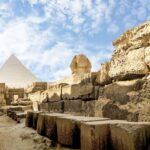
- Great Pyramid of Cheops (Khufu) + Sphinx Area: The Icon, Up Close
- Egyptian Museum: Mummies, Gods, and Why Two Hours Works
- Khan el-Khalili Bazaar: Old Market Energy and Shopping Without a Script
- Khafre’s Pyramid Complex: Sphinx Temple and a Well of History
- Menkaure’s Pyramid: Smaller, Still Important, and Worth the Time
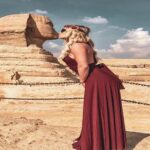
- The Great Sphinx Final Moment: 30 Minutes That Shouldn’t Feel Rushed
- Price and What You’re Really Getting for $50
- Which Type of Traveler Should Book This?
- Should You Book This Full-Day Cairo Highlights Tour?
- FAQ
- How long is the tour?
- Is hotel pickup included?
- What’s included in the price?
- Are entrance fees included?
- Is lunch included?
- Is this tour private?
- Do I get a mobile ticket?
- What if the weather is bad?
- Cancellation for refund: how much notice do I need?
Key Things I’d Put On Your Radar
- Hotel pickup focus: transfers are arranged from most central Cairo hotels, which saves serious time.
- A full guide-led loop: you’re not left figuring out what matters at Giza or the museum.
- Museum depth in a short window: two hours is enough to see the big masterpieces and the mummified artifacts without feeling trapped.
- Khan el-Khalili has shopping built in: it’s an old market with souvenir shops, so it works even if you just browse.
- Giza pacing with multiple complexes: Great Pyramid, then Khafre and Menkaure, then the Sphinx area again with a final short stop.
- Mobile ticket included: handy for keeping everything organized on a day with lots of moving parts.
Hotel-to-Giza Logistics: Why This Day Feels Easier Than DIY
Cairo is big, traffic is real, and negotiating transport can take the fun out of the morning. This tour solves that by using private A/C vehicle transfers and a guide for the whole day. The result: you spend your energy looking at history, not talking your way through street logistics.
The day runs about 8 hours, so it’s long enough to hit the major highlights but not long enough to feel like punishment. You also get bottle water, which sounds small until you’re walking around under the sun and dust and realizing you’d rather not count sips.
One more practical upside: it’s set up as a private tour for your group, so you’re not stuck waiting on strangers’ pace. And there’s mention of group discounts, which can help if you’re traveling with friends or family.
Tip for you: if you can choose where you start from, aim for the easiest pickup spot. The meeting point listed is Mansour Attia Talaat Harb, Bab Al Louq, Qasr El Nil (Cairo Governorate 4272101). If your hotel pickup is offered in your exact area, take it.
You can also read our reviews of more museum experiences in Cairo


Great Pyramid of Cheops (Khufu) + Sphinx Area: The Icon, Up Close
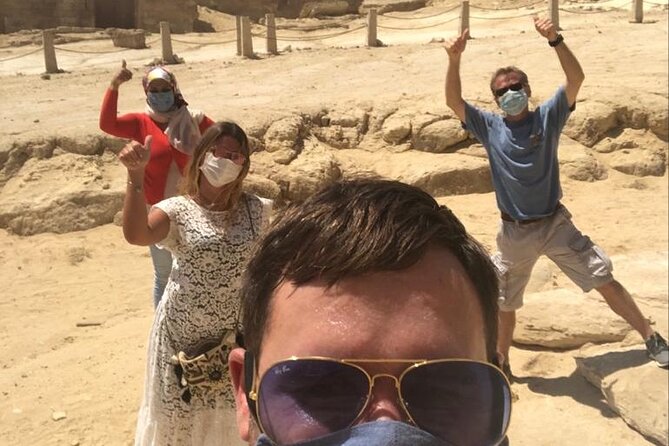
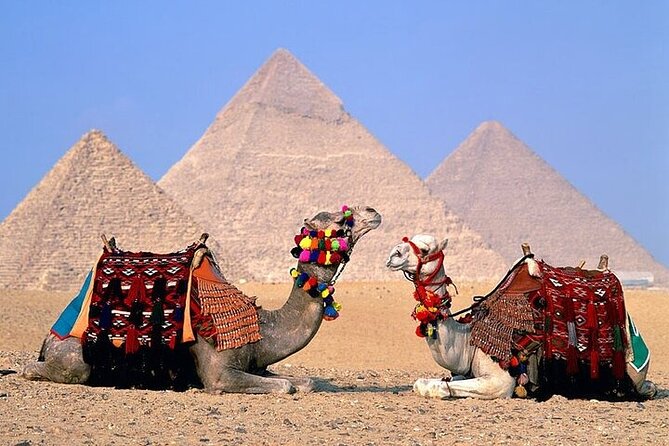
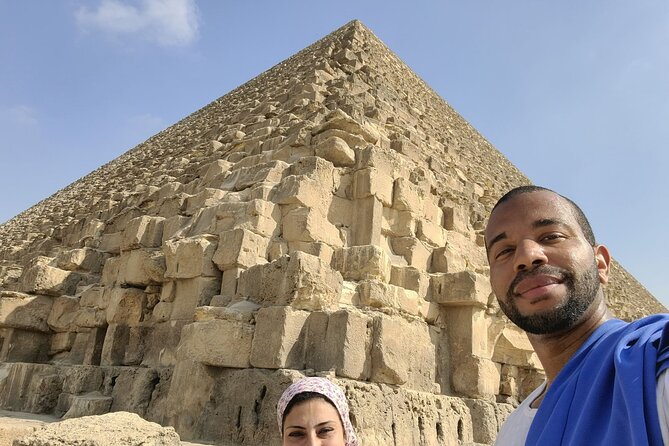
Your first major moment is the Great Pyramid of Cheops (Khufu). Even the way the stop is framed sets expectations: this area covers not just the single pyramid people picture in their heads, but also the wider Giza field, including pyramids of Old Kingdom kings such as Khufu, Khafre, and Menkaure. The guide also points you toward the Sphinx region where you’ll see the Sphinx sculpture—human head, lion body—symbolically tied to ideas of wisdom and strength.
This stop is about 1 hour, and that’s not a typo. At Giza, time disappears fast: lines, uneven terrain, and the simple fact that you’ll want photos from a few angles. With a guide, you’re more likely to spend your hour in the right places instead of wandering.
What to watch for (and what might feel odd): the Sphinx area can feel crowded and “touristy,” but it’s still the real deal. The best move is to let your guide explain what you’re seeing—especially how the Sphinx story connects to the surrounding complexes—then take your photos and move on before your attention drifts.
Also note: admission ticket is not included for this stop. So if you’re the kind of person who likes to stay calm and prepared, don’t wait until you’re standing there to figure out payment.
Egyptian Museum: Mummies, Gods, and Why Two Hours Works

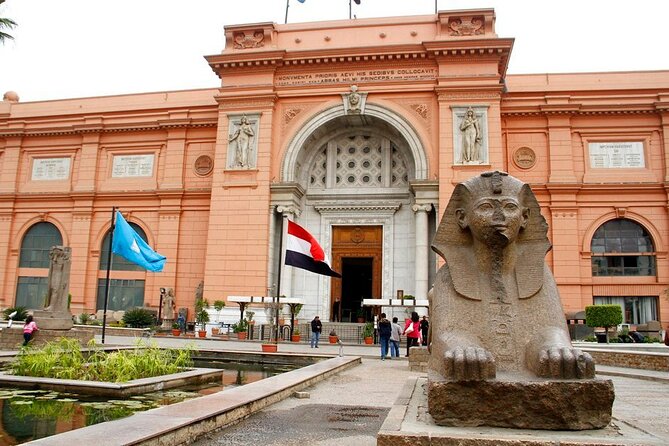
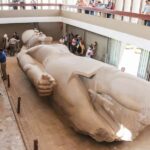
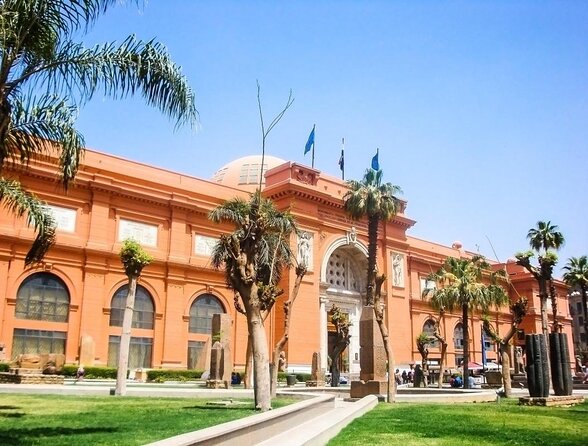
Next up is the Egyptian Museum (Museum of Egyptian Antiquities). This is where the day shifts from big outdoor monuments to objects you can actually study up close.
You’ll spend around 2 hours, which is a solid window for the museum’s kind of experience: enough time to see major pieces across different periods (Old, Middle, and New Kingdoms) and still have time to soak in the “wait, that’s real” moments without rushing.
Here’s what this stop is designed around:
- Mummified kings, queens, and high priests from the New Kingdom era
- Mummified animals, tied to how people worshipped during that period
- Magnificent statues that help you recognize kings and gods
If you’re short on time in Cairo and trying to choose one indoor anchor, this is it. The museum turns the pyramids from a distant silhouette into a human story—rulers, beliefs, burial practices, and the material culture behind them.
Possible drawback: two hours goes quickly in a museum with lots of rooms. If you tend to get lost in reading labels for 30 minutes at a time, you may want to approach this like a “greatest hits” visit and let your guide help you prioritize the pieces that matter most.
And again, admission ticket is not included, so budget for that.
Khan el-Khalili Bazaar: Old Market Energy and Shopping Without a Script
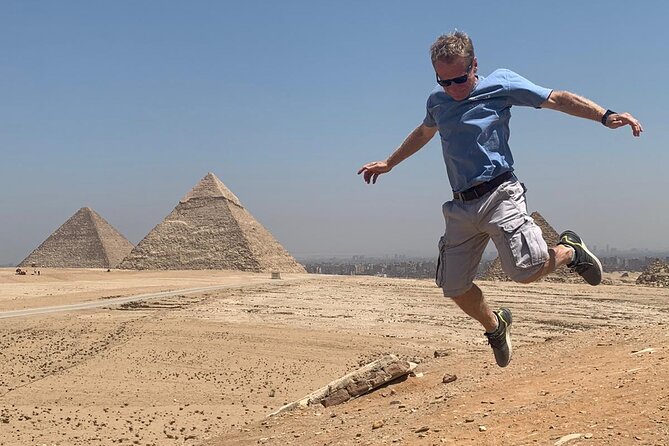
After the museum, you get a change of pace. Khan el-Khalili is an old market area with that Cairo feel you came for—narrow lanes, souvenir shops, and an atmosphere that’s lively even when you’re not buying anything.
This stop is 1 hour 30 minutes, and it’s built for wandering. Since it’s listed as admission free, you’re not paying to enjoy the atmosphere. You can browse, stop in for photos, and compare crafts without feeling like every minute has to be “worth” a ticket.
What you’ll likely appreciate here is that the guide doesn’t just drop you at a bazaar and disappear. You’re usually given context—what the market is known for, how to move through it, and where the most interesting lanes tend to be.
Practical note: Khan el-Khalili is not a place to expect quiet. If you want calm, you’ll find it hard here. If you want texture and real Cairo street life, this is a good match.
Khafre’s Pyramid Complex: Sphinx Temple and a Well of History
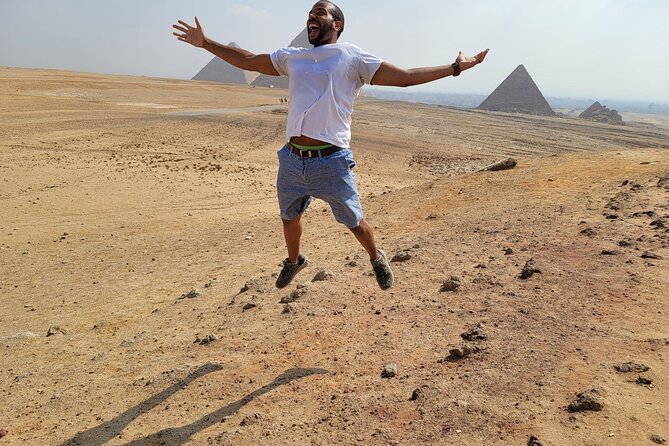
Then you circle back to the Giza plateau with Khafre’s Pyramid as the focus. The complex is described as more than “just a pyramid.” You get the full set of components:
- a valley temple
- a Sphinx temple
- a causeway
- a mortuary temple
- and, of course, the king’s pyramid
The guide also highlights details like statues that were found in a well in the temple floor by Mariette in 1860. That kind of story matters because it turns the site from stone shapes into a record of how archaeology has worked—and what we’ve learned.
This stop is about 1 hour, with admission ticket not included. Since you’ve already been seeing the broad Giza layout earlier, this is the point where the day can start to click. You start noticing how the pieces connect, not just where the pyramids sit.
Possible consideration: Giza can feel repetitive if you keep expecting the same viewpoint. Try to treat each complex like a different “chapter.” Khafre’s section helps you understand how the Sphinx temple and the causeway fit into the broader design.
A few more Cairo tours and experiences worth a look



Menkaure’s Pyramid: Smaller, Still Important, and Worth the Time
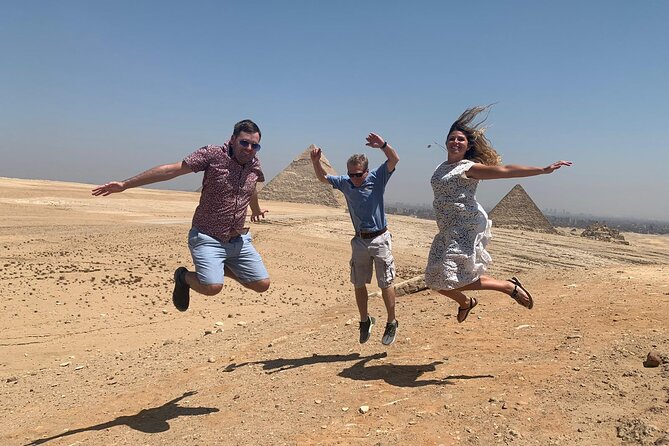
Next is Menkaure’s Pyramid and its complex, which mirrors the structure of other pyramid sites:
- a valley temple
- a causeway
- a mortuary temple
- and the king’s pyramid
The description notes the valley temple once contained statues of Menkaure, with context around the 5th Dynasty era.
This stop is also about 1 hour and has admission ticket not included.
Why this works on a full-day route: if you only focus on the biggest pyramid, you miss the way Giza functions as a whole sacred landscape of royal building projects. Menkaure’s complex helps you see the set as a system rather than a single postcard.
If you’re short on energy, do a quick internal reset here. Menkaure’s stop can be easier to appreciate if you slow down for a minute and ask yourself: what is the causeway connecting? Where would people have moved? That’s where a guide earns their spot.
The Great Sphinx Final Moment: 30 Minutes That Shouldn’t Feel Rushed
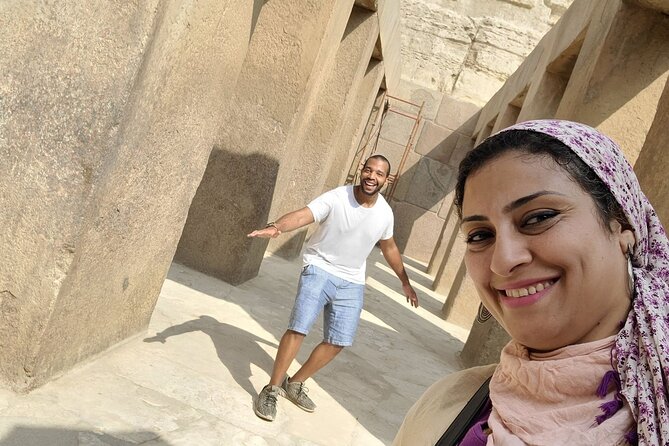
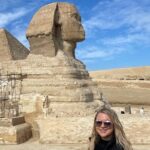
The last major outdoor stop is the Great Sphinx, with about 30 minutes on the clock. This is short, but it’s intentional: by now you’ve built enough context that you can use the final Sphinx time to make sense of what you’re looking at.
The Sphinx is described as dating from the reign of king Khafre. Later, during the New Kingdom, Amenhotep II dedicated a new temple to Hauron-Haremakhet, and later rulers added to the structure.
So this last stop isn’t just a photo stop. With your guide’s explanation, it becomes a story of how the Sphinx remained important long after its original creation.
If you’re trying to get the best use of those 30 minutes: skip overthinking and pick one “must-have” photo angle, then spend the rest of the time listening. At the Sphinx, the story is what makes it stick.
Price and What You’re Really Getting for $50
At $50 per person, this tour is positioned as a value option for first-time Cairo visitors who want the highlights without building a DIY plan around traffic and ticket confusion.
Here’s what’s included:
- All transfers by private A/C vehicle (newest model)
- Private transportation
- Tour guide
- Bottle of water
And here’s what’s not included:
- Tips
- Personal items
- Lunch (optional)
- Entry fees (optional)
The key thing for you to understand is that “entrance fees not included” can change your total cost depending on ticket prices for the pyramids and museum. That means $50 is a strong base price, but your final budget depends on what you pay on the ground.
My practical advice: if you’re trying to keep spending under control, decide in advance whether you want to buy lunch or keep snacks simple. Since lunch is optional, you can manage your budget without sweating the day.
Also, bring cash and be ready for on-site payment because entrance fees are part of the experience cost you’ll cover yourself.
Which Type of Traveler Should Book This?
This works especially well if you want:
- a guided first-timer day (pyramids + museum + bazaar)
- less friction with hotel pickup and A/C transport
- a schedule that’s detailed enough to feel structured but not so strict you can’t breathe
It also seems like a good fit for people traveling solo who still want support and direction. In past experiences with guides from this operator, the strongest themes are friendly, timely, and focused help—names like Marwa Galal, Mazen, and Magda show up in the guide experience people describe.
When you might choose something else: if you’re the type who wants a slow, deep museum day or you’re already comfortable navigating Giza on your own and don’t want added structure, you may prefer a different format with a longer stop at fewer places.
For Cairo specifically, weather matters for the outdoors part. This experience requires good weather, and if it’s canceled due to poor weather you’ll get another date or a full refund.
Should You Book This Full-Day Cairo Highlights Tour?
I’d book it if your goal is a high-impact Cairo day with guide-led context, private A/C transfers, and a route that hits the essentials without making you wrestle with logistics. For $50, the value is mostly in the saved time and the guide doing the explaining so you don’t have to guess what you’re looking at.
I’d think twice if you hate paying entry fees separately, or if you know you’ll want more than the planned time at the museum or pyramids. In that case, consider mixing a guided segment with your own free time later.
If you’re planning your first Cairo visit and want your day to feel organized while still experiencing real places—Giza, the Egyptian Museum, and Khan el-Khalili—this tour is a solid, practical choice.
FAQ
How long is the tour?
It runs for about 8 hours.
Is hotel pickup included?
Transfers are offered from most central Cairo hotels, and the meeting point is listed at Mansour Attia Talaat Harb, Bab Al Louq, Qasr El Nil.
What’s included in the price?
You get private A/C vehicle transfers, private transportation, a tour guide, and bottled water.
Are entrance fees included?
No. Entry fees are not included, and you pay them yourself.
Is lunch included?
Lunch is not included. It’s listed as optional.
Is this tour private?
Yes. It’s described as private for your group only, though there’s also mention of group discounts.
Do I get a mobile ticket?
Yes. The tour includes a mobile ticket.
What if the weather is bad?
This experience requires good weather. If it’s canceled due to poor weather, you’ll be offered a different date or a full refund.
Cancellation for refund: how much notice do I need?
You can cancel up to 24 hours in advance for a full refund. Canceling less than 24 hours before the start time isn’t refunded.