REVIEW · CAIRO
Full Day Private Tour to Giza Pyramids, Memphis, and Sakkara
Book on Viator →Operated by Roxana Travel · Bookable on Viator
Three ancient cities, one long day. I love the private Egyptologist-led flow across Giza, Saqqara, and Memphis, and I also like that pickup, lunch, and admission tickets are built into one clean plan. The only real drawback is time: each pyramid complex gets a short window, so you’ll want more hours on a return trip if you’re the slow-walker type.
From the start, you get hotel pickup and return in an air-conditioned private vehicle, not a crowded bus shuffle. If your Egyptologist happens to be the kind of storyteller named Hisham or Mustafa in other groups, you’ll get clear, human explanations as the day moves from temples to tombs. I also like the small comfort details: mineral water, plus tea or coffee during lunch.
You’ll spend roughly three hours on the Giza side, then head to Saqqara for about two hours, and finish with an hour at Mit Rahina Museum in Memphis. The day depends on good weather, and it’s built to keep things moving, so expect a packed route rather than a linger-and-laugh day.
In This Review
- Key things worth knowing before you go
- A Private 8-Hour Route Through Giza, Saqqara, and Memphis
- Giza Plateau: Valley Temple, the Sphinx, and the Big Three Pyramids
- Khufu, Khafre, and Menkaure: What You Learn in 30 Minutes Each
- Stop at Khufu’s pyramid complex (Great Pyramid of Cheops)
- Stop at Khafre’s pyramid complex
- Stop at Menkaure’s pyramid complex
- The one trade-off
- The Great Sphinx: More Than a Photo Spot
- Saqqara’s Step Pyramid of Zoser: The Moment Pyramids “Make Sense”
- Memphis and Mit Rahina Museum: Ramses II and the Alabaster Sphinx
- Price and Value: What You’re Really Paying For at $148.38
- What to Expect Day-of: Comfort, Timing, and Getting the Most From Each Stop
- Should You Book This Giza, Memphis, and Saqqara Private Tour?
- FAQ
- How long is the full day private tour?
- Does the tour include hotel pickup and drop-off?
- Is there an English-speaking guide?
- Are admission tickets included?
- Is lunch included?
- Is this tour private or shared with other groups?
- What does the price include besides the guide?
- Is tipping included?
- Does the tour run in any weather?
- What if the minimum number of travelers isn’t met?
Key things worth knowing before you go
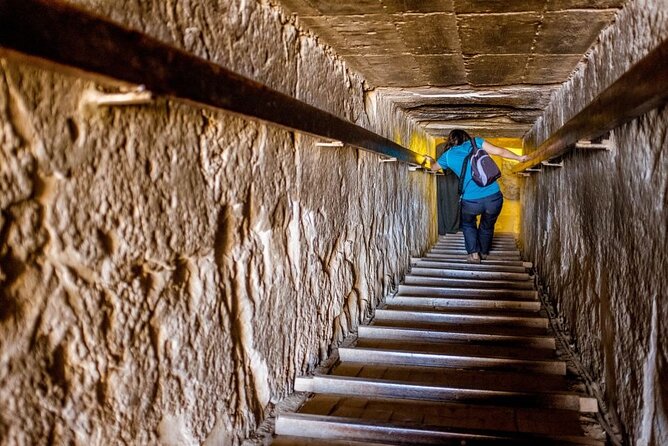
- A true private setup: only your group rides with the Egyptologist and driver.
- Hotel transfers included: door-to-door pickup and return by private air-conditioned vehicle.
- Admissions included for the main stops: the schedule lists tickets for the sites you visit.
- Giza hits multiple pyramid complexes: Valley Temple and Sphinx areas plus time at Khufu, Khafre, and Menkaure.
- Saqqara gets real time: about two hours at the Step Pyramid of Zoser.
- Finish at Mit Rahina (Memphis): Ramses II’s monumental statue and the Alabaster Sphinx in about an hour.
A Private 8-Hour Route Through Giza, Saqqara, and Memphis
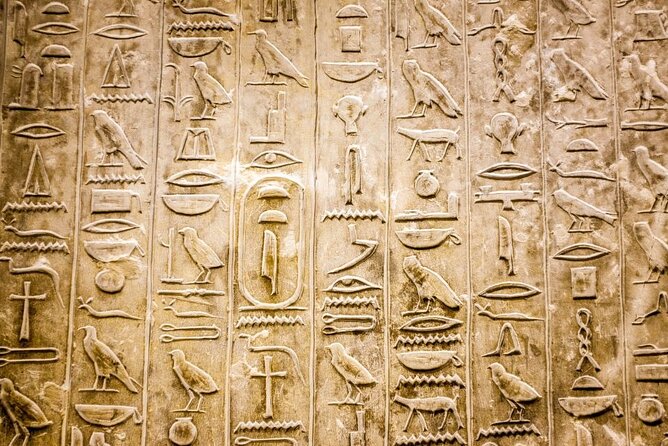
This is the kind of day you book when you want one Cairo itinerary that covers the big ancient-name sites without you having to stitch it all together. You’re on the clock for about eight hours, but the tour is structured so you still get context, not just sightseeing.
The private part matters. You don’t waste time negotiating meeting points or waiting for strangers to buy sunscreen or figure out where they left their sunglasses. Instead, you move as a group with an Egyptologist guiding the order and explaining what you’re seeing.
Value-wise, the best part is how much is bundled: hotel pickup and return, a private English Egyptologist, private transfers by air-conditioned vehicle, and lunch at a local restaurant. The day plan also notes snacks, and at minimum you’ll have mineral water plus tea or coffee during the lunch break.
You can also read our reviews of more private tours in Cairo
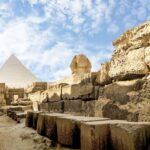


Giza Plateau: Valley Temple, the Sphinx, and the Big Three Pyramids
Giza is one of those places where your brain keeps trying to scale things down. Then you look again and realize you’re staring at structures built for pharaohs—plus the centuries in between.
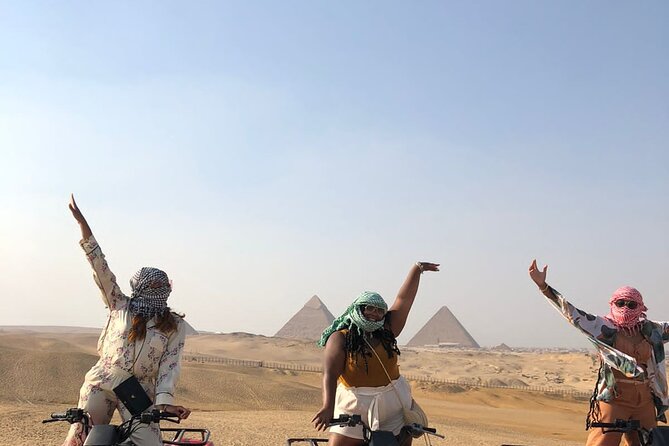
You start with the Giza pyramids area and spend about three hours there. That block is important because it’s not just posing in front of pyramids. You also get time at the Valley Temple, a site linked with funerary preparation for King Chephren. The plan also sets you up to see the Sphinx up close—that lion-body guardian with the head of King Chephren—next to the wider funerary complex.
A practical note: the Giza plateau can feel like it has its own weather system. Sun and glare can get intense fast, even when the air is comfortable. Wear shoes you can walk in for an extended time, and bring sun protection even if the morning starts cool. Your comfort here makes the history land better.
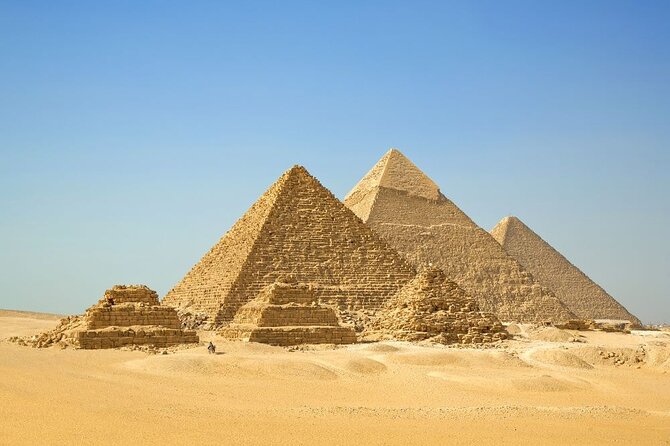
You’ll then move into shorter, targeted stops tied to specific pyramid complexes: Khufu (Cheops), Khafre (Chephren), and Menkaure (Mykerinos). This pacing is a deliberate “see the whole picture” approach. If you want to go super deep on only one pyramid, this route can feel too efficient.
Khufu, Khafre, and Menkaure: What You Learn in 30 Minutes Each
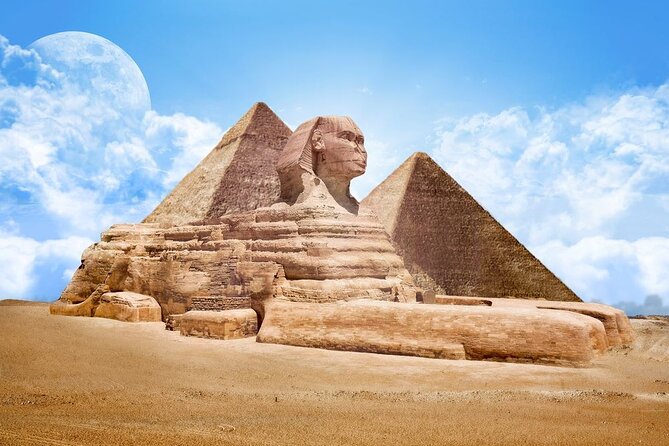
After the broad Giza introduction, the tour shifts into tighter visits—about 30 minutes per pyramid complex. That can sound short, but it works if your Egyptologist uses the time to help you read the site instead of just pointing at stones.
Stop at Khufu’s pyramid complex (Great Pyramid of Cheops)
The day marks the Khufu complex with a brief visit that includes the wider complex context. You’ll also hear about the valley temple area associated with Khufu, which is currently under the village of Nazlet el-Samman. The schedule notes that some paving and walls have been found, including diabase paving and walls of nummulitic limestone—but that the site remains unexcavated. In other words, you’re seeing a living puzzle: what’s known is big, but the ground is still revealing more.
Stop at Khafre’s pyramid complex
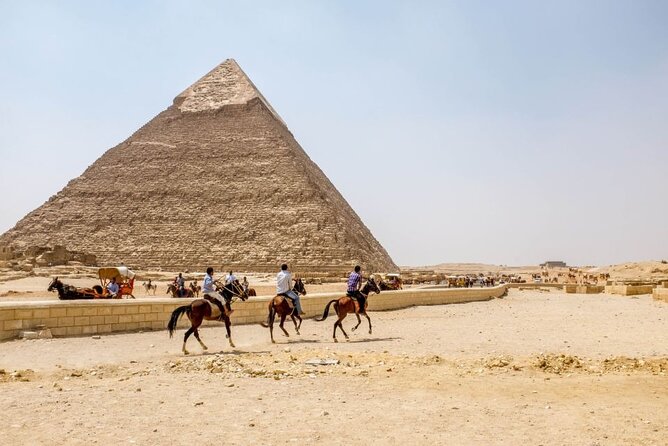
Khafre’s complex gets its own 30-minute slot too. Here, the tour highlights the components of the complex: the valley temple, the Sphinx temple, a causeway, a mortuary temple, and the pyramid itself.
One of the more interesting details in the tour plan is that many statues of Khafre were discovered in the valley temple, with several found in a well on the temple floor in 1860. That kind of fact changes how you look at ruins. You’re not only seeing what survived; you’re also seeing what archaeologists found when they searched.
A few more Cairo tours and experiences worth a look


Stop at Menkaure’s pyramid complex
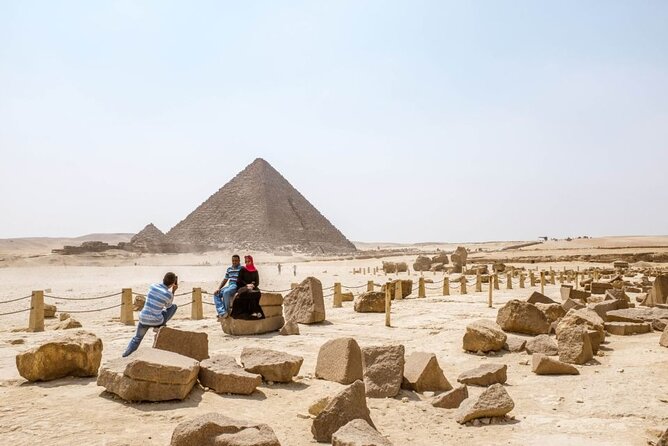
Menkaure’s pyramid complex is also on the schedule for about 30 minutes. The plan calls out valley temple, causeway, mortuary temple, and the pyramid of the king.
It also notes a smaller ante-temple added during the 5th Dynasty, and that the mortuary temple revealed several statues. Again, it’s a theme across the day: monuments don’t sit still. They get added to, repurposed, and reinterpreted as new rulers take over.
The one trade-off
If you love lingering—sketching, photographing endlessly, or reading every plaque—this structure may feel rushed. But if you’re aiming for first-time orientation and a guided storyline, the short stops keep the day energetic and cohesive.
The Great Sphinx: More Than a Photo Spot
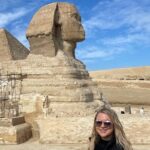
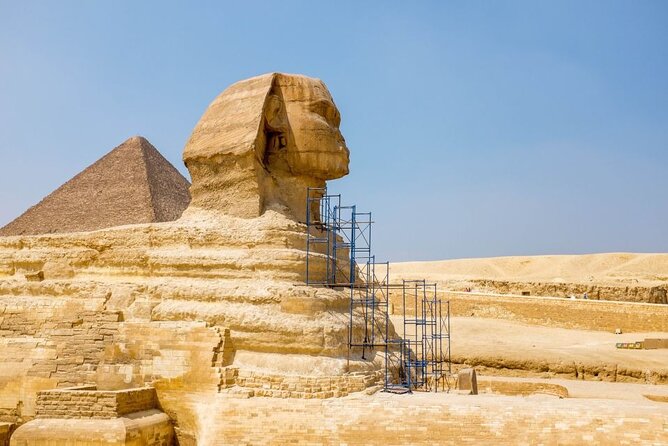
You’ll also have a dedicated 30-minute stop for the Great Sphinx. The tour plan gives you a timeline that helps the Sphinx feel less like a single icon and more like a character in a longer saga.
The origins are traced back to the era of King Khafre. Later, in the New Kingdom, a new temple dedicated to Hauron-Haremakhet was established by Amenhotep II. The plan also notes that subsequent rulers expanded the structure over time.
That sequence is a big reason to have an Egyptologist with you. Without the context, you mostly see the Sphinx as a face. With the context, you start seeing it as a site that kept serving religious and political roles long after its original creation.
If you’re thinking about photos, plan to take a few from the main viewing areas early in your Sphinx time, then use the rest to listen and ask questions. You’ll remember the Sphinx better when your brain connects it to the story, not just the silhouette.
Saqqara’s Step Pyramid of Zoser: The Moment Pyramids “Make Sense”
After the Giza concentration of pyramids, Saqqara feels like a breath of air—still intense, but with a different rhythm. You’ll go about 27 km southwest of Cairo, and you’ll spend roughly two hours at Saqqara.
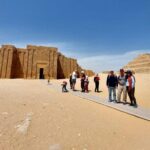
The star here is the Step Pyramid of Zoser, built for King Zoser. The tour plan emphasizes why this matters: it represents an early stage in the evolution from the first simple mastaba form into the famous pyramid shape people picture today.
This is one of the stops where I think an Egyptologist really earns their keep. The Step Pyramid is visually dramatic, but the bigger win is understanding why the shape changed. You start connecting architecture to ideas about power, belief, and what the builders were trying to perfect.
Don’t treat Saqqara like a quick add-on between larger sites. Two hours is enough to see it properly with guidance, especially if your guide explains the logic behind the layout rather than only reciting dates.
Memphis and Mit Rahina Museum: Ramses II and the Alabaster Sphinx
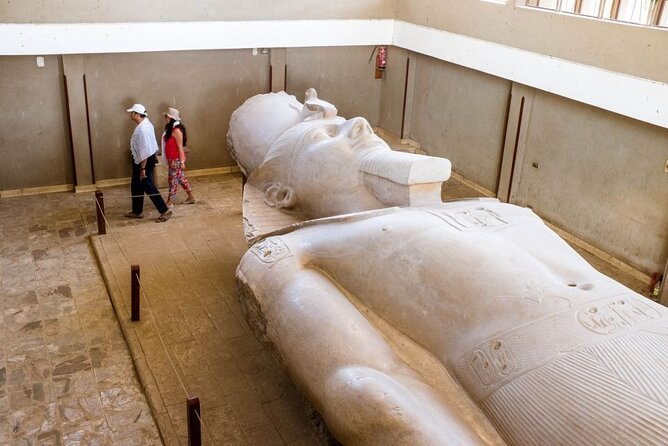
You finish in Memphis, the ancient capital linked to the early dynastic period—its roots are noted as going back to 3100 B.C. Here you shift from giant pyramid scale to monumental sculpture and museum viewing.
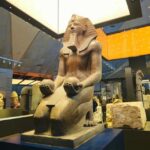
The plan sends you to the Mit Rahina Museum for about one hour. The highlight is the monumental statue of Ramses II and the presence of an impressive Alabaster Sphinx.
This stop is valuable because it shows you that Egypt’s big stone obsession didn’t end with the pyramid age. Ramses II comes later, and the museum setting helps you see how rulers used monumental art and oversized sculpture to project authority across eras.
If you want the day to feel like a story arc, Memphis is what closes it. Giza explains the early pyramid drive and the funerary focus. Saqqara shows the architectural evolution. Memphis shows the later legacy—how the ancient world kept building on the same symbolic language.
Price and Value: What You’re Really Paying For at $148.38
At $148.38 per person for about eight hours, the price can look either high or fair depending on what you’re comparing it to. The key is what’s included.
You’re not just paying for entry. You’re paying for:
- Hotel pickup and return
- A private English Egyptologist
- All transfers in a private air-conditioned vehicle
- Lunch at a local restaurant
- Mineral water plus tea or coffee during lunch
- Site admission tickets included on the scheduled stops
When those items are priced separately, it’s easy for costs to creep up fast. Here, you get a single-day package that reduces decision fatigue. You don’t have to negotiate transport, coordinate multiple admissions, or worry about where you’ll meet your guide at each stage.
The only extra you should plan for is tipping, since tips aren’t included.
The value sweet spot is clear: if you want the big names (Giza, Saqqara, Memphis) in one day with context, this pricing makes sense. If you’re traveling super tight on budget and don’t care about guided interpretation, you might find cheaper DIY options—but you’ll trade away the structured flow that makes the day feel smooth.
What to Expect Day-of: Comfort, Timing, and Getting the Most From Each Stop
This tour runs like a guided circuit. That’s not a bad thing. It’s how you fit three major locations into one working day without turning it into a travel headache.
You’ll likely feel the day in three phases:
- Giza orientation (about three hours): big views, Valley Temple context, and the Sphinx area.
- Pyramid-specific windows (about 30 minutes each): Khufu, Khafre, Menkaure, with a focus on complex parts and key finds.
- Saqqara + Memphis wrap-up (two hours + one hour): Step Pyramid evolution, then Ramses II and the Alabaster Sphinx.
A big practical win is the transportation style. The schedule includes private air-conditioned vehicle transfers, which matters a lot in Cairo traffic and during heat spikes. You’ll also have water and a lunch pause to keep energy steady.
One more thing: you’ll have admission tickets included per the itinerary. That helps you avoid long ticket lines and keeps you on track.
Finally, the provider notes the experience requires good weather. That means you should keep some flexibility in your trip plan and avoid booking this on the exact day you absolutely can’t change.
Should You Book This Giza, Memphis, and Saqqara Private Tour?
I think you should book this if you’re doing Cairo for a limited number of days and you want a single day that hits the core ancient landmarks with a real Egyptologist guiding the narrative. The private setup, hotel transfers, included admissions, and lunch make it feel like a well-run day rather than a stressful checklist.
Skip it if you want a slow archaeological experience or you know you’ll need long hours at one site only. The pyramid stops after the initial Giza block are intentionally short. This tour is best as a first look and a strong foundation—then you go back later for deeper time.
If your goal is to leave Cairo understanding how the pyramid world evolved, how the Sphinx fits into the story, and how Memphis continued the monument tradition, this is a smart way to do it without overthinking logistics.
FAQ
How long is the full day private tour?
It’s listed at about 8 hours.
Does the tour include hotel pickup and drop-off?
Yes. Pickup and return from your hotel are included.
Is there an English-speaking guide?
Yes. The tour includes a private English Egyptologist guide.
Are admission tickets included?
Admission tickets are included for the sites listed in the itinerary.
Is lunch included?
Yes. Lunch is included at a local restaurant, plus mineral water and tea or coffee during lunch.
Is this tour private or shared with other groups?
It’s private. Only your group participates.
What does the price include besides the guide?
Included items list pickup and return, private air-conditioned transfers, the Egyptologist, mineral water and tea/coffee during lunch, and the lunch itself.
Is tipping included?
No. Tips are not included.
Does the tour run in any weather?
The experience requires good weather. If it’s canceled due to poor weather, you’ll be offered a different date or a full refund.
What if the minimum number of travelers isn’t met?
If it’s canceled because the minimum isn’t met, you’ll be offered a different experience or a full refund.
If you want, tell me your travel dates and whether you’re more into photos or history, and I’ll suggest how to plan your extra time around Giza, Saqqara, and Memphis for the best fit.