REVIEW · CAIRO
Full Day Private Tour in Cairo Citadel and Islamic Cairo
Book on Viator →Operated by Twitter Egypt Travel · Bookable on Viator
Six hours in Islamic Cairo is a power move. I like the hotel pickup convenience and the qualified Egyptologist guide who explains what you’re seeing, not just where to look. The main catch is that entrance fees and lunch aren’t included, so you’ll want to budget a bit extra before you go.
You’ll start high at the Cairo Citadel, then work your way through standout mosques tied to Saladin’s Ayyubids, the Mamluks, and later Ottoman-era influence. This is also a practical “one-day” plan: the tour is set to run about 6 hours, with a long enough stop inside Muhammad Ali Mosque and shorter breaks for the other big sites.
If you’re the kind of traveler who likes monuments with context, this private setup is a good fit. Just expect an active morning: you’ll move between sites and spend time standing around in courtyards and halls.
In This Review
- Key highlights worth waking up for
- Private 8:00 a.m. Cairo plan: what makes it work
- Cairo Citadel: a fortress built in political chapters
- Mosque of Muhammad Ali: Ottoman-style grandeur with Cairo’s scars
- Sultan Hassan mosque-madrasa: one building, many lessons
- Al Rifai Mosque: linking dynasties across centuries
- Gayer-Anderson Museum: two restored houses, one collecting story
- Price and logistics: is $39 good value
- Who this private Citadel and Islamic Cairo tour fits best
- Should you book this tour?
- FAQ
- What time does the tour start?
- How long is the tour?
- Do I get hotel pickup and drop-off?
- Is this tour private?
- Are entrance fees included?
- Is lunch included?
- What’s included in the tour price besides the guide?
- Does the tour use a mobile ticket?
- What’s the best way to handle the entrance-fee add-ons?
- What if the weather is bad?
- How flexible is cancellation?
Key highlights worth waking up for
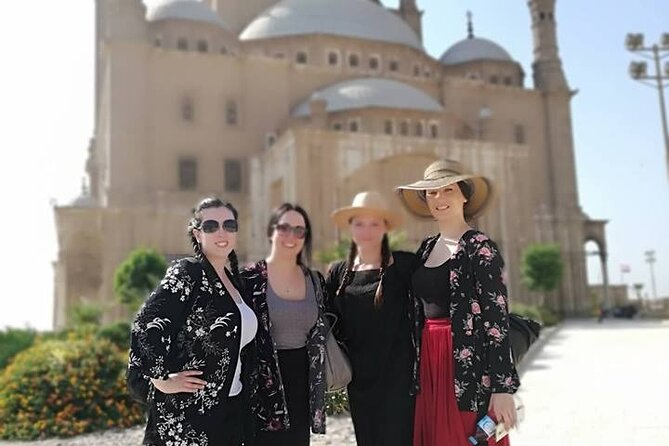
- A private, air-conditioned vehicle: hotel pickup and drop-off from Cairo or Giza keeps the day efficient
- Citadel in layers: you’re seeing Ayyubid, Mamluk, and 19th-century Muhammad Ali-era building phases
- Muhammad Ali Mosque details: architect Yusuf Bushnak modeled it after Istanbul’s Sultan Ahmed Mosque
- Sultan Hassan’s scale: a mosque-madrassa built 1356–1363 with massive dimensions and a towering main entrance
- Al Rifai’s political connections: tombs linked to Imam Rifai and later rulers of the Mohammed Ali dynasty
Private 8:00 a.m. Cairo plan: what makes it work
This tour starts at 8:00 am, which matters in Cairo. Morning light helps the stone look its best, and you avoid spending your day stuck in the late-day traffic logjam that can swallow hours. Because it’s private, you also don’t have to wait for other people to finish photos or climb stairs.
You get an air-conditioned vehicle, bottled water, and a guide described as an Egyptologist. That combination is underrated. Mosques and fortresses are impressive on their own, but Cairo’s Islamic monuments make far more sense when someone points out the “why” behind the design, the timing, and the shifting power between dynasties.
The stop lengths are tight on purpose. You’ll spend about 30 minutes at the Citadel and Sultan Hassan and Al Rifai, around 1 hour inside Muhammad Ali Mosque, and about 30 minutes at the Gayer-Anderson Museum. If you like to linger, plan to return to your favorite site later on your trip.
You can also read our reviews of more private tours in Cairo


Cairo Citadel: a fortress built in political chapters
The Cairo Citadel sits on a promontory beneath the Muqattam Hills, a location chosen for defensive advantage. That idea is the first thing you should keep in mind: this place wasn’t built just to impress. It was built to be hard to attack.
What I like here is how the Citadel shows history as “layers,” not one single era. The current form reflects three major building periods:
- 12th-century Ayyubid work beginning with Saladin
- 14th-century Mamluk development under al-Nasir Muhammad
- 19th-century changes under Muhammad Ali
A short visit can still be meaningful because the Citadel is more than a single monument. It’s a whole defensive complex that lets you see how Cairo’s rulers thought about power, security, and control of the city.
One practical consideration: entrance tickets aren’t included, so you’ll want to make sure you can pay on the day (and ideally do it without slowing the group down). If you budget for entry fees in advance, you won’t end up playing catch-up while the taxi outside cools down.
Mosque of Muhammad Ali: Ottoman-style grandeur with Cairo’s scars
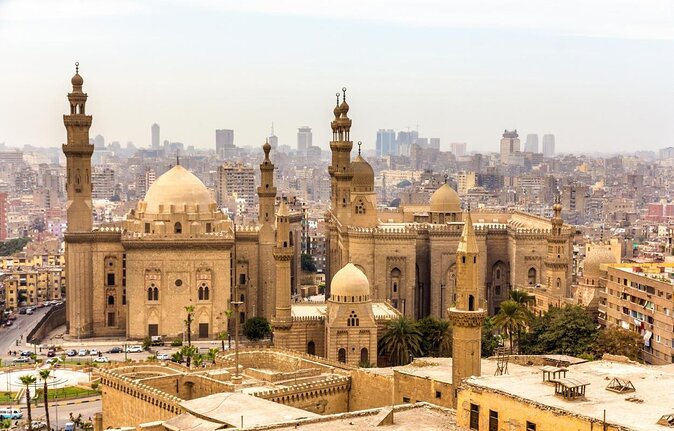
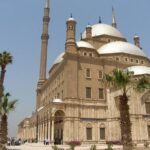
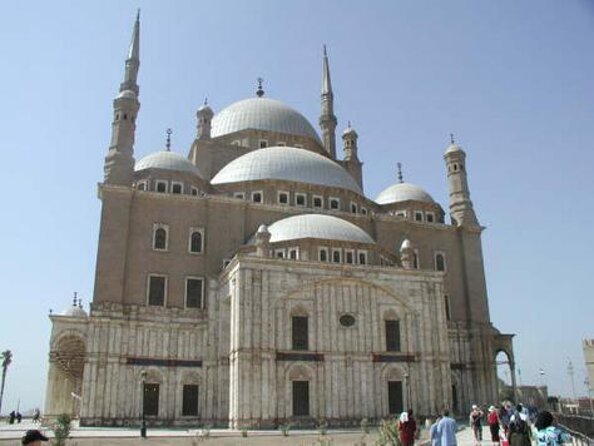
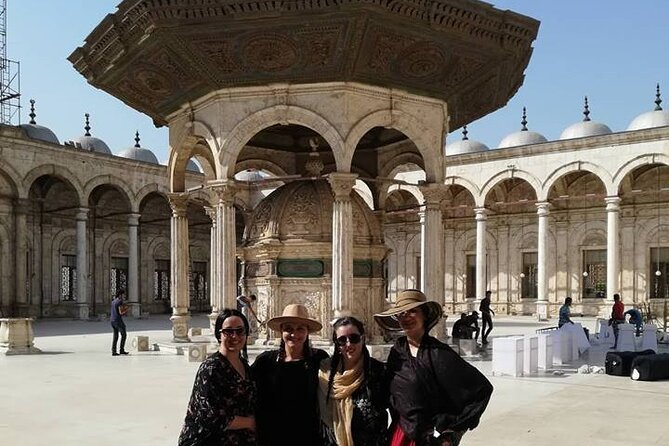
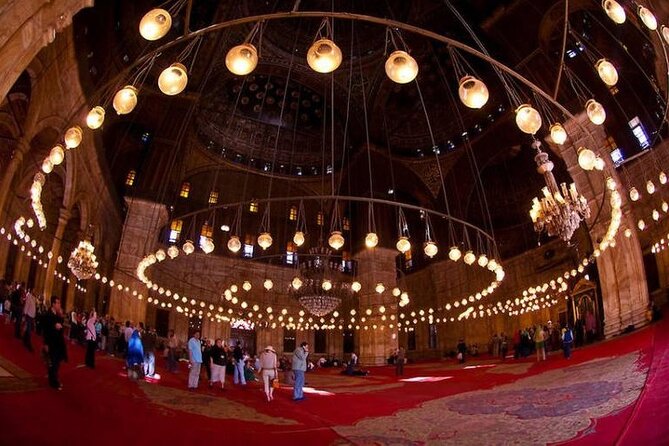
After the heights of the Citadel, you head into one of Cairo’s most recognizable landmarks: the Mosque of Muhammad Ali, built between 1830 and 1848, and completed later in the reign of Said Pasha (1857). That timeline tells you something important: this mosque isn’t medieval. It’s the 1800s, when Egypt’s leadership was looking outward and building with big international references.
The architect is listed as Yusuf Bushnak, from Istanbul. The mosque’s model was the Sultan Ahmed Mosque in Istanbul, which is why so many people immediately see the “Ottoman” feel here. If you’ve seen Istanbul’s Blue Mosque (or even just pictures), this visit is a chance to compare design logic across two cities.
Inside and around the mosque, I’d focus less on checking boxes and more on noticing how materials and maintenance tell a story. For example, the ground on which the mosque stands used debris from earlier Citadel buildings. And there’s a fascinating detail about the mosque’s alabaster: alabastered panels from the upper walls were removed before the mosque was finished, and later used for the palaces of Abbas I. That kind of reuse is the sort of fact that makes the site feel lived-in, not frozen.
Repairs also show up in the record. The mosque reportedly developed cracking by 1899, and inadequate repairs were done. Even if you don’t go hunting for cracks during your visit, knowing that later upkeep was a problem helps you understand that grand projects always come with real-life costs.
This stop is about 1 hour, which is a good balance. You’ll have time to see the main space without feeling rushed, but not so much that the day drifts.
Sultan Hassan mosque-madrasa: one building, many lessons
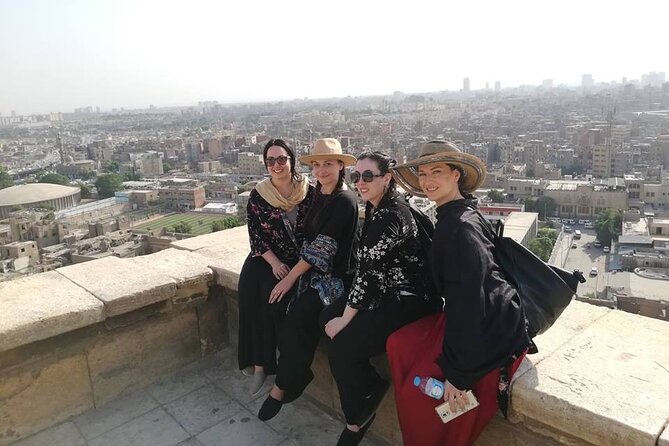
Next comes the Mosque and Madrasa of Sultan Hassan, built between 1356 and 1363 during the Bahri Mamluk period. It was commissioned by Sultan an-Nasir Hasan, and it’s famous (for good reason) for being massive and architectural-smart for its era.
Here’s the scale you should picture before you arrive. The mosque occupies almost 8,000 square meters, stretches roughly 500 meters long, is 68 meters wide, and reaches about 36 meters high. The main doorway at the north corner is described as nearly 26 meters high. Those numbers sound like trivia until you stand in front of the entrance and realize you’re looking at a structure built to dominate the surrounding area.
I also like that it’s a mosque-madrasa, not just a prayer space. The “school” function is part of why these monuments mattered so much in medieval Cairo: religion, education, and politics were tied together in stone.
Your visit here is about 30 minutes, so the move is to pick one moment to really absorb. I’d choose either:
- the outside impact of the façade and doorway, or
- the inside layout and how the scale changes when you’re under the covered spaces
If you try to do both at full intensity, time disappears fast.
A small heads-up: entrance fees aren’t included, so don’t assume you can walk in without a payment step.
Al Rifai Mosque: linking dynasties across centuries
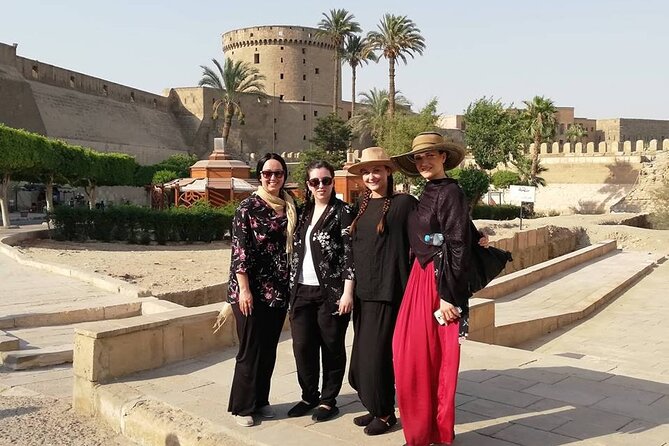
Al Rifai Mosque is a deliberate bridge between eras. It was built to connect 19th-century Egypt with its “glorious past” by resembling the neighboring Sultan Hasan Mosque. If you came to see how power styles itself through architecture, this is one of the best places in the route to understand that idea.
What makes Al Rifai especially interesting for visitors is what it holds. The mosque includes the tomb of Imam Rifai, plus later members of the Mohammed Ali dynasty: Sultan Hussein Kamel, King Fuad, and King Farouk. The site also houses the tomb of the last Shah of Iran. That mix turns the visit into more than “pretty mosque photos.” You’re seeing how later rulers attached themselves to a heritage they wanted to project.
Your stop here is about 30 minutes, so it’s a good chance to focus on symbolism. Look at the way it echoes Sultan Hassan’s style. Then look at the tomb references listed in the description and think about the politics hiding in the details.
As with the other major stops, entrance tickets aren’t included, so budget for them.
A few more Cairo tours and experiences worth a look

Gayer-Anderson Museum: two restored houses, one collecting story
To keep the day from becoming only about big state monuments, the route ends with the Gayer-Anderson Museum (Bayt al-Kiritliya). This is a different mood: smaller scale, decorative details, and an “Egypt seen through a collector’s eyes” story.
The museum is based on items collected by John Gayer-Anderson, a British member of the Egyptian civil service in the 1930s and ’40s. Instead of being a single-purpose building, it comes from restoring two adjacent 16th- and 17th-century houses. That matters. You’re not only looking at objects—you’re also seeing how domestic architecture shaped daily life.
Pay attention to the design elements called out in the description: mashrabiyya screens and marble inlays. Mashrabiyya is the kind of feature you can miss if you rush, but it’s also practical and beautiful: it’s part shading system, part privacy feature. Marble inlays add another layer of craft, and they remind you that “arts of comfort” are part of what history built for people, not just palaces.
This stop is about 30 minutes and includes no admission fee in the tour price. If you’re already paying several sites’ entries, this is one more reason to plan a clear budget for on-site costs.
Price and logistics: is $39 good value
At $39 per person for roughly 6 hours, this tour is priced for value if you care about seeing multiple major sites with less stress. The big value points are that it includes hotel pickup and drop-off, an air-conditioned vehicle, private transportation, bottled water, and a qualified Egyptologist guide.
Where people often get surprised on days like this is the add-ons. Entrance fees are not included, and lunch isn’t included, so your final spend depends on how you handle those items. If you plan lunch ahead and carry a little cash or card flexibility for tickets, the day stays smooth.
Also note the tour lists mobile ticket and group discounts as features. Even if this is private for your group, the provider may offer better pricing if you’re booking with others.
One more planning tip: since it needs good weather, keep a bit of flexibility. Cairo days can change fast, and if the provider has to adjust due to conditions, you may get offered a different date or a refund.
Who this private Citadel and Islamic Cairo tour fits best
This is the kind of day that suits:
- first-time visitors who want a focused route through Islamic Cairo without figuring out transit between far-apart sites
- history-minded travelers who want names, dates, and architectural reasons (Ayyubid → Mamluk → Muhammad Ali/Ottoman influence)
- couples and small groups who prefer private pacing rather than waiting around
It’s less ideal if your style is slow, long museum time. Because the tour is built around multiple stops, you don’t get hours at one place. You get a sequence, then a chance to return later if one site really hooks you.
For the best day, I’d pick one “theme” before you go. For example: Ottoman influence at Muhammad Ali Mosque, Mamluk power at Sultan Hassan, and the later dynastic connections at Al Rifai. When you have that mental thread, every stop feels like a chapter instead of a checklist.
Should you book this tour?
Yes, if you want one efficient private day that connects Cairo Citadel monuments to the rulers and architectural ideas that shaped them. The strongest reasons to book are the included private pickup/transport, the Egyptologist guide, and the smart mix of sites: fortress (Citadel), imperial mosque (Muhammad Ali), monumental state education/prayer (Sultan Hassan), dynastic tombs (Al Rifai), and a quieter arts-and-architecture break (Gayer-Anderson Museum).
Skip it only if you’re trying to minimize on-site costs. With entrance fees and lunch not included, your budget needs a little buffer. Also, if you hate short stop times, you may feel rushed at the 30-minute sites. Otherwise, this is a solid way to see a big slice of Islamic Cairo without wasting your vacation hours.
FAQ
What time does the tour start?
The tour start time is 8:00 am.
How long is the tour?
It runs for about 6 hours (approx.).
Do I get hotel pickup and drop-off?
Yes. Pickup and drop-off are included, and the pickup can be from hotels in Cairo or Giza.
Is this tour private?
Yes. It’s a private tour/activity with only your group participating.
Are entrance fees included?
No. Entrance tickets are not included, so you’ll need to pay on site.
Is lunch included?
No. Lunch is not included.
What’s included in the tour price besides the guide?
The tour includes an air-conditioned vehicle, private transportation, bottled water, a qualified Egyptologist guide, and hotel pickup and drop-off.
Does the tour use a mobile ticket?
Yes, a mobile ticket is listed as a feature.
What’s the best way to handle the entrance-fee add-ons?
Because entrance fees aren’t included, plan a budget for tickets in advance so you’re not doing math during the day.
What if the weather is bad?
The experience requires good weather. If it’s canceled due to poor weather, you’ll be offered a different date or a full refund.
How flexible is cancellation?
Free cancellation is available. You can cancel up to 24 hours in advance for a full refund. If you cancel less than 24 hours before the start time, the amount paid won’t be refunded.