REVIEW · CAIRO
Full Day: Giza Pyramids, Egyptian Museum & Khan Khalili Bazaar Tour
Book on Viator →Operated by Emo Tours Egypt · Bookable on Viator
Cairo’s pyramids feel unreal, even before you see them. This full-day tour strings together the Giza Plateau landmarks, the Egyptologist-led story behind them, and then finishes with the Egyptian Museum and Khan al-Khalili for shopping and people-watching. You’re picked up around 8:00 a.m., so you’re not starting the day in a rush.
I love the practical flow: free hotel pickup and drop-off, plus bottled water and snacks that help you stay comfortable through a long day. I also like that the guide names names and dates, from Khufu details to what you’re looking at inside the museum, with guides such as Osama, Adel Hakem, Tonsi, Zenab, and Issam earning praise for being friendly and helpful.
One thing to consider: several stops are brief (often about 30 minutes), so if you want a slow, linger-everywhere pace, you may feel a bit rushed. Also, drinks with lunch aren’t included, and entrance fees can depend on the option you choose.
In This Review
- Key moments worth clocking
- Getting picked up in Cairo or Giza (and why the start time matters)
- The Giza Plateau: Pyramids, Valley Temple, and a Sphinx that grabs your attention
- Great Pyramid of Cheops (Khufu): the story behind what survives
- Khafre’s and Menkaure’s pyramids: what 30 minutes can teach you
- Panoramic view of the pyramids: the relief you didn’t realize you needed
- Egyptian Museum of Antiquities: going from monuments to objects
- Khan al-Khalili Bazaar: shopping with history in the background
- Price and what your $8 really buys (plus what to budget)
- Guides matter: what the praised team brings to the day
- Timing and pacing: how to avoid feeling rushed
- Should you book this Cairo day tour?
- FAQ
- What does the full-day tour cost?
- How long is the tour?
- Is hotel pickup and drop-off included?
- Are admission fees included?
- Is lunch included?
- What’s included for comfort during the day?
- Is there free cancellation?
Key moments worth clocking
- 8:00 a.m. pickup from Cairo or Giza keeps you ahead of the worst crowd timing
- Egyptologist-led explanations at Giza help you connect the monuments to the people
- Museum scale: you’ll see artifacts stretching back around 5,000 years and the Tutankhamun treasures exhibit
- Photo-friendly Sphinx time with guidance for angles and funny poses
- Khan al-Khalili shopping variety: brassware, copper, perfumes, leather, antiques, and more
- Private transport with AC plus bottled water helps you stay sane in transit
Getting picked up in Cairo or Giza (and why the start time matters)
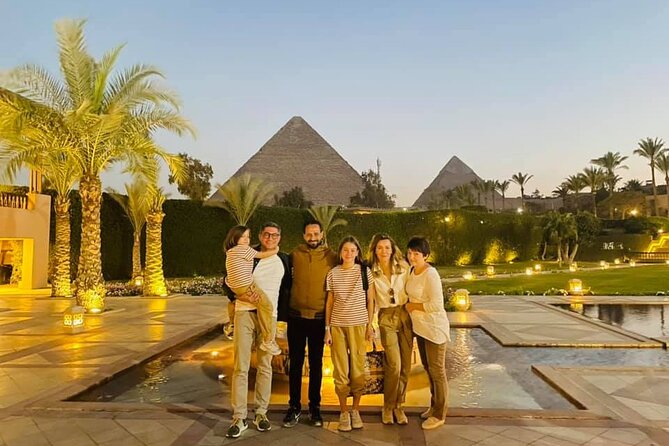
This is a full-day circuit, and the first big win is the timing. Pickup starts at 8:00 a.m. from either Cairo or Giza, with drop-off back at your hotel at the end. You get taken in a private, newest-model vehicle with A/C, and you’ll have bottled water from the start.
That early start isn’t just a convenience. In places like Giza, you’re racing the day’s heat and the swell of tour groups. Several guides—Osama and Zenab come up in praise—have been noted for helping groups get there relatively early and keeping the mood organized.
You can also read our reviews of more museum experiences in Cairo


The Giza Plateau: Pyramids, Valley Temple, and a Sphinx that grabs your attention
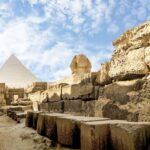
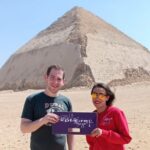
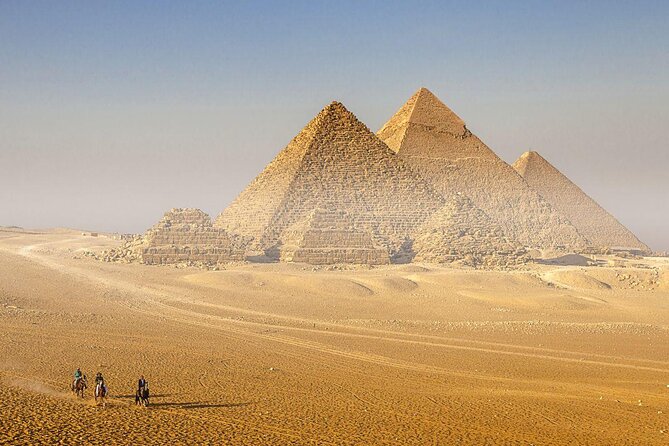
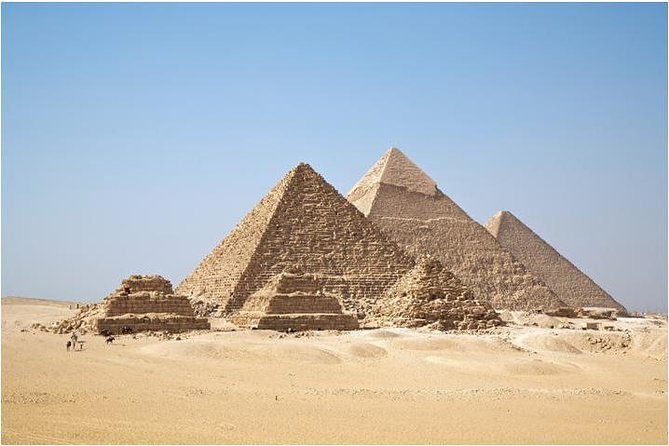
Your morning centers on the Giza Plateau, where the monuments don’t look real until you’re standing near them. You’ll visit the Great Pyramids of Cheops (Khufu), Chephren (Khafre), and Mykerinos (Menkaure). Even if you’ve seen photos, the scale changes your brain once you’re there.
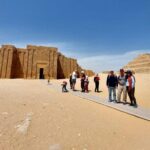
You also stop at the Valley Temple, described as the place where priests mummified the dead body of King Chephren. That matters because it turns the plateau from a set of statues into a working religious world—temples, rituals, and royal funerary planning.
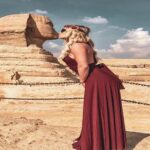
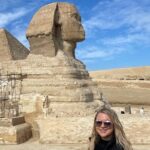
Then comes the Sphinx moment. The description is clear: the lion body and the head of King Chephren, acting as the legendary guardian by the funeral complex. What I’d plan for here is time for photos, because your guide is there to help you get the angles right, including playful poses for pictures.
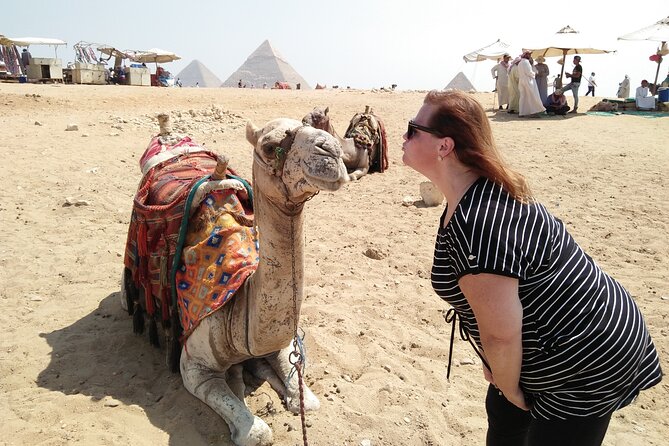
Practical note: you may see camel rides offered around this area in some departures (it’s been part of people’s day on this kind of tour). If that interests you, ask your guide when it makes sense and whether it fits your timing.
Great Pyramid of Cheops (Khufu): the story behind what survives
At the Great Pyramid of Cheops (Khufu), you’ll spend about 30 minutes, and the value is in what your guide points out. One detail worth knowing: the tour explanation references a three-inch high ivory figurine of Khufu that was found in a temple ruin at Abydos in 1903. It also notes that many other reliefs and statues are known only in fragments, so you’re piecing together Khufu through surviving inscriptions and later documents.
That’s the kind of context that makes your visit feel less like a photo stop. You’re not just looking at stone—you’re learning what’s missing, what survives, and why scholars rely on inscriptions in the necropolis at Giza and later writings such as the Westcar Papyrus.
Khafre’s and Menkaure’s pyramids: what 30 minutes can teach you
Next you’ll visit Khafre’s Pyramid and Menkaure’s Pyramid, with about 30 minutes at each. The tour breaks down what makes each pyramid complex feel different, even though they’re all part of the same royal landscape.
For Khafre, the complex is described as more than a pyramid. You get a sense of the valley temple, Sphinx temple, causeway, mortuary temple, and the king’s pyramid. The Valley Temple yielded statues of Khafre, and the notes mention discoveries found in a well in the temple floor during excavations.
Menkaure’s complex is laid out similarly: valley temple, causeway, mortuary temple, and the king’s pyramid. The tour also mentions a smaller ante-temple added in the 5th Dynasty. That gives you a quick sense of how royal complexes evolved over time, not just when they were first built.
Panoramic view of the pyramids: the relief you didn’t realize you needed

Between the pyramid stops and museum time, there’s a panoramic view break. It’s about 30 minutes, with admission included. Think of this as your chance to breathe, reframe your mental map, and catch shots from angles that help everything click.
This also works well if you’re traveling with different interests. Some people want close-up structure details; others want broad views. Panoramas keep everyone happy without derailing the schedule.
You can also read our reviews of more shopping tours in Cairo




Egyptian Museum of Antiquities: going from monuments to objects
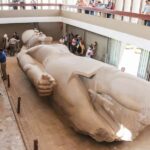
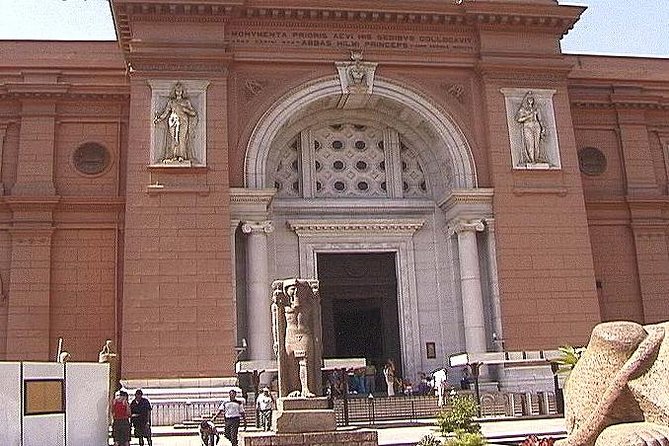
After Giza, you move to the Egyptian Museum in Cairo. You’ll have about 2 hours inside, with admission included. The museum visit is where the day shifts from outdoor scale to object-level detail.
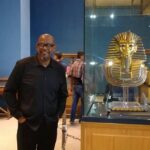
The tour description emphasizes the museum’s size and scope: it displays major Egyptian art objects and includes a rare collection of over 250,000 genuine artifacts, some dating back around 5,000 years. The star for many people is the Tutankhamun exhibit—treasures, gold, and jewelry buried for roughly 3,500 years and discovered in the 1920s when the tomb was excavated.
Here’s how to make the museum time work for you: pick a few anchors before you walk in. If Tutankhamun is your priority, spend your energy around that exhibit first. If you’re more into the everyday and ceremonial objects, ask your guide what to see that connects best with what you saw at Giza.
Khan al-Khalili Bazaar: shopping with history in the background
Your final stop is Khan al-Khalili, about 1 hour. This is the part of Cairo where you trade monuments for markets: narrow lanes, shopkeepers, and lots of items laid out for browsing.
The tour description is specific about what you’ll find: antiques, copper and brassware, perfumes, leather goods, and even gold and silver items. If you like bringing home something meaningful but small—spice mixes, a fragrance, a metalwork souvenir—this is where your eyes will start doing the math.
The best approach in a bazaar is light expectations and clear limits. You’re there for atmosphere and options. If prices feel high, it’s normal to pause and compare in different shops before you commit.
Price and what your $8 really buys (plus what to budget)
At $8 per person, this is priced to feel like a bargain—especially for a day that includes hotel pickup and drop-off, private A/C transport, and bottled water. That’s the core value.
Just don’t assume every cost is wrapped into the $8. The data notes that entry fees may be optional depending on the tour options you choose, and it also says entrance fees can include only basic area access. Lunch at a local restaurant is described as included in the Giza block, but the included section also lists lunch as optional—so treat lunch as a “check your exact option” item. Drinks with lunch aren’t included, and tipping is expected.
My practical budgeting advice: if you’re the type who hates surprises, confirm what your option covers for museum and site entry, then plan a little extra for snacks, drinks, and any purchases you can’t resist in Khan al-Khalili.
Guides matter: what the praised team brings to the day
This tour’s reputation leans heavily on the people running it. Names that came up in strong feedback include Osama, Adel Hakem, Tonsi, Zenab, Issam, and Ibrahem (often as guide or driver pairings). The pattern is consistent: guides are friendly, and they help you understand what you’re seeing—not just where to stand.
Safety and comfort also show up in feedback. Drivers like Ahmed were praised for being careful and professional. Some groups described extra touches like hand sanitizer, recommendations, and help with local currency—small things that add up when your day is long.
If you care about photo quality, pay attention to the guide’s role at the Sphinx. The tour notes describe help for amazing pictures in funny positions, and in practice guides like Adel were praised for taking photos and giving options.
Timing and pacing: how to avoid feeling rushed
Even with a well-run schedule, the day is packed. Several key monuments are around 30 minutes each, and museum time is 2 hours. That can be perfect if you want a structured first visit, but it can feel tight if you’re a slow wanderer.
Your best move: decide what you want most before you go. If your priority is pyramids, treat the museum as your object-focused highlight rather than a room-by-room marathon. If your priority is the museum, aim to absorb the Giza story quickly and rely on your guide’s explanations to connect the dots fast.
Also, plan for a lot of moving between sites. Even with A/C in the car, you’ll be outside for parts of the day, so wear comfortable shoes.
Should you book this Cairo day tour?
I think it’s a smart booking if you want maximum Cairo impact in one day without playing scheduling roulette. It’s especially good for first-timers who want a guide to translate the monuments and keep the day moving, plus hotel pickup to reduce stress.
I’d pass or adjust expectations if you crave lots of free time at each site. With short blocks at multiple pyramids and a museum-plus-market finale, it’s structured. It’s not a slow, solo-style exploration day.
If you book, I’d do two things: confirm what your option covers for site and museum entry, and tell your guide what you care about most—pyramids, Tutankhamun, or bazaar shopping—so the day fits your style.
FAQ
What does the full-day tour cost?
The price listed is $8.00 per person.
How long is the tour?
The duration is about 8 hours.
Is hotel pickup and drop-off included?
Yes. Hotel pickup and drop-off are included, with pickup from Cairo or Giza around 8:00 a.m.
Are admission fees included?
Some admissions are marked as included or free, but the tour notes that entry fees can depend on the tour options chosen, and that entrance fees include basic area only.
Is lunch included?
Lunch at a local restaurant is described as included during the Giza portion, but beverages are not included. The tour also notes lunch at local restaurants (koshari) as optional, so check your selected option.
What’s included for comfort during the day?
You get bottled water, snacks, and travel by private A/C vehicle. The tour also includes a mobile ticket.
Is there free cancellation?
Yes. You can cancel up to 24 hours in advance for a full refund. If you cancel less than 24 hours before the start time, the amount you paid will not be refunded.