REVIEW · CAIRO
Egyptian Museum and Giza Pyramids
Book on Viator →Operated by Egypt Legends Tours · Bookable on Viator
Giza hits you fast, and this private day wraps the Great Pyramids and the Sphinx into a guided route with smart photo stops and real context. You’re not just looking at stones from afar—you’re getting the why behind the sight.
I especially like the Egyptologist-style explanations and the chance to learn from a guide like Maryam, who’s praised for clear English and strong history narration. The Egyptian Museum stop also feels purposeful, with time focused on the Tutankhamen highlights rather than a vague museum stroll.
One possible drawback: the tour starts at 7:00am, so plan for an early pickup and a long day of walking and standing outdoors and then in museums.
In This Review
- Key highlights worth planning around
- Getting to Giza early: why a 7:00am start helps
- Great Pyramids panorama: seeing three kings in one view
- The Sphinx moment: when you learn how to look
- Valley Temple of Chephren: the stop that adds meaning
- Egyptian Museum: 250,000 pieces, so you need focus
- The Tutankhamen room: the highlight with real weight
- Photo stops and timing: making the day feel smooth
- Lunch included: a real break, not an afterthought
- Price and value: what you’re really paying for at $100
- Who this tour fits best
- Should you book this Giza and Egyptian Museum tour?
- FAQ
- What time does the tour start?
- How long does the tour take?
- Is hotel pickup included?
- What are the main stops on the tour?
- What’s included in the price?
- What isn’t included?
Key highlights worth planning around
- 7:00am start with pickup and private transportation so you’re not wasting daylight getting to Giza
- Panoramic views of the pyramids of Cheops, Chephren, and Mykerinus
- Great Sphinx plus Valley Temple tied to the Chephren complex and mummification rites
- Private, English-speaking Egyptologist guide who helps you make sense of what you see
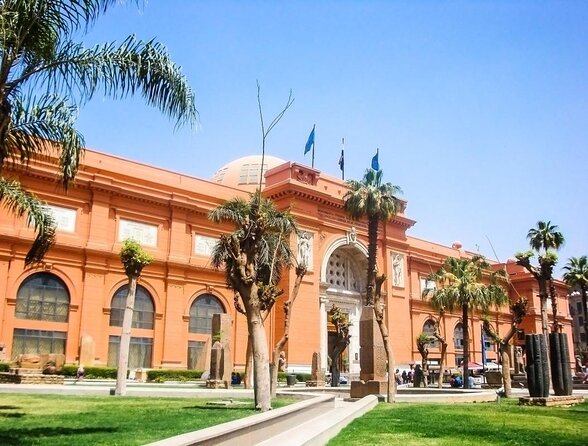
- Egyptian Museum focus, including the Tutankhamen room with treasures, jewelry, and gold
- Lunch and bottled water included, plus entrance fees for the featured sites
Getting to Giza early: why a 7:00am start helps
If you’ve ever visited a major landmark late in the day, you know the trade-off: fewer good viewing moments and less patience when crowds build. Here, the day begins at 7:00am, with pickup offered from your Cairo hotel and private transport taking you out to Giza.
That matters because the pyramids are a visual experience—you want time where your brain can actually absorb the scale. The tour also includes “on the way” commentary, so the ride isn’t dead time. You’re building a map in your head before you step out.
And since this is a private tour (your group only), you’re not stuck following a big herd pace. You can ask questions, pause for photos, and keep the experience tuned to what you care about most.
You can also read our reviews of more museum experiences in Cairo


Great Pyramids panorama: seeing three kings in one view

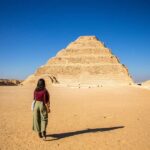
Once you’re at the Giza plateau, the tour is built around panoramic views of the pyramids of Cheops, Chephren, and Mykerinus. Even if you’ve seen photos before, nothing prepares you for how close the real thing feels. The guide’s job is to help you connect the shapes you’re seeing with the people and purpose behind them.
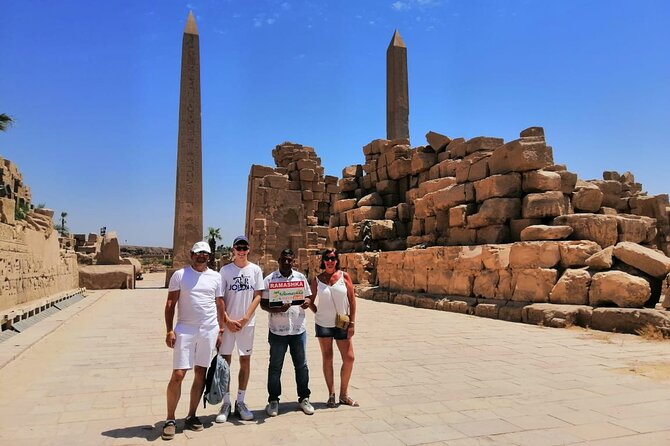
This is also where photo stops become more than just picture-taking. The guide works the angles so you can get views that show the pyramids in relation to each other, rather than single-building snapshots. If you care about getting images you’ll actually want to keep, this part of the day is where your camera time should be intentional.
A nice bonus, based on past experiences shared with this tour, is that you may have a chance to go inside some pyramids when the situation allows. If that’s on your wish list, ask your guide on the day how the entry options work for that visit.
The Sphinx moment: when you learn how to look
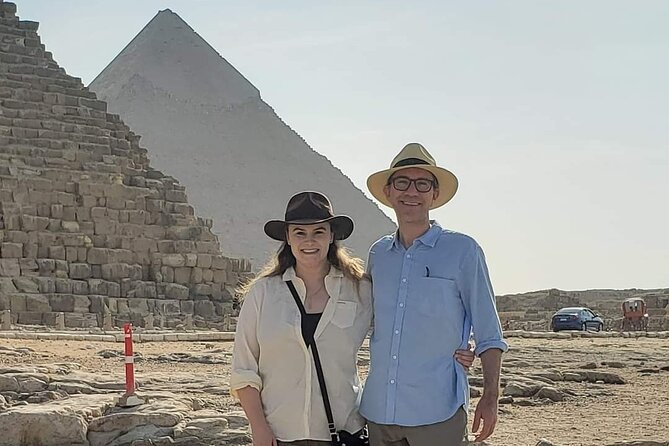
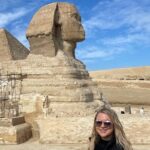
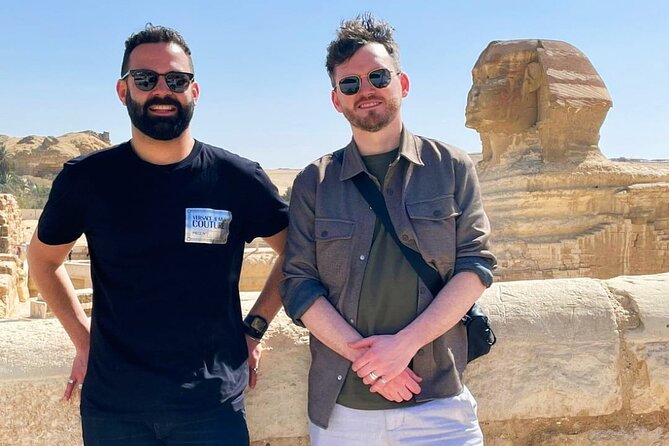
The Great Sphinx isn’t just a famous face in the desert. The experience gets better when you understand what you’re looking at and why the site was designed the way it was. That’s where having a private English-speaking Egyptologist guide pays off.
You’re given context before you’re asked to admire. Instead of wandering, you’re guided to key points so you know what details to notice—everything from the positioning in the complex to the visual storytelling of the setting.
In practical terms, the Sphinx stop also helps break up the day. After the pyramids’ grandeur, it gives your eyes a different kind of challenge: smaller details, longer looks, and a chance to slow down for photos and questions.
Valley Temple of Chephren: the stop that adds meaning
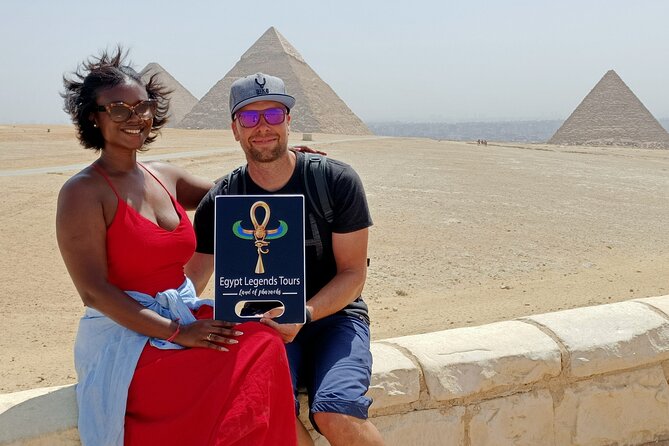
If the pyramids are the big headline, the Valley Temple is the part that gives the day its backbone. This temple belongs to the pyramid complex of Chephren, and the tour explains how it served for purification of the king’s mummy before burial. It was also used in the mummification process.
That detail changes how you see the stones. When you know this wasn’t just architecture for beauty, you can start to understand the site as part of a larger ritual system. It’s not only about a structure surviving for thousands of years—it’s about what people did there and why.
From a visitor standpoint, this stop is also a relief from the relentless “everything is giant” feeling. The Valley Temple brings you closer to the human logic of ancient Egypt: preparation, process, and ceremony, not just monuments.
Egyptian Museum: 250,000 pieces, so you need focus
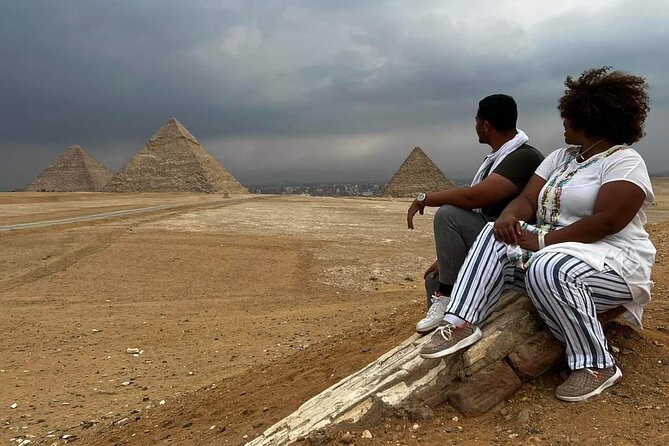
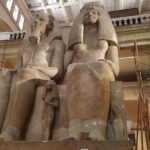
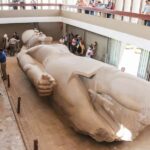
After Giza, the tour moves to the Egyptian Museum, which houses more than 250,000 pieces spanning over 5,000 years of Egyptian art. A museum that size can overwhelm you fast, especially if you’re traveling on a tight schedule.
That’s why the tour’s approach works: it keeps you from trying to see everything. You get guided structure so you can make choices based on meaning rather than exhaustion.
You’ll also have time to browse at your leisure and try Egyptian specialties or pick up souvenirs. That free time is a smart inclusion because it lets you steer the day back toward what you enjoy most—whether that’s art, artifacts, or simply taking breaks before the next set of sights.

The Tutankhamen room: the highlight with real weight
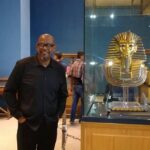
The tour specifically calls out the Tutankhamen room, including treasures, jewelry, and gold that were enclosed in his tomb over 3,500 years ago. Even if you know the name, it helps to see what that name stands for: tangible items that survived long enough to reach us.
This is a major value point in the itinerary. Many museum visits turn into a blur of rooms and labels. Here, the day gives you a clear “must-see” anchor, so your time has a payoff you can remember.
When your guide explains context while you look, the artifacts feel less random. You start to notice patterns—what types of items were included, how they were meant to function in the worldview of the time, and why that matters for understanding ancient Egyptian beliefs.
Photo stops and timing: making the day feel smooth
The tour includes many outstanding photo stops, and the guides’ reputation for good navigation shows up in feedback you can feel in the day’s pacing. The goal isn’t to sprint through. It’s to get you positioned where the view makes sense and the timing helps you capture it.
That’s also why private transportation matters. Instead of dealing with guesswork and public-route delays, your day stays inside a planned flow. The tour uses private transportation plus entrance fees to the mentioned sites, which reduces friction when you just want to enjoy the sights.
A small but practical note: since you’re moving between outdoor and indoor spaces, you’ll likely want a flexible mindset. You may stand in the sun for views, then cool down indoors during the museum portion. If you come prepared with water and comfortable shoes, the day feels manageable instead of draining.
Lunch included: a real break, not an afterthought
Lunch is included, along with bottled water. That sounds basic, but on a full-day Giza-and-museum schedule it becomes a big deal. When you don’t have to stop to figure out where to eat, you save time and energy.
This also matters for pacing. A guided day can turn into constant movement. A real lunch stop gives your body a reset so you can enjoy both the museum rooms and the earlier outdoor stops without feeling cooked.
If you like trying local food, this is your window. If you’d rather keep it simple, it still gives you a needed break that keeps the rest of the tour enjoyable.
Price and value: what you’re really paying for at $100
At $100 per person, the value here comes from the package design. You’re not paying just for a driver and a car—you’re getting private transportation, all fees and taxes, entrance fees, lunch, bottled water, and a private English-speaking Egyptologist guide.
In other words, you’re paying for reduced decision fatigue. With Giza and the Egyptian Museum, the “hard part” is not only seeing the places—it’s understanding what you’re looking at and managing time so the day doesn’t feel chaotic.
This tour is also positioned well for travelers who want a structured route. If you’re the type who enjoys asking questions and getting a clear narrative (instead of reading everything alone), the guided format is where the money makes sense.
Who this tour fits best
This is a strong match if:
- You want a guided introduction to Giza and the Egyptian Museum without building your own plan.
- You care about history explanations in English with an Egyptology-trained approach.
- You prefer a private day where your group pace matters.
It’s less ideal if:
- You hate early mornings. The 7:00am start means you’ll be working on travel energy before most of Cairo wakes up.
- You want total freedom to roam the museum with no guidance. This tour offers structured focus, not an anything-goes day.
Should you book this Giza and Egyptian Museum tour?
If you want one well-run day that connects the pyramids, the Great Sphinx, the Valley Temple of Chephren, and the Egyptian Museum (with the Tutankhamen room), this tour is an efficient choice. The private guide approach—especially with guides like Maryam who are praised for strong English and helpful photo spotting—makes the sights feel clearer and more rewarding.
Book it if you value structure, explanation, and a smooth day with lunch and entrance fees handled. Skip it if you’re sensitive to early starts and long walking. For most visitors, though, this is a practical way to see Cairo’s two biggest anchors in one go.
FAQ
What time does the tour start?
The tour start time is 7:00am.
How long does the tour take?
The duration is about 8 hours.
Is hotel pickup included?
Yes, pickup is offered, and you use private transportation.
What are the main stops on the tour?
You visit the Great Pyramids (including panoramic views of Cheops, Chephren, and Mykerinus), the Great Sphinx, Valley Temple (Chephren), and the Egyptian Museum with the Tutankhamen room.
What’s included in the price?
Included are lunch, bottled water, private transportation, all fees and taxes, entrance fees to the mentioned sites, and a private English-speaking Egyptologist guide.
What isn’t included?
Extras not mentioned in the itinerary are not included, and tipping to your guide and driver is not included.