REVIEW · CAIRO
Egypt Deluxe Vacations 12 Days 11 Nights
Book on Viator →Operated by Your Egypt Tours · Bookable on Viator
If you want Egypt that hits the big monuments and then gives you breathing room, this one works. You start in Cairo with Giza and museum time, then head south for Aswan and Luxor temples, before shifting to the Red Sea for easy days in Hurghada. It’s a classic mix: jaw-dropping ancient history plus sun, water, and a change of pace.
I especially like how the plan groups major sights with the right kind of guide support. You get an Egyptologist guide and included entrance fees, so you’re not constantly sorting tickets, translations, or logistics on your own. I also like the way the route balances intensity: big days on land, then three days where you can snorkel, dive, or just do nothing.
One thing to consider: accommodation isn’t included in the stated price, so you’ll need to budget for your hotel stays in Cairo and Hurghada. Also, it’s an active, long-haul trip across multiple cities, so plan your energy accordingly.
In This Review
- Key things that make this trip worth a serious look
- Why this Egypt route feels built for first-timers
- Your first hours: airport meet-and-assist and a low-stress start
- Giza pyramids day: more time, real options, and big-photo energy
- Egyptian Museum and Coptic Cairo: two different Egypts, one day of contrasts
- Aswan stops: Philae, the High Dam, and the Unfinished Obelisk
- Kom Ombo and Edfu: two temples that share one Nile story
- Valley of the Kings and Hatshepsut: the West Bank does not mess around
- Karnak and Luxor Temple: when the scale becomes personal
- Cruise shift to Hurghada: the best kind of transition day
- Hurghada free days: beaches and optional Red Sea experiences
- Saqqara and Memphis: ending with older roots before your flight
- Price and logistics: what $2,500 really buys you here
- Who this tour fits best
- Should you book Egypt Deluxe Vacations?
- FAQ
- What’s included in the tour price?
- Is accommodation included?
- Do I get airport pickup and transfers?
- Are entrance fees included for the sites?
- Is this a private tour?
- Can I cancel for a full refund?
Key things that make this trip worth a serious look
- Cairo to Aswan to Luxor to Hurghada: you get ancient highlights, then real downtime by the sea
- Egyptologist-guided visits with entrance fees included for the listed sites
- Giza time that isn’t rushed: over two hours at the pyramids, plus options like the Sun boat museum or a camel ride
- Aswan temples and landmarks: Philae, the Unfinished Obelisk, and the High Dam, all with context
- West Bank Luxor classics: Valley of the Kings tombs, Hatshepsut’s temple, Karnak, and Luxor Temple
- Free Hurghada days: beaches and optional Red Sea activities like Giftun Island or a submarine
Why this Egypt route feels built for first-timers
This tour is designed around the places most people come to Egypt for. You’ll see the pyramids at Giza, the museum highlights in Cairo, and the big sacred sites tied to Luxor and Aswan. Then, instead of cramming everything into one exhausting stretch, it hands you time in Hurghada where the goal is relaxation.
That matters because Egypt can be mentally loud. Dusty roads, long walks, crowds, and the constant “wait, look at this too” effect. Here, you get a built-in rhythm: serious sightseeing days, then Red Sea breathing room.
You can also read our reviews of more tours and experiences in Cairo.

Your first hours: airport meet-and-assist and a low-stress start
On Day 1, the focus is simple: get you from Cairo International Airport to your hotel with help through passport control, luggage, and customs. That sounds basic, but it’s the difference between starting your trip calm or starting it stressed.
You also get all transfers on air-conditioned vehicles, which is a big practical detail in Egypt. In warmer months especially, AC rides take the edge off long movement days. If you’re arriving after a long flight, that comfort is worth its weight in bottled water.
Giza pyramids day: more time, real options, and big-photo energy
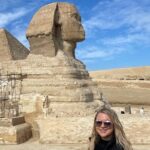
Your Pyramids of Giza visit gives you over two hours on site. That’s long enough to do more than just the quick “stand there and squint” version. You’ll see the Great Pyramid of Khufu and also learn about the surrounding pyramids of Chephren and Mycerinus.
What I like here is that you have choices inside the plan:
- You can spend time entering a pyramid chamber (if that’s your thing).
- Or you can visit the Sun boat museum instead.
- You may even add a camel ride around the area if you want the full postcard experience.
All of that is guided, so you get context for what you’re seeing, not just a list of names. And yes, the scale hits you fast: blocks, height, age—your brain needs a minute to catch up.
Egyptian Museum and Coptic Cairo: two different Egypts, one day of contrasts
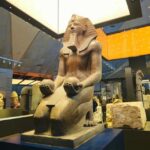
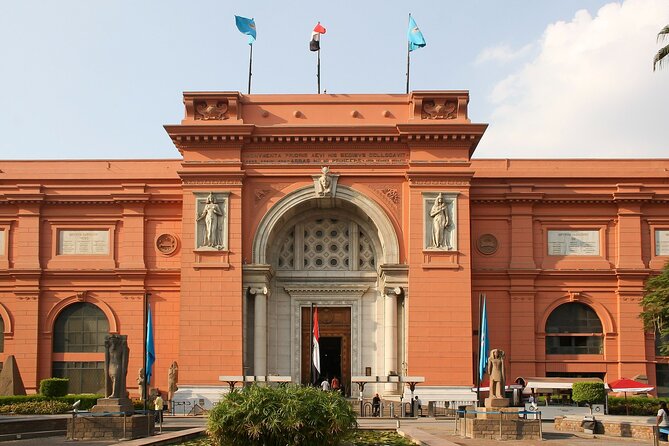
On Day 3, you get a very focused run through the Egyptian Museum in Cairo. You spend about four hours with an Egyptologist, and the guide is there to keep the museum manageable. The museum has far more than one person can absorb in a day, so the value is in how they point you to the highlights.
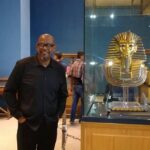
A key stop is the Tut Ankh Amun wing on the first floor. Expect a concentrated look at the golden treasures and major artifacts tied to his collection. This is where you can really feel why the museum is famous.
Then the itinerary pivots to Coptic Cairo, including:
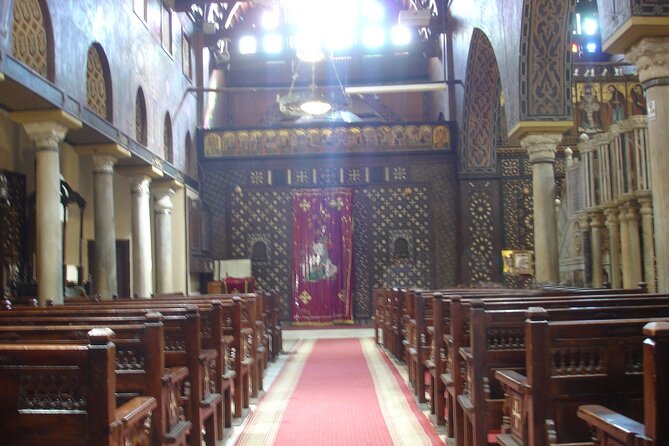
- The Hanging Church (built in the 5th century, dedicated to Virgin Mary)
- The Cavern Church and the Church of St Sergius and Bacchus
- A stop connected to the oldest Jewish temple in Cairo
That mix is interesting because it shows Egypt as layered, not frozen in one era. You’re moving from royal tomb-era thinking to centuries of religious history in one concentrated slice.
Aswan stops: Philae, the High Dam, and the Unfinished Obelisk
Aswan is often where Egypt starts to feel more grounded. The light changes, the Nile becomes more present, and the monuments feel less like an outdoor classroom and more like real landmarks.
You visit Temple of Philae, originally dedicated to Isis. A big part of the story here is that it was submerged after the first Aswan dam was built in 1902, then later saved and moved to Agilika Island. That rescue history gives the visit more weight than a typical temple tour.
After that, you stop at the Unfinished Obelisk. It’s called unfinished for a reason: it was carved in the granite quarry but never erected. You’ll also hear the estimate that it would have measured about 42 meters and weighed around 1,164 tons, plus the idea that Hatshepsut ordered carving it. Even without “kingly drama,” the sheer scale makes it unforgettable.
Finally, you go to the Aswan High Dam for a guided explanation of what it does—hydroelectric power and flood protection—plus the idea that there are trade-offs. This is one of those visits that helps you connect modern Egypt to ancient Egypt, not treat them like separate worlds.

Kom Ombo and Edfu: two temples that share one Nile story
Your day on the way through the Nile region includes Temple of Kom Ombo first. This one stands out because it’s dedicated to two deities:
- Horus (falcon-headed)
- Sobek (crocodile-headed)
The temple’s layout with two entrances is a neat detail, and its elevated mound location gives you views over the Nile. It’s a good pause for photos and a quick mental reset before more temple time.
Then you move to Temple of Horus at Edfu. The plan highlights that it’s among the best-preserved ancient temples in Egypt. Again, the practical win is the guide’s role: you’re not just wandering halls. You’re getting the storyline behind reliefs and structure, so the carvings don’t blur together.
Valley of the Kings and Hatshepsut: the West Bank does not mess around
The West Bank day is one of the biggest “wow” blocks of the trip. You cross to the West bank and start with the Valley of the Kings, described as the place where pharaohs hid mummies and treasures in tombs carved into barren desert rock.
A helpful detail: you can visit three tombs. That’s a smart amount. It gives you variety in murals and colors without burning your attention in one long slog. There’s also an option to see additional royal tombs such as Tut Ankh Amun.
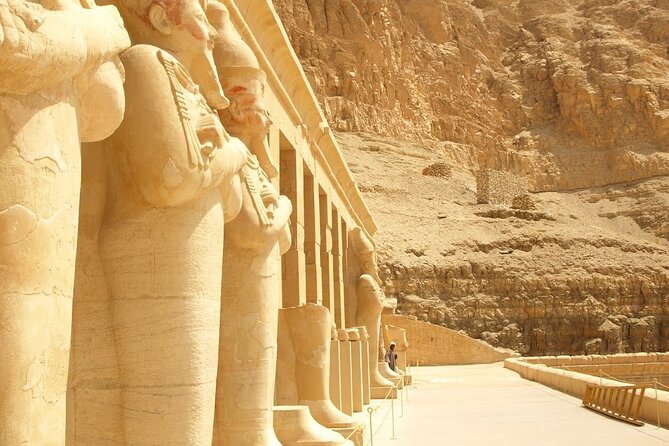
Next you go to the Temple of Hatshepsut at Deir el Bahari. This is where the story of Egypt’s first female pharaoh becomes real. The temple’s design has three terraces, and the focus is tied to her divine birth narrative. The material and construction details are also part of what you’ll hear during the guided visit.
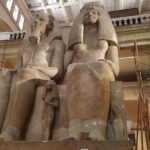
Then you close the West Bank loop with the Colossi of Memnon. These two huge seated statues of Amenhotep III face toward the Nile. Even with only about 30 minutes here, they land because of how enormous they feel in person.
Karnak and Luxor Temple: when the scale becomes personal
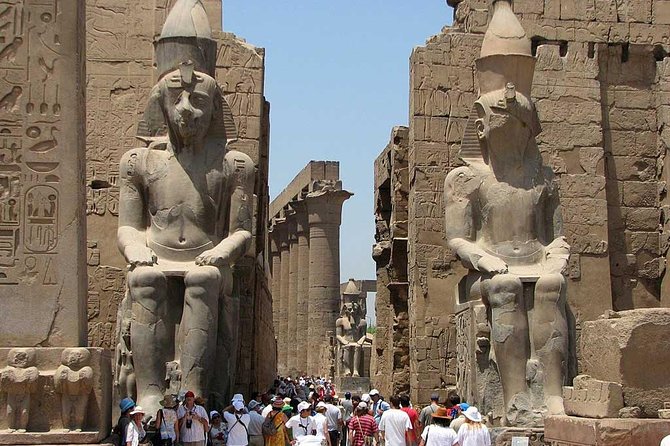
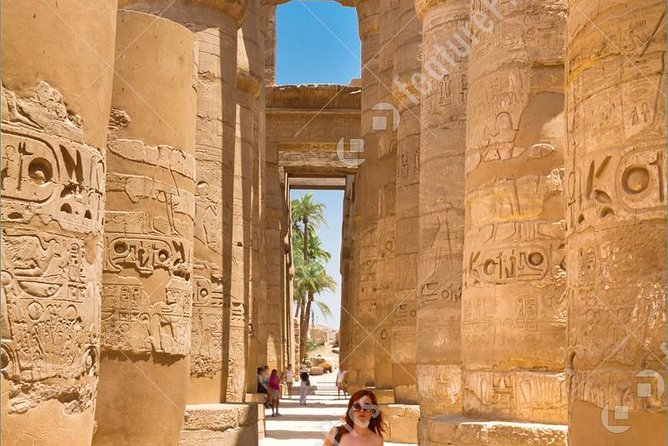
Later in the Luxor-focused portion, you visit Karnak Temple. It’s a complex, but the guide keeps it readable. You’ll see the Great Hypostyle Court, plus reliefs and additions across generations. If you like “measure it with your eyes” experiences, this place delivers: tall obelisks around 70 feet high, columns with papyrus and lotus capitals, and shafts loaded with hieroglyphics.
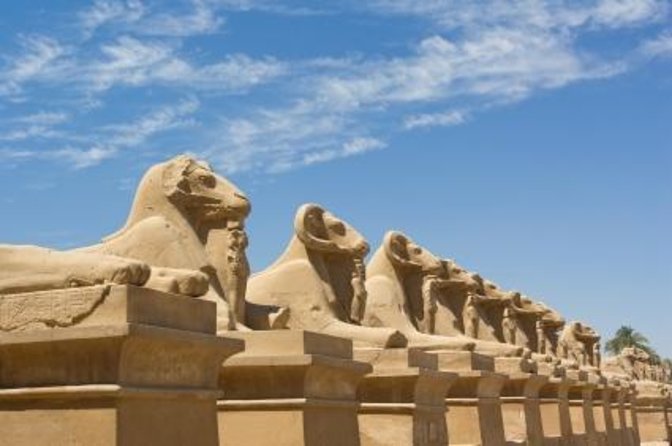
After Karnak, you head to Luxor Temple, once connected to Karnak by the Ram-Headed Sphinxes Avenue. The point of seeing both is that they feel like companion chapters. Luxor Temple also shows layers of later Greek, Roman, Islamic, and Coptic influence, so it doesn’t feel like a sealed time capsule.
If you’re sensitive to walking, wear shoes you trust. These sites are packed with stepping, turning, and waiting for the right angles.
Cruise shift to Hurghada: the best kind of transition day
A key part of the value is what happens next: after breakfast and disembarkation at Luxor, you drive to Hurghada in an A/C vehicle and check into your hotel.
This shift is smart. Luxor temples plus extra walking can wear you out. Moving to the Red Sea side gives you a place to recover and reset your brain. It’s also where you’ll stop thinking in terms of “what time does the next stop start,” and start thinking “what time do we leave the beach.”
Hurghada free days: beaches and optional Red Sea experiences
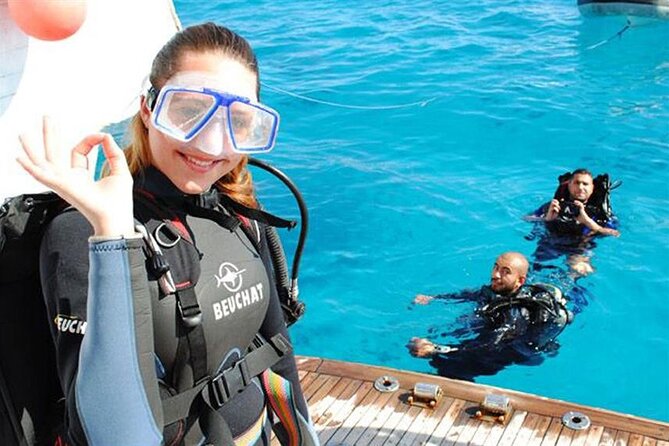
Day 8 through Day 10 give you leisure in Hurghada. The plan is flexible by design. You can go for sandy beach time, swimming, and snorkeling, and there are water sports available on request.
The optional add-ons mentioned include:
- Giftun Island for diving and snorkeling
- The Sindbad submarine to discover the underwater world of the Red Sea
- Other options like windsuring, sailing, and deep-sea fishing
Here’s my advice: pick one paid activity max if you can. Do one “big water day,” then keep the rest lighter so you don’t feel like you’re switching between tour and tour. Hurghada works best when you treat it as a recharge zone.
Saqqara and Memphis: ending with older roots before your flight
On your last full sightseeing day, you head to Sakkara (Saqqara), home of Egypt’s oldest pyramid built around 2800 B.C. You’ll hear the history of the Step Pyramid, then get free time to walk around and visit painted tombs of nobles.
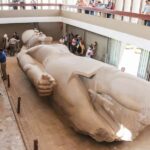
Then you visit Mit Rahina Museum, part of Memphis. This open-air museum gives you an overview of a historic capital after Egyptian unity. You’ll see the second-largest Sphinx in Egypt and the lying colossus of Ramses II, plus more monuments around the city.
This is a strong way to close. You end the trip not with the newest stuff, but with the foundations that led to the pyramids and pharaonic power stories.
Price and logistics: what $2,500 really buys you here
At $2,500 per person, the biggest value question is whether you’re paying for logistics and guidance, not just access to sites.
Based on what’s included, you’re getting a lot of the expensive headaches handled:
- Meet-and-assist at arrival and departure
- All transfers in air-conditioned vehicles
- All sightseeing tours listed
- A local Egyptologist guide
- Entrance fees to the sites named in the plan
- Service charges and taxes
The big missing piece is accommodation, which isn’t included. That means your real trip cost depends on your hotel choices in Cairo and Hurghada.
So I’d think of the $2,500 as paying for the structure: guides, tickets, and movement across Cairo/Aswan/Luxor and then over to the Red Sea. If you’d otherwise pay for a driver, guide, and timed tickets separately, it often pencils out well—especially when you factor in the Egyptologist guidance.
Also note: this is a private tour, meaning it’s only your group. That usually means less waiting around and a smoother experience than group bus setups.
Who this tour fits best
This works well if you:
- Want the headline ancient sites without building your own plan day by day
- Like having an expert explain what you’re looking at, especially at places like Karnak, Philae, and the Valley of the Kings
- Want a classic Egypt history route, then a real break in Hurghada
- Are traveling as a couple, friends, or family who prefer private pacing
It may feel like a lot if you hate early starts, long travel days, or lots of walking on uneven temple stone.
Should you book Egypt Deluxe Vacations?
I’d book it if you want a structured, guide-led Egypt that covers Cairo, Aswan, Luxor, and the Red Sea in one clean flow. The included entrance fees, transfers, and Egyptologist guidance remove many of the hassles that make independent planning frustrating.
Hold off or ask more questions first if you don’t want to pay extra for hotel stays, or if you’re hoping for long stretches of total free time in every city. This trip is built to be active and organized, then to loosen up by the water.
If you do book, my best tip is to plan your Red Sea days with one clear priority (snorkeling, submarine, or a Giftun Island day) and keep the rest easy. That’s how you get the best of both Egypt and the beach.
FAQ
What’s included in the tour price?
The tour includes meet-and-assist services upon arrival and departure, transfers on air-conditioned vehicles, the sightseeing tours listed, a local Egyptologist guide, entrance fees to the sites mentioned, and service charges and taxes.
Is accommodation included?
No. Accommodation is not included, so you’ll need to arrange hotel stays yourself.
Do I get airport pickup and transfers?
Yes. The tour includes meet-and-assist services and all transfers on air-conditioned vehicles.
Are entrance fees included for the sites?
Yes. Entrance fees to all sites mentioned in the itinerary are included.
Is this a private tour?
Yes. It’s described as private, with only your group participating.
Can I cancel for a full refund?
Yes. You can cancel up to 24 hours in advance for a full refund. If you cancel less than 24 hours before the start time, the amount paid is not refunded.