REVIEW · CAIRO
Discover Egypt 8-Days Cairo, Nile Cruise, Abu Simbel and Alexandria From Cairo
Book on Viator →Operated by Egypt Gift Tours · Bookable on Viator
Egypt can feel like a lot before you even land. This trip turns that chaos into a guided, overland route with big sights paced across eight days.
I like that it mixes the sweep of famous places with the less-told layers of Egypt’s changing eras, from ancient pharaohs to Greek, Roman, Coptic, and Islamic Cairo. You’ll also get the practical comfort of a 5-star Nile cruise on full board, so most meals and key logistics are handled for you.
The main thing to consider is that entrance fees, tips, and some ride costs are not included, and you’ll be paying for tickets along the way (the High Dam and the Philae motorboat have cash handling). It’s still good value, but budget for the add-ons.
In This Review
- Key things that make this tour worth a look
- What this 8-day route really feels like
- Arrival day in Cairo: get your bearings fast
- Pyramids and Saqqara, then a first-class train to the Nile
- Saqqara: where Egypt’s pyramid story begins
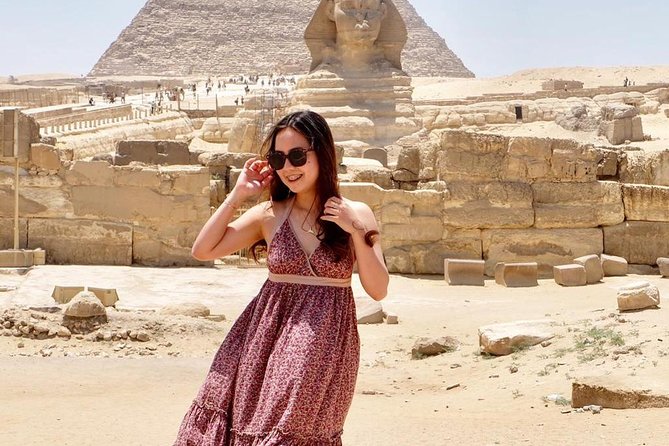
- Giza Plateau and the Sphinx: iconic, but plan your approach
- The evening switch: train instead of another hotel night
- Aswan to Philae and the High Dam: the Nile’s modern story
- Aswan High Dam: less romantic, more important
- Temple of Philae: Greek-Roman Isis and a boat ride
- Abu Simbel and Kom Ombo: big monuments, tight timing
- Back on the ship: Kom Ombo temple and the Crocodile Museum
- Edfu by horse carriage, then Luxor by night light
- Edfu Temple of Horus: one of the best-preserved temple stops
- Luxor Temple: ancient, then layers of faith
- West Bank day in Luxor: Valley of the Kings and Karnak in one push
- Valley of the Kings: why secrecy mattered
- Hatshepsut at Deir el Bahari and the Colossi photo stop
- Karnak Temple: scale that changes how you see a city
- Alexandria from Cairo: Greek, Roman, Coptic-era vibes, and sea views
- Final Cairo days: Egyptian Museum, Coptic churches, then Khan al-Khalili
- Egyptian Museum: the Tutankhamun moment
- Coptic Cairo: churches built into the Babylon Fortress
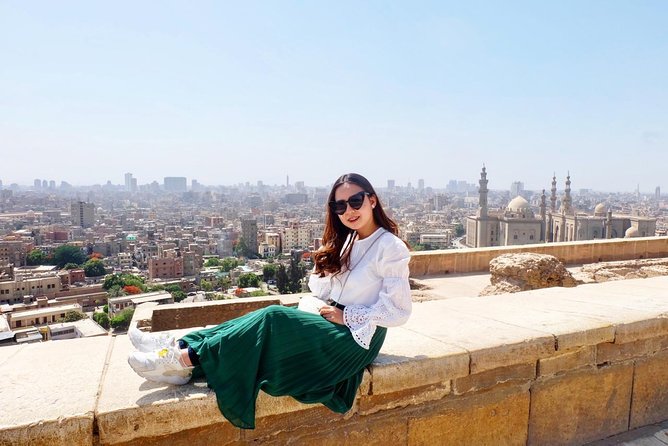
- Khan al-Khalili or the Citadel Mosque stop: you’ll need to choose
- Value and price: what you’re really paying for
- Practical tips so you enjoy it more
- Who this tour suits best
- Should you book Discover Egypt 8-Days Cairo, Nile Cruise, Abu Simbel and Alexandria?
- FAQ
- What is included in the price?
- Are meals included during the Nile cruise?
- Can I upgrade from a sitting train to a sleeper train?
- Do I need to pay entrance fees for sights?
- Is Abu Simbel part of a small group?
- What happens if the Abu Simbel trip is canceled due to weather?
- Is there an Alexandria day tour included?
Key things that make this tour worth a look
- Night trains instead of domestic flights: you travel while saving hotel nights and cutting down on flying.
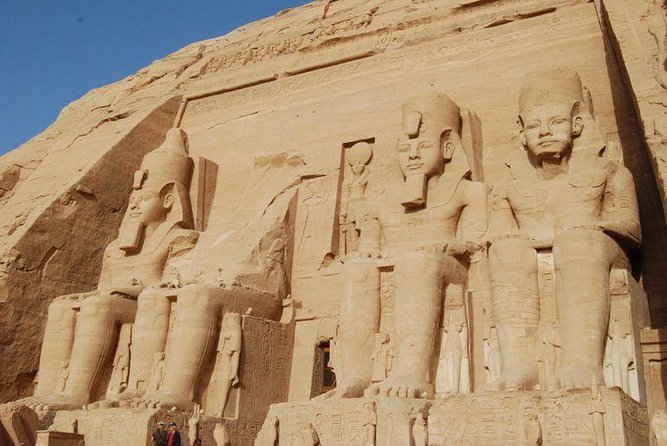
- Abu Simbel as a morning mission: a very early start to beat the day and see Ramses II and Nefertari at peak conditions.
- A full-board Nile cruise with structured days: lunch to breakfast coverage on the ship means fewer meals you have to plan.
- A rare Alexandria day trip from Cairo: Greek and Roman stops plus Catacombs and sea-view fortifications.
- Small-group Abu Simbel transfer: shared trip format, so it’s not a huge cattle-march feel.
- Real names and real help: guide support you can reach, including organizer Heba Haggag and guides Rocky and Abbas being singled out for care and responsiveness.
What this 8-day route really feels like
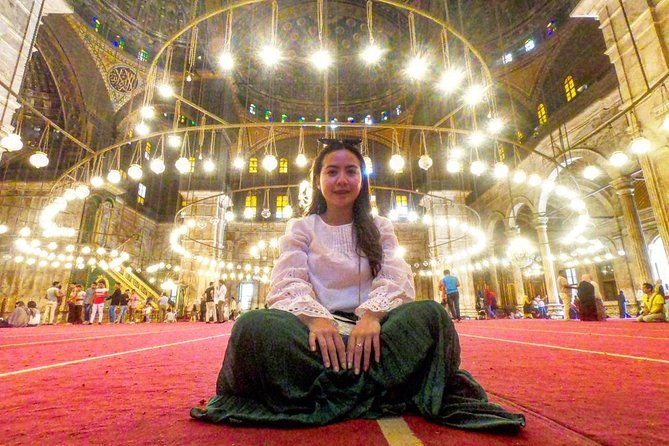
This is the kind of Egypt plan that works when you want big highlights without trying to build the whole itinerary yourself. You start with Cairo settling-in time, then you move through the pyramids era, hop onto first-class trains, and move day-by-day between Cairo sights, the Nile, Luxor/Aswan temples, and a full Alexandria day.
The overland rhythm matters. Instead of sprinting between airports, you travel by train at the start of the cruise and again on the way back. That shifts the stress from “where is my flight and luggage” to “pack your essentials and let the route carry you.”
Also, this route doesn’t just repeat the usual Egypt checklist. It tries to show Egypt across time, so you get ancient sites and then follow the threads into Greek/Roman Alexandria and into Cairo’s Coptic churches and old bazaars.
You can also read our reviews of more boat tours in Cairo



Arrival day in Cairo: get your bearings fast
On day one, you’re met at Cairo International Airport by a representative holding your name sign. Then you transfer to your Cairo or Giza hotel, and the rest of the day is free.
I like this setup because it gives you a buffer. If your flight lands early, you can make use of the first hours for a quick look at the pyramids with a sound-and-light show, or you can choose an optional Nile dinner cruise and show in downtown Cairo. Those options are a nice way to start seeing the city in a low-pressure way, even before the official guiding begins.
If your flight is late, you’re not forced into a full agenda. You get time to rest and plan how you want day two to feel.
Pyramids and Saqqara, then a first-class train to the Nile
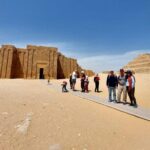
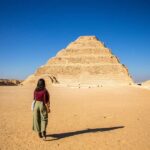
Day two is built like a chronology lesson: start with the Step Pyramid of Djoser at Saqqara, then move up to the famous Giza Plateau.
Saqqara: where Egypt’s pyramid story begins
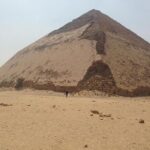
The day starts at Saqqara, described as the first capital of ancient Egypt and home to the oldest pyramid in Egypt built by King Djoser. If you’ve only seen “the big three” at Giza, this first stop gives context. It helps you understand that pyramids didn’t begin fully formed; they evolved.
Plan for walking time and sun. You’ll want water and sunscreen even if you’re not told to bring them. Entrance fees are not included here, so you’ll also want to be ready to pay for site access.
Giza Plateau and the Sphinx: iconic, but plan your approach
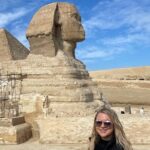
After lunch (optional), you explore the pyramids of Cheops, Chephren, Mycrenos, and the Sphinx. Your local Egyptology guide is part of the value: these places are photography-friendly, but the real payoff is the explanation behind what you’re seeing.
One practical note: your guide is enthusiastic, but you still need to pace yourself. The sites are open-air, and Egypt heat can turn a “quick stop” into a slow march if you ignore your body.
The evening switch: train instead of another hotel night
After returning to your hotel, around 7 pm you start first-class sitting train travel toward Luxor or Aswan. This is where the tour’s logistics start to feel smart. You’re not adding extra hotel nights just to move between regions.
- The Cairo to Luxor train time is about 10 to 12 hours.
- Cairo to Aswan is about 12 to 14 hours.
- You can upgrade to a sleeper train option with dinner and breakfast included for an extra charge.
If you’re hoping for a smooth cruise check-in, this timing helps you get there with less waiting and less transit stress.
Aswan to Philae and the High Dam: the Nile’s modern story
Day three begins once you arrive in Aswan. A licensed tour guide meets you at Aswan Railway Station and transfers you by A/C van to your 5-star Nile cruise for check-in before lunch.
From there, the day blends modern engineering with ancient worship.
Aswan High Dam: less romantic, more important
You visit the High Dam, built in 1960 to protect Egypt from flooding and generate electricity. This stop is useful because it reframes what the Nile has meant over time. It also sets up why Abu Simbel had to be dismantled and rebuilt later.
Entrance fees are not included, so expect a ticket payment at the site.
Temple of Philae: Greek-Roman Isis and a boat ride
Then you go to the Temple of Philae, dedicated to the goddess Isis, and it’s reached by small motorboat. Here’s a key detail: the motorboat cost to Philae is listed as not included.
That means you should keep some cash ready for the motorboat and anything else not covered. You’ll have dinner on board, a folkloric show, and overnight in Aswan.
If you’re sensitive to schedule changes due to arrival times, note that the tour mentions early arrivals: if you arrive so early that you’d normally wait, they start the tour directly since cruise check-in is at 12:00.
Abu Simbel and Kom Ombo: big monuments, tight timing
Day four starts with one of the most demanding highlights: an early Abu Simbel departure around 4:30 am (sharing a small group). You arrive around 8 am to visit the rock-cut temple complex associated with Ramses II and Queen Nefertari.
This is one of those stops that feels impossible until you’re there. The temples were completely dismantled and rebuilt after Lake Nasser flooded the original location. That rescue story matters, because it explains why the site exists where it does today.
Entrance fees are not included, so plan on paying for access.
Back on the ship: Kom Ombo temple and the Crocodile Museum
You return to the cruise by noon (around 1:00 pm), have lunch on board, and then sail to Kom Ombo for the temple of Horus and Sobek. You’ll also get to visit the Crocodile Museum.
After that, you continue sailing to Edfu for overnight.
This portion of the day is a good example of how the cruise reduces friction. You’re not constantly searching for where to eat or how to move between sites. The ship becomes your base.
Edfu by horse carriage, then Luxor by night light
Day five is built around Edfu’s Temple of Horus and then Luxor’s major sights.
Edfu Temple of Horus: one of the best-preserved temple stops
After breakfast, you take a horse carriage ride with your tour guide to reach the Temple of Horus at Edfu. The tour notes it as the most complete and best preserved of Egyptian temples. That’s a bold claim, but even without debating it, you can see why people love this stop: the space feels intact, and the temple layout is clear.
You return to the cruise, relax on the deck, and enjoy Nile views while sailing toward Luxor. Lunch is on board, and there’s time for afternoon tea on the sundeck. You’ll also pass through the Esna lock on the way.
Luxor Temple: ancient, then layers of faith
In the late afternoon you arrive at Luxor and visit Luxor Temple, which is in the center of town and colorfully lit at night. The description highlights that you’ll see ancient Egyptian, Christian, and Islamic features.
Dinner is on board, with a belly dancing show, and then overnight in Luxor.
If you’re a first-time Egypt visitor, this night-light contrast can be surprisingly moving. It’s not only ancient stones; it’s a living city that keeps adding layers.
West Bank day in Luxor: Valley of the Kings and Karnak in one push
Day six is the big West Bank and temple day.
Valley of the Kings: why secrecy mattered
You start with breakfast and check out, then drive to the West Bank for the Valley of the Kings. This is where New Kingdom pharaohs carved tombs into mountains, aiming to hide treasure and protect mummies.
Entrance fees are not included, so you’ll be budgeting time for ticket handling.
Hatshepsut at Deir el Bahari and the Colossi photo stop
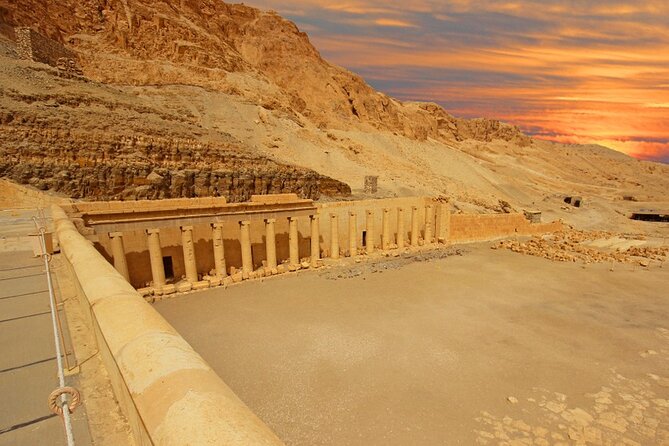
Next you visit the mortuary temple of Queen Hatshepsut at El Deir El Bahari. The tour mentions an optional lunch at a local restaurant afterward and includes a photo stop in front of the gigantic statues of Memnon.
This is a good day for photos, but don’t treat it like a checklist. The temple complex is about space and symmetry, and it’s easier to enjoy if you take brief pauses between stops.
Karnak Temple: scale that changes how you see a city
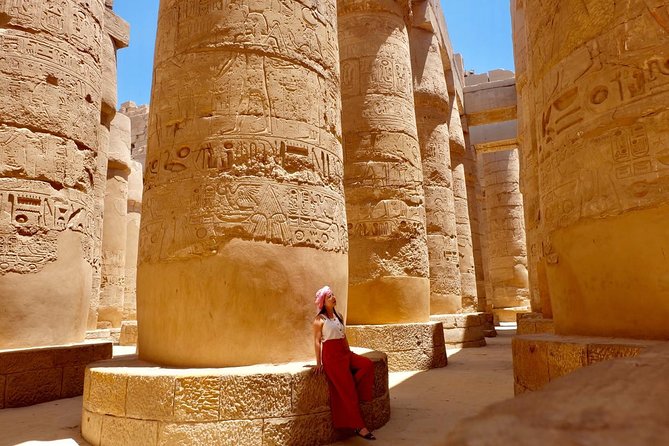
Then you visit Karnak, linked to Luxor by a sphinx-lined avenue. The courtyard layout and the Hypostyle Hall are the headliners, with 134 towering columns and wall carvings covered in scenes and inscriptions.
The tour includes time at Karnak, then you move to Luxor train station in the evening for first-class sitting train back to Cairo. Train time is about 12 hours, and it’s listed as free for this portion (entrance fees don’t apply here).
Alexandria from Cairo: Greek, Roman, Coptic-era vibes, and sea views
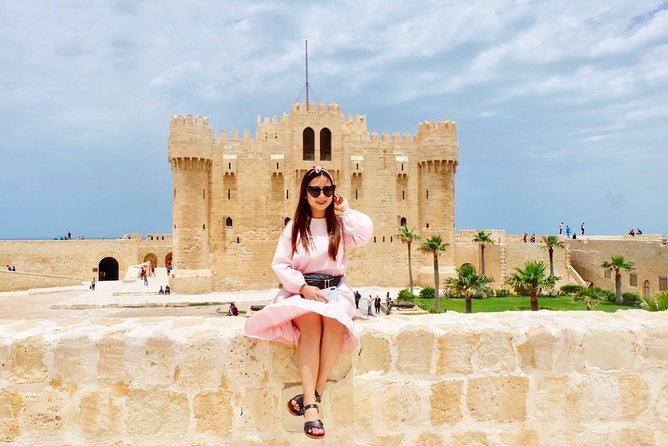
Day seven is a full day trip by car from Cairo to Alexandria, about a 3-hour drive each way. You tour with a private guide, which is key because Alexandria is spread out and can be confusing if you’re on your own.
Stops include:
- The National Museum ruins showcasing Greek and Roman masterpieces
- The Catacombs of Kom El Shoqafa
- The Roman Theater
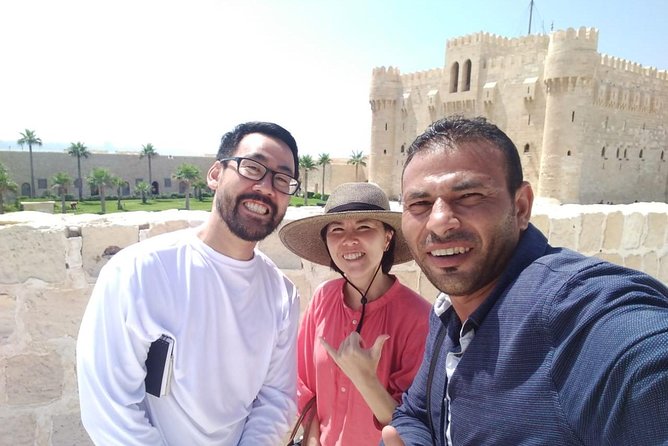
- Citadel of Qaitbay for views from 15th-century fortifications
- The New Alexandria library at your own pace
Lunch is optional. Entrance fees are not included, so you’ll want to keep your payment method handy.
This day is valuable because it broadens Egypt beyond the Nile corridor. Alexandria reads like a different country at first glance—more Mediterranean and more layered—so it’s a nice way to end the trip’s “big monuments” phase.
Final Cairo days: Egyptian Museum, Coptic churches, then Khan al-Khalili
On day eight, you finish Cairo with three focused blocks.
Egyptian Museum: the Tutankhamun moment
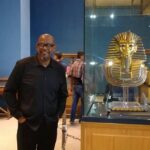
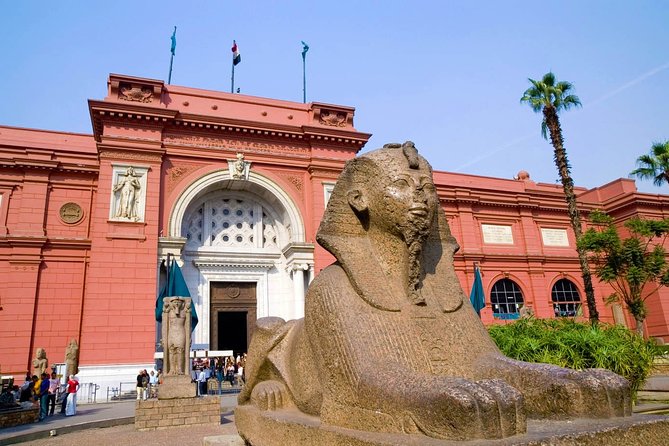
After breakfast, you go to the Egyptian Museum, where you’ll spend about two hours. You’ll see the Tutankhamun exhibit, including his golden mask and New Kingdom royal mummies.
Entrance fees are not included. This is one of those places where it’s worth going with a guide’s context because the galleries can feel endless.
Coptic Cairo: churches built into the Babylon Fortress
Then you explore Coptic Cairo with Hanging Church and the Church of St. George the Martyr. Both were built into the walls of the Babylon Fortress, and the tour notes that their remains could be Cairo’s oldest structures.
You also visit the Church of St Sergius and then drive back to your hotel. Entrance fees are listed as free for this part.
If you’ve mostly seen ancient Egypt, this is a strong counterpoint. It shows how Cairo’s sacred geography evolved over centuries.
Khan al-Khalili or the Citadel Mosque stop: you’ll need to choose
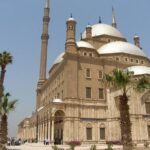
For the final segment, you either visit Khan al-Khalili bazaar, or you can choose Alabaster Mosque of Mohamed Ali Pasha at Salah Al Din Citadel. The tour says you need to pick one.
Then the representative escorts you to the airport for departure based on your flight details.
This choice matters. Khan al-Khalili is busy and sensory, while the citadel area is more about viewpoints and Ottoman-era grandeur. Either can be memorable; just decide what you’d rather remember.
Value and price: what you’re really paying for
At about $1,200 per person, this package is pricing you for three big things:
1) Guided access to multiple major regions (Cairo, Luxor/Aswan river towns, and Alexandria)
2) A 3-night full-board Nile cruise on a 5-star ship
3) First-class train travel that cuts out extra hotel nights and avoids domestic flights
Entrance fees, tips, and some cruise extras like WiFi and beverages on board are not included. That’s normal for Egypt tour pricing, but it’s why I suggest you mentally separate the trip into two budgets: the booked package vs. the on-the-ground costs.
What makes the value feel stronger is the structure. You’re not juggling dozens of transport tickets and meal plans. You’re also getting an Egyptologist guide and a named support system behind the scenes, including organizer Heba Haggag’s responsiveness and guides Rocky and Abbas being recognized for caring help and clear communication.
This kind of “hands-on routing” is often what makes the difference between a trip that sounds great and a trip that actually feels smooth.
Practical tips so you enjoy it more
- Bring cash for on-site items where listed as cash-based, including the High Dam and the Philae motorboat.
- Expect entrance fees for most major sights. You can pay by card except for the High Dam and the Philae boat ride, so plan accordingly.
- For Abu Simbel, set your expectations: it’s early, and the reward is seeing the scale of the temples before the day gets too hot.
- If you want maximum comfort on the train, consider the sleeper upgrade option (it includes dinner and breakfast).
- If you’re the kind of person who gets tired from back-to-back walking, pace your pyramid day and the West Bank day. Take short breaks. This trip is intense by design.
Who this tour suits best
You’ll likely love this if you want classic Egypt highlights without planning every connection. It fits:
- First-time Egypt visitors who want expert guiding and fewer logistics headaches
- People who enjoy pacing their trip between regions rather than cramming everything into one city
- Travelers who like structure but still want free time in Cairo on day one and at the New Alexandria library stop
If you hate early mornings, the Abu Simbel start will be the hardest part. If you prefer total independence and don’t want to pay on-site for tickets and add-ons, you might want a more flexible DIY plan instead.
Should you book Discover Egypt 8-Days Cairo, Nile Cruise, Abu Simbel and Alexandria?
I’d book it if you want a well-driven route that covers Cairo, Luxor/Aswan, and Alexandria with a real cruise base and train travel built in. It’s a strong way to see multiple eras of Egypt—ancient monuments, temple worship sites, and religious layers in Cairo—without turning your vacation into a logistics project.
I wouldn’t book it if you’re trying to keep costs ultra-tight without planning for entrance fees, tips, and the cash-based boat ride/ticket items. Also, because it moves fast between regions, it’s best for travelers who can handle a full schedule and don’t mind long days.
If that sounds like you, this is one of those trips where the planning work is done for you, and you get to focus on the sights.
FAQ
What is included in the price?
The package includes a 5-star Nile cruise for 3 nights on a full-board basis (lunch to breakfast), A/C transfers and pick-up/drop-off, a day trip to Alexandria from Cairo, an English-speaking Egyptology guide, Abu Simbel temple transfer in a sharing small group, two days of Cairo tours, and first-class sitting train travel between Cairo and Luxor or Aswan (sleeping train upgrade is available for an extra charge). Dinner (3), breakfast (3), and lunch (3) are also included as part of the cruise and meals on the route.
Are meals included during the Nile cruise?
Yes. The 3-night cruise is full board, starting with lunch and ending with breakfast. Dinner and breakfast are included on the cruise nights, and lunch is included on cruise days.
Can I upgrade from a sitting train to a sleeper train?
Yes. A sleeper train upgrade is available for an extra charge, and it includes dinner and breakfast.
Do I need to pay entrance fees for sights?
Yes. Entrance fees for the mentioned sightseeing are not included. You’ll need to pay entrance fees by card except for the High Dam and the motorboat to Philae temple, which are paid in cash.
Is Abu Simbel part of a small group?
Yes. The Abu Simbel trip is described as a sharing small-group transfer.
What happens if the Abu Simbel trip is canceled due to weather?
If the trip to Abu Simbel Temples is canceled due to bad weather, you will be refunded $30 USD per person.
Is there an Alexandria day tour included?
Yes. You’ll take a full day trip to Alexandria from Cairo with a private tour guide, covering major sites and ending with a comfortable return to your Cairo hotel for overnight.