REVIEW · MARSA ALAM
Day trip to Cairo by plane from Marsa Alam
Book on Viator →Operated by Book Tour Egypt · Bookable on Viator
Cairo in one day starts before sunrise. This day trip gets you from Marsa Alam to Egypt’s capital by plane, then pairs big-ticket sights with real-time guidance in a small group. I like how it’s structured so you hit Egyptian Museum highlights and the Pyramids of Giza without getting stuck figuring logistics at 2 a.m. A quick heads-up: it’s a long day, so you’ll need to accept that you can’t see everything in the museum or the pyramids area.
What I really like is the way the tour gives you a guided walkthrough where it matters. In the Egyptian Museum, the focus is on top treasures, including Tutankhamun’s golden coffin, with a guided explanation meant to make the rooms feel understandable instead of random. I also love the small-group feel (up to 15 people), plus the included flight and hotel-to-airport transfers in Cairo, which makes a tight schedule actually work.
One possible drawback: the early pickup and time pressure. You’ll be picked up around 2 a.m., and the stops are timed—so if you want slow browsing, lots of photos in every corridor, or a long Nile break, this won’t be that style of trip.
In This Review
- Key points to know before you go
- From Marsa Alam to Cairo: the 2 a.m. rhythm
- Egyptian Museum: Tutankhamun’s golden coffin and the high-impact highlights
- Giza pyramids: Cheops, Chephren, Mykerinus—and how to pace yourself
- Great Sphinx: a short stop that still makes sense
- Nile time: felucca as an optional add-on (10 euros per person)
- Khan el-Khalili and Old Cairo time (if your flight allows)
- Optional extras if time remains: papyrus and essential oil
- Price and logistics: where the value comes from, and where costs add up
- Your guide matters: what good guiding looks like here
- Practical tips so your day stays enjoyable
- Should you book this Cairo day trip from Marsa Alam?
- FAQ
- How long is the day trip from Marsa Alam to Cairo?
- What time is the hotel pickup in Marsa Alam?
- What’s included in the price?
- Are entrance fees to the Egyptian Museum included?
- Are entrance fees to the pyramids and Great Sphinx included?
- Is the Nile felucca ride included?
- How much time do you spend at the Egyptian Museum?
- How much time do you spend at the pyramids and the Sphinx?
- Is Khan el-Khalili included for everyone?
- Is the transfer from my Marsa Alam hotel to Hurghada Airport included?
Key points to know before you go
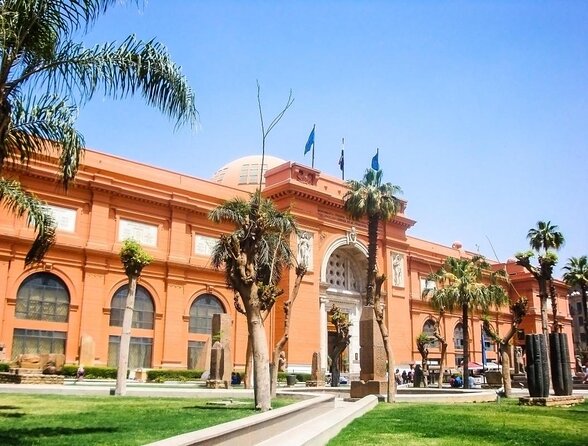
- 2 a.m. hotel pickup keeps the plan doable, but expect a very long day (about 18–20 hours).
- Egyptian Museum (2 hours) focuses on major highlights, including Tutankhamun’s golden coffin.
- Giza pyramids time (2–3 hours) is enough to see the three main pyramids, but not to explore endlessly.
- Great Sphinx is quick (20–30 minutes), so come ready to spend most of your time at Giza.
- Nile felucca ride is optional and costs extra (10 euros per person).
- Khan el-Khalili stop is conditional on flight timing, with about 1 hour if you have time.
From Marsa Alam to Cairo: the 2 a.m. rhythm
This is the kind of trip where the schedule does the heavy lifting. You’re picked up from your hotel around 2 a.m., then fly to Cairo and switch into guided sightseeing once you land. The upside is simple: you’re not losing a full day to overland travel, and you’re still getting the main Cairo hits.
The downside is energy management. You’ll want to treat this like a “go-go-go” day. Wear comfortable clothes for airport time and walking time, and plan for hot weather and bright sun once you’re out in Giza.
You should also plan around the tour’s overall timing: it runs about 18 to 20 hours from start to finish. If you’re the type who wants a relaxed meal, time to wander without a clock, or a long stop at each photo spot, this plan won’t match that pace.
A few more Marsa Alam tours and experiences worth a look

Egyptian Museum: Tutankhamun’s golden coffin and the high-impact highlights
The Egyptian Museum stop is built for maximum payoff. You get about 2 hours with a guide who calls out the most important exhibits and answers questions, so you’re not just speed-walking through rooms that can feel overwhelming.
The museum’s star pull here is Tutankhamun’s golden coffin. It’s one of those objects that makes you understand why ancient Egypt became the world’s most talked-about civilization. Even with only two hours, you’ll have a framework for what you’re seeing—because the guide is choosing the exhibits most likely to click.
Important practical note: museum entrance fees aren’t included. That means you’ll want to budget for tickets separately. Also, drinks in the restaurant aren’t included, so if lunch is something you’ll want to pair with bottled water or a soda, plan on paying extra.
One more tip: two hours is not “see everything.” There are about 120,000 exhibits in the museum, so expect this to feel like a curated crash course. If Tutankhamun and major royal artifacts are your top priorities, this stop hits the mark.
Giza pyramids: Cheops, Chephren, Mykerinus—and how to pace yourself
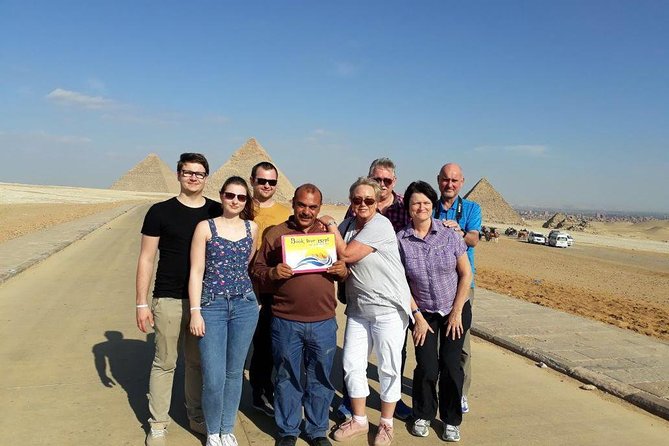
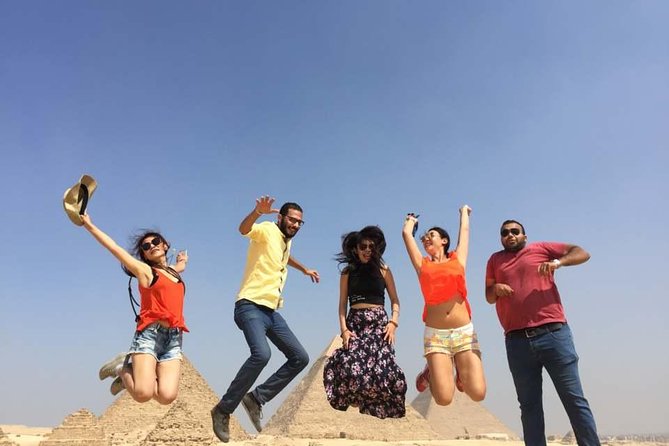
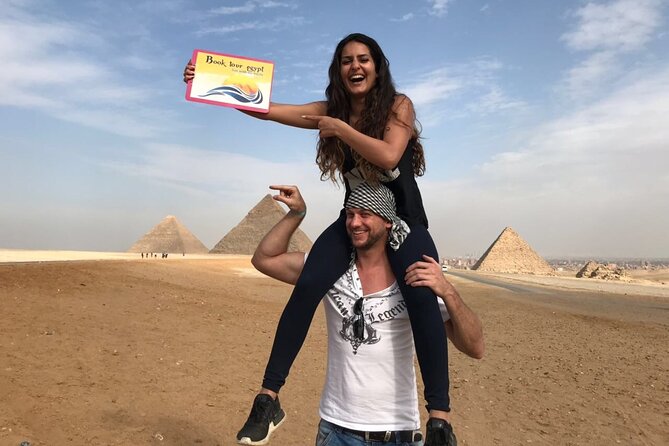
After the museum, the tour shifts to Cairo’s most famous skyline: the Pyramids of Giza—Cheops, Chephren, and Mykerinus. You’ll spend about 2 to 3 hours here, which is a practical amount for seeing all three without feeling rushed from one “must photo” to another.
You can explore on foot, or you may find the option to ride horseback or on a camel. The tour data doesn’t spell out pricing or what’s included beyond “you can discover the area” that way, so treat any animal rides as an extra you’ll arrange/pay for on the spot.
Here’s the value angle: the pyramids are impressive even at ground level, but the experience gets better when you understand what each pyramid represents and how the complex was designed. That’s where the guided time pays off. You’re not just looking at big stones. You’re seeing three different statements of power, built in a way that still reads across thousands of years.
Entrance fees to the pyramids aren’t included. That’s your biggest add-on cost here, so keep that in mind when you compare the total trip price to other Cairo options.
Great Sphinx: a short stop that still makes sense
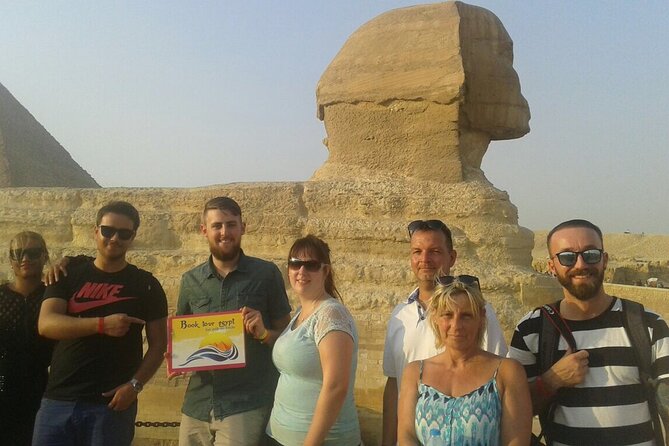
Right after the pyramids, the schedule brings you to the Great Sphinx, with about 20–30 minutes on-site. It’s a tight window, and that’s deliberate: the Sphinx is close enough to fit after Giza, but the tour needs to keep enough time for everything else later in the day.
This stop works best if you arrive with a couple expectations. First, the Sphinx is visually powerful because of its scale, but the viewing time can be shorter than you’d think. Second, it’s carved from limestone, using what was left from quarrying material for the Great Pyramid of Cheops—details like that help you look “through” the face rather than just at it.
Admission fees for the Sphinx area aren’t included. Plan on ticket costs being part of your personal budget.
Nile time: felucca as an optional add-on (10 euros per person)
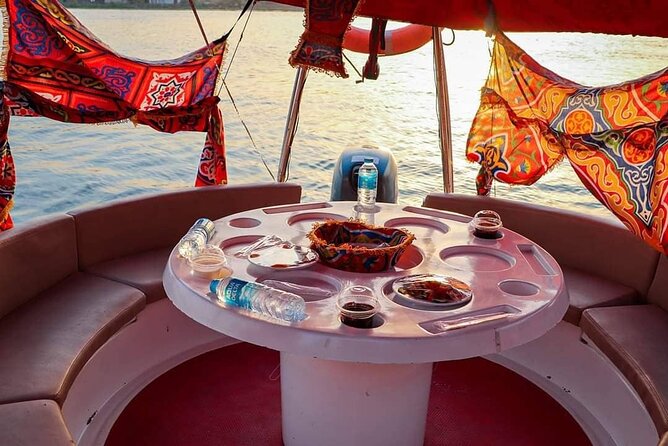
The tour includes a Nile River moment, but the felucca ride is not automatic. It’s listed as optional, arranged in consultation with the group for a fee, and the cost is given as 10 euros per person.
So what should you do with that information? If you want one classic Nile photo and a break from walking, this is a reasonable add-on that doesn’t derail the whole day—assuming weather and timing cooperate. If you’re already tired from the early start, skip it and save your energy for the evening Cairo stop.
Also, the boat ride isn’t included in the main price. If you’re trying to keep costs predictable, budget that 10 euros per person in advance.




Khan el-Khalili and Old Cairo time (if your flight allows)
Later in the day, the plan turns to Cairo’s streets and mood. If your return flight is late enough, you may get about 1 hour for one of these options:
- Khan el-Khalili, a classic market area
- Old Cairo, noted as recently added to the UNESCO World Heritage list
- Cairo Festival City, a large air-conditioned shopping mall with international brands, restaurants, cafes, and a huge dancing fountain
The key word here is conditional. The tour data makes it clear that which place you go to depends on time. The upside is flexibility: you might get a market-style experience in Khan el-Khalili, or you might get a cooling indoor break in a mall if the day runs long.
For planning, bring small cash and be ready for busy streets. A one-hour window isn’t for deep shopping. It’s for absorbing the vibe, grabbing a snack, and maybe picking up a small souvenir you actually want.
Optional extras if time remains: papyrus and essential oil
There’s also a “if we have time” option for two signature visits:
- a Papyrus Museum
- an Essential Oil Factory
These are designed to explain older Egyptian techniques—making papyrus and producing essences. The value is that it shifts you from monuments into everyday life and crafts, which helps the whole day feel less like a checklist.
The catch: these stops depend on remaining time. With an 18–20 hour schedule, you should assume they may or may not happen. I like having them as optional rather than promised, because it keeps the tour realistic.
Price and logistics: where the value comes from, and where costs add up
The price is $383.28 per person, with an average booking window of about 61 days in advance. That price includes the big-ticket logistics: round-trip flights Hurghada–Cairo–Hurghada, lunch, Cairo transfers in air-conditioned vehicles, and 3 bottles of mineral water per person in the vehicle during the day tour.
That’s the heart of the value. Most people struggle with Cairo when they try to do it independently from far down the coast. Here, the flights and in-city moving parts are handled, and your guide keeps the day on track.
What you’ll need to budget separately:
- Entrance fees for the Egyptian Museum, pyramids, and Sphinx
- Drinks with lunch
- Nile felucca ride, listed as 10 euros per person
- Transfer from Marsa Alam hotel to Hurghada Airport (not included)
That last point can surprise people. The tour handles Cairo-only transfers, but if you’re starting in Marsa Alam, you’ll need to arrange your own way to Hurghada Airport. Factor that into your total trip math.
Also note the group size: up to 15 travelers. Smaller groups usually mean less chaos at timed stops. It also tends to make questions easier with your guide—especially at the museum.
Your guide matters: what good guiding looks like here
This tour leans on guidance for the best parts of the day. You’ll be met in Cairo and accompanied throughout, which keeps the schedule from turning into a scavenger hunt. In the feedback connected to this experience, guides are mentioned by name—Aziz is praised for being prepared and friendly, and Rana is specifically mentioned in connection with support around the booking process.
What you should look for in a guide at these stops:
- Clear explanations at the museum so it doesn’t feel like random rooms
- Efficient orientation at Giza so you see what matters in limited time
- Useful context at the Sphinx so it’s more than a quick photo stop
When you get that, the day feels worth it even with the tight timeline.
Practical tips so your day stays enjoyable
Bring comfortable walking shoes. You’ll be on your feet at Giza and moving through museum halls. The day also includes air-conditioned vehicle time, so it helps to dress in layers for temperature swings between the vehicle and outdoor sun.
For spending money, plan for tickets plus drinks. Entrance fees aren’t included, and drinks with lunch aren’t included either. If you want the Nile felucca ride, remember it’s extra at 10 euros per person.
If you’re sensitive to early wake times, treat the night before as part of the strategy. You’re starting around 2 a.m., and “sleep later” won’t be an option once you’re on the road.
One more useful point: the tour requires good weather. If conditions are poor, it may be canceled, with an offer of a different date or a full refund.
Should you book this Cairo day trip from Marsa Alam?
Book it if your goal is simple: see major Cairo landmarks without trying to figure flights, transfers, and timing on your own. The included flights, Cairo transfers, lunch, and guide-led highlights make it a strong value for a one-day hit of Egypt’s best-known sights.
Skip it if you want a slow, flexible museum day, long time at the pyramids, or a relaxed evening that doesn’t depend on flight timing. The schedule is tight, and the stops are time-boxed—especially at the Sphinx and in any evening market or mall visit.
If you’re debating, ask yourself one question: do you want the biggest sights in the shortest time? If yes, this is a solid match.
FAQ
How long is the day trip from Marsa Alam to Cairo?
The total duration is about 18 to 20 hours.
What time is the hotel pickup in Marsa Alam?
You’re picked up from your hotel around 2 a.m.
What’s included in the price?
It includes flights Hurghada–Cairo–Hurghada, lunch, Cairo transfers in air-conditioned vehicles, and 3 bottles of mineral water per person in the vehicle during the day tour.
Are entrance fees to the Egyptian Museum included?
No. Entrance fees for the museum are not included.
Are entrance fees to the pyramids and Great Sphinx included?
No. Entrance fees for the Pyramids and the Sphinx are not included.
Is the Nile felucca ride included?
No. The felucca ride is optional and costs 10 euros per person.
How much time do you spend at the Egyptian Museum?
You’ll have about 2 hours at the Egyptian Museum.
How much time do you spend at the pyramids and the Sphinx?
You’ll have about 2–3 hours at the pyramids and about 20–30 minutes at the Great Sphinx.
Is Khan el-Khalili included for everyone?
It depends on your return flight time. If the return flight is late, you may have about 1 hour in Khan el-Khalili, Old Cairo, or Cairo Festival City (choice depends on time).
Is the transfer from my Marsa Alam hotel to Hurghada Airport included?
No. Transfer from your hotel in Marsa Alam to Hurghada Airport is not included.