REVIEW · SAFAGA
Day Tour to Luxor Highlights from Safaga
Book on Viator →Operated by Luxor Travels · Bookable on Viator
Luxor in one day, without the hassle. This is a small-group, private Egyptologist-guided highlights tour that makes the West Bank feel clear and doable, with stops like the Valley of the Kings where you can add the Tomb of Tutankhamun. I like that you’re not just rushing past carvings. The guide’s explanations help you understand what you’re seeing, even when the tombs feel dark and busy.
I also like the practical comfort: a full-day, air-conditioned door-to-door setup from Safaga, plus an included lunch so you’re not stuck hunting food between sites. One consideration: the day is packed, and there may be few built-in breaks (one past review flagged no toilet stops), so plan ahead. Also, drinks aren’t included, so bring water to stay sane in the heat.
In This Review
- Key highlights that matter before you go
- Price and Logistics: what you’re really paying for
- Starting in Safaga: door-to-door beats the scramble
- Valley of the Kings: the necropolis that makes Egypt click
- Adding Tutankhamun’s tomb: worth it, but don’t forget the extra ticket
- Temple of Hatshepsut at Deir el Bahari: the strong, human scale
- Colossi of Memnon: two statues with a long memory
- Crossing back to the East Bank: Karnak is the payoff
- What else may be included on the day: small stops that add flavor
- Included lunch: a real break, not a snack
- Comfort and pacing: why 12 hours can feel good or heavy
- How good is this tour for different travelers?
- The bottom line: should you book Luxor highlights from Safaga?
- FAQ
- What does the tour cost per person?
- How long is the day tour?
- What’s included in the price?
- Is the Tomb of Tutankhamun included?
- Are drinks included?
- How many people are on the tour?
Key highlights that matter before you go
- Private Egyptologist guidance: clearer tomb context, not just a checklist of names
- Valley of the Kings access options: included tombs plus an optional Tutankhamun ticket
- West Bank power stops: Temple of Hatshepsut and the Colossi of Memnon
- Lunch included: a real reset before crossing back to the East Bank
- Small group size: maximum 15 travelers, which helps keep it from feeling like cattle-herding
Price and Logistics: what you’re really paying for
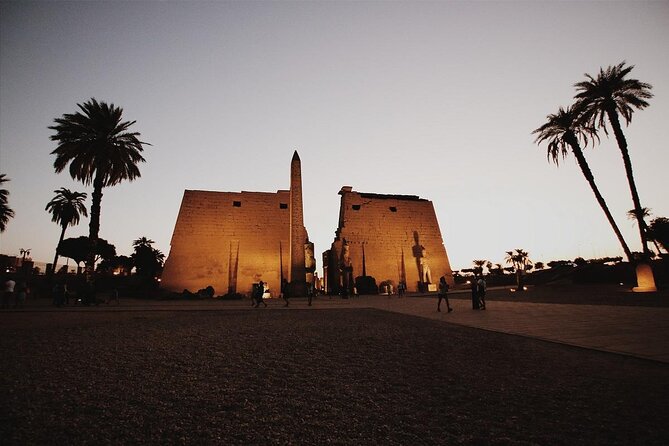
At $350 per person for about 12 hours, this tour is priced like a comfort-and-time saver. You’re not only paying for an Egyptologist and a vehicle—you’re paying for the fact that you’re starting from Safaga and moving efficiently between the West and East Banks of Luxor.
The “value” part is in the bundled pieces:
- Qualified Egyptologist guide
- Air-conditioned transport
- Lunch included
- Port/hotel pickup and drop-off
- Admission tickets included for most listed tomb/temple stops
If you were to DIY it, you’d have to line up transport, tickets, and a guide who can translate the meaning of what you see. Even if you’re a confident navigator, Luxor is easier when someone else handles the flow. Here, the schedule is built around how these sites are laid out geographically: Valley of the Kings first, then Hatshepsut + Memnon, and later East Bank temples like Karnak.
You can also read our reviews of more tours and experiences in Safaga.

Starting in Safaga: door-to-door beats the scramble
The tour begins with a morning pickup from Safaga International Maritime Seaport by an air-conditioned vehicle. That matters more than it sounds. When you come in from a cruise day, the last thing you want is to negotiate taxis, find meeting points that don’t match your ship’s schedule, or spend the first hour “figuring things out.”
Once you’re in the car, you get the rhythm of a guided day:
- You drive to the Luxor sites on the West Bank.
- You follow a planned order that reduces backtracking.
- You return later and finish with drop-off at your door.
Also note the group size: maximum 15 travelers. It’s not just “private” in name; it stays small enough that questions don’t vanish into the noise.
Valley of the Kings: the necropolis that makes Egypt click
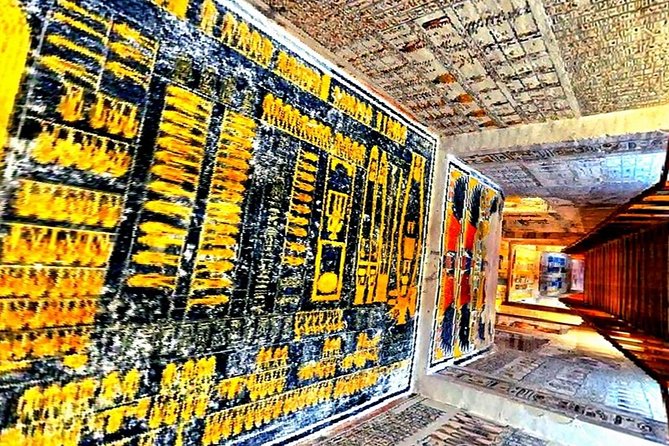
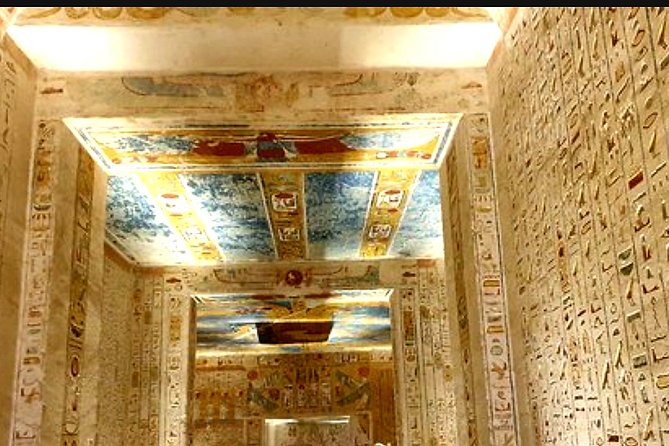
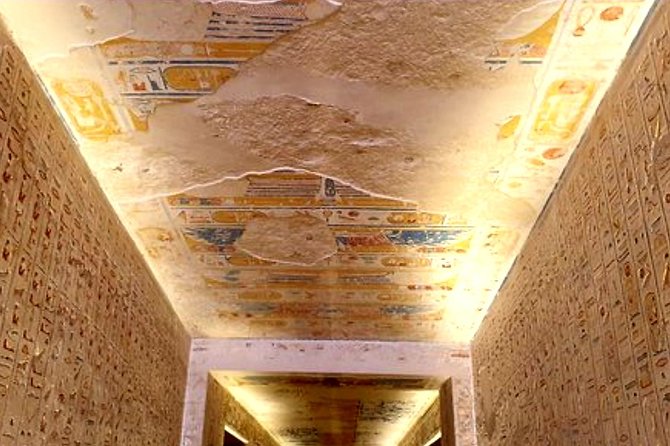
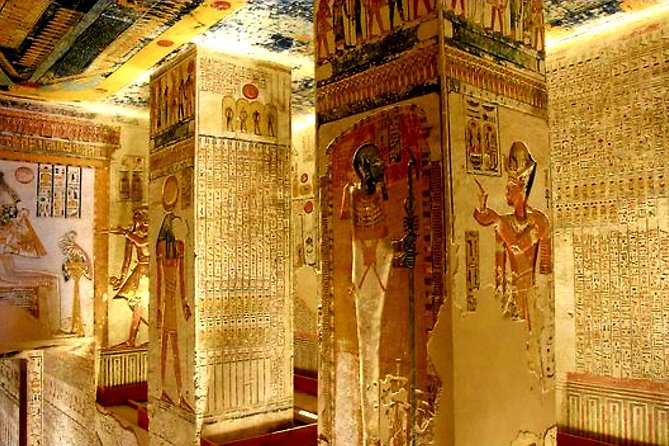
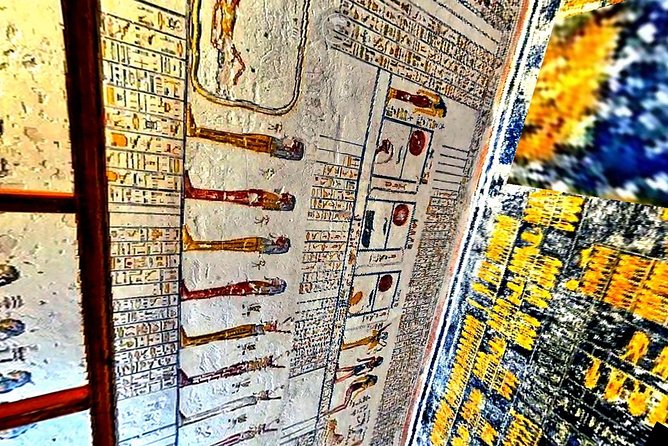
Your West Bank highlight is the Valley of the Kings, part of the Necropolis of Thebes. This is where the pharaohs were buried in tombs carved into the mountain. Even if you’ve seen photos, being there changes the scale. The corridors and chambers feel like they were built to make time slow down—dark spaces, steep symbolic walls, and tomb layouts that reveal how the living imagined the afterlife.
This portion is structured to be efficient. You’ll visit four royal tombs, including stops like:
- Tomb of Ramses
- Tomb of Horemheb
- Tomb of Merenptah
On top of that, there’s an option for the Tomb of Tutankhamun. The tour lists the Tutankhamun entrance fee as 19 USD (optional) and also as 300 EGP (optional), so expect the cost to be quoted in the currency your payment method matches. Either way, plan for extra cash.
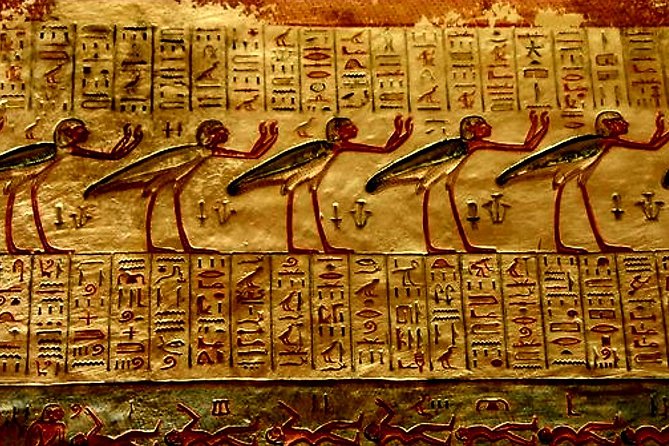
A key detail I’d watch for: this is not a “look from the doorway” experience. You’re moving inside tomb spaces where it helps to know what you’re looking at—who’s depicted, what the scenes are meant to do, and why tomb design changes across reigns.
Practical tip: wear shoes you can trust on uneven stone. Some of these tomb entrances can feel cooler inside, then you reheat outside fast.
Adding Tutankhamun’s tomb: worth it, but don’t forget the extra ticket
The big decision is the optional Tutankhamun entrance. It’s the most famous king in Egypt—and the tour gives you the chance to get face-to-face with his royal mummy in the tomb setting.
Whether it’s worth the extra fee for you comes down to two things:
1) Are you especially interested in Tutankhamun’s story and the New Kingdom?
2) Does your day have the mental energy to spend more time in a high-demand spot?
If you’re the type who loves one “main event,” this is it. If you prefer a wider spread of tombs and art, you can still have a fantastic day with the other included royal tombs.
Temple of Hatshepsut at Deir el Bahari: the strong, human scale
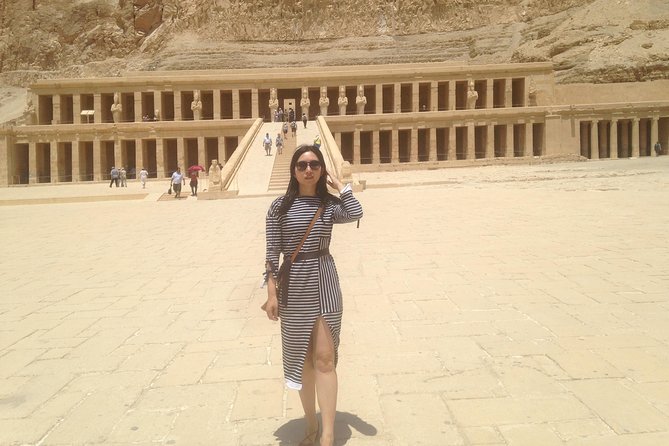
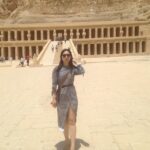
After the tombs, the tour goes to Temple of Queen Hatshepsut at Deir el Bahari. This stop hits differently than the Valley of the Kings. Instead of sealed chambers, you get architecture built for light, views, and a sense of power that looks meant to last.
Hatshepsut is described as the only woman to reign over Egypt as a Pharaoh. The tour also notes she was an ancestor of King Tutankhamun and connected to the same dynasty. That connection matters because it ties the West Bank story together: tombs on one side, a ruler’s legacy on the other.
Even if you only take in part of the temple during your visit, the overall layout makes sense fast:
- You can see how the temple was positioned to feel monumental in the landscape.
- You get a break from the tight tomb corridors.
- You shift from royal burial space to royal ideology.
Colossi of Memnon: two statues with a long memory
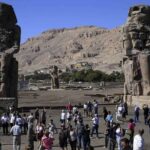
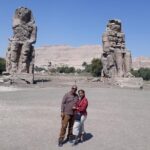
Next up are the Colossi of Memnon—two of the largest ancient statues in Egypt, dating to the era of King Amenhotep III. It’s a quick stop, but it’s a classic Luxor “wow, that’s big” moment.
The benefit here is variety. After the deep quiet and dark of tombs, you’re looking out at massive stone figures that survived for thousands of years. It gives your brain a different anchor point. For many people, this is where the day starts to feel like more than just photos.
Crossing back to the East Bank: Karnak is the payoff
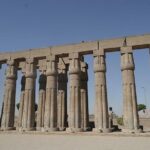
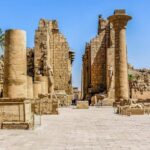
After lunch, you cross back to the East Bank and explore Temple of Karnak. This is where Luxor feels like a whole civilization, not just a burial site.
Karnak tends to be visually overwhelming in the best way: massive scale, carved surfaces, and layers of building across different periods. In a guided format like this, the guide helps you connect major features instead of making you memorize names just to enjoy it.
Because the tour is scheduled tightly, your goal at Karnak should be simple:
- Focus on a few big elements you can actually describe afterward.
- Use the guide’s explanation to understand why the temple layout matters.
If you’ve got limited time in Luxor, doing Karnak with a knowledgeable guide is a smart use of that time.
What else may be included on the day: small stops that add flavor
The itinerary list includes a few extra East/West Bank stops beyond the main highlights. Depending on the final route and timing, you may see items such as:
- Howard Carter House (listed near the West Bank / Valley of the Kings area)
- Temple of Seti I (not a tomb)
- Temple of Merenptah
- Tombs of the Nobles in Al Asasif
Here’s the key idea: these kinds of stops can be a bonus because they broaden the story. Instead of only seeing one category—burial tombs or one famous temple—you get hints of the bigger web of worship, commemoration, and archaeology around Thebes.
If you’re the type who likes Egypt as a living set of places (not just a checklist), these additions help.
Included lunch: a real break, not a snack
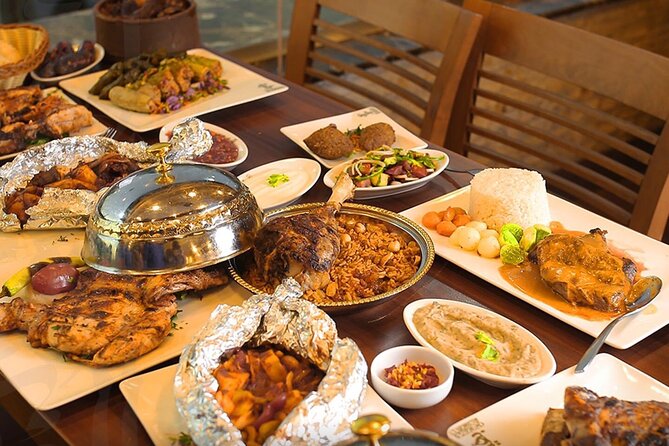
Lunch is included, which is great because this is a long day and food timing can wreck your energy. The bigger practical point: having lunch built into the itinerary helps you stay on schedule for the afternoon East Bank temple time.
And because drinks aren’t included, I’d treat water like a must-have item, especially if the afternoon sun is strong. It’s easy to underestimate how dry you feel after hours on the road.
Comfort and pacing: why 12 hours can feel good or heavy
The tour runs about 12 hours total. That’s a lot. But the way it’s organized makes a difference. You’re not moving in random order; you’re traveling logically between West Bank sites first, then switching to East Bank after lunch.
Still, you should expect intensity:
- You’ll walk more than you think at tomb sites.
- You’ll likely go in and out of shaded areas while temperatures change.
- You’ll want to keep your “photo mode” efficient.
One more real-world note from the style of the experience: a past review highlighted no toilet stops. The takeaway isn’t panic—it’s timing. Use restroom opportunities when they’re available, not whenever you suddenly decide you need one.
How good is this tour for different travelers?
This tour makes the most sense if:
- You’re short on time in Luxor and want the major hits in one day
- You appreciate context and translation more than just scenery
- You want door-to-door logistics from Safaga without taxi stress
- You’re okay paying for convenience and guided access
It may feel like a lot if:
- You want a slow, wandering pace with long rests between sites
- You get anxious in tight walking schedules
- You dislike paying optional add-ons (like the Tutankhamun entrance fee)
The bottom line: should you book Luxor highlights from Safaga?
I’d book this if your priority is seeing the key Luxor sites with minimal hassle. The combination of a private Egyptologist guide, air-conditioned transfers, included lunch, and admission for major stops makes it a strong value for a cruise shore-excursion day.
Before you commit, do two quick checks:
- Decide now whether the optional Tutankhamun ticket is a must for you.
- Plan for a packed day with limited breaks by bringing water and being ready to move.
If you want a day that’s organized, educational, and actually enjoyable from start to finish, this is a smart way to do Luxor from Safaga.
FAQ
What does the tour cost per person?
The price is $350.00 per person.
How long is the day tour?
It runs for about 12 hours.
What’s included in the price?
Included items are a qualified Egyptologist guide, air-conditioned vehicle transport, lunch, and hotel/port pickup and drop-off. Admission tickets are listed as included for multiple tomb and temple stops.
Is the Tomb of Tutankhamun included?
The entrance to the Tomb of Tutankhamun is optional, with a listed additional fee (shown as 19 USD or 300 EGP).
Are drinks included?
No. Drinks are not included.
How many people are on the tour?
The maximum group size is 15 travelers.