REVIEW · CAIRO
Dahshur Pyramid Memphis And Sakkara Half Day Tour
Book on Viator →Operated by Emo Tours Egypt · Bookable on Viator
First, the best part is how much Egypt you pack in. This half-day route hits Saqqara, the Dahshur Pyramids, and ancient Memphis in about 5 hours, so you still have time to do something else later in Cairo. I especially like the door-to-door hotel pickup/drop-off plus air-conditioned transport, and I like that the plan is built around Egypt’s pyramid “evolution” rather than just the headline giants. One thing to watch: entry fees and the guide language can vary by option, and the day may include government-linked souvenir stops that can slow you down.
Your day starts early and moves fast, but in a controlled way. I also like the practical touches like bottled water and the fact that you can request tweaks to the order and focus (for example, prioritizing more time at Saqqara versus Dahshur). The main drawback is that not every guide experience matches the level you’d hope for, so it’s worth confirming you’ll get a guide with solid English if that matters to you.
In This Review
- Key tour takeaways
- A 5-Hour Circuit of Old Kingdom Wonders
- Getting From Cairo: Pickup, Air-Conditioned Comfort, and the Real Timing
- Saqqara: Step Pyramid of Djoser and the Tomb Side of the Story
- The cool add-on: Mastaba of Ti
- A caution on physical effort
- Unas and Teti: When Texts Matter More Than Size
- Pyramid of Unas: spells you can’t see at first glance
- Pyramid of Teti: another layer of what follows Unas
- Dahshur Bent and Red: The Desert Where Architects Tested Ideas
- Memphis: Ramses II, the Alabaster Sphinx, and the Value Question
- The Real Costs: Tickets, Optional Guide, and Shopping Stops
- About the scheduled shops
- Guides and Drivers: Where the Reviews Point and What You Should Do
- What a Typical Day Feels Like (Stop-by-Stop)
- Who Should Book This Tour—and Who Should Choose Another
- Should You Book This Half-Day Saqqara–Dahshur–Memphis Tour?
- FAQ
- Is pickup available in Cairo or Giza?
- How long is the tour?
- What does the tour include for the ride?
- Are entrance tickets included?
- Do I need to arrange a guide?
- Is lunch included?
- Will I visit souvenir or craft shops during the tour?
- What is the cancellation policy?
- Is this tour private?
Key tour takeaways
- Fast, high-impact route: Saqqara + Dahshur + Memphis in ~5 hours, starting around 8:00.
- Private vehicle comfort: latest-model, air-conditioned car and bottled water for the ride.
- Old Kingdom focus: Step Pyramid and the later kings like Unas and Teti show how pyramid traditions changed.
- Real pyramids, not just viewpoints: you’ll visit multiple pyramid sites, with optional extra tombs nearby.
- Expect time trade-offs: planned stops for perfumes, cotton, papyrus, and rugs can eat part of your day.
- Guide quality can vary: some guides are excellent, but English ability is not always consistent.
A 5-Hour Circuit of Old Kingdom Wonders
This tour is built for people who like their travel days efficient but not rushed in a chaotic way. You leave Cairo in the morning, work your way through three major sites, and you’re back around early afternoon—around 13:00—so you can still plan a museum visit, a long lunch, or just roam the neighborhoods.
What makes this route smart is the logic. Saqqara shows the Step Pyramid stage, then you shift to smoother pyramids from later dynasties. Then you head to Dahshur, where two of the most famous “experiment” pyramids sit: the Bent Pyramid and the Red Pyramid. Finally you drop into Memphis, the administrative and political center that helped connect the power of kings to everyday life along the Nile.
You can also read our reviews of more tours and experiences in Cairo.


Getting From Cairo: Pickup, Air-Conditioned Comfort, and the Real Timing
Pickup starts at 8:00 from your hotel in Cairo or Giza, with transfers available from within Cairo too. You’ll ride in a private, air-conditioned vehicle and get bottled water. That matters more than it sounds. Cairo traffic can scramble plans, and heat can drain your energy faster than you expect. Having a driver waiting for you at the door helps you avoid the “where do we meet?” stress that can turn a simple day into a headache.
Timing is the whole game here. The itinerary is arranged as short on-site blocks—often around an hour or less per main stop—so you can see a lot without spending the entire day outdoors. That also means you’ll want your priorities straight before you arrive. If you want extra time at one pyramid complex, ask early so the schedule can bend.
One practical note: some experiences like this will visit the furthest site first to reduce backtracking. So if you’re offered a re-ordered route (Dahshur first, then Memphis, then Saqqara), that’s usually a sensible way to protect time.
Saqqara: Step Pyramid of Djoser and the Tomb Side of the Story
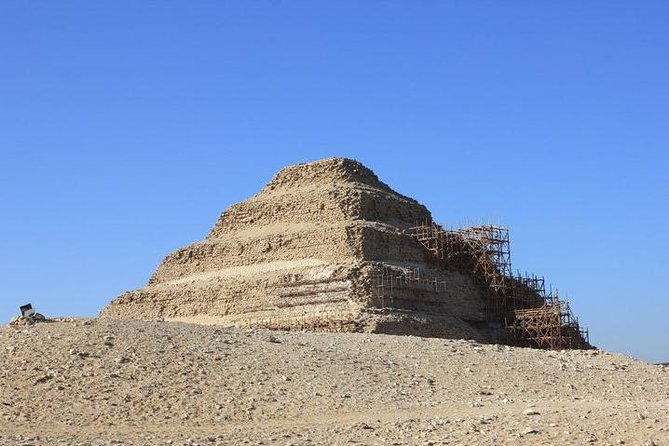
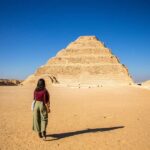
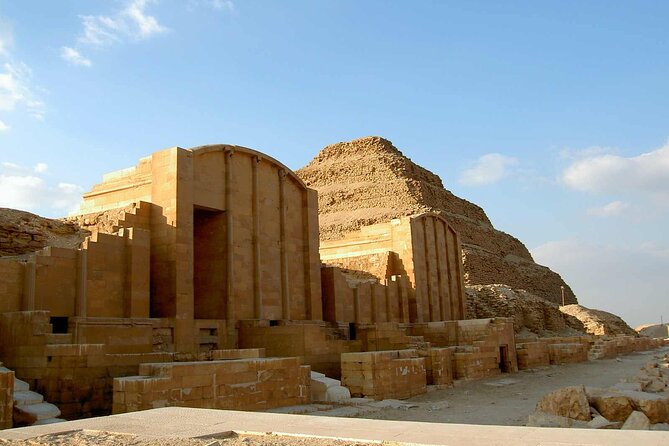
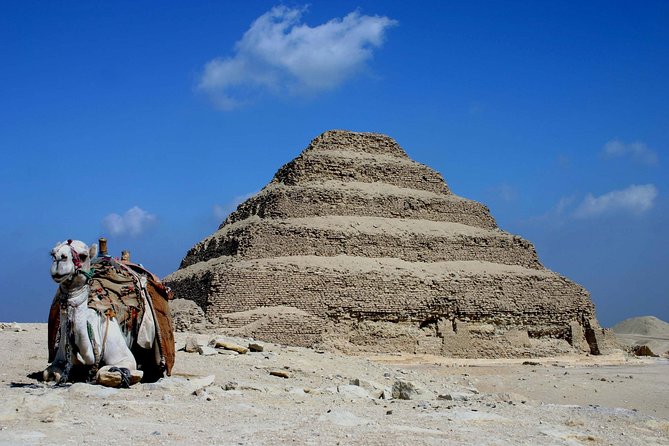
Saqqara is where the pyramid story starts getting interesting beyond “big rocks in the desert.” You’ll visit the Step Pyramid complex at 8:00-era arrival, with about an hour allocated there. The Step Pyramid is associated with King Djoser and is an important step in the evolution from simpler tomb forms toward the pyramid shape people imagine today.
What I like about this stop is that it doesn’t treat Saqqara as a single photo moment. You also get close to the broader necropolis idea—tombs, chapels, and the sense of a place built for the long afterlife story Egyptians planned for kings and nobles.
The cool add-on: Mastaba of Ti
After the Step Pyramid, you’ll likely move to Mastaba of Ti, one of the key sites within Saqqara. You’ll spend about 15 minutes there. This is the kind of place that rewards a short, guided explanation: it includes two serdabs (spaces linked to ancient ritual and the afterlife), and the tomb walls show scenes from everyday life. If you’re the type who wants more than stone shapes, this stop gives you human details.
A caution on physical effort
Even with a short schedule, pyramid sites can be physically demanding. Expect stairs, uneven ground, and possible tight spaces depending on what’s open at the moment. If anyone in your group struggles with mobility, wear shoes with solid grip and don’t plan to treat this as a leisurely stroll.

Unas and Teti: When Texts Matter More Than Size
At Saqqara, you get two additional pyramid visits that help you understand why smaller pyramids can matter just as much. The tour includes the Pyramid of Unas first, then the Pyramid of Teti.
Pyramid of Unas: spells you can’t see at first glance
You’ll spend about 30 minutes at Unas. Unas is a smaller Old Kingdom pyramid, but it’s famous because the underground chambers include the Pyramid Texts—incised spells for the king’s afterlife. You won’t be sightseeing hieroglyphs like a museum display behind glass. Instead, you’ll be standing where ancient inscriptions shaped the story of kingship after death. It’s a powerful shift from “look at the shape” to “read the idea.”
Pyramid of Teti: another layer of what follows Unas
Teti also gets about 30 minutes. Like many Old Kingdom rulers, he built a pyramid as a final resting point, and the site is significant for what it represents in the same tradition that followed Unas. Even if you’re not tracing inscriptions line-by-line, standing in these spaces helps you feel how Egypt’s leaders kept refining funerary beliefs over time.
Dahshur Bent and Red: The Desert Where Architects Tested Ideas
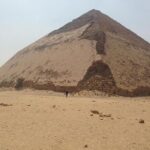
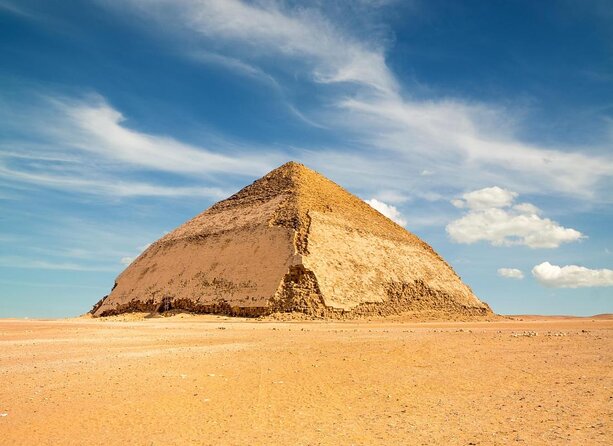
Then you head to Dahshur, home to the Bent Pyramid and Red Pyramid. It’s about 40 kilometers south of Cairo, and you’ll have about an hour allocated here.
This is the stop that often surprises first-timers because Dahshur isn’t just “a quieter version” of famous pyramids. It’s where you can see how ancient builders handled challenges. The Bent Pyramid’s shape comes from changes made during construction. The Red Pyramid is known as one of the best-preserved pyramids in Egypt and helps show the direction the tradition moved after early experiments.
If Saqqara feels like the “beginning,” Dahshur can feel like the “lesson learned.” You’re seeing big plans tested by real engineering constraints. And because the time is limited, you’ll want to look for vantage points that let you understand the whole structure rather than getting stuck at one angle.
Memphis: Ramses II, the Alabaster Sphinx, and the Value Question
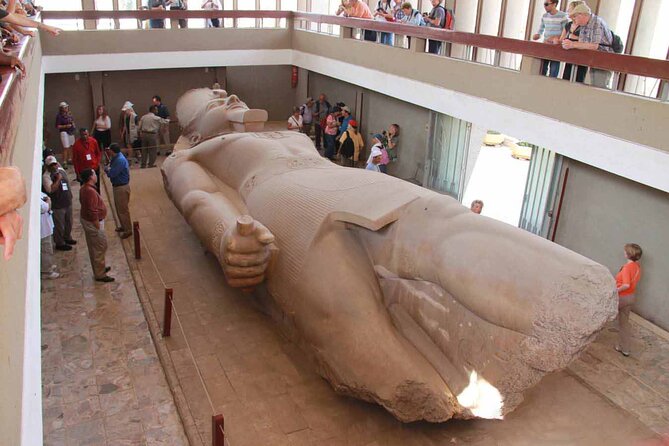
After Dahshur, the tour heads to Memphis, Egypt’s ancient capital dating back to around 3100 B.C. You’ll get about an hour here.
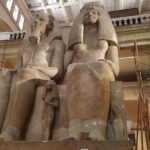
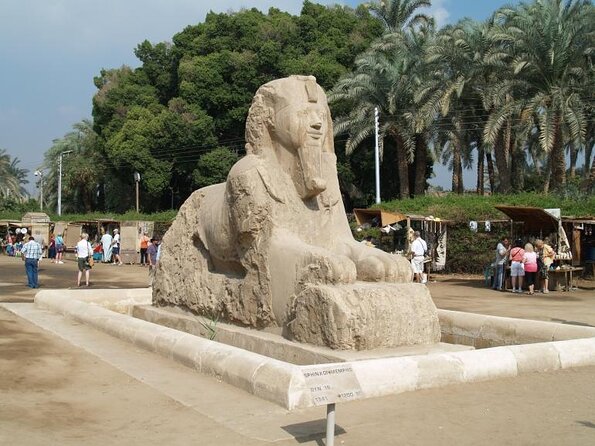
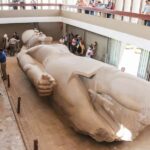
Memphis is where the tour shifts from pyramids and tombs to a more “museum without walls” feeling. You’ll see the colossal statue of Ramses II and the Alabaster Sphinx. These are the kinds of landmarks that make you think about how cities were built to project power, not just survive.
That said, it’s also the stop where expectations matter most. Some people find Memphis less satisfying than the pyramid sites, partly because it can feel more like a set of impressive remnants than a single wow moment. If your heart is set on pyramids, treat Memphis as the context chapter, not the main plot.
The Real Costs: Tickets, Optional Guide, and Shopping Stops
Here’s where the value math gets tricky.
The tour price you pay is low, but entry fees are described as optional depending on the package you choose. The schedule lists admission for each stop, yet it also notes that entry fees can be “depending on tour options” and that entry fee coverage may be basic area only. So before you go, check what your ticket bundle includes:
- Step Pyramid area versus deeper tomb access
- Any extra tomb sites near Saqqara
- Dahshur and Memphis site coverage level
In practice, you might want to budget a bit for additional entrances if you’re interested in more than the main structures. For example, extra tomb options near Saqqara—like Mereruka’s tomb—can be a separate ticket purchase and can add a lot if you’re into painted tomb walls.
About the scheduled shops
The tour may include planned government-linked stops like:
- a perfume and cotton stop (Paradise Perfumes and Flower Cotton)
- papyrus making and papyrus viewing (Key of Life Papyrus)
- a handmade carpets place
- government souvenir shopping stops
These stops are often around 20 minutes each. They can be interesting if you like crafts and want a quick view of how products are made. They can also be frustrating if you’re trying to maximize time at the pyramids. If you care most about monuments, go in with a simple strategy: treat these as controlled breaks, not a shopping mission.
Guides and Drivers: Where the Reviews Point and What You Should Do
The quality of this tour often comes down to who guides you and who drives.
The strongest praise I saw clusters around punctual, attentive drivers and guides who actually explain what you’re looking at. Examples include:
- Baher being singled out as an incredible guide
- Ahmed Nour-el-din recommended for going the extra mile and helping people understand less obvious details
- Mustafá praised for building a plan to fit time, tickets, and clear explanations
Drivers also get kudos for being helpful with tickets and for staying calm through the heat and crowds.
But there’s also a warning that you should take seriously. One experience flagged a driver who drove too fast and made the day feel unsafe for families with children. Another flagged a guide with limited English despite an English-speaking request. These aren’t dealbreakers for everyone, but they are your signal to manage risk:
- If English matters, confirm in advance what “English-speaking guide” means for your booking.
- If you’re traveling with kids or someone who gets anxious in cars, mention that you need careful, calm driving.
What a Typical Day Feels Like (Stop-by-Stop)
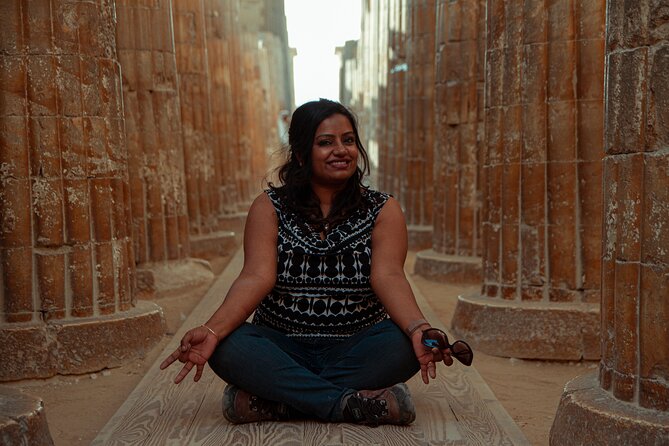
Even without slowing down too much, the day has a clear rhythm:
- Start with Saqqara to understand the pyramid origin story.
- Add short tomb context at Mastaba of Ti.
- Continue to Unas and Teti to see why the underground matters.
- Shift gears to Dahshur for the engineering and shape changes.
- Finish with Memphis for the city context and monumental statuary.
The big takeaway: this tour isn’t trying to give you every single detail of every site. It’s trying to get you the right sequence so the monuments make sense together. If you’re the type who likes “three stops, each with meaning,” this is your format.
Who Should Book This Tour—and Who Should Choose Another
This is a good fit if you:
- want a pyramid-focused day without spending the entire daylight window in a car for Giza-only sights
- like a structured route but still want some flexibility
- are comfortable with short walks and uneven ground
- enjoy an Egyptologist-style explanation when the guide is strong
It might not be your best choice if you:
- need a guaranteed top-tier English guide (because guide language quality can vary)
- plan to spend lots of time shopping
- want a “slow look” day with minimal driving and minimal stops
If you’re unsure, think about your priorities: pyramids first, crafts second. That mindset keeps the day fun rather than stressful.
Should You Book This Half-Day Saqqara–Dahshur–Memphis Tour?
Yes, I’d book it if you want a logical, efficient hit list that shows Egypt’s pyramid story in order—Step Pyramid evolution at Saqqara, the Unas/Teti tradition, then Dahshur’s construction experiments, with Memphis as context at the end.
Before you pay, do three quick checks:
- Confirm what your entry fees include and whether it’s basic area only.
- Ask whether you’ll have a guide with solid English if that’s important for your enjoyment.
- Decide now whether you’re okay with the planned craft and souvenir stops (they can be good for gifts and learning, but they trade against pyramid time).
If those boxes work for you, this half-day plan is one of the best ways to see three iconic attractions without turning your Cairo trip into a full-day slog.
FAQ
Is pickup available in Cairo or Giza?
Yes. Pickup starts around 8:00 from your hotel in Cairo or Giza, and door-to-door transfers are offered from within Cairo.
How long is the tour?
The duration is about 5 hours (approx.), with the tour ending around 13:00 and transfers back to your hotel.
What does the tour include for the ride?
You get private air-conditioned vehicle transport, bottled water, and hotel pickup and drop-off.
Are entrance tickets included?
Entrance tickets are described as optional and depend on the tour option you choose. The itinerary notes admissions at multiple stops, but it also says entry coverage can be basic area only.
Do I need to arrange a guide?
A guide is listed as optional. If you book an option that includes a guide, you’ll be led by an Egyptologist-trained guide, but guide English ability can vary.
Is lunch included?
Lunch is not included. There’s an optional lunch option mentioned (koshari).
Will I visit souvenir or craft shops during the tour?
You might have government-linked stops, including a perfume and cotton stop, a papyrus-related stop, and handmade carpet viewing, with about 20 minutes allocated per stop.
What is the cancellation policy?
You can cancel for a full refund if you cancel at least 24 hours before the experience starts. If you cancel less than 24 hours before, the amount paid is not refunded.
Is this tour private?
Yes. It’s a private tour/activity, meaning only your group participates.