REVIEW · CAIRO
Cairo: Sound and Light Show at Giza Pyramids
Book on GetYourGuide →Operated by FTS Travels · Bookable on GetYourGuide
The pyramids talk at night. This Cairo Sound and Light Show turns the Sphinx and ancient rulers into a nighttime story you can follow right at Giza.
I love how the show focuses on names you can actually place, like Thutmosis IV, Akhnaten, Nefertiti, and Tut Ankh Amon. I also like the no-chaos feeling when you pre-book, because you avoid the worst of the line situation. One caution: it can run a bit long, and if you want heavy light effects, you may feel slightly under-stimulated.
If your English (or Spanish) isn’t strong, you still have options. The English show runs at 20:30, the Spanish show at 21:30, and there can be headphones for translation when you need them. A possible drawback to plan around: this ticket gets you the pyramids area, not inside any pyramid.
You’ll hear a programmed sequence designed for the setting: the Sphinx “watches over the city of the dead” for 5,000 years, then the story shifts to how the pyramids were constructed and why key figures mattered. You can also add a VR experience to watch from home if you select that option, which is handy if you’re tired after a day of touring.
In This Review
- Key things to know before you go
- Why the Giza Sound and Light Show hits different at night
- Ticket reality check: QR codes, security, and what your entry includes
- The story you’ll hear: Sphinx, pyramids, and pharaohs by name
- English vs Spanish showtimes, plus translation support
- Optional VR from home: the show without the night-trip commitment
- Comfort, photos, and timing at the pyramids area
- Value at $39: what you’re really paying for
- Should you book this Cairo Giza Sound and Light Show?
- FAQ
- What time does the English show start?
- What time does the Spanish show start?
- Is a guide included with the ticket?
- Does the ticket include entry inside the pyramids?
- Can I use the QR code from GetYourGuide as my entrance ticket?
- When will I receive the authorized QR ticket?
- What happens at the entrance?
- Are photos and videos allowed?
- Are pets allowed?
- Is private transportation included?
Key things to know before you go
- Two show times: English at 20:30 and Spanish at 21:30
- QR entry is specific: your booking QR isn’t the entrance QR
- You get the story, not a guide: a guide is not included
- Included access is outside the pyramids: you can pay on the spot if you want inside
- Translation support may be available via headphones for the English show
- VR option lets you watch the light show from home if selected
Why the Giza Sound and Light Show hits different at night
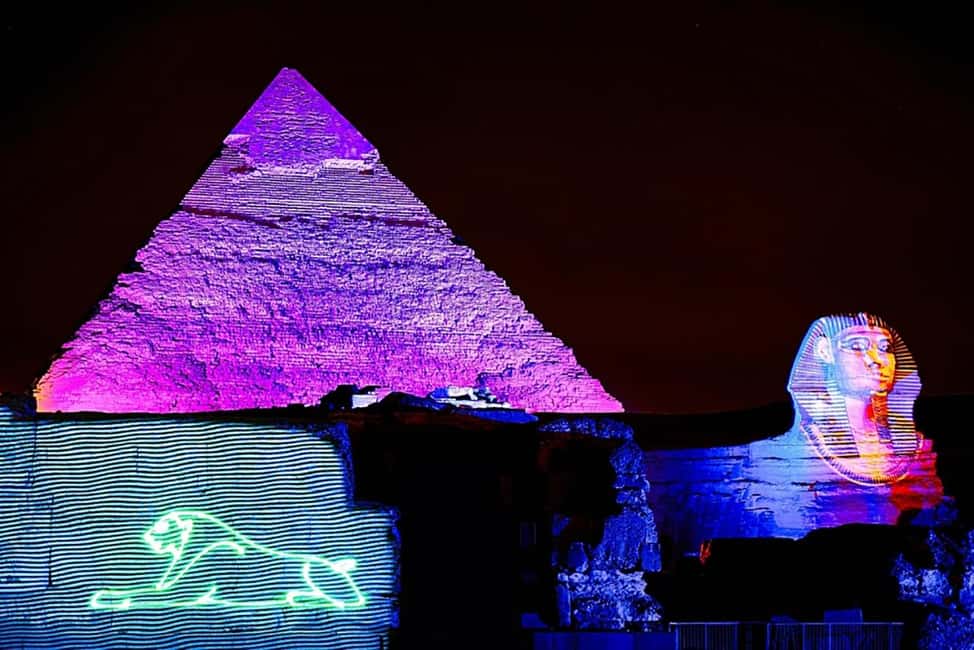
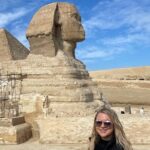
Giza at night has a way of making everything feel older. The Sphinx isn’t just a photo subject here; it’s treated like the narrator’s witness, tied to the idea that it has watched over the “city of the dead” for about 5,000 years. That framing matters, because it gives you a mental anchor while you’re standing in the dark at the edge of the world’s most famous ruins.
I also like the way the show connects big architectural ideas to real human stories. You don’t just hear that pyramids exist. You hear about construction, then you’re guided through lives and eras associated with major names: Thutmosis IV, Akhnaten, Nefertiti, and Tut Ankh Amon. Even if you’re not an Egyptology pro, hearing those names in a sequence gives your brain something to hold onto.
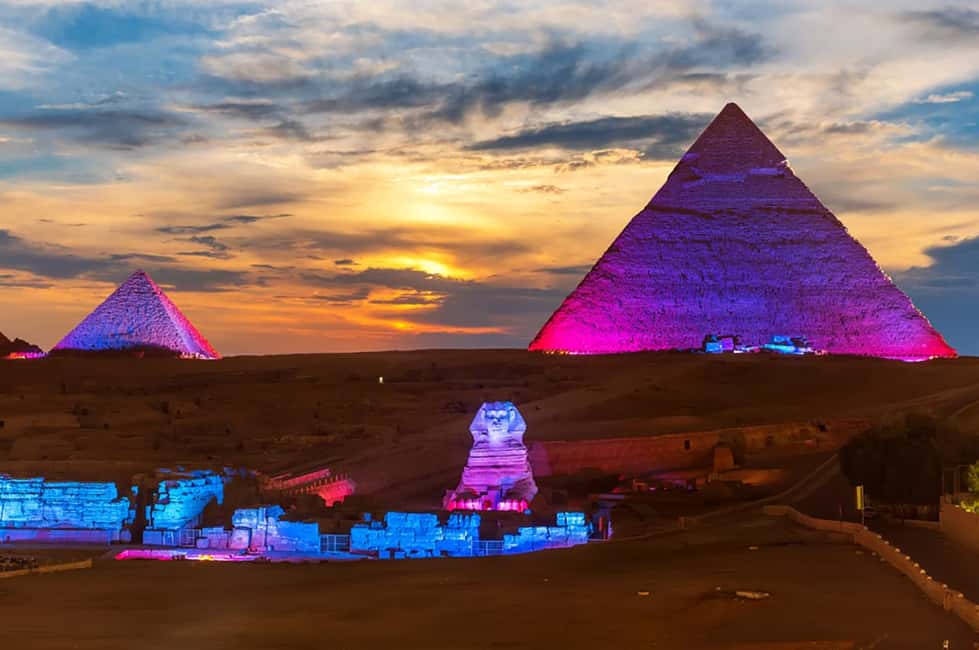
The setting does some of the work for you. Sound and light are designed to match the silhouettes and distance of the pyramids area, so the show feels built for this location rather than delivered like a generic presentation. That said, you should set your expectations realistically. Some visitors want more dramatic light effects, so if that’s your top priority, keep an open mind and focus on the storytelling.
A few more Cairo tours and experiences worth a look


Ticket reality check: QR codes, security, and what your entry includes
This is where you can save yourself stress. Your GetYourGuide QR confirmation is only a booking confirmation. It won’t work as an entrance ticket at the gate. You need the authorized QR code your supplier sends one day before your visit, authorized by the Ministry of Tourism.
Here’s what to do in practice:
- Look for the QR ticket your supplier emails the day before.
- If you book on the same day, the supplier contacts you to send tickets as soon as possible.
- On arrival, you may pass through a security check before entering.
- Staff will scan your QR code to grant access.
If anyone tells you your ticket is invalid, contact your supplier immediately and don’t add extra payments to fix it on the spot. That rule alone can prevent a lot of headaches.
Also know what your ticket covers. The entry included with this experience is to the pyramids area, not inside a pyramid. If you want to go inside one pyramid, you can pay for that separately on the spot. So if that’s a must-do for you, plan for an extra decision at the venue.
Finally, no pets are allowed, and smoking isn’t permitted. Mobile phone photography and video for personal use are allowed, which is great because the night sky and pyramid shapes are made for phone shots, even if you’re traveling light.
The story you’ll hear: Sphinx, pyramids, and pharaohs by name
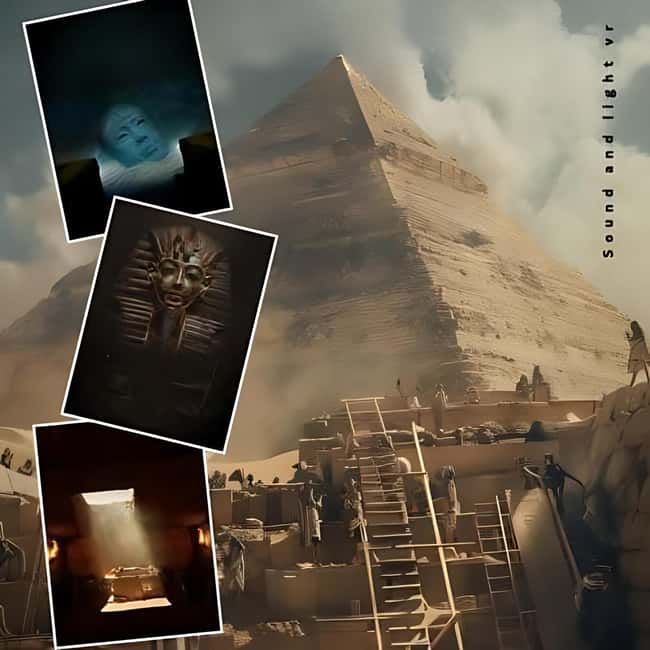
The show runs as a spoken program with sound and light, and it’s very clearly structured. The first part centers on the Sphinx and the idea that it has been watching over the dead for around 5,000 years. That opening gives you a mythic hook, and it helps you interpret what you’re seeing rather than just admiring it silently.
After the Sphinx intro, the narration shifts into how the pyramids were constructed. That segment is valuable because it gives context to the scale and design you can see. Standing there, you’re looking at massive geometry. The narration helps you connect that shape to effort, time, and organized work, instead of treating it like one big finished object.
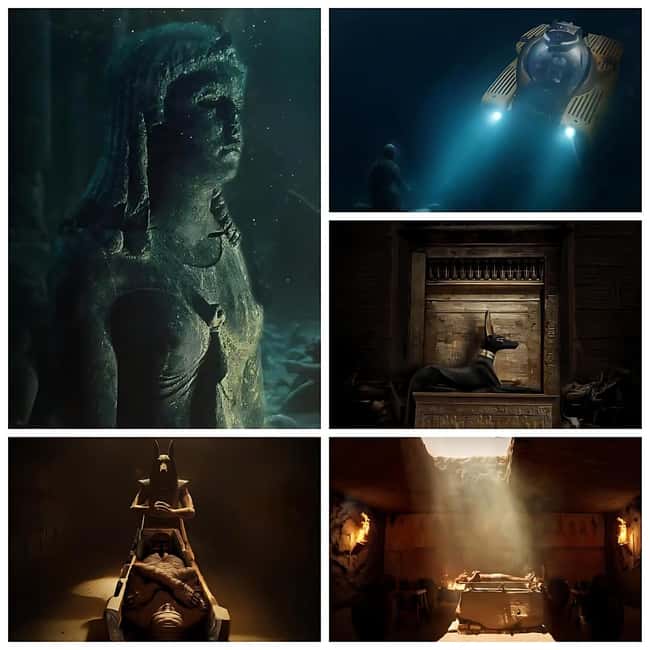
Then the program brings in key figures, which I love because it turns Egypt from a single “ancient” blur into recognizable eras. You’ll hear references to:
- Thutmosis IV
- Akhnaten
- Nefertiti
- Tut Ankh Amon
Even if you remember only a couple of these names, the show makes them appear in relation to the broader story. That can be a big confidence boost if you’re doing Giza on a tight schedule and want something that makes the site click.
One more practical point: this is a programmed presentation, not a conversational tour. That’s why the experience doesn’t include a guide. You’re there for the show itself, so arrive ready to listen and let the narration do the teaching.
English vs Spanish showtimes, plus translation support
Planning around language is simpler than you’d think, but you need to pay attention to the start time on your ticket. The English show starts at 20:30, and the Spanish show starts at 21:30.
If you’re not fully comfortable with English, don’t assume you’ll be shut out. There can be translation support with headphones for the English show if you don’t understand English. That means you can still follow the core story without needing to guess what’s happening.
Now, about expectations. The venue is spectacular, but the light effects aren’t guaranteed to match a “big fireworks show” mindset. If you’ve been to high-production light shows elsewhere and you’re expecting that level of special effects, you may find the production more focused on narration than on flashy visuals. I’d treat the show like an audio-and-atmosphere experience first, and the light effects as a supporting layer.
Also remember: tickets are valid for the date and time specified. If you show up at the wrong time window, you may not be allowed in. This is a night event, so being punctual matters more than with day tours.
Optional VR from home: the show without the night-trip commitment
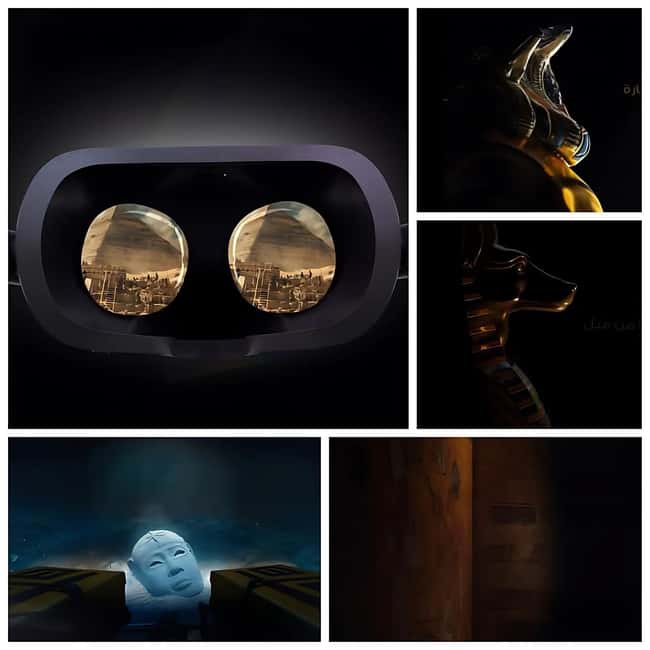
If you select the VR option, you can watch a version of the Light Show from home. That’s a smart add-on for a couple of situations: you might be jet-lagged, your energy might be low after daytime sightseeing, or you simply want a second chance to absorb the story calmly.
VR won’t replace being there in person for the atmosphere of the Giza Pyramids. But it can still be a helpful “study companion.” You can listen for the major story beats—Sphinx, construction, and the pharaohs—then later, if you go to the real show, you’ll recognize what you’re hearing instead of following from scratch.
If you’re choosing between options, I’d treat it like this: go in person if you want the atmosphere and night views, choose VR if you want the story with less time pressure. Selecting VR doesn’t harm your trip; it just gives you flexibility.


Comfort, photos, and timing at the pyramids area
You’re starting in the evening, so your comfort plan matters. Dress for cool night air and keep in mind the site is outdoors. Even if the tour is straightforward, you’re still waiting and listening at night near major ancient stone, so bring a layer.
For the actual show moment, your best move is simple: arrive with enough time to handle whatever security check comes first and get oriented. The show itself is the main event, and once it starts, you’ll want to be settled enough to focus on the narration.
Photography rules are friendly. You’re allowed to take photos and videos with your mobile phone for personal use. That’s helpful because at night the pyramids and Sphinx shape shift with the lighting, and you’ll want at least a few images to remember the setting.
If you’re considering entering one of the pyramids, keep in mind your included ticket covers only the pyramids area. You can pay separately on the spot. So don’t assume it’s bundled into this experience. If you really want an inside visit, decide in advance whether you’ll spend time before or after the show—or if you’ll make it a separate plan.
Value at $39: what you’re really paying for
At $39 per person, you’re mostly paying for access to one of Cairo’s most famous nighttime storytelling events. The value isn’t just the location; it’s that the show packages a lot of names, myths, and construction context into one sitting. When you’re limited on time, that can be a big advantage compared with piecing together a half-day of readings and museum hopping.
Also consider what’s included versus optional add-ons:
- Included: entry ticket to the Sound & Light Show.
- Included if you select it: VR at-home experience.
- Included if you select it: private air-conditioned vehicle transportation.
A guide is not included, so you should be comfortable listening and following a scripted program rather than expecting live interpretation. For many people, that’s exactly the point: you want a clean, focused experience where the audio does the teaching.
One more value angle: pre-booking helps you avoid waiting in line. That saves energy for something you’ll actually enjoy. When you’re traveling in Egypt, shaving off time in queues can be the difference between a fun night and a night that feels like logistics.
If your budget is tight and you don’t add the transport, you’ll likely still find it worthwhile because it’s one ticket, one event, one payoff at night. If you’re adding private transport, it becomes easier on your day-to-night schedule and reduces taxi stress, especially if you’re staying in Cairo proper.
Should you book this Cairo Giza Sound and Light Show?
I’d book it if you want a structured way to connect the Sphinx myth, pyramid construction context, and famous royal names in one evening. It’s a good match if you enjoy listening, you like atmospheric settings, and you want a smooth plan that doesn’t require hunting down extra explanations.
Skip it or rethink it if you’re mainly chasing huge light effects or a more interactive guided experience. Since a guide isn’t included and the production can feel more story-forward than effects-forward, your personal taste matters.
If you’re doing Giza for the first time, this can be a smart “make it click” option. If you’re returning and you already know the basics, decide based on whether you want the atmosphere again or whether VR from home might be enough for your schedule.
FAQ
What time does the English show start?
The English show starts at 20:30.
What time does the Spanish show start?
The Spanish show starts at 21:30.
Is a guide included with the ticket?
No. A guide is not included.
Does the ticket include entry inside the pyramids?
No. The ticket covers the pyramids area, not inside any pyramid. You can pay on the spot if you want to enter one.
Can I use the QR code from GetYourGuide as my entrance ticket?
No. The GetYourGuide QR confirmation is only for booking and cannot be used as an entrance ticket. You need the authorized QR code sent by your supplier.
When will I receive the authorized QR ticket?
Your supplier sends another authorized QR ticket one day before your visit. If you book on the same day, the supplier contacts you to send the tickets as soon as possible.
What happens at the entrance?
You may go through security first. Then staff scan your QR code to grant access.
Are photos and videos allowed?
Yes. Photography and videography using mobile phones is permitted for personal use only.
Are pets allowed?
No, pets are not allowed.
Is private transportation included?
Transportation by a private air-conditioned vehicle is included only if you choose the add-on option. Pickup & drop-off is available from any hotel in Cairo and Giza for an additional charge, and the round-trip duration is about 4 hours.