REVIEW · CAIRO
Cairo: Private Giza Pyramids, Sphinx, Saqqara & Memphis Tour
Book on GetYourGuide →Operated by FTS Travels · Bookable on GetYourGuide
One morning in Cairo, you’ll feel time fold. This private tour strings together Saqqara’s Step Pyramid, Memphis ruins, and the Giza Plateau with an expert Egyptologist explaining what you’re seeing, not just where to stand. I love the way the stops build on each other, and I love the comfort of hotel pickup and air-conditioned private transport. The main thing to consider is the day is packed, so you’ll want to pace yourself and wear shoes that can handle lots of walking.
You start with a smooth pickup from your Cairo or Giza hotel, then head straight to Saqqara before crowds and heat get too serious. Next comes Memphis, then the big moment at Giza—Pyramids, Sphinx, and the Valley Temple—plus time for shopping where you can bargain for small crafts. As with any full-day ancient-site plan, the “smooth” part depends on confirming details ahead of time and having the right expectations for Cairo traffic.
In This Review
- Key Points at a Glance
- Saqqara’s Step Pyramid: The Origin Story You’ll Actually Remember
- Memphis Open-Air Ruins: Egypt’s First Capital in Real Space
- The Giza Plateau: Pyramids and Sphinx With an Egyptologist Beside You
- A Small Add-On Choice: Inside the Great Pyramid
- Valley Temple: Where Rituals Were Performed
- Lunch, Shopping Stops, and the Pace You’ll Want
- Private Air-Conditioned Transport: How to Make Cairo Traffic Work
- What You’re Really Paying: Is $37 Good Value?
- Guide Quality That Can Make or Break the Day
- Who This Tour Fits Best
- Should You Book This Cairo Private Pyramids Tour?
- FAQ
- How does hotel pickup work for Cairo or Giza?
- Where does the tour start and end?
- Is the transportation private and air-conditioned?
- What languages are available for the Egyptologist guide?
- Are admission tickets and lunch included?
- Can I enter the Great Pyramid or ride a camel?
- What should I bring, and what is not allowed?
Key Points at a Glance
- Saqqara first: Djoser’s Step Pyramid, often called the first major stone pyramid concept
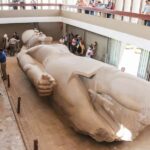
- Memphis context: you’ll see Egypt’s first capital area and the Colossal Statue of Ramesses II
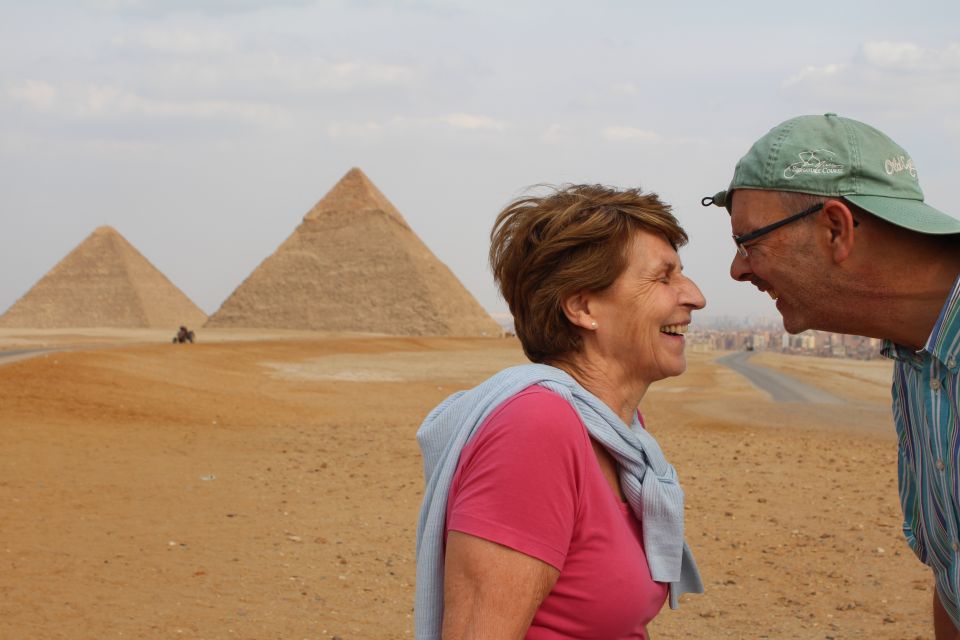
- Giza Plateau focus: Cheops, Chephren, Mykerinus, plus the Great Sphinx and Valley Temple
- Private AC transport: pickup and drop-off from Cairo or Giza hotels
- Optional upgrades: inside the Great Pyramid and/or a camel ride (if you choose add-ons)
Saqqara’s Step Pyramid: The Origin Story You’ll Actually Remember
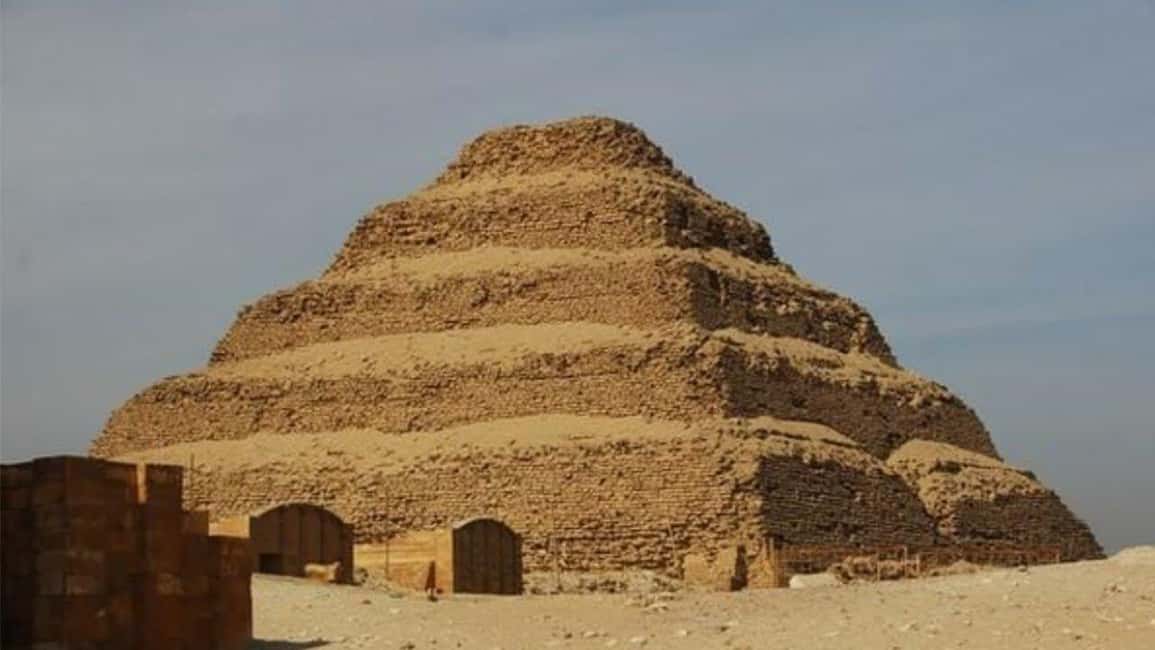
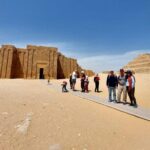
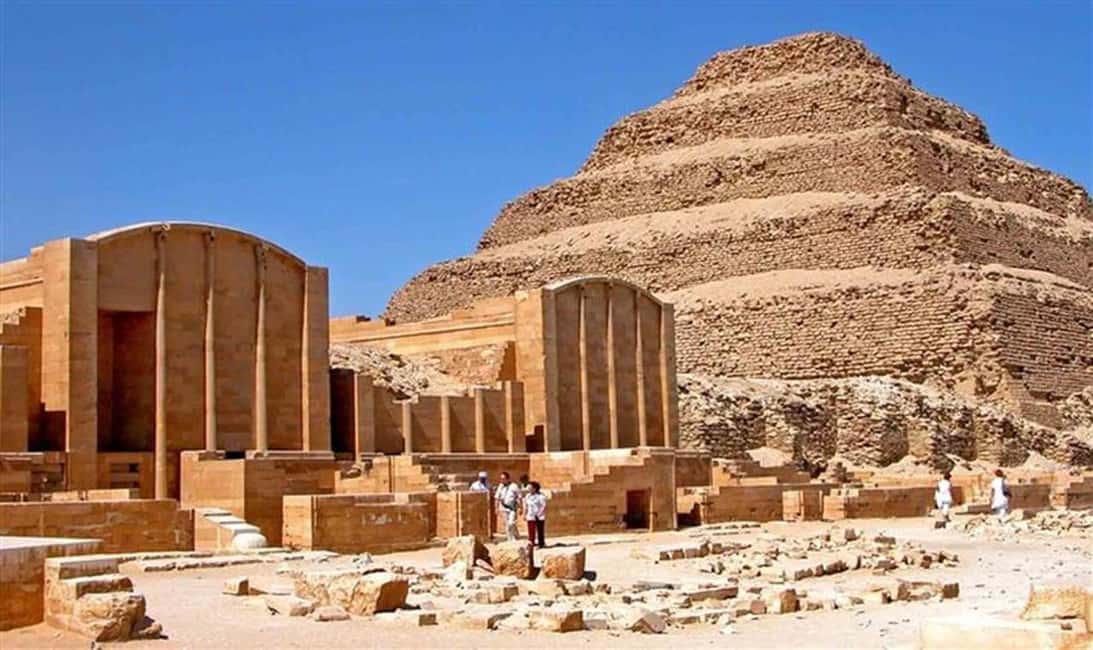
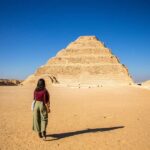
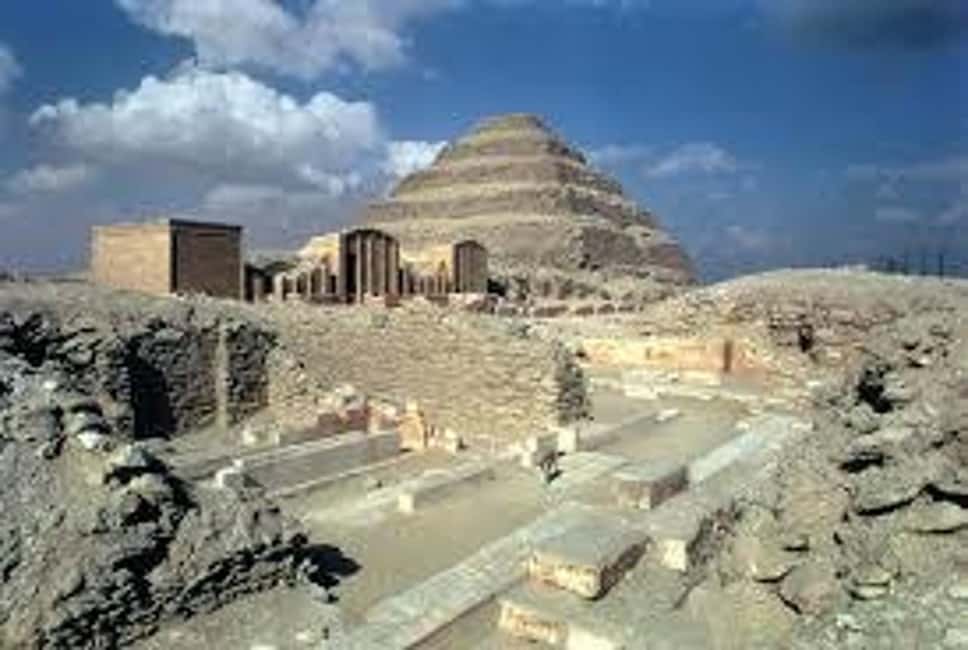
If you only visit Giza, you’ll miss why it matters. I like that this tour starts at Saqqara with the Step Pyramid of Djoser, built around 2630 BC. This isn’t just a landmark. It’s a blueprint for what comes later.
Standing there, you can see how ancient builders learned by doing. The Step Pyramid is described as the world’s first large-scale stone structure, and your Egyptologist guide will connect that idea to the evolution of pyramid-building across Egypt. Even if you’ve seen pyramid photos before, the scale hits differently in person—especially when your guide points out what the shape and materials signaled to the people of that era.
Practical note: Saqqara involves walking across uneven grounds. Bring comfortable shoes and keep water handy—bottled water is included, but you’ll still feel happier if you plan for a long day.
You can also read our reviews of more private tours in Cairo
Memphis Open-Air Ruins: Egypt’s First Capital in Real Space
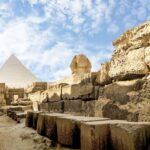
After Saqqara, you shift from the birth of monumental stone building to the political heart of early Egypt. Memphis is remembered as Egypt’s first capital after the unification of Upper and Lower Egypt in 3100 BC. That date gives you a useful anchor: you’re not only viewing ruins, you’re traveling through changing power and identity.
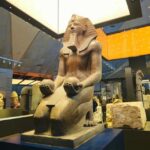
You’ll explore the Memphis open-air museum area and see the Colossal Statue of Ramesses II. That giant presence is exactly the kind of visual evidence you can’t get from a book. It helps your brain understand the message ancient Egyptians wanted to send: authority, permanence, and the divine weight of kingship.
If you like stories with cause-and-effect, Memphis is a strong stop. The guide can connect Memphis to the later pyramid era by showing how royal ideology, monuments, and location worked together. And because this is private, you can move at your pace instead of being dragged forward the way shared bus tours often do.
The Giza Plateau: Pyramids and Sphinx With an Egyptologist Beside You
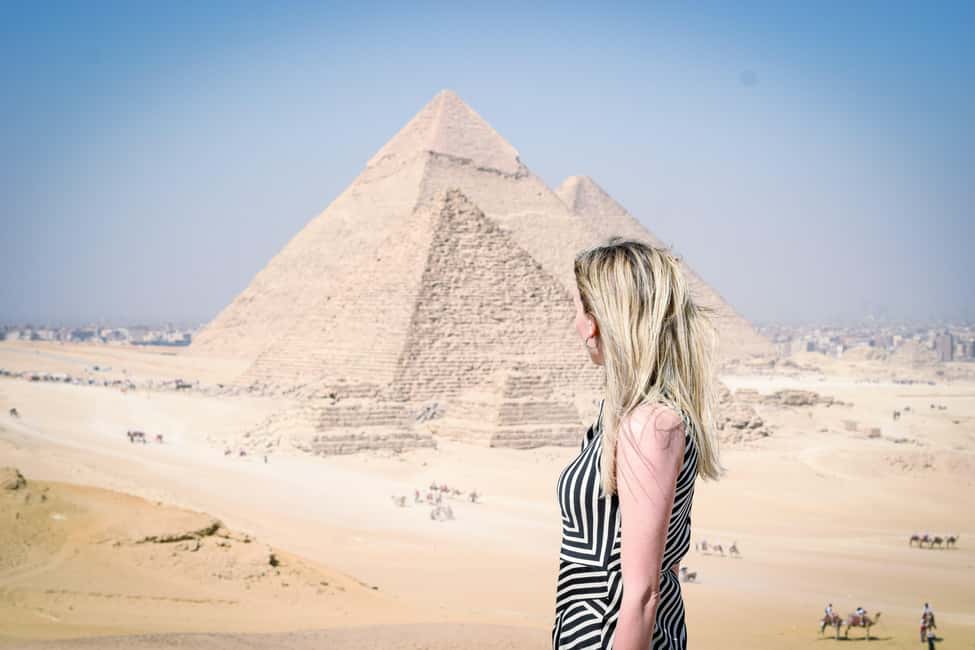
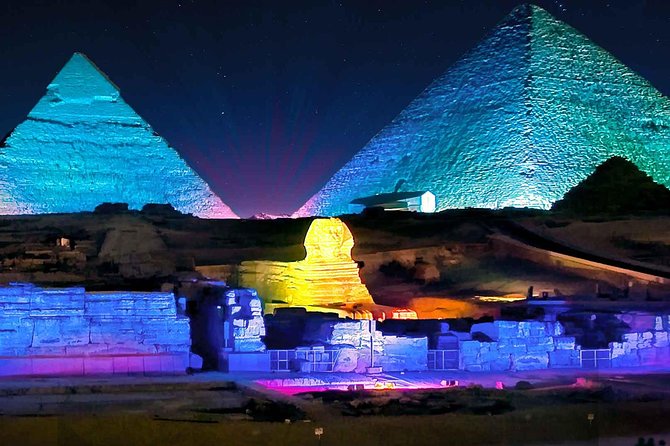
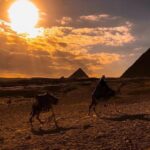
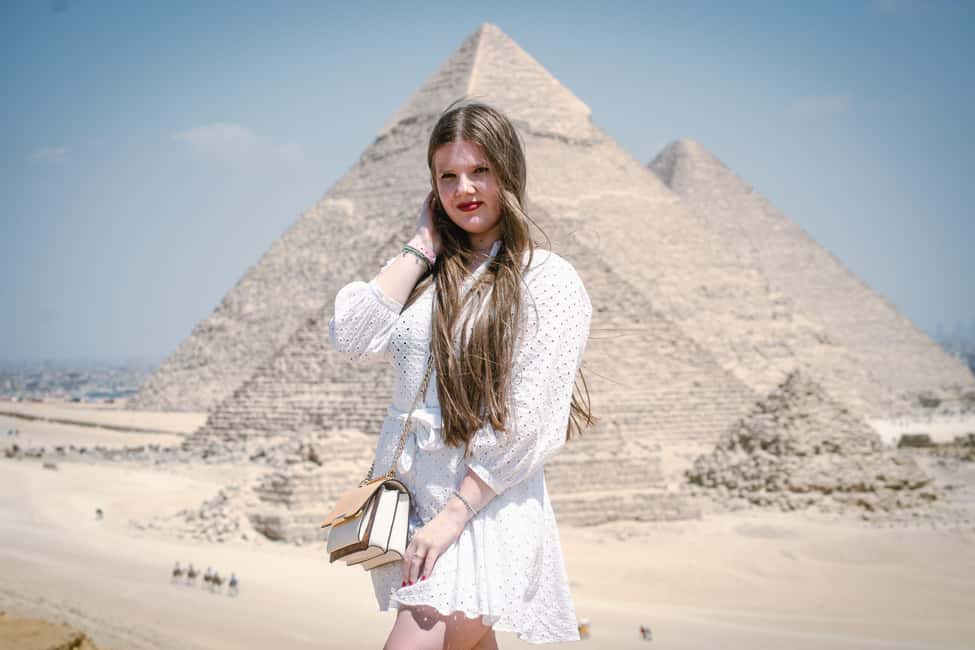
Now for the part most people imagine first. At Giza, you’ll stand in front of the Pyramids of Cheops, Chephren, and Mykerinus, plus the Great Sphinx. What I like about this plan is that it doesn’t treat Giza like a photo stop. Your Egyptologist guide explains history and significance as you go—so you’re not just collecting angles.
Here’s how to use the time well. Look from the outside first—shape, alignment, and the way the plateau feels like a stage. Then let your guide’s explanations reframe what you’re seeing. The more you understand the basic story, the more satisfying it becomes to watch the light shift on stone.
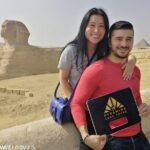
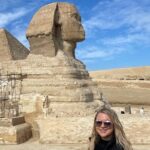
The Sphinx is a moment by itself: a limestone statue with the body of a lion and the face of a Pharaoh. In person, it feels both mythic and oddly grounded, like it’s been waiting. Your guide’s context around why it’s there and what it represented helps you move past the obvious awe and into actual comprehension.
A Small Add-On Choice: Inside the Great Pyramid
If you select the add-on, you can enter the Great Pyramid. Not everyone wants that extra time and tight-space experience, but if you like hands-on contact with history, it can be worth it. Just plan your energy for it—interiors can feel warmer and you’ll want to take your time inside.
Valley Temple: Where Rituals Were Performed
After the big monuments, you’ll visit the Valley Temple. This stop matters because it shifts you from architecture to practice. The tour description highlights that priests performed mummification rituals here, and that’s the kind of detail that makes ancient Egypt feel real instead of abstract.
You’ll take in ancient architecture while learning about how bodies were prepared for the afterlife. Even if you’re not a museum person, ritual sites tend to land well because they explain the human purpose behind the stone. It’s not just what kings built; it’s why they built it.
Timing tip: Don’t rush this part. If you can, slow down and let the explanations sink in. The Valley Temple is where your visit stops being only spectacle and becomes a story about belief.

Lunch, Shopping Stops, and the Pace You’ll Want
Between ruins and temples, you’ll get lunch at a local restaurant if you choose the option/add-on. I recommend thinking of lunch as your buffer. It breaks up the day so you don’t hit Giza running on empty energy.
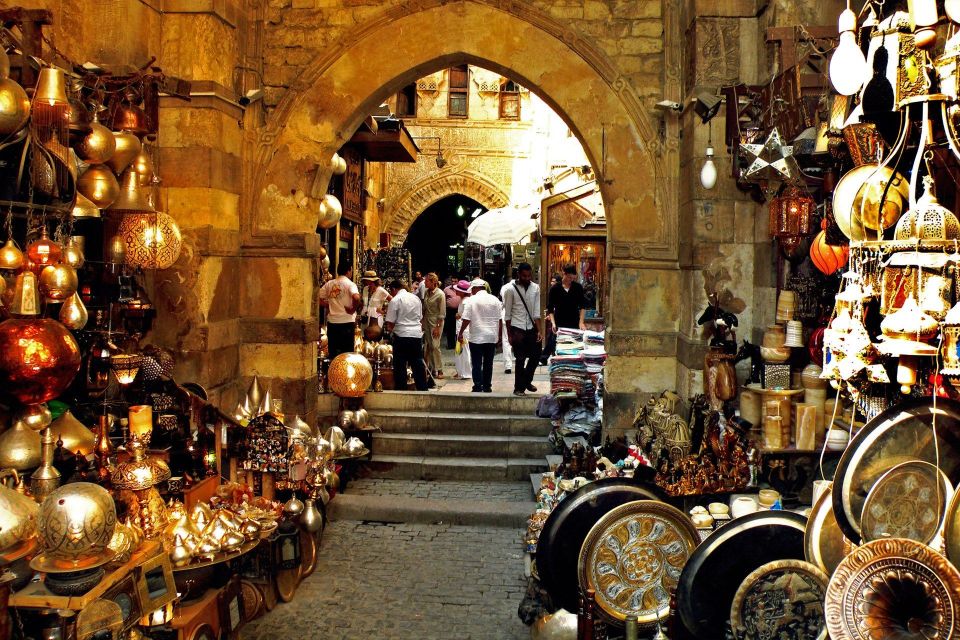
You’ll also have free time for shopping stops, with the chance to browse local handicrafts and souvenirs and to negotiate with vendors. Cairo shopping can be lively, so keep your expectations practical: decide what you want before you start bargaining, and don’t feel pressured to buy. If you’re not into shopping, treat this time like a breather and pick only a couple of stops.
Pace is the tradeoff with a full-day itinerary like this. You’re seeing Saqqara, Memphis, Giza, Sphinx area, and Valley Temple—plus transfers. That’s why your guide and vehicle comfort matter.
Private Air-Conditioned Transport: How to Make Cairo Traffic Work

This tour includes hotel pickup and drop-off in Cairo or Giza and private transportation in a modern, air-conditioned vehicle. In Cairo, that comfort matters more than you’d think. You’re not just avoiding heat. You’re reducing stress—fewer handoffs, fewer waiting games, and fewer “where are we?” moments.
Pickup timing depends on your hotel location, and the supplier sends pickup time via email the day before. There can also be a delay of up to 10 minutes, so I suggest adding a small cushion to your morning plan. For private tours, your success rate rises when you send the required details (full traveler names and room number) right away.
The tour is not suitable for wheelchair users, so be aware if mobility is an issue. Comfortable shoes and a realistic attitude toward walking are the biggest keys.
What You’re Really Paying: Is $37 Good Value?
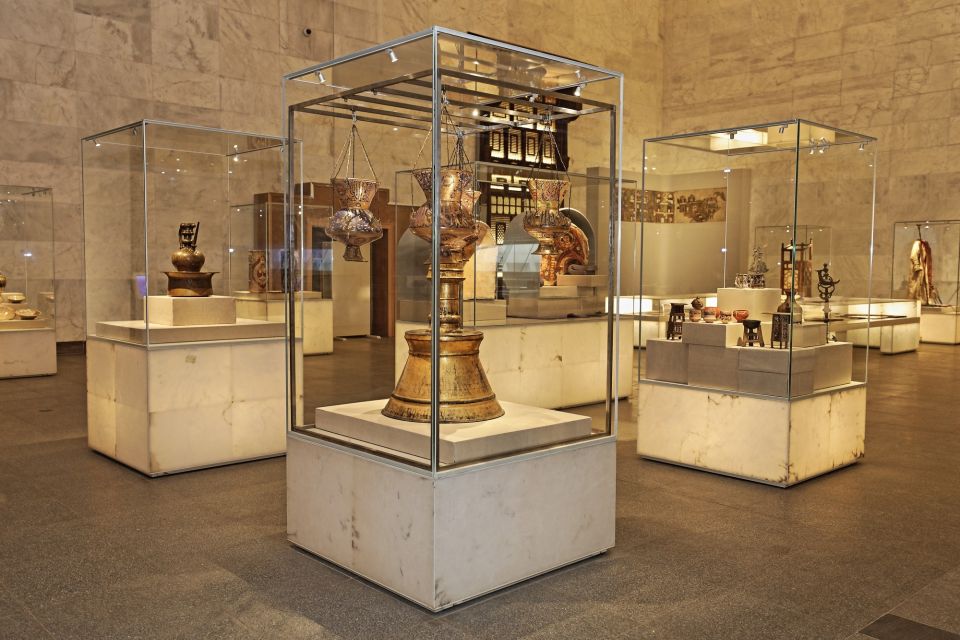
The price listed is $37 per person, and for a private full-day plan with an Egyptologist and private AC transport, that’s strong value on paper. The big value driver is the combination: you’re not just entering sites. You’re also paying for interpretation—an expert to explain the why behind what you see.
That said, options affect total cost. The tour mentions admission tickets (if the option is selected), lunch (if option/add-on), and add-ons like entry inside the Great Pyramid and camel ride (if selected). So the true value depends on how much you want the extras.
My way of judging it: if you want maximum “understanding per hour,” the Egyptologist + multiple sites is where this shines. If you only care about quick external photos, a simpler ticket-only plan might feel cheaper—but you’d lose the explanation that makes Giza click.
Guide Quality That Can Make or Break the Day
A good Egyptologist doesn’t just name facts. They connect details to the bigger story and keep you oriented. The guide names that come up with high praise include Salma, Kongo, Ahmed, and Manal, with consistent themes: clear communication, attentiveness, patience, and keeping the day running smoothly.
That matters because Cairo can throw curveballs—heat, crowds, and timing changes are normal. A guide who stays calm and organized helps you get the most from your time. In a private format, the difference is noticeable: you’re not stuck with the lowest common denominator.
If you’re someone who likes to ask questions, a skilled guide is a huge win. If you prefer a more quiet style, a good guide can still tailor pacing without turning the day into a lecture.
Who This Tour Fits Best
This tour is best for you if:
- You want a guided, story-connected day across Saqqara, Memphis, and Giza
- You value the comfort of private AC transport over shared shuttles
- You’d like a chance to learn, not just look
It might be less ideal if:
- You want a slow, unhurried visit with lots of downtime (this day is packed)
- You need wheelchair-friendly access (it’s not suitable for wheelchair users)
Should You Book This Cairo Private Pyramids Tour?
I’d book it if you want a full-day route that makes Egypt feel coherent. Saqqara gives you the origin story. Memphis adds political and cultural context. Giza delivers the famous monuments. The Valley Temple turns the trip from architecture into belief. That arc is exactly how you get a visit that sticks.
Before you go, do two practical things: confirm your pickup time the day before (and share your details via email), and pack for walking with comfortable shoes and water. If you’re considering add-ons like entering the Great Pyramid, decide based on your comfort level, not just hype.
If your goal is to understand what you’re seeing—and do it in comfort—this private tour is a strong choice.
FAQ
How does hotel pickup work for Cairo or Giza?
Pickup depends on your hotel location, and you should confirm the exact pickup time one day before the trip. The supplier sends the pickup time by email the day before, and a delay of up to 10 minutes may occur.
Where does the tour start and end?
It’s designed for customers staying in Cairo or Giza. The tour includes pickup from your accommodation and return drop-off back to your hotel.
Is the transportation private and air-conditioned?
Yes. You’ll have private transportation in a modern, air-conditioned vehicle, along with bottled water.
What languages are available for the Egyptologist guide?
The tour supports English, German, French, Italian, Spanish, Russian, Arabic, based on availability.
Are admission tickets and lunch included?
Admission tickets to the Pyramids, Sphinx, Memphis, and Saqqara are included if the option is selected. Lunch is included if the lunch option or add-on is selected.
Can I enter the Great Pyramid or ride a camel?
Yes, but only as add-ons. Entry inside the Great Pyramid and a camel ride are listed as optional extras.
What should I bring, and what is not allowed?
Bring comfortable shoes, a camera, water, and comfortable clothes. Pets are not allowed, and smoking is not allowed.