REVIEW · CAIRO
Cairo: National Museum, Egyptian Museum, and Citadel Tour
Book on GetYourGuide →Operated by Sun Pyramids Tours · Bookable on GetYourGuide
Cairo is a time-machine, and this day tour runs the timeline. You’ll start at the National Museum of Egyptian Civilization in Old Cairo, where the guide helps you make sense of Egyptian heritage through a massive collection. Then you’ll climb up to Saladin Citadel for panoramic city-and-desert views, before finishing at the Egyptian Museum with famous Pharaonic treasures.
Two things I really like: first, the order of stops. You get the story of Egypt in the National Museum, then the skyline and defensive walls at the citadel make that story feel real. Second, the guides can be a major difference—names like Fatimer and Samir came up as standout guides who actually explain what you’re looking at. One possible drawback: like any big-day program, it can feel rushed if your guide isn’t willing to slow down or if you’re hoping for extra walking time around the citadel.
If you want a well-paced introduction to Ancient Egypt plus a classic Cairo view, this tour is built for you. Just go in ready for lots of looking, some walking, and clear communication about how much time you want at each stop.
In This Review
- Key things to know before you go
- The itinerary in plain English: how the day flows
- Pickup, private transfers, and why the start time matters
- National Museum of Egyptian Civilization: making sense of 50,000 artifacts
- Old Cairo to Saladin Citadel: where the skyline turns the story real
- City views and guide stories: how to get more than a photo
- Lunch at a local restaurant: included, but not everything
- Egyptian Museum: Pharaonic artifacts and the 5,000-year scale
- Included shopping stop: how to buy without letting it take over
- Value for $142: what you’re really paying for
- Who this tour suits best (and who should think twice)
- Should you book this Cairo museum-and-citadel tour?
- FAQ
- What’s included in the tour?
- Do I have to pay for drinks during lunch?
- Where does pickup happen?
- Which languages are available for the guide?
- What sites are visited during the day?
- Is tipping included?
- Can I reserve first and pay later?
- How much freedom do I have if plans change?
Key things to know before you go
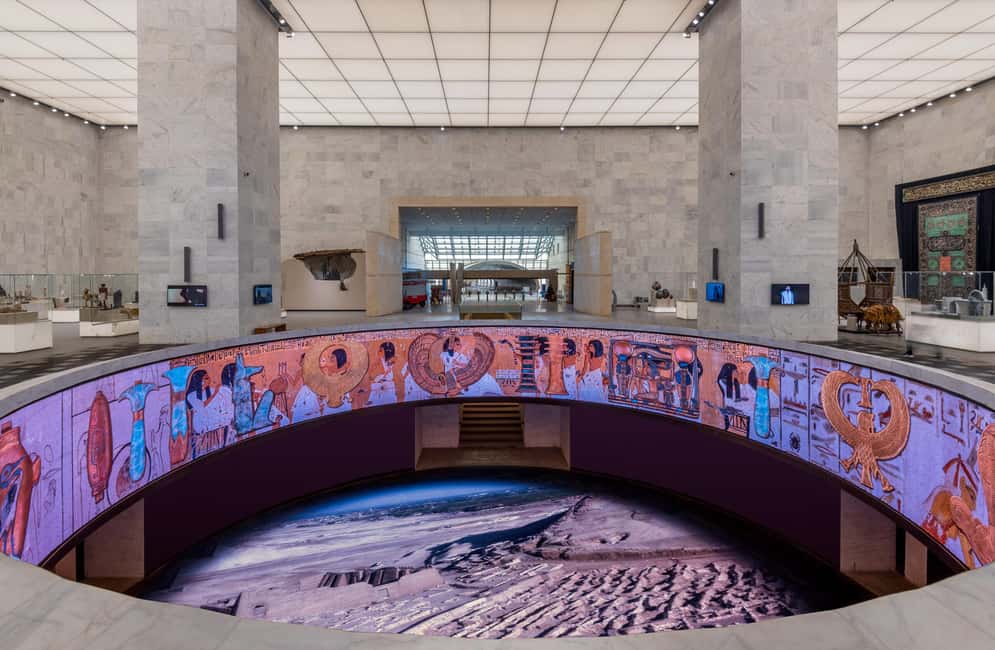
- National Museum (Old Cairo) starts the story with a heritage-focused visit and a huge 50,000-artifact scope.
- Saladin Citadel is your best view stop, built in 1183, with Cairo spread out and desert edges in the distance.
- Guiding matters here—some guides are praised for strong explanations, while one experience highlighted the risk of a too-rushed approach.
- Egyptian Museum delivers the wow-factor, with Pharaonic artifacts and claims of a 5,000-year art collection plus 250,000 genuine pieces on display.
- Lunch is part of the day, served at a local restaurant with bottled water during the trip.
- A Cairo shopping stop is included, so you can plan your souvenir budget before you arrive.
The itinerary in plain English: how the day flows
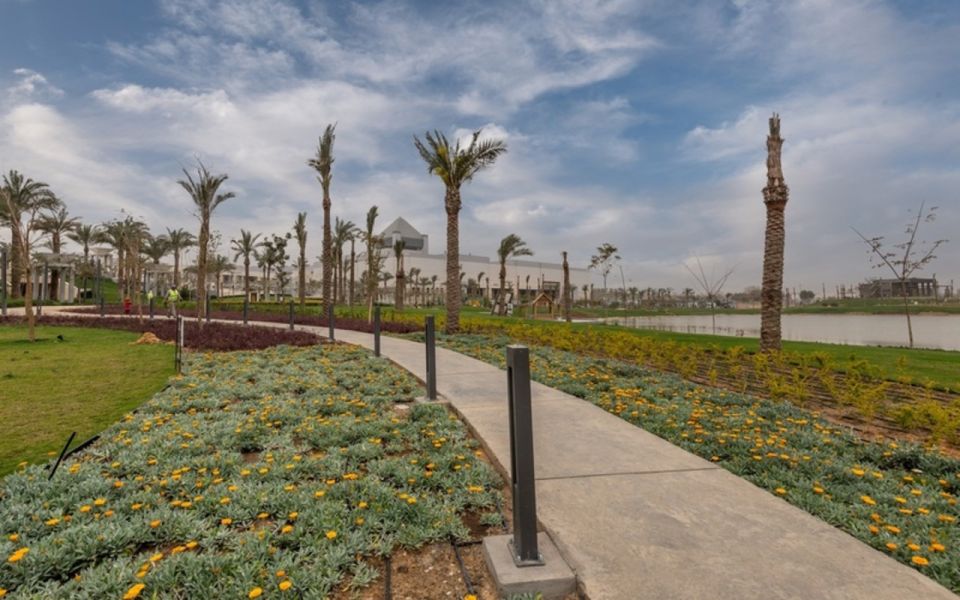
This tour is designed as a clean storyline: culture first, power and protection next, then the artifacts you’ve been hearing about all day.
You’re picked up from your hotel in Cairo or Giza in an air-conditioned vehicle. From there, you go straight to the National Museum of Egyptian Civilization in Old Cairo. After the museum, you transfer to Saladin Citadel, built in 1183, and you get the big viewpoint moment. Then comes an authentic lunch at a local restaurant. Finally, you visit the Egyptian Museum, focused on Pharaonic-era material and one of the best-known archaeology collections in Egypt.
By the time you’re done, you’ve gone from “Egypt as a civilization” to “Egypt as architecture and power,” and then to “Egypt as objects you can point at and understand.”
You can also read our reviews of more museum experiences in Cairo


Pickup, private transfers, and why the start time matters
One underrated part of tours in Cairo is the simple logistics: crossing traffic and heat can steal your energy fast. This experience uses private air-conditioned vehicle transfers and includes hotel pickup and return, which helps you avoid the classic group-taxi scramble.
That matters because you’re doing three heavy-hitters in one day:
- one museum with lots to process,
- one citadel viewpoint with walking and stairs,
- one more museum where you’ll want to actually look, not just pass through.
So if you hate feeling rushed from the first hour, this pickup-and-return structure is a big plus.
A small note that affects planning: pickup/drop-off for places like Cairo airport, Sphinx airport, New Cairo, and other listed areas can cost extra. If your hotel is outside Cairo/Giza, it’s worth checking what’s included before you confirm.
National Museum of Egyptian Civilization: making sense of 50,000 artifacts
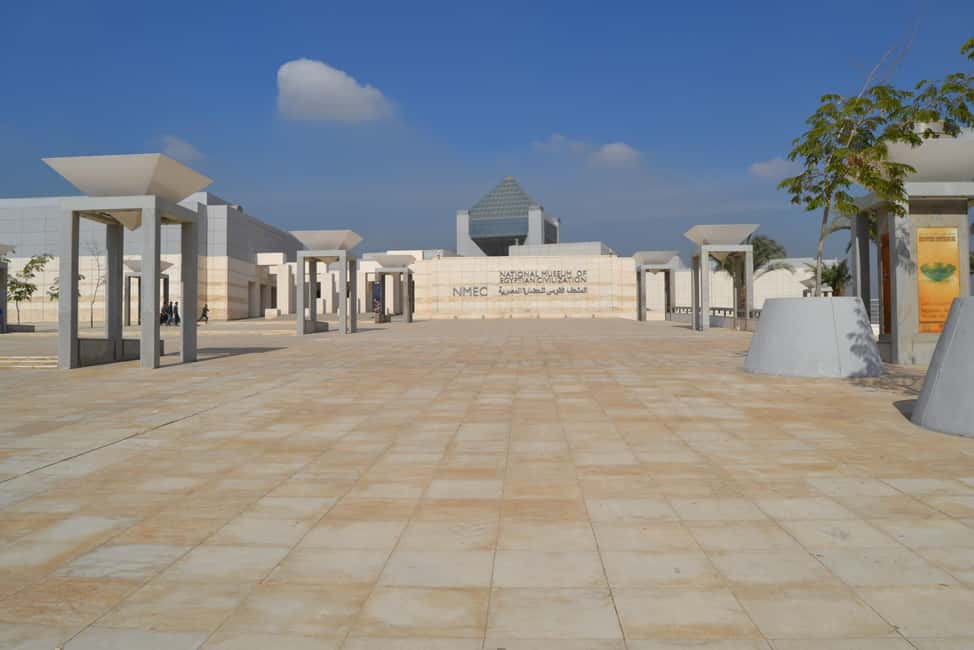
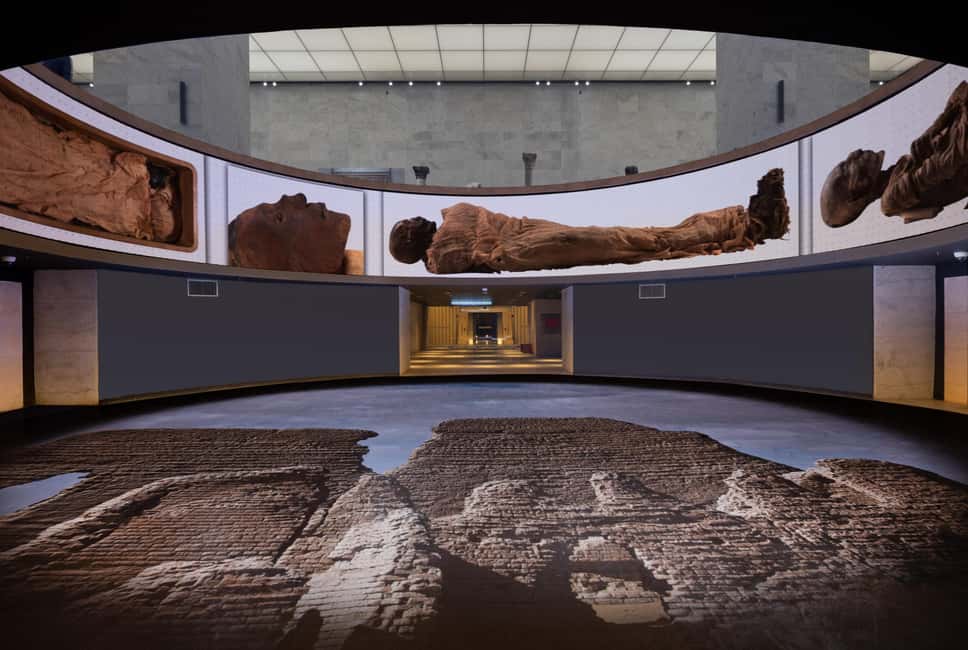
Your day starts at the National Museum of Egyptian Civilization in Old Cairo. The headline here is scale: the museum is described as showcasing 50,000 artifacts, and the approach is heritage and culture rather than just a room of shiny objects.
What I like about starting here is that it gives you a framework. The guide’s job is to help you connect the dots—how Egyptian life, beliefs, and power systems show up in artifacts—so the later museum stops don’t feel like a random collection of things.
You’ll also get the advantage of a guided pace. Even if you personally love museums, you can’t realistically read everything in a collection this big. A good guide helps you focus on what’s most meaningful and what you’ll want to remember when you’re standing in front of major displays.
And yes, guiding quality really shows up here. In feedback, Fatimer was praised as very knowledgeable, and another strong impression was that one guide had a professional, doctor-level background in the field. That’s the sort of guide you want at the National Museum, because the value comes from explanations, not just entering a hall.
Old Cairo to Saladin Citadel: where the skyline turns the story real
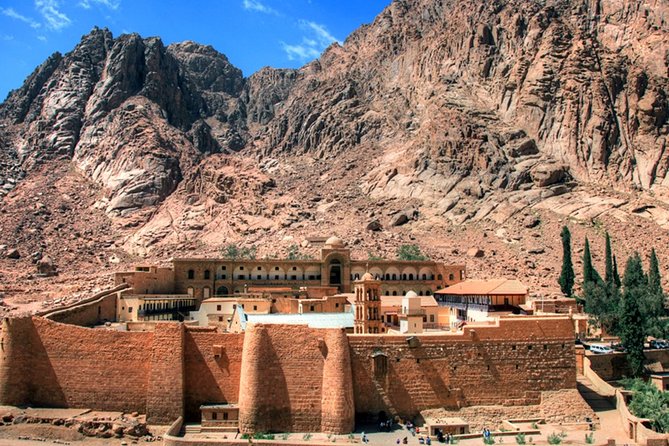
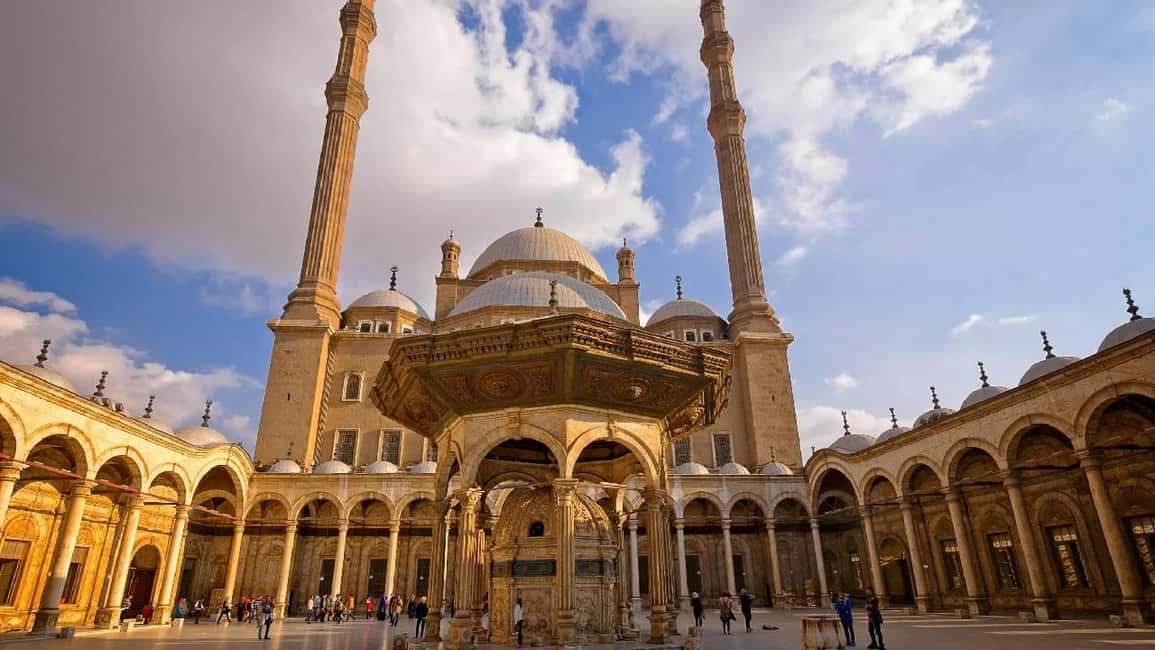
Next up is the Saladin Citadel, built in 1183. This is a defensive structure, and the guide stories about its construction help you understand why it looked the way it did. It protected Cairo from attacks—so when you’re standing in the citadel area, you’re not just getting a photo. You’re getting context for how cities used power and walls to survive.
The best part is the view. You’ll admire a wide panorama of Cairo, plus the edge of the desert beyond. This is one of those moments where Ancient Egypt meets modern city life. After the museum, the citadel view makes it easier to picture how geography and strategy mattered.
A practical consideration: you’ll be walking around the citadel area. If your preference is to explore slowly and stop often, be clear early with your guide that you want time at viewpoints and around the compound. One negative experience referenced a guide who wasn’t keen on walking and got frustrated when guests wanted to spend more time looking around, so if you care about pacing, it’s worth setting the expectation right away.
If you’re more flexible and okay with sticking to the itinerary rhythm, this stop still delivers.
City views and guide stories: how to get more than a photo
The citadel is famous for views, but the real payoff is what you learn while you’re looking. The tour includes stories about the citadel and its history, and the guide also helps you connect those details back to what you saw in the museum.
Here’s how you can make this stop work harder for you:
- Ask one or two questions while you’re at the vantage points. You’ll get more out of the story when you can see what it’s describing.
- If the group is moving quickly, politely request extra minutes for the main viewpoints. This is a viewpoint stop, so don’t treat it like a quick photo kiosk.
- Wear comfortable shoes. Citadel areas can mean uneven ground and steps, and you want your legs to be fresh for the Egyptian Museum later.
If you’re the type who enjoys context—how a fortress helped protect a city—you’ll feel the value quickly. If you mostly want photos and don’t care about explanations, the citadel can still be worth it, but you’ll want to keep an eye on how much the guide is talking during the walk.


Lunch at a local restaurant: included, but not everything
You’ll enjoy authentic lunch at a local restaurant included in the tour. The tour also provides bottled water during the trip.
Here’s the important catch: beverages and water during lunch aren’t included. So if you drink more than water, bring cash or plan to buy something on-site. It’s also worth having a simple expectation: lunch time is set, so you shouldn’t count on lingering for long conversations or extra courses.
One piece of feedback flagged an awkward, rushed end to lunch under a specific guide name, Latife, where the group felt pushed out right after their allotted time. That’s not the standard you want, but it highlights a useful travel tactic: if lunch time matters to you, keep your order quick when food arrives and use the first minutes to start eating rather than chatting.
The good news is that even when lunch is timed, having lunch handled as part of the itinerary saves you the stress of finding somewhere suitable while navigating Cairo.
Egyptian Museum: Pharaonic artifacts and the 5,000-year scale
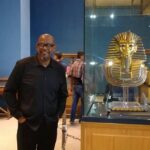
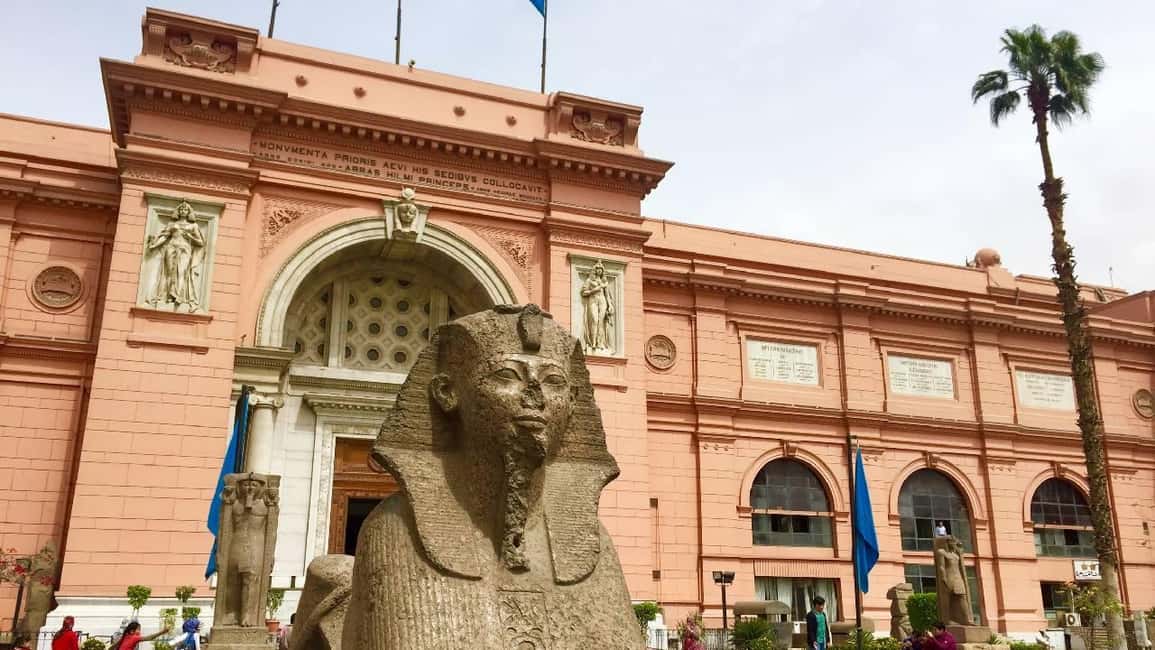
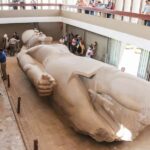
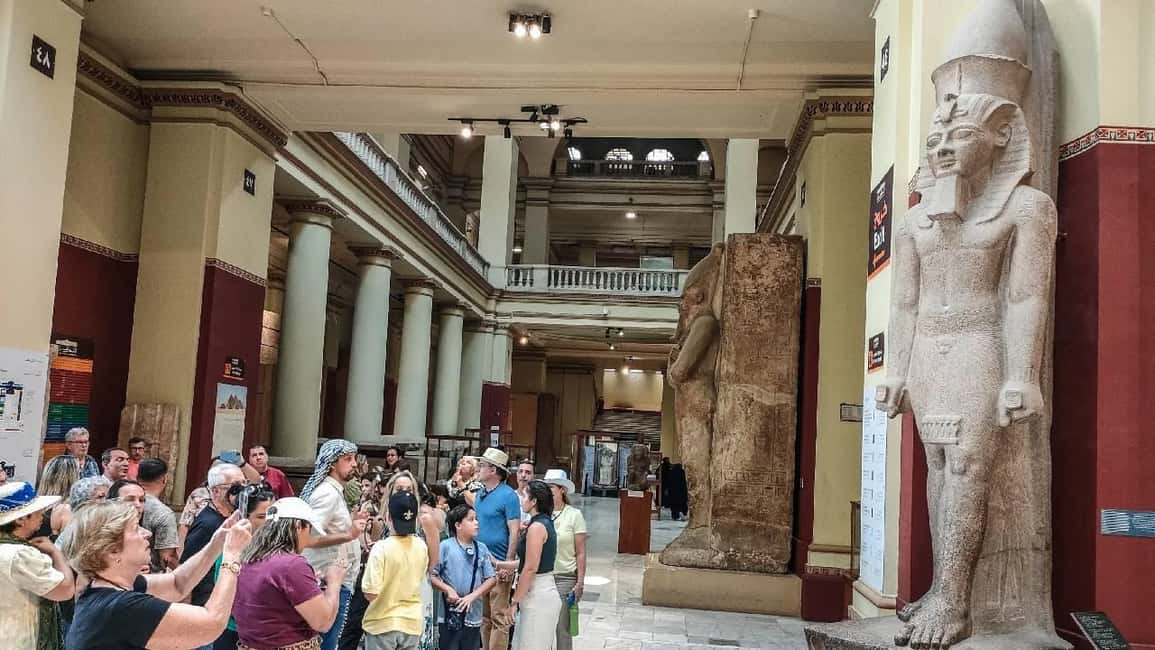
Finally, you visit the Egyptian Museum, with collections described as featuring artifacts from the Pharaonic period. You’re told the museum displays a rare collection of 5,000 years of art, and it’s described as the largest and most precious collection of Egyptian art in the world. You’ll also hear claims of over 250,000 genuine artifacts presented.
Even if you can’t see everything, this stop is a major reason people book Cairo museum days. The sheer concentration of iconic material can feel overwhelming—so a guide who explains what you’re looking at becomes even more valuable here than at the citadel.
If you like museums but dislike confusion, focus on three things during this last segment:
- Identify the period the piece belongs to (the guide can help).
- Notice recurring symbols and styles so you start seeing patterns, not just objects.
- Prioritize the displays you care about most, then let the guide fill in the rest.
If your guide is strong, you’ll leave feeling like you understand what the artifacts are saying. That’s consistent with the best impressions from the day, including praise for a guide named Samir, described as the best and paired with a kind driver.
Included shopping stop: how to buy without letting it take over
The tour includes a shopping tour in Cairo. That can be a positive add-on if you treat it like a short, structured stop to browse and compare prices.
But it can also be a time-eater if you don’t want that part of the day. Since the tour already has two museums plus a citadel, your best move is to decide ahead of time:
- how much you’re willing to spend,
- what you actually want (papyrus, oils, small crafts, whatever fits your taste),
- and whether you want to do a quick look-and-leave or a longer compare session.
If you’re not a shopper, be polite but firm. Keep your energy focused on the sites, not on street-level offers. The day is built around museum learning and viewpoint time—so use the shopping stop as a bonus, not the main event.
Value for $142: what you’re really paying for
At $142 per person, this tour is in the “full-day organized experience” category. You’re paying for more than tickets. You’re paying for:
- private air-conditioned transfers (pickup and return),
- entrance fees to all mentioned sites,
- lunch at a local restaurant,
- bottled water during the trip,
- a shopping stop,
- and all taxes and service charges.
That pricing can feel fair if you’d otherwise spend time arranging transport plus paying entrance fees individually. It’s also a good fit if you don’t want to wrestle with timing across Cairo traffic.
Where value can dip is if you prefer long, unscheduled exploring or you don’t gel with the guide’s style. Since the itinerary is structured, the tour’s quality depends heavily on that guiding factor. The positive feedback is strong around guide performance, but one negative note exists around explanations and pacing—so I’d treat the guide as the difference between a good day and a great one.
If you want a guided storyline through Old Cairo, Saladin Citadel, and the Egyptian Museum, $142 can make sense. If you’re mostly DIY and you enjoy planning your own museum route, you might compare costs—especially if you’re traveling with fewer needs for guided explanations.
Who this tour suits best (and who should think twice)
This is a strong pick if you:
- want a guided introduction to Ancient Egypt in one packed day,
- enjoy city-scale context (museum objects plus citadel viewpoints),
- like having entrances and transport handled,
- appreciate a guide who explains what you’re seeing.
It may be less ideal if you:
- hate structured schedules and want lots of independent wandering,
- strongly dislike shopping stops (even if brief),
- need very slow pacing or very long breaks between locations.
If you’re sensitive to pacing, one smart move is to tell your guide at the start that you want to spend extra time at the citadel viewpoints and ask questions inside the museums. You’ll get a smoother experience if expectations are clear early.
Should you book this Cairo museum-and-citadel tour?
I’d book it if you want a classic Cairo “big facts” day: Egyptian civilization in one museum, a strategic skyline stop at Saladin Citadel, and then the Egyptian Museum’s Pharaonic artifacts to cap it off. The structure is built for learning, not just sightseeing, and the best guide experiences—like Fatimer and Samir—sound like the kind of day you’ll remember.
I’d pause before booking if you know you won’t handle a tight schedule well, or if you care a lot about long unscripted time inside each site. In that case, ask what time you’ll have at the museums and how the citadel walk is paced, so you can confirm it matches how you like to travel.
If your goal is one well-organized day that connects Egypt’s culture to real places in Cairo, this tour fits the bill.
FAQ
What’s included in the tour?
The tour includes private air-conditioned transfers, hotel pickup and return, entrance fees to the National Museum of Egyptian Civilization, Saladin Citadel, and the Egyptian Museum, lunch at a local restaurant, bottled water during the trip, a shopping tour in Cairo, and all taxes and service charge.
Do I have to pay for drinks during lunch?
Yes. Beverages and water during lunch are not included, even though bottled water is provided during the trip.
Where does pickup happen?
Pickup is available from hotels in Cairo or Giza. If you need pickup/drop-off from certain locations like Cairo airport, Sphinx airport, New Cairo, and others listed, it may cost extra.
Which languages are available for the guide?
The tour is offered in Italian, Russian, Chinese, Japanese, Arabic, English, French, German, Portuguese, and Spanish.
What sites are visited during the day?
You visit the National Museum of Egyptian Civilization, Saladin Citadel, and the Egyptian Museum, with lunch and a Cairo shopping stop included in between.
Is tipping included?
No. Tipping is not included.
Can I reserve first and pay later?
Yes. The tour offers a reserve & pay later option so you can book your spot without paying immediately.
How much freedom do I have if plans change?
Cancellation is allowed up to 24 hours in advance for a full refund.