REVIEW · CAIRO
Best Egypt Tour 8 Days Cairo and Alexandria with Nile Cruise
Book on Viator →Operated by Look at Egypt Tours · Bookable on Viator
Some places in Egypt hit you fast. This tour stacks Cairo icons with a luxury Nile cruise and then finishes on the Alexandria coast.
I especially like the fact that you get a tight, guided hit list: Giza and the Egyptian Museum on Day 2, then Roman-Alexandria stops the next day, and major Upper Egypt temples by boat. I also like the human touch you see in the support system, with named guide help like Muhammed and Mahmoud Hefny showing up in the kind of on-the-ground coordination that matters when heat, traffic, and schedules collide. One consideration: you’ll move a lot, and Egypt’s summer heat can feel like a full-contact sport (one group noted July was very hot, even if crowds were lighter).
In This Review
- Key Highlights You’ll Feel Immediately
- Why This Cairo Plus Nile Cruise Combo Fits First-Time Egypt Plans
- Day 1 in Cairo: Arrival Support and a Real Night of Sleep
- Day 2 at Giza: Pyramids, Sphinx, Camel Riding, and the Egyptian Museum
- Day 2 Extra Context: Mosques and Old Cairo Churches Fit the Same Story
- Day 3 Alexandria’s Roman Core: Catacombs, Pompey’s Pillar, and a Coastal Fortress
- Day 4 Aswan and Philae: The Isis Temples That Were Moved to Survive
- Day 5 Double Temple Day: Kom Ombo’s Crocodile God and the Sand-Saved Horus Temple
- Day 6 Luxor’s Big Classic Loop: Valley of the Kings, Karnak, and Luxor Temple
- Day 7 Nile Cruise Goodbye: Checkout, Fly Back to Cairo
- Day 8 Departure: Airport Escort So You’re Not Rushing Blind
- Price and Value: What $2,515 Buys You (and What You Should Watch)
- The Practical Side: 24/7 Guide Support, Heat, and Time to Breathe
- Should You Book This 8-Day Cairo and Alexandria with Nile Cruise?
- FAQ
- How long is the tour?
- What’s the main meeting time?
- Is pickup and drop-off included?
- Is this a private tour?
- What’s included for meals?
- Are admission tickets included?
- Are flights included?
- Can I cancel and get a refund?
Key Highlights You’ll Feel Immediately
- Giza focus on Day 2 with pyramids, Sphinx views, and camel riding time built around the best photo angles
- Egyptologist guidance, not just a bus schedule (including highly hands-on help during transfers)
- Alexandria’s Roman-and-medieval mix: Kom el Shoqafa catacombs, Pompey’s Pillar, Qaitbay Citadel, and the Great Library area
- Aswan temples with UNESCO history at Philae, saved block-by-block
- A Luxor day that actually covers the classics: Valley of the Kings, Hatshepsut, Karnak, and Luxor Temple
- Deluxe Nile cruise with full board plus a low-stress handoff back to Cairo for departure
Why This Cairo Plus Nile Cruise Combo Fits First-Time Egypt Plans
This is the kind of trip design I like for first timers: Cairo gives you the big-name wow (pyramids, museum, historic markets). Then the itinerary pivots to Alexandria for a different Egypt flavor, with Roman remains and coastal history. After that, the Nile cruise format helps you see Luxor and Aswan’s temple world without repeating the same hotel checks and long city commutes all day.
The best part for you is that the tour handles the main friction points: private vehicle transport, pickup/drop-off, and the guide who connects dots between sites so you don’t have to play Egypt archaeologist on your own. The second best part is that you get a deluxe Nile cruise plus luxury hotel nights, so the “you came for history” vibe doesn’t come with “and now you suffer” logistics.
You can also read our reviews of more boat tours in Cairo



Day 1 in Cairo: Arrival Support and a Real Night of Sleep
On arrival, you get assistance to finish formalities and then a straightforward transfer to your Cairo hotel. This matters more than people think. Day 1 in Egypt can easily turn into a blur if you’re doing it yourself.
Here you start with something simple and valuable: you get to settle, eat, and actually rest. The tour also keeps the tone practical: you’re not spending your first evening navigating unclear directions or figuring out who’s who in a busy city.
Day 2 at Giza: Pyramids, Sphinx, Camel Riding, and the Egyptian Museum
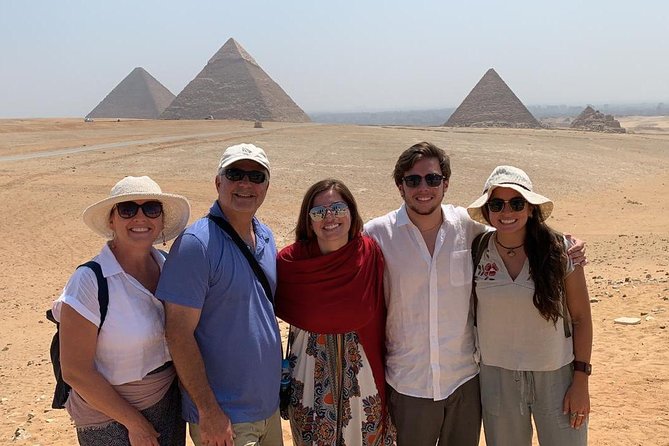
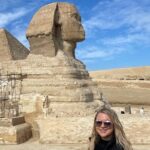
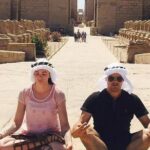
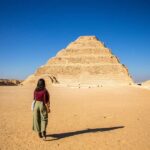
This is the day of the image you already know: the Giza pyramids and the Sphinx. The tour builds in enough time to linger, take photos from the classic angles, and add camel riding as part of the experience around the plateau.
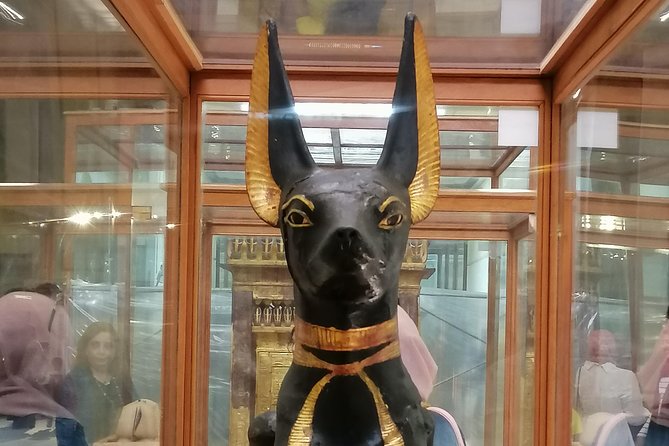
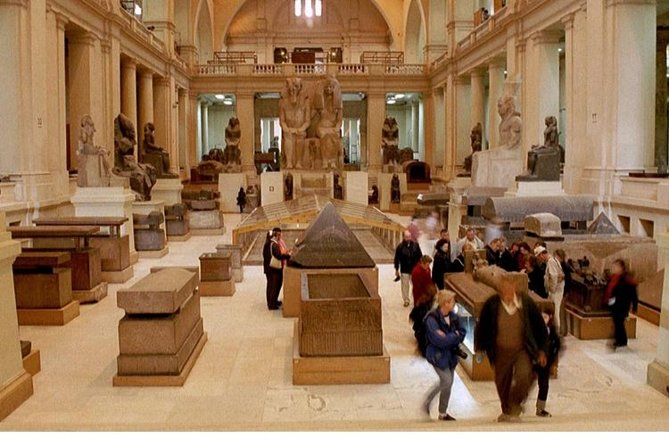
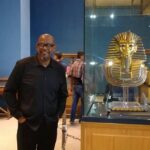
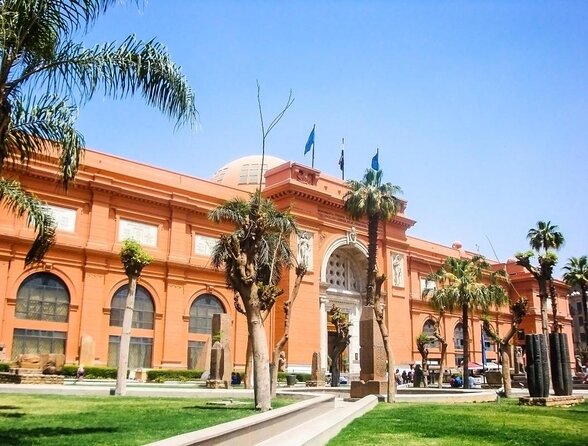
Next comes the Museum of Egyptian Antiquities (Egyptian Museum), which is famous for its huge collection—about 120,000 items overall, with a representative selection on display. If you want the quick “what am I looking at?” layer for the sites later in the trip, this museum stop helps you connect objects to stories.
Then the day shifts to historic Cairo at Khan el-Khalili, one of the city’s major souks in the old Islamic center. Expect busy streets, strong atmosphere, and the kind of souvenir browsing that can also be surprisingly educational once your guide explains what you’re seeing.
A small caution: Day 2 is big. Plan to pace yourself, drink water often, and treat shade breaks as part of the program, not an interruption.
Day 2 Extra Context: Mosques and Old Cairo Churches Fit the Same Story
The tour description includes time to see Cairo’s mosques and old Cairo churches alongside historic market life. That’s a smart pairing, because Cairo isn’t one timeline. It’s layers: ancient foundations, Islamic Cairo’s street life and worship spaces, and Coptic Christian heritage nearby.
You’ll feel the difference most when you leave the tourist-zone gaze and step into places where people still use the space. Your guide’s role here is key: they help you read the building shapes and the symbolism without turning the day into a lecture marathon.
Day 3 Alexandria’s Roman Core: Catacombs, Pompey’s Pillar, and a Coastal Fortress
Alexandria is often treated as a side quest. Here, it’s a full day, and that’s the right move.
You’ll start with Roman archaeology, including the Roman Amphitheater area around Kom el-Dikkah. Then comes the Catacombs of Kom el Shoqafa, famous enough to be called one of the Seven Wonders of the Middle Ages. This stop is memorable because it feels like you’re stepping into a different kind of Egypt—less pyramid-cut stone, more underground burial architecture and layered styles.
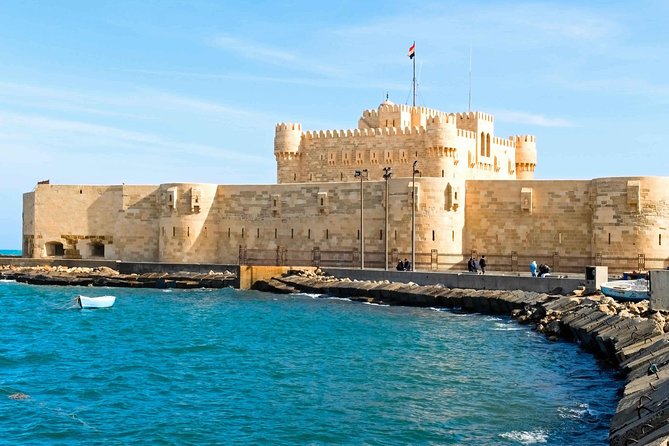
Pompey’s Pillar follows, a Roman triumphal column at the Serapeum area. From there, you get a defensive coastal moment at the Citadel of Qaitbay, perched along the Mediterranean side. It’s the kind of place where sea wind makes the walk feel shorter, even if your legs are already done.
The day closes with the Great Library of Alexandria area. Even if you’ve read about it before, the setting helps: it’s tied to the idea of the ancient world as a knowledge hub, and it gives Alexandria a “future looking back” feeling.

Day 4 Aswan and Philae: The Isis Temples That Were Moved to Survive
Aswan is where the Nile stops being background and starts feeling like the main character. Your highlight on this day is the Temples of Philae, about 12 kilometers south of Aswan.
What makes Philae special is the UNESCO rescue story. The temples were saved from a watery fate through a block-by-block transfer from Philae Island to Agilkia Island. So you’re not just visiting ancient stones. You’re also standing in a monument to preservation.
This is also one of the best days for a slower pace if you can. The temple setting gives you enough space to look closely, take photos without rushing, and let your guide’s explanation land.
Day 5 Double Temple Day: Kom Ombo’s Crocodile God and the Sand-Saved Horus Temple

On Day 5, you’ll visit Kom Ombo’s Temple, which stands out because it’s a double temple. One side relates to Sobek, the crocodile god. The other connects with Horus and shared Egyptian deity themes like fertility and creation myths.
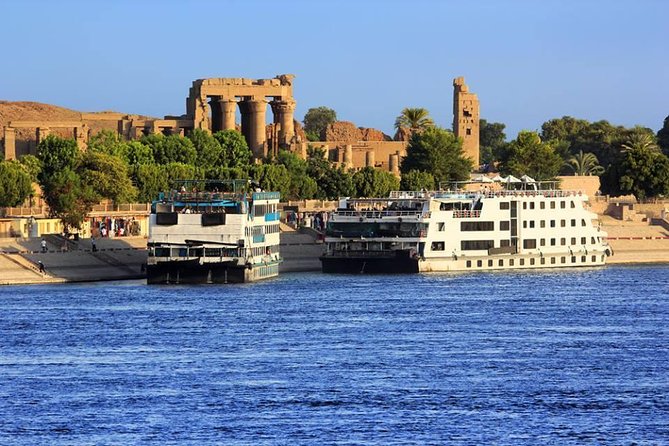
Then you go to the Temple of Horus, one of the best-preserved temples in Egypt. Here’s the reason it feels so atmospheric: desert sand filled the area after the cult restrictions that came later, and the roof remained intact. That means you get a building that reads clearly, with an interior feel that’s often hard to find in ruined sites.
If you like symbolism, this is a great day. If you don’t, it’s still visually impressive—especially when your guide connects the carving layouts to who each temple was meant to honor.
Day 6 Luxor’s Big Classic Loop: Valley of the Kings, Karnak, and Luxor Temple
This is the day that covers the “if you only have one Luxor day” list—and does it in a logical flow across the West Bank and into central temple land.
You’ll begin with the Valley of the Kings, the burial ground for many New Kingdom pharaohs. Your ticket here allows you to visit 3 tombs on site (with Tutankhamen’s tomb not included). That’s a key detail: you get depth without exhausting yourself inside too many dark chambers.
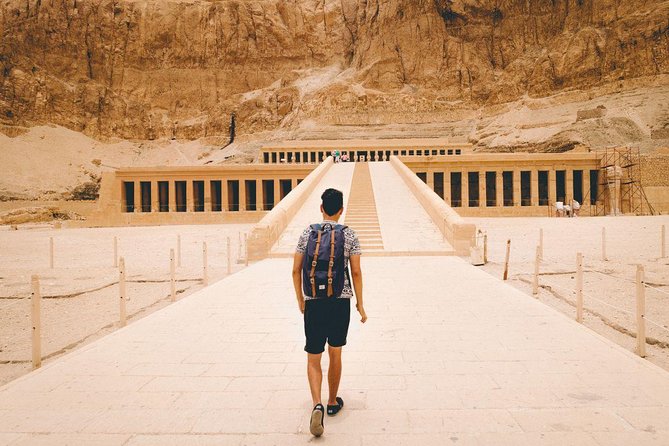
Next comes Temple of Hatshepsut at Deir el Bahari, built as a funeral temple for one of Egypt’s rare female rulers. The architecture and setting help you understand why this place is famous: it has drama in the way it sits against the cliffs.
Then you’ll see the Colossi of Memnon, two giant stone statues of Amenhotep III that have stood for more than 3,000 years west of the Nile.
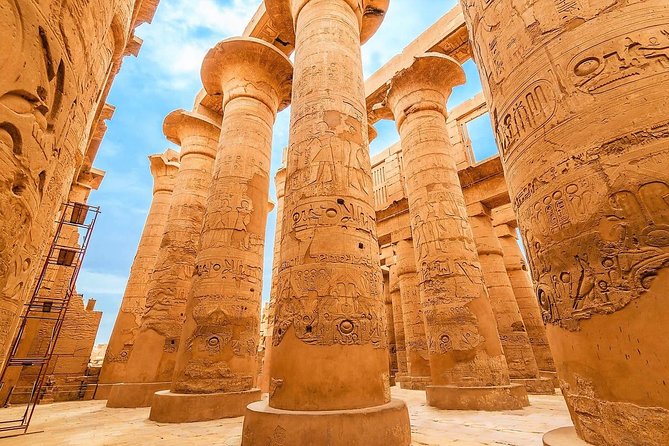
Finally, the day shifts back toward the “big temple power” feeling with Karnak Temple and Luxor Temple. Karnak is vast and takes time to absorb. Your stop includes sights like the Hypostyle Hall with its famous columns and spaces used for festivals. Luxor Temple adds the more intimate approach: a long temple complex tied to major pharaoh builders, with an entrance area and court spaces you can actually walk through and feel the scale.
Day 7 Nile Cruise Goodbye: Checkout, Fly Back to Cairo
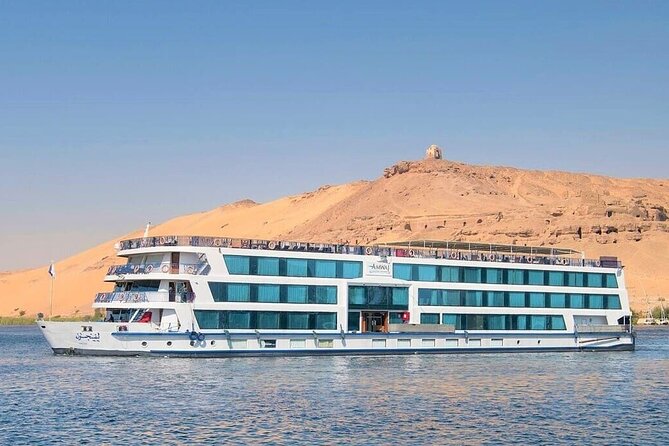
The tour includes a deluxe Nile cruise with full board while you’re on the boat. That matters because it reduces meal planning and keeps you focused on sightseeing rather than logistics.
On Day 7, you’ll check out of the cruise after breakfast and then fly back to Cairo. Once you arrive, the tour transfers you to a hotel for relaxing in Cairo, so you don’t end the day worn out in transit.
This is a smart format choice for value: you get the Nile experience without turning Day 7 into an all-day cram.
Day 8 Departure: Airport Escort So You’re Not Rushing Blind
After breakfast, a representative escorts you to the airport based on your flight details. That’s the right kind of ending for a tour like this. By Day 8 you want certainty, not another round of figuring out what time to leave, how to get through the airport, and who to call if something shifts.
Price and Value: What $2,515 Buys You (and What You Should Watch)
At $2,515 per person, you’re paying for the blend of things that are expensive and annoying to arrange on your own in Egypt: Egyptologist guidance, private transport, key-site admission tickets on multiple days, hotel and cruise lodging, and the flight component included in the package.
The value shines most if you care about pacing and coordination. This tour is designed to reduce the stress that comes from multiple drivers, multiple tickets, and constant re-routing. Even the reviews you can find for this provider emphasize that their team handles pickups and drops smoothly, with named support like Mahmoud Hefny for transfers and Ebram’s driving highlighted as a major relief in Cairo traffic.
What you should watch is simple: this is not a slow, “wander all day” trip. It’s built for seeing a lot. If you need long unstructured time, you’ll want to be honest with yourself about whether you’ll feel rushed or whether you’ll enjoy the full schedule.
The Practical Side: 24/7 Guide Support, Heat, and Time to Breathe
One of the most praised aspects of this tour is the hands-on guidance. People describe guides who are present and helpful across transfers and the boat-and-flight chain, with one highlight being a guide who stayed with the group 24/7. That kind of continuity is practical gold when you’re juggling plans in two or three cities.
You’ll also appreciate details like meal planning support. In at least one case, the guide’s suggestions for eating accommodated different diets, and the food was described as good even for picky eaters.
Finally, there’s a softer rhythm piece: one description mentions meditation time in sacred places. That’s not common on all Egypt tours, and it can make the day feel less like a checklist and more like a lived experience—especially in temples where you naturally slow down anyway.
And yes, heat is real. One group noted it was extremely hot in July, though crowds were thinner. If you travel in summer, plan your best energy for mornings and give yourself permission to rest when your body asks for it.
Should You Book This 8-Day Cairo and Alexandria with Nile Cruise?
I’d book this tour if you want:
- A structured first Egypt trip with major Cairo sights plus Alexandria’s standout Roman history
- A Nile cruise that includes full board and a move to Upper Egypt without day after day hotel changes
- A private setup where you’re not sharing your day with strangers you didn’t choose
I would hesitate if you:
- Want a super slow trip with lots of free time built in
- Get easily overwhelmed by long sightseeing days and museum-and-temple pacing
- Are expecting lots of downtime between cities
If you like your Egypt organized but still guided by real people, this is a strong match.
FAQ
How long is the tour?
It’s listed as 8 days (approximately).
What’s the main meeting time?
The meeting point start time is 8:00 am.
Is pickup and drop-off included?
Yes. The tour includes hotel/port pickup and drop-off.
Is this a private tour?
Yes. It’s described as a private tour/activity, with only your group participating.
What’s included for meals?
The package includes breakfast (6), lunch (5), and dinner (3), plus full board on the Nile cruise.
Are admission tickets included?
Admission tickets are marked as included for multiple key stops, including Giza pyramids and Sphinx, the Egyptian Museum, and several Alexandria and temple sites.
Are flights included?
The tour summary says it includes guide & flights, and the itinerary specifically includes flying back to Cairo on Day 7.
Can I cancel and get a refund?
You can cancel up to 6 days in advance for a full refund, with partial refund options available if you cancel closer to the start date.