REVIEW · HURGHADA
From Hurghada: 5 Days 4 Nights Nile Cruise Luxor-Aswan With Tours
Book on Viator →Operated by Egyptology Travel · Bookable on Viator
Five days, one unforgettable Nile rhythm. This cruise-style trip links an air-conditioned pickup from Hurghada with major ancient sites like Karnak, the Valley of the Kings, Edfu, Kom Ombo, Abu Simbel, and Philae, all while you’re on the water. I also like having an English Egyptologist tour guide to make the carvings and layouts actually make sense. One drawback to keep in mind: the day-to-day flow can feel a bit messy and rigid, with extra shopping stops and less flexibility than you might expect.
You’ll get the classic Nile “see temples by day, sail at night” rhythm, and the logistics are mostly handled for you. The pace can be full (early starts, packed sights), but that’s the deal when you cram Luxor-to-Aswan highlights into five days.
Budget-wise, the listed price is only part of the story. Plan for temple entrance fees (about $70 per person for all the sites mentioned), and note drinks and Wi‑Fi are not included.
In This Review
- Key Things to Know Before You Go
- Nile Cruise Value From Hurghada: What This Package Really Covers
- Day 1: From Hurghada to Luxor and the Karnak + Luxor Temple Connection
- Day 2: Valley of the Kings, Hatshepsut, Colossi of Memnon, Then Night Sailing
- Day 3: Edfu’s Temple of Horus and Kom Ombo’s Falcon-Crocodile Mix
- Day 4: The Abu Simbel Day and Why It’s Worth the Effort
- Day 5: Philae Temple, Aswan High Dam, Then Back to Hurghada
- Meals, Comfort, and the Reality of a Max-15 Group
- Entrance Fees, Drinks, and Wi‑Fi: The Budget Checklist I Use
- How to Keep the Schedule From Feeling Too Rushed
- Who This Nile Cruise From Hurghada Fits Best
- Should You Book This Nile Cruise From Hurghada?
- FAQ
- What time does the tour start?
- Does the price include hotel pickup from Hurghada?
- How long is the trip?
- How many nights are you on the Nile cruise?
- Are meals included?
- Is an English guide included?
- Are temple entrance fees included in the tour price?
- Are drinks included?
- Is Wi-Fi included?
- Is free cancellation available?
Key Things to Know Before You Go
- Air-conditioned hotel transfers in Hurghada save you time and stress on arrival and departure.
- English Egyptologist guide helps you understand what you’re seeing at Karnak, Luxor, and the tomb sites.
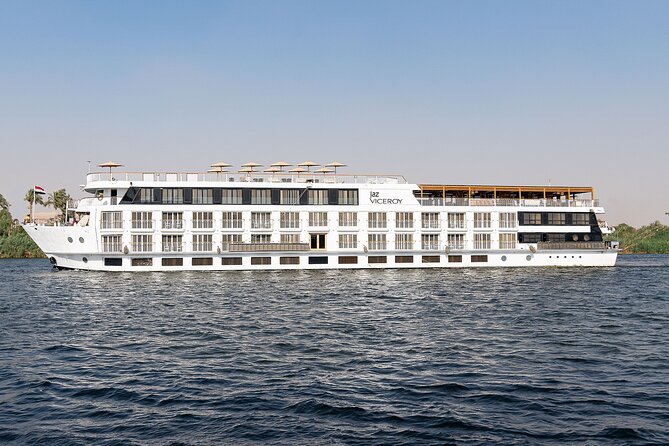
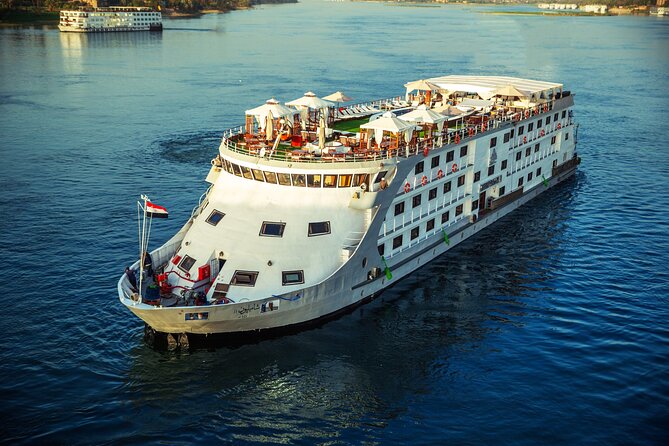
- 4 nights on a 5-star Nile boat plus included breakfast, lunch, and dinner keeps your days simpler.
- Night sailing on the Nile is a real perk, not just transportation.
- Group size max 15 means you’re not swallowed by a huge crowd, even if the schedule feels busy.
- Entrance fees aren’t included (plan around about $70 total for the temple circuit listed).
Nile Cruise Value From Hurghada: What This Package Really Covers
At $699 per person, this isn’t just “a boat ride.” The value here is the bundle: hotel transfers from Hurghada, 4 nights on a 5-star Nile cruise, an English guide, and four breakfasts, four lunches, and four dinners. For many people, that kind of all-in planning is exactly what they want when they’re visiting Luxor and Aswan.
Where the math changes is entrances. The tour doesn’t include temple tickets, and the overall estimate provided is about $70 per person for all temples mentioned. If you’ve ever done Egypt sightseeing, you know entrance fees add up quickly, so I treat that $70 as a must-budget number, not a surprise.
One more practical point: this is a guided structure. Some people love it for context. One review flagged that the scheduling can feel poorly planned and that you might get pushed toward tourist shopping stops. So you should book with your eyes open: you’ll get the temples, but the itinerary may not feel tailor-made to your pace.
You can also read our reviews of more boat tours in Hurghada



Day 1: From Hurghada to Luxor and the Karnak + Luxor Temple Connection
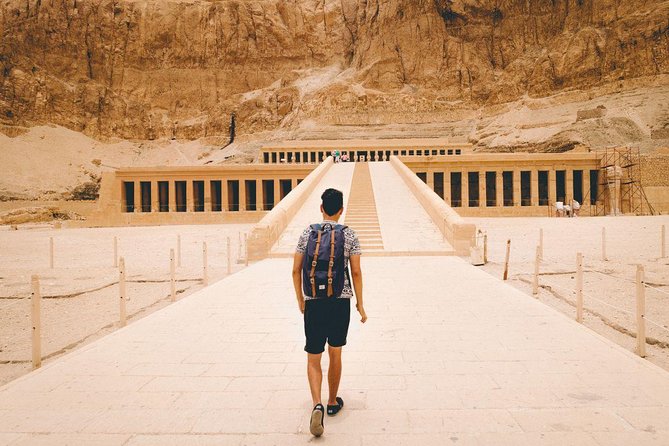
Day 1 starts early (a 6:00 am start time), then it’s an air-conditioned car transfer from your Hurghada hotel to Luxor. That’s a big deal because the drive can be the part you dread. Here, it’s organized for you, and you’re not figuring out transport on your own.
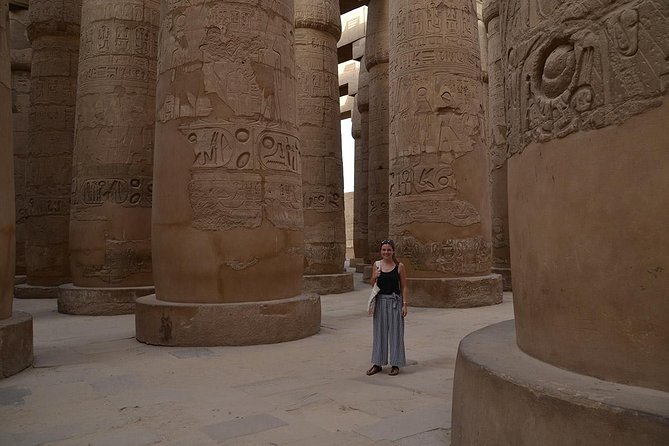
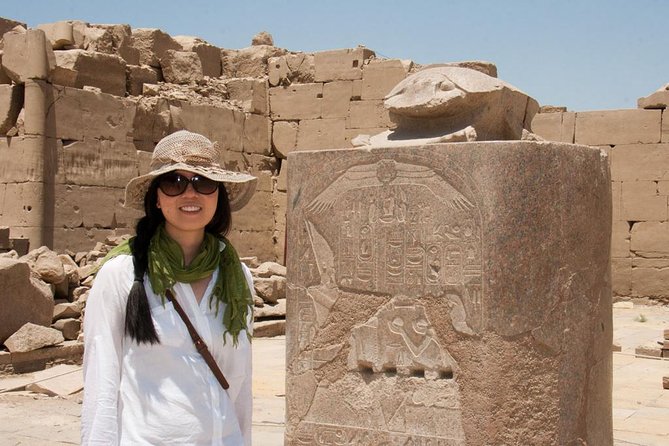
Once you reach Luxor, you check into your 5-star Nile cruise, then you jump into the temple heavyweights: Karnak Temple Complex and Luxor Temple. Karnak is huge—so huge it can feel like you’re walking through an entire city of stone. What I like is how the place teaches you to look. You start noticing that the columns, doorways, and carved scenes aren’t random decoration. They’re part of a system: gods, pharaohs, and power, shown over and over in different ways.
Luxor Temple complements Karnak in a different way. If Karnak feels like the sprawling “main power,” Luxor Temple feels more like a concentrated stage. The columns and hieroglyphs give you a cleaner view of the story being told. When you do them on the same day, your brain starts sorting symbolism faster than if you visit only one.
Time-wise, the day’s temple block is listed at about 6 hours, and entrance fees are not included. That means you’ll want to budget for tickets and also be ready for a long day right after travel.
Day 2: Valley of the Kings, Hatshepsut, Colossi of Memnon, Then Night Sailing
Day 2 centers on the Valley of the Kings. This is where the idea of “final resting place” becomes real—rock-cut tombs tucked into a landscape that was chosen on purpose. The big practical benefit of going with an English Egyptologist is that you get help reading tomb layouts and understanding why certain places mattered. And yes, the Valley includes legendary Tutankhamun, which is why people come in the first place.
You also visit Hatshepsut Temple, dedicated to the female pharaoh. Hatshepsut is one of those names you learn early in Egypt, but until you see her temple, she can feel like a footnote. Here, the temple helps you grasp how a woman ruled and still left monumental proof.
Then there are the Colossi of Memnon. These massive statues act like silent anchors, especially if you’re trying to picture a whole ancient complex when only fragments remain. Even if you’re not a statues person, they’re good for getting scale—Egyptians were always working in “bigger than life” terms.
After the sightseeing, the schedule shifts: you sail south in the afternoon and then enjoy night sailing on the Nile. For me, this is where the trip earns its “cruise” label. You’re not constantly transferring. You’re moving through the country with the water doing the hard work.
The day is listed around 5 hours for the day’s core activities, with entrance tickets not included. That means you’ll likely feel busy during the earlier hours, but the evening sailing gives you something to look forward to.
Day 3: Edfu’s Temple of Horus and Kom Ombo’s Falcon-Crocodile Mix
On Day 3 you head to Edfu and explore the Temple of Horus. It’s described as one of Egypt’s largest temples, and what matters for your experience is that it’s well preserved. That preservation helps when you’re trying to understand scenes and symbolism rather than just admiring broken stone. Horus, the falcon god, gives the site a consistent theme, so the carvings feel easier to follow.
From there you continue to Kom Ombo for the Kom Ombo Temple. This stop is distinctive because it’s shared between two divine stories: Sobek, the crocodile god, and Haroeris (the falcon aspect). That dual focus is fun because you can look at the temple and see how one place covers two belief systems side by side.
This day’s listed stop time is about 2 hours, with admission tickets not included. That’s shorter than Day 2 and Day 1, and you may feel grateful for the breathing room—or you might feel like you wanted more time on site. If you’re the type who likes slow photo walks, consider how quickly the group setting can move.
Day 4: The Abu Simbel Day and Why It’s Worth the Effort
Day 4 is where the itinerary gets serious: Abu Simbel Temple Complex. This is UNESCO-listed and known for colossal statues and detailed hieroglyphics. Even if you’ve read about Abu Simbel before, the scale is what hits first. The statues aren’t just big for show; they’re built to dominate the approach and communicate authority.
The value of going with a guide here is practical. Hieroglyphics look impressive, but they can also be overwhelming if you don’t know what you’re looking for. An English Egyptologist can point out key areas so you’re not just staring at “ancient writing,” but actually connecting meaning to layout.
Your time for this stop is listed at about 2 hours, and entrance tickets aren’t included. Also, note that the itinerary says an Abu Simbel journey, which typically means a long day compared with Luxor city stops. This is one day where you’ll feel the schedule most. If you tend to get tired easily, bring water, wear sun-protective clothing, and plan to treat this day as your main physical effort.
A few more Hurghada tours and experiences worth a look

Day 5: Philae Temple, Aswan High Dam, Then Back to Hurghada
Day 5 brings you to Philae Temple, dedicated to the goddess Isis. Like many temple sites, Philae rewards repeat looking. At first glance you see statues, walls, carvings. Second glance is where you start noticing patterns and how the temple’s form guides your attention.
You also visit the Aswan High Dam. This is the modern layer of the Egypt story: ancient civilizations engineered with stone and math, and modern engineering reshaped the landscape with a different kind of power. Including the dam is a smart way to break up the pure-ancient flow and show how Egypt’s relationship with the Nile is ongoing.
After that, you conclude with an air-conditioned transfer back to Hurghada. That matters because the day ends with real travel time. If you’re booking this from Hurghada, you’re essentially choosing a “see it all” route, so you’ll want to keep your last-day energy for getting comfortably back to your hotel.
The time block listed for this day’s key stops is about 2 hours, and entrance fees still don’t include tickets.
Meals, Comfort, and the Reality of a Max-15 Group
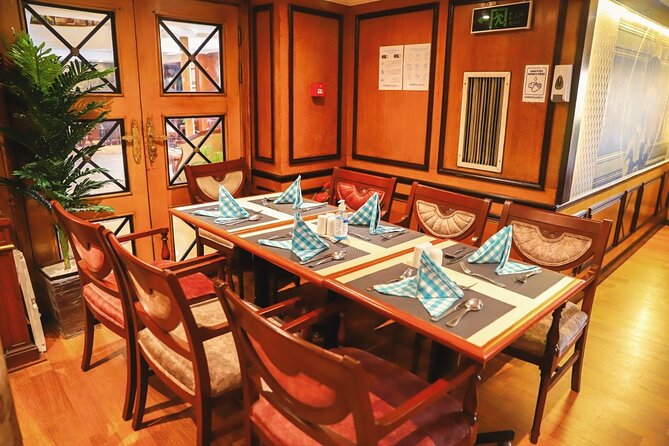
The tour includes breakfast, lunch, and dinner for four days, so you don’t have to hunt for food between temples. That’s one of the underrated benefits of a package: fewer decisions when your day is already crowded with sights.
On a max of 15 travelers, you’re not stuck in a mass group where the guide is shouting and you’re losing everyone. Still, it’s coordinated. Expect that once you’re at a temple, you’ll follow the pace of the group and the guide’s timing, especially around photo spots, restroom breaks, and ticketing.
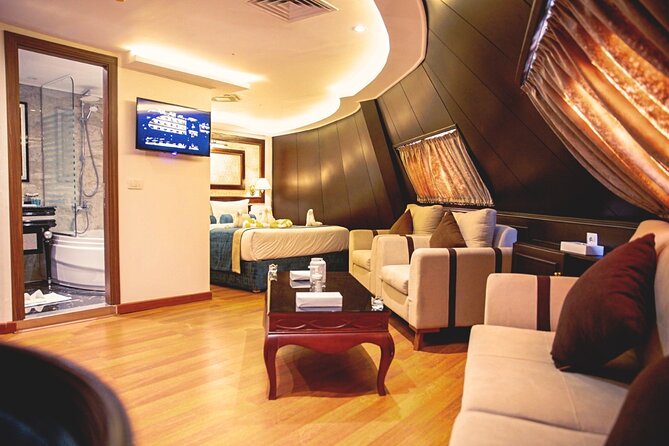
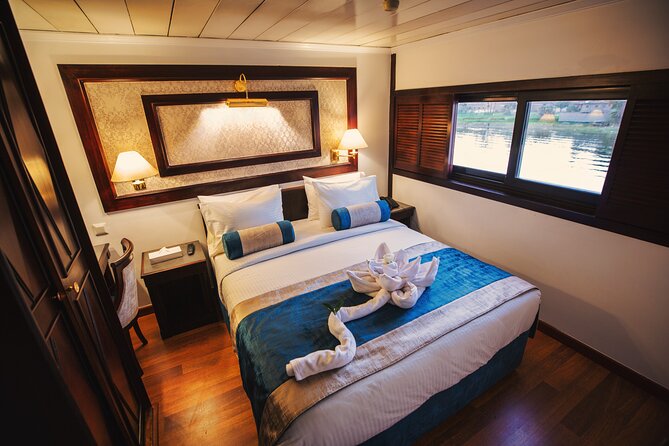
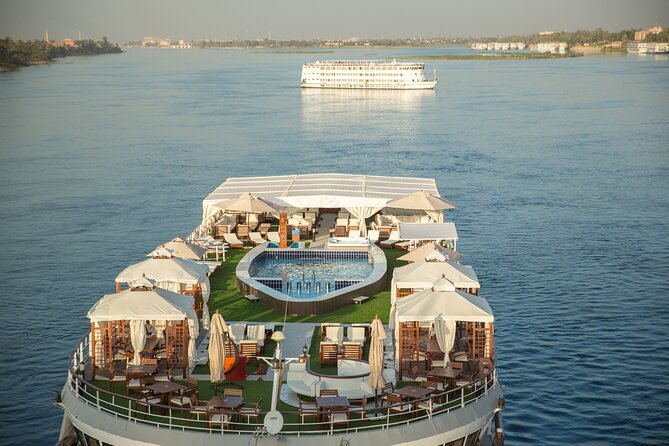
The cruise is listed as 5-star, but since “5-star” can mean different things from boat to boat, I suggest thinking of it as comfort and service level, not luxury spa life. What you should count on from the included package is that the meals are covered and the major logistics are taken care of.
One review specifically mentioned the personnel taking good care of people. That lines up with what you want on a Nile cruise: someone who handles basics so you can focus on temples and river views.
Entrance Fees, Drinks, and Wi‑Fi: The Budget Checklist I Use
Here’s the budget reality check before you fall in love with the idea and forget the fine print.
Not included:
- Entrance fees, estimated at about $70 per person for all temples listed
- Drinks
- Wi‑Fi
So when you compare price, I always add entrance fees to the headline number. That gives you a truer sense of total cost for your trip.
Also, plan for drinks separately. If you like bottled water, soda, or coffee, budget for it. Egyptian sightseeing days can run hot, and you don’t want to be saving drinks to stretch a tight budget.
Wi‑Fi not being included means you should assume limited connectivity unless your boat provides it independently. If you need internet for work, downloads, or maps, download what you need before you go.
How to Keep the Schedule From Feeling Too Rushed
One concern from a review is that the organization of the days can feel brouillon—not tight and smooth—and communication can be imperfect. Another complaint was that there are tourist shopping stops that some people felt were built in.
So here’s how I’d protect your experience:
- Arrive mentally ready for a full itinerary. This isn’t a relaxed, slow-temple weekend.
- If shopping stops aren’t your thing, set a rule for yourself before the day starts: short stop, no wandering, then back to the group.
- Ask the guide (politely) when you’ll be back on the vehicle and how much time you’ll get at each site. The sooner you know, the less stressful it feels.
- Keep your energy for the big moments: Karnak, Valley of the Kings, and Abu Simbel. Those are the places where time constraints hurt the least, because the scale is so strong.
If you’re the kind of traveler who hates being “herded,” you might feel frustrated even with an excellent guide. On the other hand, if you like structured sightseeing, the guide support can be a big win.
Who This Nile Cruise From Hurghada Fits Best
This tour fits best if you want:
- An organized Luxor-to-Aswan temple route
- An English guide to explain what you’re seeing
- A comfortable base on the water with meals included
- A group size that’s capped at 15
It’s also a good match for most travelers physically, since the note says most people can participate. That said, expect lots of walking inside temple areas and early starts. If you have mobility limits, you’d want to plan carefully around uneven stone floors and the pace of group transitions.
I think this is ideal for first-timers to Egypt who want the big-name sites without building the logistics themselves.
If you’re an ultra-independent traveler who wants total control over pacing and hates added stops, you may feel the friction the review flagged. You can still enjoy the temples, but your experience will depend on how flexible you stay.
Should You Book This Nile Cruise From Hurghada?
I’d book it if you want a structured, guided Nile trip with 4 nights on a 5-star boat, included meals, and a clear route across Luxor and Aswan’s top sites. The value is strongest when you treat the listed price as a package plus the entrance fee budget, because the comfort and guide support are doing real work for you.
I would hesitate if you know you hate rushed schedules, shopping detours, and inconsistent day flow. In that case, you might still want the cruise experience, but with a plan to protect your time at the main temples and not let extra stops eat your energy.
Overall: this is a classic Nile highlights route with strong guidance and solid convenience. Just go in expecting a busy itinerary, not a slow vacation.
FAQ
What time does the tour start?
The start time is listed as 6:00 am.
Does the price include hotel pickup from Hurghada?
Yes. You get transfer from and to any hotel in Hurghada by air-conditioned car.
How long is the trip?
It runs for 5 days (approximately).
How many nights are you on the Nile cruise?
You’ll have 4 nights on a 5-star boat.
Are meals included?
Yes. Breakfast (4), lunch (4), and dinner (4) are included.
Is an English guide included?
Yes. An English Egyptologist tour guide is included.
Are temple entrance fees included in the tour price?
No. Entrance fees are not included, and they’re estimated at about $70 per person for all temples mentioned.
Are drinks included?
No. Drinks are not included.
Is Wi-Fi included?
No. Wi-Fi is not included.
Is free cancellation available?
Yes. You can cancel up to 24 hours in advance for a full refund.