REVIEW · ASWAN
4-Days Nile Cruise Aswan To Luxor, Abu Simbel ,Nubian Village & Balloon & Tours
Book on Viator →Operated by Nile Prince Travel · Bookable on Viator
Four days, three huge temples, one sunrise balloon. I like how this Aswan-to-Luxor cruise packs Abu Simbel and a hot-air balloon ride into a tight schedule, with a real Egyptology guide keeping the story straight. I also enjoy the easy rhythm onboard: buffet meals and evening entertainment make the ship feel like a social hub, not just a floating hotel. One big thing to plan for: entrance fees for many sites are not included, so you’ll need extra cash once you’re there.
I’m also a fan of the “more than monuments” moments. The Nubian stop includes a motorboat ride to Soheil Island and time with Nubian families, where you can ask questions and see daily life up close. In the better-run parts of the trip, guides make a difference too—names like Ahmet (and his team) in Aswan, and Mohamed or Macmud for other segments, show up in the best experiences.
You will start early. Abu Simbel kicks off around 4:30 a.m., and the balloon day is another sunrise push (about 5:00 a.m. pickup), so if you’re sensitive to morning alarms, build that into your expectations. Also remember the balloon depends on weather, so the plan may shift if conditions aren’t right.
In This Review
- Quick take: what makes this cruise tick
- Aswan-to-Luxor in 4 days: what the schedule really feels like
- Day 1 in Aswan: High Dam, Philae, then Nubian Village on the water
- Aswan arrival and cruise check-in timing
- Aswan High Dam: modern engineering in plain view
- Philae Temple: Graeco-Roman temple on an island
- Nubian Village by motorboat: the part that feels personal
- Day 2: Abu Simbel by early pickup, plus Kom Ombo’s dual temple idea
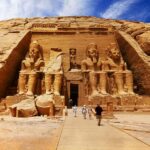
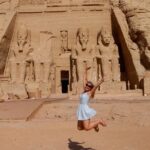
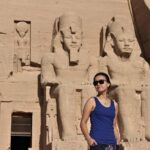
- Abu Simbel Temple Complex: long day, big payoff
- Kom Ombo: Sobek and Horus in one temple space
- Day 3: Edfu by horse carriage, then Luxor Temple in the late afternoon
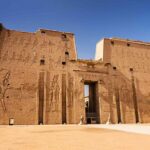
- Temple of Horus at Edfu: one of the best-preserved stops
- Luxor Temple: evening timing and Theban Triad worship
- Day 4: Colossi of Memnon, sunrise balloon, Valley of the Kings, Hatshepsut, and Karnak
- Sunrise balloon: the view you can’t get any other way
- Colossi of Memnon: a quick, included stop before the tombs
- Valley of the Kings: plan for a focused visit
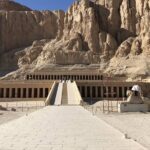
- Deir el Bahari and Hatshepsut: architecture with a personal story
- Karnak Temple: the biggest collection day’s energy can handle
- Food, Wi‑Fi, and onboard entertainment: the “rest day” you actually get
- Price and what you still pay: value check before you go
- Who should book this cruise, and who should skip it
- Should you book this Aswan-to-Luxor cruise?
- FAQ
- What does the tour cost, and is it per person?
- How long is the cruise and how many nights are you on board?
- What meals are included?
- Are entrance fees included for the temples?
- Is the Abu Simbel trip included, and when does pickup happen?
- Is the hot-air balloon included?
- What about weather—what happens if the balloon can’t fly?
- Does the tour include Wi‑Fi?
- Where do you start and where do you end the tour?
Quick take: what makes this cruise tick
- Abu Simbel as a guided, early-morning priority (around 4:30 pickup)
- Hot-air balloon at sunrise over Luxor’s west bank (entrance included)
- Nubian Village visit via motorboat to Soheil Island with a welcome drink
- Edfu Temple of Horus reached by horse carriage (included)
- Evening programming on board: from belly dance to galabia parties and disco nights
- Free Wi‑Fi up to 4GB for the ride time
Aswan-to-Luxor in 4 days: what the schedule really feels like
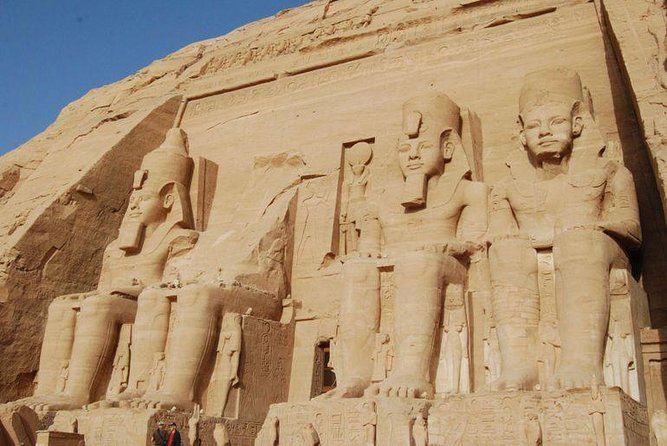
This is the kind of Upper Egypt trip that tries to hit the headline sites without wasting half your day on empty transport time. You’re on a Nile cruise for three nights, so you travel with your hotel attached, and the itinerary cycles through Aswan area highlights, then Nubia and Abu Simbel, then Edfu and Luxor, then the West Bank at dawn.
The best part of this format is pacing. Day 1 mixes major modern history (Aswan High Dam) with sacred island architecture (Philae) and then a human-scale village visit. Day 2 goes for one of Egypt’s biggest-name monuments (Abu Simbel) and pairs it with Kom Ombo, so you don’t feel like you’re “only” doing a long car ride. Day 3 slows slightly with Edfu and Luxor Temple in the late afternoon. Day 4 is the classic Luxor stack—balloon sunrise plus the West Bank temples.
If you’re the type who likes seeing a lot, this will work. If you hate moving constantly, you’ll still be okay because you return to the same ship each evening—but the early mornings are real.
You can also read our reviews of more boat tours in Aswan
- 4-Days Nile Cruise From Aswan To Luxor including Abu Simbel and Hot Air Balloon
★ 5.0 · 3,142 reviews
Day 1 in Aswan: High Dam, Philae, then Nubian Village on the water
Aswan arrival and cruise check-in timing
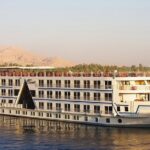
The tour meets you in Aswan and transfers you by A/C car to a 5-star Nile cruise. There’s a practical note that matters: if you arrive early, the tour may start right away rather than keeping you waiting until the 12:00 check-in time. That’s a good sign. It usually means less dead time, more sightseeing while your energy is high.
Aswan High Dam: modern engineering in plain view
You’ll visit the Aswan High Dam, a huge power and water-control project built during Gamal Abdel Nasser’s era with Soviet assistance. The provided details put the scale into numbers: it’s about 3,600 meters long, roughly 980 meters at the base, around 111 meters high, and it supports Egypt’s electricity generation impact.
I like this stop because it gives context for why Aswan matters beyond temples. Luxor gets all the ancient attention; Aswan reminds you that this region also shapes modern Egypt.
Philae Temple: Graeco-Roman temple on an island
Next up is the Temple of Philae on Philae Island in the Nile. You’ll focus on the Graeco-Roman temple complex and the location story: it helped split the Nile into two opposite canals, and it’s tied to worship of Isis. There’s also mention of other temple traditions on the island (including Hathor and Amenhotep), so you get more than one thread to look for while you walk.
Practical tip: island temples can be visually intense and easy to overthink. Keep it simple—pick one theme (Isis, or the island’s role) and let the rest be background texture.

Nubian Village by motorboat: the part that feels personal
After lunch you get a more relaxed shift to Soheil Island. You’ll take a motorboat trip slowly to enjoy the scenery, reach the Nubian Village, and receive a welcome drink inside a Nubian family home. Then you’ll walk around the village with your guide while you learn customs and daily routines.
This is also where the trip gets emotionally warm. Many memorable Egypt moments are less about stone and more about people—this stop is built for conversation, not just photos.
Potential consideration: this segment is included, but it’s still “real life,” not a staged museum. Your comfort level for walking and casual interaction will matter more than for any temple.
Day 2: Abu Simbel by early pickup, plus Kom Ombo’s dual temple idea
Abu Simbel Temple Complex: long day, big payoff
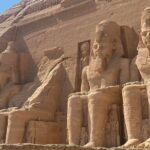
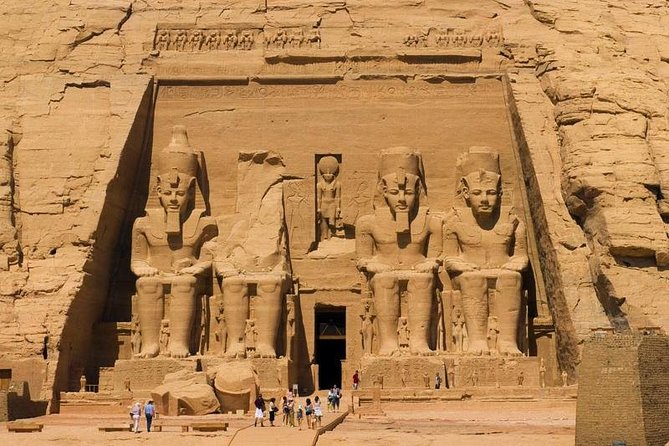
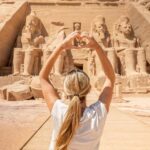
On Day 2, your guide picks you up around 4:30 a.m. for the Abu Simbel trip (shared group). The ride is long—about 290 km southwest of Aswan by the itinerary’s description—and the site is a UNESCO-listed monument of Nubia.
What you’re going for is the scale and the story. The twin temples were originally carved during Ramses II’s reign for Ramses and Queen Nefertari. That’s the kind of pairing that makes you understand why Abu Simbel is one of the “must-do” stops in Upper Egypt.
Because entrance fees aren’t included, you should expect to pay on-site or through the tour’s planned method. Also, keep your day flexible in your mind: it’s a 7-hour guided segment, and timing is tight.
Is it worth it? If you want the iconic Ramses power move, yes. But go in with realistic expectations: this is a big morning/long drive day, so don’t schedule anything intense for your evening except relaxing onboard.
Kom Ombo: Sobek and Horus in one temple space
After Abu Simbel, you arrive in Kom Ombo city for the dual Kom Ombo Temple. The itinerary highlights that it’s associated with worship of Sobek and Horus. It notes the temple began under Ptolemy VI (Sobek and Horus worship context) and that decorations were completed later in Roman-era time during Emperor Tiberius.
I like Kom Ombo as a counterweight after Abu Simbel. It feels less like a single “wow” monument and more like a place where you can actually compare ideas—two gods, and two sides of the story, all in one complex.
Time-wise, it’s shorter (about 1 hour in the itinerary), so it won’t drain you. Treat it as a focused break before you move onward.
Day 3: Edfu by horse carriage, then Luxor Temple in the late afternoon
Temple of Horus at Edfu: one of the best-preserved stops
Day 3 begins with breakfast, then a horse carriage ride to Edfu Temple of Horus. This is one of the itinerary’s “character moments” because it turns transport into part of the visit.
The temple itself is described as one of Egypt’s best preserved attractions. You’ll see it as a Ptolemaic Kingdom-era construction (between 237 and 57 BC), and you’ll get pointers on wall inscriptions that cover myth and religion in the Hellenistic period, including the sacred conflict story between Horus and Seth.
Practical consideration: this is a popular temple. The best experience usually comes when you slow down and find one inscription theme to focus on rather than trying to read everything at speed.
Luxor Temple: evening timing and Theban Triad worship
Late in the afternoon you return to the cruise dock area and transfer to Luxor Temple. You’ll explore the temple complex on the east bank, dedicated to Amun-Ra, his wife Mut, and their son Khonsu (the Theban Triad). The itinerary also mentions major building periods linked to Amenhotep III and Ramses II.
Timing matters here. Late afternoon into early evening tends to make the stone look more forgiving, and the crowds (usually) aren’t as intense as they can be midday. It’s also a nice step-by-step bridge between “day 3 sightseeing” and “day 4 west bank sunrise.”
Day 4: Colossi of Memnon, sunrise balloon, Valley of the Kings, Hatshepsut, and Karnak
Sunrise balloon: the view you can’t get any other way
Your day starts around 5:00 a.m. with pickup for a hot-air balloon flight (about 30–45 minutes) over the west bank of Luxor. The itinerary emphasizes the dawn views—sunrise illuminating the sky over the open-air museum feeling of the region, with temples and mountains below.
This is why you book a multi-day Luxor trip. A balloon doesn’t just add excitement; it gives you orientation. The temples you saw on the ground become a pattern in your mind when you see them from above.
Important note: the experience requires good weather. If conditions don’t allow the balloon flight, you should expect a date change or a full refund offer, depending on what the provider can do.
Colossi of Memnon: a quick, included stop before the tombs
After balloon time, you move on to Colossi of Memnon (entrance included). The itinerary doesn’t add extra detail on what you’ll see beyond the stop itself, so I’d treat it as a short “re-set” before the Valley of the Kings.
Valley of the Kings: plan for a focused visit
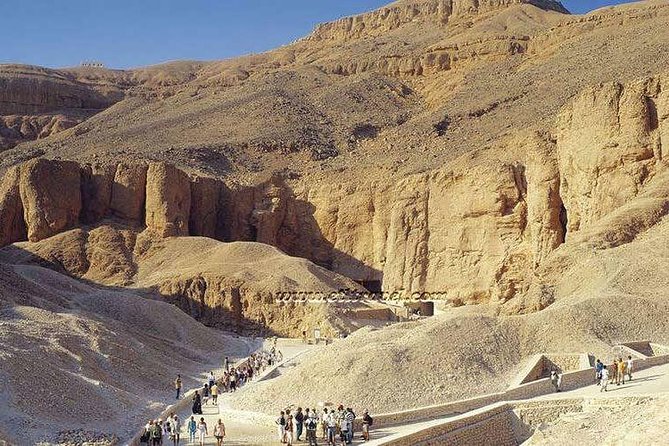
Next is breakfast and then the drive to the West Bank for the Valley of the Kings. You’ll learn that it was used for royal tombs and nobles for about 500 years, spanning the 16th to 11th centuries BC across the 18th through 20th dynasties.
Because entrance fees are not included, you’ll want to carry the money you’ll need in advance and be ready for on-the-ground decisions. Also, the West Bank can be mentally heavy—so choose a few tomb areas to prioritize if options are offered.
Deir el Bahari and Hatshepsut: architecture with a personal story
Then you go to the mortuary temple of Hatshepsut at El Deir El Bahari. The itinerary points out her story and even mentions her relationship involving her nephew. You’ll also see that it’s regarded as one of the best remaining temples built about 3,500 years ago.
If you’re tired, this is the stop where your brain can slow down. The temple’s layout gives you natural “pauses” to take in shapes and levels without needing nonstop reading.
Karnak Temple: the biggest collection day’s energy can handle
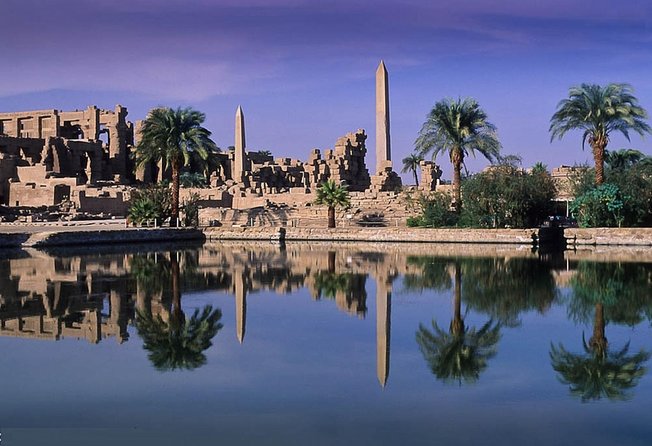
Finally, you return to the east bank to Karnak Temple, described as the largest temple complex, with construction and expansion stretching from the Pharaonic era into Roman times. It’s dedicated to Amun, Mut, and Khonsu.
Because your day is already packed, the trick is not trying to “win” Karnak by seeing everything. Treat it as a closer look at scale and how Egyptian temples built power through repetition and additions over time.
Food, Wi‑Fi, and onboard entertainment: the “rest day” you actually get
This cruise is not built around silent luxury. Meals are buffet-style: breakfast, lunch, and dinner are included, with lunches and dinners timed to match the day’s touring flow. That matters more than fancy dining because it protects your schedule. You’re not constantly searching for food between sites.
The itinerary also includes live entertainment each evening. Depending on the night, you might see a belly dance show, a galabia party, a Nubian night, or a disco. Either way, it’s a social reset after long days in the car and on stone paths.
One practical inclusion I appreciate is free Wi‑Fi up to 4GB. In theory, you can manage messages and photos without paying roaming rates, but you’ll want to use it efficiently since the data cap exists.
Cabins are described as having all facilities, and the ship experience generally aims for cleanliness and good service. In the better-run versions of this cruise setup, cabins can feel like a real base—especially when you can catch a view from inside your room.
Price and what you still pay: value check before you go
The price is listed at $370 per person. For that, you’re getting a lot of “moving parts” covered: 3 nights on the Nile cruise, a qualified Egyptology guide, hotel/port pickup and drop-off, the motorboat to the Nubian Village, horse and carriage at Edfu, and the long trip to Abu Simbel. You’re also getting breakfast and buffet meals and the included entrances named in the itinerary (including hot-air balloon entrance and Colossi of Memnon entrance).
So where’s the catch? Entrance fees are specifically listed as not included. That means once you’re on the ground, you should expect to pay for site entry for places that aren’t covered by those included entrances. If you’re budgeting tightly, this is the biggest “surprise” category to plan for up front.
My rule: treat $370 as covering the logistics and guided experience, then set aside extra for temple entrances you’ll want to visit fully.
Who should book this cruise, and who should skip it
This 4-day cruise is a great fit if you want:
- a guided “greatest hits” route through Aswan, Edfu, and Luxor
- one major extra big-ticket moment (Abu Simbel) and another iconic one (sunrise balloon)
- built-in social time on the ship through evening entertainment
It’s less ideal if:
- you hate early mornings (Abu Simbel and the balloon are sunrise-aligned)
- you strongly prefer to avoid paying additional entrance fees onsite
- you want long, slow stays in fewer places rather than a packed itinerary
If you’re a planner, you’ll do well. If you’re flexible, you’ll still enjoy it—just go in knowing the rhythm is “see a lot, then reset on the ship.”
Should you book this Aswan-to-Luxor cruise?

I’d book it if your goal is efficiency with guidance: Abu Simbel, Nubian culture time, Edfu’s Horus temple, and Luxor’s west bank sites all in one trip. The combo of boat cruising + sunrise balloon + guided temple stops makes it hard for alternatives to match the value unless you’re paying more for a longer, private plan.
I’d think twice if you’re sensitive to early pickups or if you really want entrance fees fully handled in the upfront price. In that case, you can still go, but go prepared with a clear extra-spending buffer for site entry.
FAQ
What does the tour cost, and is it per person?
The price is $370.00 per person.
How long is the cruise and how many nights are you on board?
It’s listed as 4 days (approx.), with 3 nights on the cruise board.
What meals are included?
Lunch is included on Day 1, and breakfast and dinner are included as part of the cruise plan. The itinerary also mentions buffet meals (buffet breakfast, buffet lunch, buffet dinner).
Are entrance fees included for the temples?
No. The tour lists entrance fees as not included, and it also notes that entrance to the sites is at your own expense.
Is the Abu Simbel trip included, and when does pickup happen?
Yes, the Abu Simbel trip is included. Pickup is noted around 4:30 a.m., and it’s described as a shared group transfer.
Is the hot-air balloon included?
The itinerary includes hot-air balloon entrance, and the balloon ride is scheduled early in the morning with pickup around 5:00 a.m. The experience requires good weather.
What about weather—what happens if the balloon can’t fly?
The experience requires good weather, and if it’s canceled due to poor weather, you’ll be offered a different date or a full refund.
Does the tour include Wi‑Fi?
Yes. Free Wi‑Fi up to 4GB is included.
Where do you start and where do you end the tour?
You’re met in Aswan (with pickup from the airport/railway station or hotel) and the tour ends with transfer to a Luxor hotel or to the airport or railway station.
You Might Also Enjoy
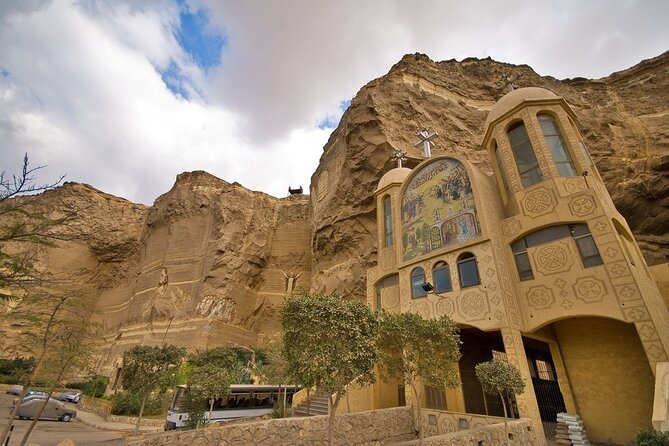
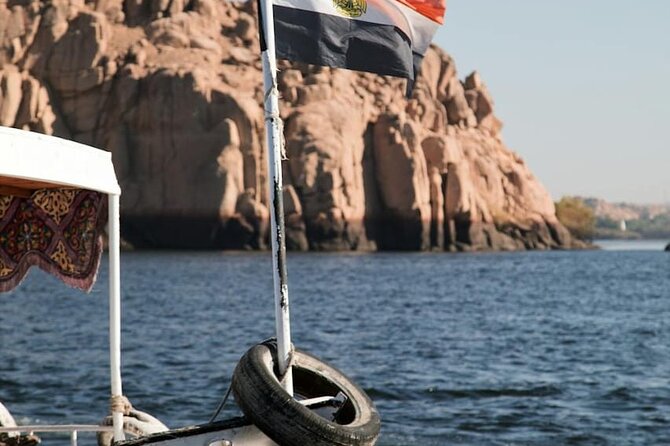
More Boat Tours & Cruises in Aswan
- 4-Days Nile Cruise From Aswan To Luxor including Abu Simbel and Hot Air Balloon
★ 5.0 · 3,142 reviews
More Tours in Aswan
More Tour Reviews in Aswan
- 4-Days Nile Cruise From Aswan To Luxor including Abu Simbel and Hot Air Balloon
★ 5.0 · 3,142 reviews