REVIEW · CAIRO
3-Day Private Tour in Cairo
Book on Viator →Operated by Capital Egypt Tours · Bookable on Viator
Cairo in three days is a win. This private package stitches together the big hits of Cairo and the surrounding necropolis sites with a private English-speaking Egyptologist and lunch included on all three days. You’ll also get round-trip hotel transfers each day, so the clock stays focused on sightseeing, not logistics.
The main catch: most major entrance fees are not included, so your final spend will depend on which tickets you buy (plus tipping). If you’re traveling on a tight budget, plan for extra costs before you fall in love with the idea of doing everything in one go.
Overall, this is a smart way to see ancient Egypt, Islamic-era Cairo, and modern museums without hopping between separate tour operators—especially if you want one guide to connect the story from place to place.
In This Review
- Quick hits before you go
- Why this 3-day private format works (and for whom)
- Day 1: Saqqara, Mit Rahina, Giza, and the Great Sphinx
- Day 2: NEMC, Saladin’s Citadel, and the Coptic core of Old Cairo
- Day 3: Egyptian Museum, Khan el-Khalili, and the Cave Church of St Simeon
- The Egyptologist guide: what the best ones do for you
- Price and value: what $196 covers, and what to budget for
- How to get the best day-by-day experience
- Should you book this Cairo private 3-day tour?
- FAQ
- Is this a private tour or a shared group?
- Does the tour include hotel pickup and return?
- What meals are included in the price?
- Are entrance tickets included for the pyramids and museums?
- What are the main stops on the itinerary?
- How much time do you have at Khan el-Khalili Market?
- Does the tour provide a ticket on a phone?
- What is the cancellation policy?
Quick hits before you go
- Saqqara + Memphis-area history in the same day: start at the necropolis, then head to Mit Rahina/Memphis to see the Ramesses II statue and artifacts
- National Museum of Egyptian Civilization (NEMC) is a big-time stop: a full 3 hours in the Fustat district with emphasis on royal mummies
- Old Cairo is not just a viewpoint: Hanging Church, Ben Ezra Synagogue, Abu Serga Church, and the Coptic Museum are part of the core plan
- Giza’s Sphinx stop is listed as free: you’ll see the Great Sphinx before or around the main pyramid time
- Day 3 blends museums and street life: Egyptian Museum, then Khan el-Khalili, then the cave church at St Simeon
- Guides like Abanoub (also called Bob) get praised for English and practical help: reviews mention expert Egyptologist knowledge and guidance on what to do and how to handle market situations
Why this 3-day private format works (and for whom)
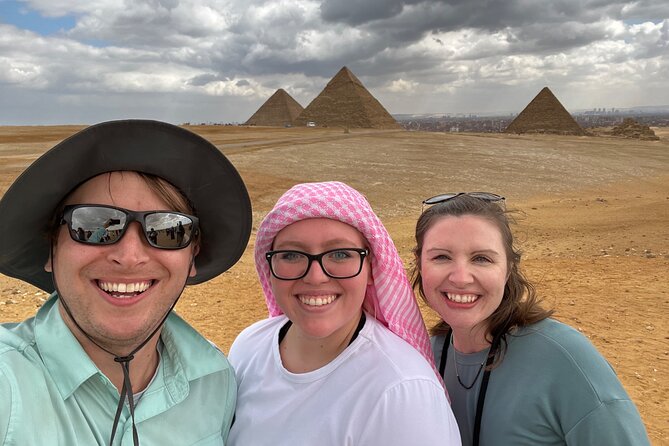
If Cairo feels overwhelming, this itinerary is built for that exact problem: too many must-sees, too little time, and a headache if you try to plan it all yourself. The value here isn’t just the sightseeing list—it’s the way your days are grouped by theme and geography.
Day 1 clusters Saqqara/Memphis history with Giza. Day 2 builds from the museum-heavy new NEMC into Saladin’s Citadel, then shifts to Old Cairo. Day 3 keeps the pace moving from the Egyptian Museum to Khan el-Khalili, then out to St Simeon’s cave church. That sequencing matters. You spend less time backtracking and more time letting the sites connect.
This plan suits you if:
- you want a single Egyptologist guide instead of juggling multiple tour companies
- you’re trying to hit ancient Egypt + Islamic Cairo + major museums in one trip
- you prefer your time structured (and your pickup handled) rather than doing constant route planning
It’s less ideal if you’re allergic to museum crowds, want maximum wandering time with no schedule, or plan to skip entrances—because the itinerary names some headline sites where entrance fees often matter.
You can also read our reviews of more private tours in Cairo


Day 1: Saqqara, Mit Rahina, Giza, and the Great Sphinx
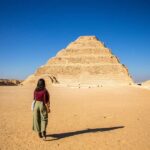
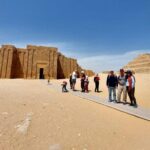
Day 1 is the heavy “ancient necropolis” day, and I like that it doesn’t just jump straight to Giza. You start at Saqqara (Sakkara) Pyramids for about 2 hours. Saqqara is best understood as the cemetery landscape for the ancient Egyptian capital of Memphis, so your guide can connect it to the bigger story of why these royal and ritual sites were placed where they were.
What you’ll feel here: Saqqara gives you a sense of scale and evolution in burial architecture. Even if you’ve seen photos of “a pyramid,” seeing the necropolis setting in person helps you understand why it became such a magnet for later kings and builders.
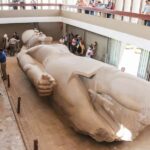
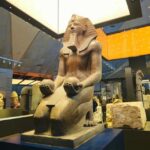
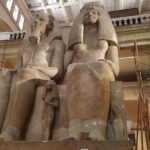
Next you go to Mit Rahina Museum (often connected to Memphis) for about 2 hours. The big draw in this stop is the colossal statue of Ramesses II and the collection of surrounding artifacts. This museum stop is smart because it gives context. You’re not only looking at monuments—you’re seeing pieces tied to the people and power behind them.
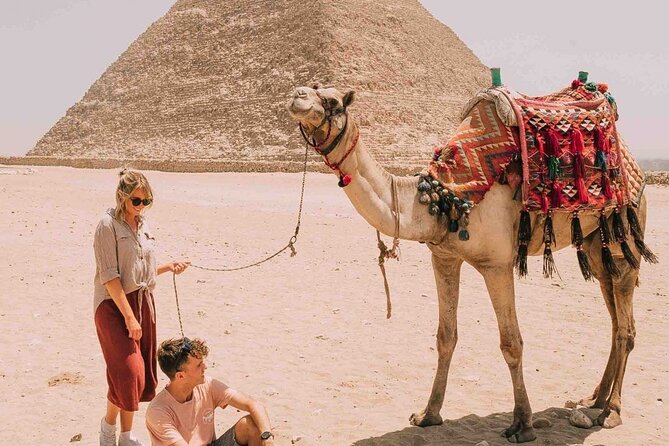
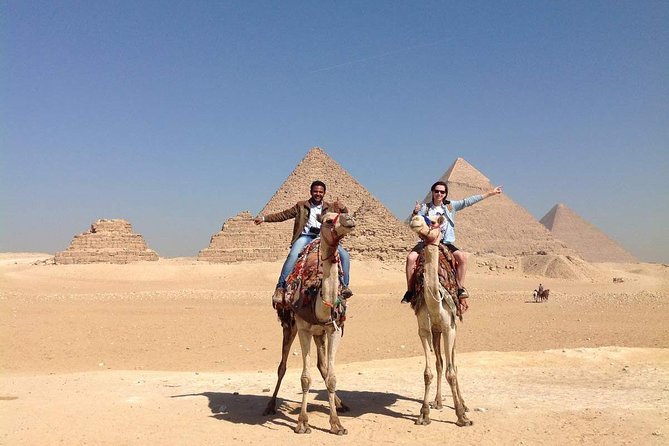
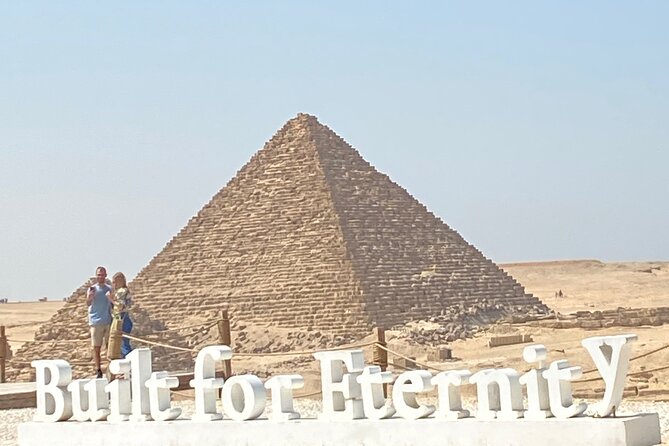
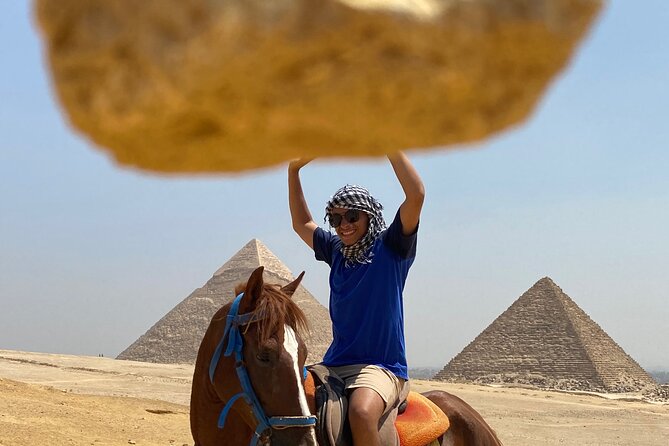
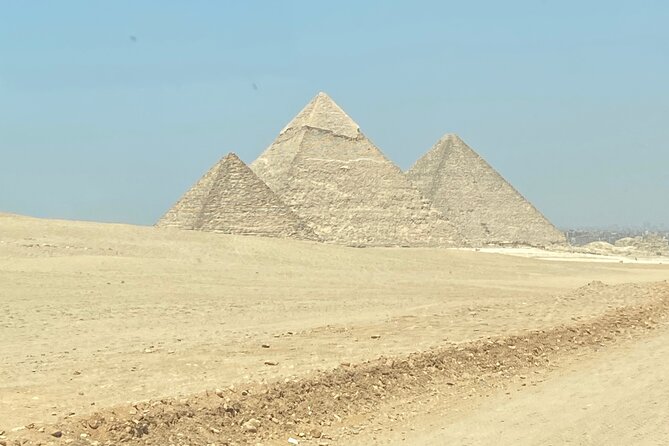
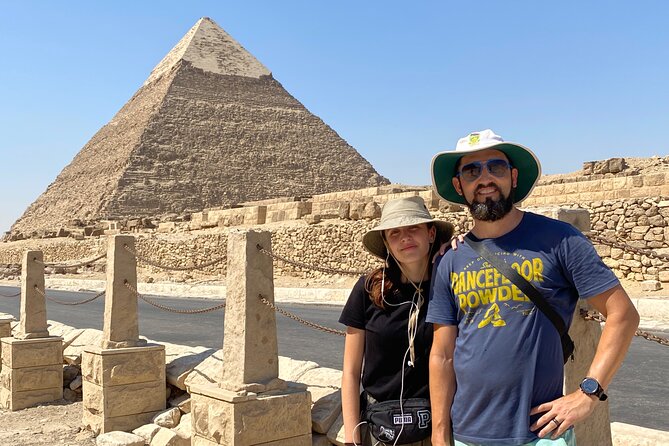
Then it’s off to Pyramids of Giza for about 2 hours. Giza needs no sales pitch. It’s one of the world’s best-known ancient sites, and it’s the only one of the original Seven Wonders still standing. Your guide’s job here is to turn “photo time” into something you actually understand: the why of the layout, how the area worked as a royal complex, and what you’re looking at when you stand in front of the structures.
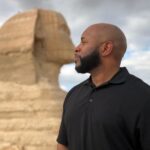
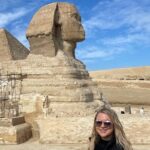
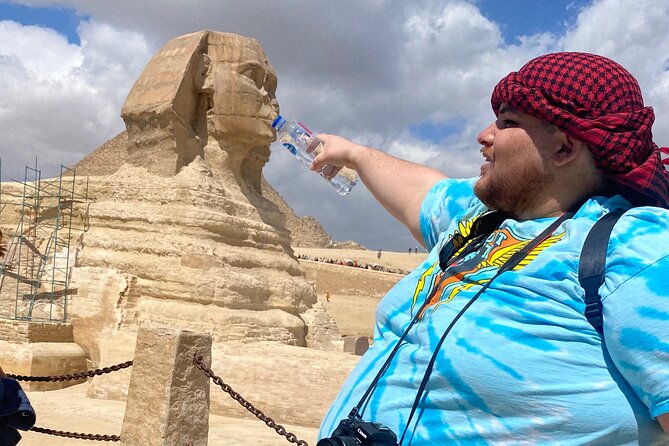
You finish at the Great Sphinx of Giza for about 1 hour. The itinerary lists the Sphinx stop as free, which is a nice budget bonus if you’re adding up entrance prices across the day. Still, plan for time to pause and really look. The Sphinx is not just an icon—it’s a monument that rewards slowing down.
Possible drawback to consider on Day 1: this is the day most likely to feel long on your feet, especially if you also want extra time for photos. Wear comfortable shoes and carry water. Bottled water is included, but you’ll still want to pace yourself.
Day 2: NEMC, Saladin’s Citadel, and the Coptic core of Old Cairo
Day 2 is where the tour shifts from pyramid country into a layered Cairo story—modern museum framing, medieval Islamic power, and then early Christian/late antique roots in Coptic Cairo.
First up is the National Museum of Egyptian Civilization (NEMC) in the Fustat district, for about 3 hours. This is your long museum block of the trip, and it’s built around an anchor theme: the museum houses mummies associated with ancient Egyptian kings. If you’ve ever wondered how to make sense of mummies beyond the shock-and-awe photos, this is the most direct stop on the itinerary for that goal.
A key value of NEMC on this tour: it’s placed on Day 2, after you’ve already started with ancient burial landscapes on Day 1. You’ll likely come to the museum with a clearer sense of what you saw and why Egyptians built these systems of worship, rule, and afterlife preparation.
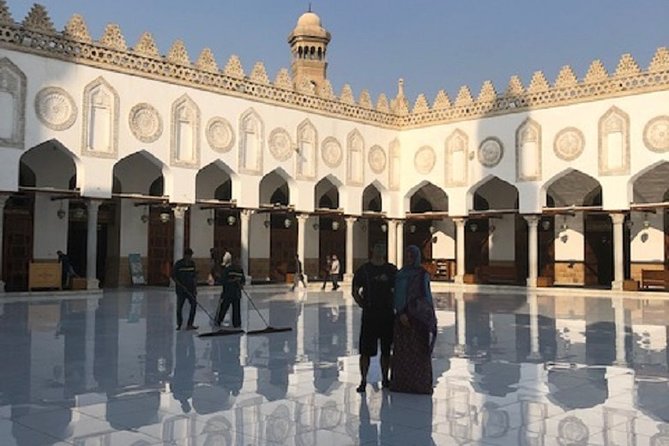
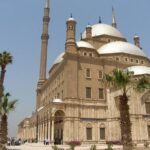
Next is Cairo Citadel (Saladin’s Citadel), about 2 hours. The itinerary notes it sits on a steep hill roughly 75 meters above Cairo, and it’s a complex of mosques, palaces, and museums tied to Saladin’s era. You’re not just touring a single building; you’re absorbing the feel of medieval power concentrated into a fortified site.
From there, the itinerary moves to Old Cairo for about 2 hours, with the emphasis on Coptic Cairo. The named stops are the Hanging Church, Ben Ezra Synagogue, Abu Serga Church, and the Coptic Museum. This portion matters because it’s not presented as a generic old-city stroll. It’s a compact way to understand Cairo’s religious and cultural layering—how multiple communities left visible marks over time.
The itinerary lists Old Cairo as free for this stop, which is a helpful cost control. Just note: even if the tour stop itself is listed as free, individual sub-sites can sometimes have their own entry rules depending on current policy. If you care about specific interiors, ask your guide what’s open on the day.
What I like about Day 2 pacing: it avoids making you choose between “new” Cairo (NEMC) and “old” Cairo (Old Cairo). You get both, and the transitions keep you from feeling like you’re repeating the same kind of sightseeing.
Day 3: Egyptian Museum, Khan el-Khalili, and the Cave Church of St Simeon
Day 3 is designed like a finale: museum anchor, market atmosphere, then a quiet spiritual stop outside the usual street rhythm.
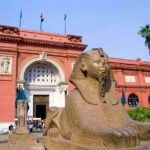
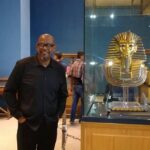
You start at the Egyptian Museum in Cairo at Tahrir Square for about 2 hours. The itinerary describes it as a centerpiece of the square and a long-time mecca for Egyptologists. Even if you don’t know every artifact name, the museum’s reputation helps you understand why it became a “must” for anyone serious about ancient Egypt. This is where your guide can connect the dots between monuments you’ve seen outside and objects that survived inside collections.
From there you shift into street life with Khan el-Khalili Market for about 2 hours. The plan frames it as an old Arab souk with spices in the air, trade in the alleys, and plenty of objects to browse or buy. This is a good slot for you if shopping is part of your travel goals—because you’re not trying to do it while half-distracted by fatigue from the pyramids.
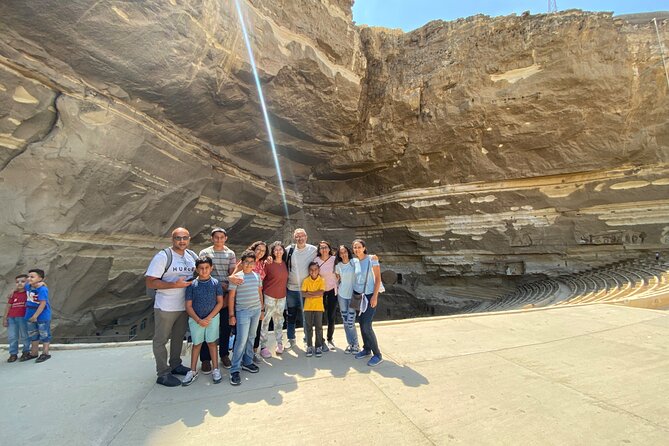
And then, a sharp change of pace: St Simon the Tanner Monastery, specifically the cave church of St Simeon, for about 2 hours. The itinerary notes it’s carved into a cave on a ridge of Muqattam Hill. If you like your sightseeing to have a moment of stillness after busy streets, this stop is a strong way to end.
One consideration for Day 3: it mixes very different kinds of time—museum viewing, market browsing, and a more grounded, location-specific visit. If you like to fully absorb museums, make sure you don’t treat Khan el-Khalili as a rushed checkbox. Take advantage of the 2 hours so it feels like an experience, not a sprint.
The Egyptologist guide: what the best ones do for you
This tour is built around an Egyptologist guide, and the reviews provide clues about why that can make or break the experience. Guides such as Abanoub (also mentioned as Bob) are praised for being certified Egyptologists with deep knowledge across history, art, and culture, plus good English. One review also highlighted a habit of sharing rare photos, which can be a game-changer when you’re standing at monuments that are hard to “read” at street level.
Another theme: guides are described as professional, friendly, and practical. In one review, the guide helped with “dos and don’ts,” and in another, the guide provided help with negotiating in the market. Even if you don’t plan to bargain, that kind of support matters because it helps you navigate the social side of Cairo—how to handle attention, how to keep the day moving, and how to avoid wasting time.
I also like that the itinerary is private. That means the guide can adjust to your pace—lingering at Saqqara details if you’re into architecture, or speeding up if you prefer sweeping views over slow inspection. With major sites like the pyramids and the Egyptian Museum, control of pacing is not small.
A few more Cairo tours and experiences worth a look



Price and value: what $196 covers, and what to budget for
At $196 per person for a 3-day private tour, the headline value is what you’re getting in structure:
- Private Egyptologist guide
- Daily hotel pickup and return transfers
- Bottled water during your trip
- Lunch (3)
- Taxes and service charge
That’s not just comfort—it’s time saved. If you’ve ever tried to assemble Cairo logistics on your own, you know how quickly the day gets eaten by coordinating rides and entrance lines.
The major thing not included is also clearly stated: admission tickets. That likely affects stops like Saqqara, Mit Rahina Museum, the Pyramids of Giza, the NEMC, the Cairo Citadel, and the Egyptian Museum. The itinerary lists the Great Sphinx and Old Cairo, plus St Simeon and Khan el-Khalili, as free for the tour stops, which helps. Still, plan a separate budget for the big-ticket museum and pyramid entrances.
Also remember: tipping isn’t included. That’s common in Egypt, and your guide will be part of why the day feels smooth. If you’re calculating total trip cost, treat tipping and entrance fees as the two likely add-ons.
If you’re deciding between this and cheaper group options, I’d view it like this: you’re paying for a single guide, no time lost switching tours, and the fact that you have a curated route across Cairo’s most important areas.
How to get the best day-by-day experience
A private tour can feel amazing or frustrating depending on how you prep. Here’s what I’d do based on the flow of this itinerary:
1) Plan your energy for Day 1 and Day 2. Those are your longest, most “structured” days: multiple stops, major monuments, and big museum blocks.
2) Use lunch wisely. Lunch is included all three days, so treat it as your anchor meal and then keep snacking minimal between stops to avoid energy crashes.
3) Bring a small plan for photos. At Giza and the Egyptian Museum, you’ll want both wide views and close inspection time. If your phone storage is full, fix it before you go.
4) Ask your guide one “why” question per stop. Your best payoff from an Egyptologist guide isn’t memorizing every fact—it’s understanding what makes each place significant. The guides in this program are praised for explaining context, not just pointing.
Should you book this Cairo private 3-day tour?
Book it if you want one organized route through Cairo that covers Giza and Saqqara, Old Cairo, the new NEMC, and the Egyptian Museum, with a guide who’s been praised for professionalism and strong English. The included lunches and hotel transfers are the kind of extras that quietly make the trip smoother.
Skip it or compare options if your budget can’t absorb entrance ticket costs on top of the base price, or if you prefer long unstructured wandering with no set order.
If your goal is to see Cairo’s key sites efficiently—without spending your whole trip figuring out where to go next—this is a solid choice.
FAQ
Is this a private tour or a shared group?
This is a private tour/activity, and only your group participates.
Does the tour include hotel pickup and return?
Yes. Pickup services from your hotel and return are included, with round-trip daily transfers each day.
What meals are included in the price?
Lunch is included on all three days of the tour, and bottled water is provided during your trip.
Are entrance tickets included for the pyramids and museums?
No. Admission tickets for the listed sites are not included (unless the itinerary specifically marks a stop as free).
What are the main stops on the itinerary?
The three-day plan covers Saqqara, Mit Rahina Museum, Giza and the Great Sphinx (Day 1); NEMC, Cairo Citadel, and Old Cairo’s Coptic sites (Day 2); Egyptian Museum, Khan el-Khalili Market, and St Simeon’s cave church (Day 3).
How much time do you have at Khan el-Khalili Market?
You have about 2 hours at Khan el-Khalili.
Does the tour provide a ticket on a phone?
Yes. A mobile ticket is included.
What is the cancellation policy?
Free cancellation is available up to 24 hours in advance for a full refund. If you cancel less than 24 hours before the experience starts, the amount you paid will not be refunded.