REVIEW · CAIRO
2 Days Tour to Around Cairo Attractions
Book on Viator →Operated by Cleopatra Egypt Tours · Bookable on Viator
Cairo in two days is a whirlwind. I like that you start with the Egyptian Museum at Tahrir Square (including the King Tut exhibit) and then move to the Giza Plateau for an expert intro to Cheops, Khafre, and Menakaure. I also like that you’re picked up in Cairo or Giza, then kept moving with a guide who helps you make sense of what you’re seeing. One drawback: entry fees are not included, so you’ll want to budget separately for the sites.
Day 1 focuses on the heart of Cairo—downtown museum time, then up to the Citadel area for big views and iconic architecture, including the Alabaster Mosque of Mohammed Ali. I also appreciate that lunch is included twice, so you’re not hunting for food between monuments while the day races by. Dress is smart casual, which keeps things simple.
On Day 2, you’ll start early, head to Giza (about 30 minutes from Cairo), and finish with Sakkara’s ancient stone structures. Guides named in people’s experiences—like Mimmo and Mohammad—are often praised for clear explanations and great photo help, and the same goes for other guide names connected to this operator, such as Franco and Massimo. Best of all, the group stays small, with a maximum of 15 people.
In This Review
- Key highlights worth your time
- Egyptian Museum at Tahrir Square: Your Story Starter for Egypt
- Citadel of Saladin and Old Coptic Cairo: Mosques, Towers, and Big City Views
- How the Day Stays Manageable: Pickup, Private Guide Time, and Lunch
- Giza Plateau: Cheops, Khafre, Menakaure, and the Sphinx
- Sakkara Necropolis: The Oldest Major Stone Structures
- Price and Value: Is $165 for Two Days a Good Deal?
- Who This Two-Day Cairo Plan Fits Best
- Should You Book This Tour?
- FAQ
- What time does the tour start?
- Is pickup and drop-off included?
- Do I get an Egyptologist guide?
- How big is the group?
- What meals are included?
- What sites does the tour cover?
- Are entry fees included in the $165 price?
- Is the Egypt entry visa included?
- What’s the dress code?
- Is cancellation free?
Key highlights worth your time
- Egyptian Museum first: a fast way to understand what you’ll see at the pyramids
- Citadel + Alabaster Mosque views: a classic Cairo skyline moment
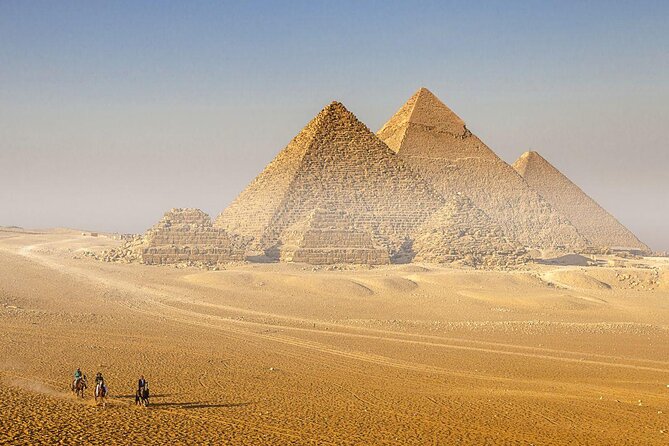
- Giza Plateau guide intro: Cheops, Khafre, Menakaure, plus Sphinx time
- Sakkara necropolis: see the world’s oldest major stone structures
- Included lunch twice: fewer logistics headaches on a packed schedule
- Small group size (up to 15): easier pacing and better attention
Egyptian Museum at Tahrir Square: Your Story Starter for Egypt
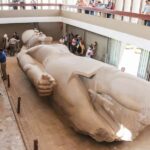
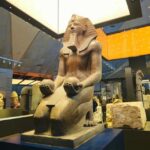
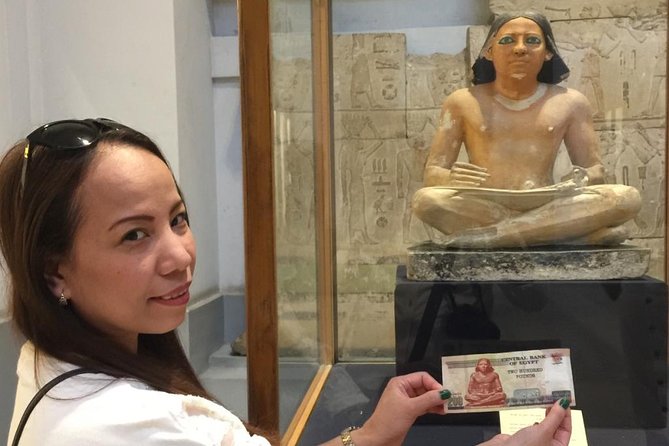
If you only have two days, the Egyptian Museum is a smart first stop. You’ll be looking at some of the most famous artifacts in the country, with a rare collection of over 250,000 genuine pieces spanning about 5,000 years. The big reason I like this approach is that it gives you context before you face the pyramids and necropolises—Egypt stops being random “old stuff” and starts behaving like a timeline.
There’s also an exclusive exhibit dedicated to King Tutankhamon. Even if you’re not a die-hard Egypt fan, King Tut is the fastest way to get your brain in gear. You’ll come out understanding why so many later rulers were obsessed with the same themes: kingship, afterlife ideas, and the way art was used as a kind of message.
The one thing to plan for: a museum visit can feel like sensory overload. With a guide, you’ll avoid the trap of wandering from room to room with no idea what you’re actually looking at. Still, bring the mindset that you’re seeing the highlights with meaning, not trying to cover everything perfectly.
A few more Cairo tours and experiences worth a look


Citadel of Saladin and Old Coptic Cairo: Mosques, Towers, and Big City Views
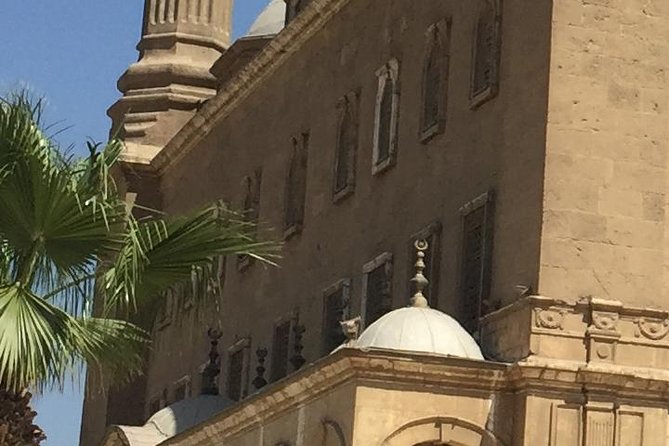
After the museum, the day shifts to one of Cairo’s most dramatic settings: the Citadel area and nearby historic neighborhoods. You’ll visit the Citadel of Saladin, built during the 12th century, a complex made up of important monuments packed into one location. Practically, this matters because it keeps walking efficient: you can take in several landmark sights without losing the whole day to travel time.
Your big architectural moment is the Alabaster Mosque of Mohammed Ali, built in the 18th century. It’s famous for a reason. Standing there, you’ll feel the contrast between Cairo’s long layers of time and how power was displayed through buildings.
You’ll also encounter more pieces inside this Citadel mix, including the mosque of Suleiman Pasha and Joseph’s Wall. That combination is why I like pairing the Citadel with Old Coptic Cairo. Old Coptic Cairo is where you get a sense of the city’s religious and cultural history in a more human scale—church-and-mosque neighborhoods rather than just isolated monuments.
One practical note: you’ll want to dress smart casual. That’s not just a rule—it helps you stay comfortable as you move between viewpoints, courtyards, and religious sites where the vibe can change quickly.
How the Day Stays Manageable: Pickup, Private Guide Time, and Lunch
The tour is designed to remove friction. You get picked up from your accommodation in Cairo or Giza by your Egyptologist guide, and you’ll also be dropped off after the sightseeing. The start time is 7:30 am, which is early enough to get moving while Cairo is still settling in.
This matters because the sites on this route are not next door to each other. With pickup and drop-off handled, you can focus on the stops instead of figuring out transit, timing, and where to meet next. The same goes for the small group size—up to 15 people. It’s not a giant bus scene, which usually means more questions, more chances to adjust pacing, and less waiting around.
Meals are included twice, which is a huge deal on a two-day schedule. In experiences connected to guides like Mimmo, people often mention fresh juices and especially good food—things like a standout falafel at lunch. You shouldn’t expect a perfect same-everywhere meal, but you can reasonably plan that you’ll be fed without scrambling, and your guide will likely know where to go for a solid stop.
Giza Plateau: Cheops, Khafre, Menakaure, and the Sphinx
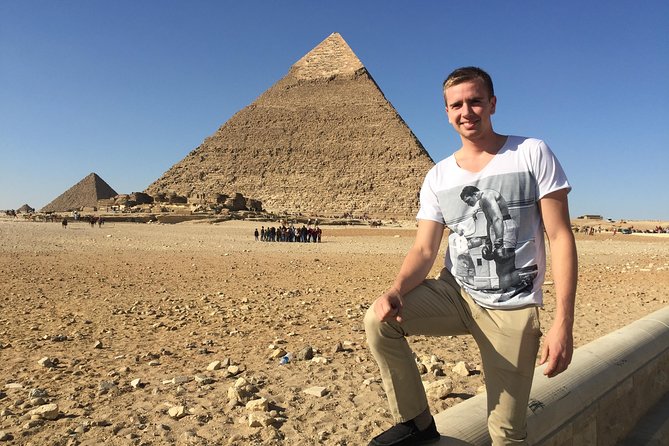
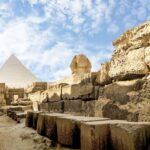
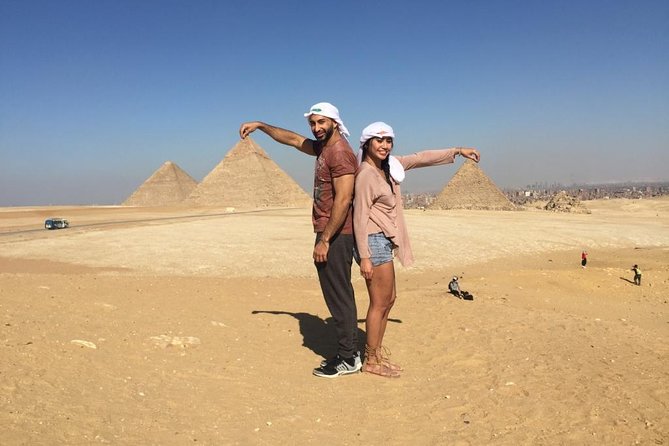
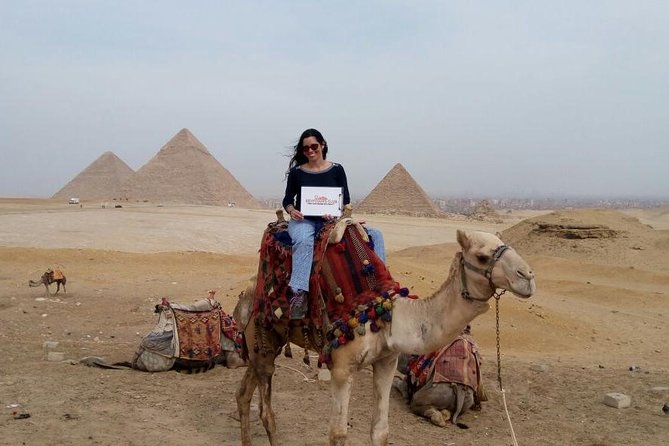
Day 2 starts with a short trip out of Cairo—about 30 minutes to the Giza Plateau. This is where the tour earns its “best landmarks” promise in a very practical way: you don’t just get to “see pyramids.” You get an intro to each one—Cheops, Khafre, and Menakaure—so you’re not standing there trying to tell them apart by vibes.
Your guide’s role is key. People connected to this operator, including guides such as Mohammad and Mimmo, are repeatedly praised for explanation and even photography help. That matters for Giza because it’s easy to think you understand it once you’re there, then realize you only know the names. With an intro, the pyramids feel more intentional.
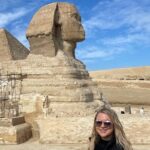
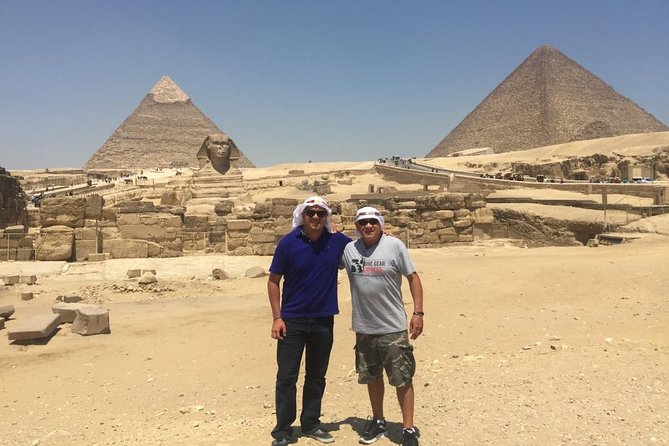
The next moment is at the feet of the Sphinx—an image that has stared back at the desert for thousands of years. Even if you’ve seen it in photos, being physically there changes the scale. You’ll also have a chance to visit the Valley Temple connected to the pyramid of Chephren. That’s a valuable add-on because it helps you see the pyramid complex as more than a single object on a plain.
If you like your sightseeing with structure, this is a strong way to do it. You get a sequence, a narrative, and the key locations in the right order.
Sakkara Necropolis: The Oldest Major Stone Structures
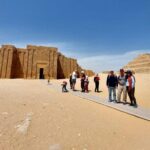
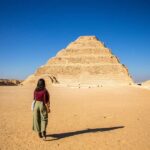
After Giza, the tour heads to Sakkara, a necropolis area that’s often described as the birthplace of major stone construction in the grand scale. The tour highlights Sakkara as home to the world’s oldest major stone structure. That’s not just trivia—it’s a way to understand why Sakkara is essential if you care about the development that leads to the pyramid era.
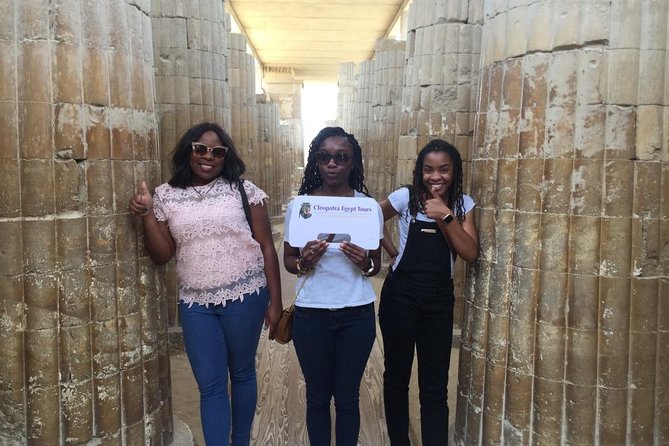
Here, you’ll tour the necropolis and see mastabas, including the Mastabas of Ti. Seeing these tomb structures helps you grasp something many first-time visits miss: the “pyramid look” didn’t appear out of nowhere. The earlier tomb forms show how ideas about royalty and the afterlife were built in stone step by step.
Sakkara is also a nice change of pace from Giza. At Giza, the attention pulls toward the biggest icons. At Sakkara, the mood can feel more focused on how architecture evolved—why certain shapes show up, and how the design language matured.
You’ll finish your two days with a sense of Egypt’s timeline stretching in both directions: older-than-you-thought stonework, and then the later monuments that gained fame for their size and clarity of purpose.


Price and Value: Is $165 for Two Days a Good Deal?
The price is $165 per person for an approximately two-day tour. For that money, you get a qualified Egyptologist guide, private tour time (and a small-group cap), hotel/port pickup and drop-off, and lunch twice. You also get a mobile ticket, which can make entry logistics easier than print-only systems.
What’s not included is important: gratuities are optional, an entry visa to Egypt isn’t part of the price, accommodation isn’t included, and all fees and taxes are not included. In plain terms, you’re paying for the guided experience and transportation—not for every ticket you might need to enter each monument.
So is it good value? It is, if you factor in the sheer list of major targets: Egyptian Museum, Citadel area sights including Mohammed Ali’s mosque, Old Coptic Cairo, Giza Plateau, Sphinx, and Sakkara. If you tried to assemble that yourself, you’d spend lots of time coordinating guides, transit, and timing—and you’d still probably miss the story thread that makes the sites click.
If you dislike early mornings or you want a slow museum plan where you linger in every gallery, this may feel “too efficient.” But if you want your time in Cairo to count, the structure here is built for that.
Who This Two-Day Cairo Plan Fits Best
This tour fits best if you’re in Cairo for a short window and you want the big landmarks explained in a logical order. I especially think it’s great for first-timers who want to see Egyptian Museum, Giza, and Sakkara without turning the trip into a scheduling project.
It’s also a good match if you care about photo opportunities and clear pointing-out of what matters. Names like Mimmo and Mohammad come up often in people’s experiences for photo help and for making everything feel easier.
It might not be ideal if you want total independence or if you picture a relaxed pace with lots of unscripted wandering. This route is built to hit major sites across two days, so there’s not much time for slow detours.
Should You Book This Tour?
Yes—if you want a guided, high-impact Cairo experience that hits the museum, the Citadel area, Giza, and Sakkara in one tidy plan. The value looks strongest because you’re getting Egyptologist guidance plus pickup, drop-off, and lunches, while still keeping the group small (max 15 people).
Before you book, just do one smart check: plan for attraction fees since they’re not included in the price. If that’s not a surprise to you, this is an excellent way to make two days feel like a real Cairo story instead of a checklist.
FAQ
What time does the tour start?
The start time is 7:30 am.
Is pickup and drop-off included?
Yes. You’ll get hotel/port pickup and drop-off in Cairo or Giza.
Do I get an Egyptologist guide?
Yes. The tour includes a qualified Egyptologist guide.
How big is the group?
The maximum group size is 15 people.
What meals are included?
Lunch is included two times during the tour.
What sites does the tour cover?
You’ll visit the Egyptian Museum (Tahrir Square), the Citadel of Saladin area with the Alabaster Mosque of Mohammed Ali, Old Coptic Cairo, the Giza Plateau (Cheops, Khafre, Menakaure) including the Sphinx, and the Sakkara necropolis (including mastabas such as Ti).
Are entry fees included in the $165 price?
No. All fees and taxes are not included.
Is the Egypt entry visa included?
No. Entry visa to Egypt is not included.
What’s the dress code?
Smart casual.
Is cancellation free?
Free cancellation is available. You can cancel up to 24 hours in advance for a full refund.
![Siwa Oasis From Cairo&Giza 3 Days 2 Nights all Inclusive[Private] - Getting From Cairo or Giza to Siwa (Without Losing a Day)](https://4.theegypttraveler.com/wp-content/uploads/siwa-oasis-from-cairogiza-3-days-2-nights-all-inclusiveprivate.jpg)