REVIEW · CAIRO
2 days 1 night Luxor,Aswan & Abu simbel by flight from Cairo
Book on GetYourGuide →Operated by Egypt Nile Felucca · Bookable on GetYourGuide
Early mornings. Big temples. Tight schedule.
This 2-day, 1-night trip is a fast route through Egypt’s most famous monuments, with private transfers and flight times built into the plan so you don’t spend your whole trip just traveling. I especially like how guides focus on what you’re looking at, and how the day flows from Aswan’s highlights to Luxor’s West and East Banks without leaving you to figure things out alone. One thing to consider: it starts very early from Cairo and includes a long on-road day between Aswan and Luxor, so you’ll want decent stamina.
For me, the strongest part is the guide team. Some guides here have clearly earned their praise for explaining scenes in a way that actually sticks, including guides named Mohamed Amin and Mohamed Omar, plus Mustafa and Samar Farrag (who’s noted for strong history context and excellent Spanish). The second big win is the structure: hotel pickup and drop-off, a private A/C vehicle, and included entry fees remove the usual Egypt “where do we go next?” stress.
The only drawback that can affect your comfort is timing—especially flights and hotel quality on the edges. One review flagged that the Luxor-side hotel time wasn’t great, and another mentioned an evening departure delay, pushing Cairo arrival past midnight. If you’re the type who hates delays, pack patience.
In This Review
- Key things to know before you go
- Price and Logistics: what $815 buys you, and what it doesn’t
- Day 1: Flying Cairo to Aswan, then the Abu Simbel power run
- Abu Simbel Temples: Ramesses II and Nefertari
- Unfinished Obelisk and the High Dam
- Philae Temple, then back to Aswan
- Day 2: West Bank first—Valley of the Kings, Hatshepsut, Colossi of Memnon
- Valley of the Kings
- Temple of Hatshepsut (Deir el Bahari / El Dir El Bahari)
- Colossi of Memnon: stop and see them at the right moment
- Luxor East Bank in one day: Karnak’s Hypostyle Hall and the Luxor Temple
- Karnak Temple: Avenue of Sphinxes to the Hypostyle Hall
- Luxor Temple
- Guides make or break it: what the top reviews point to
- What to realistically expect each day (so you’re not surprised)
- Best fit: who should book this Luxor–Aswan–Abu Simbel route
- Should you book it?
- FAQ
- How long is the Luxor, Aswan & Abu Simbel tour by flight from Cairo?
- What time does the pickup happen on day 1?
- Is this tour private?
- Which hotel is included in Aswan?
- Are entry fees and lunch included?
- What languages are the live guides available in?
- Do I need to budget for tipping or the Egypt visa?
Key things to know before you go
- Abu Simbel is the headline, reached via a long drive from Aswan after a morning flight from Cairo
- You get a private guide and multiple languages (Arabic, English, German, Spanish)
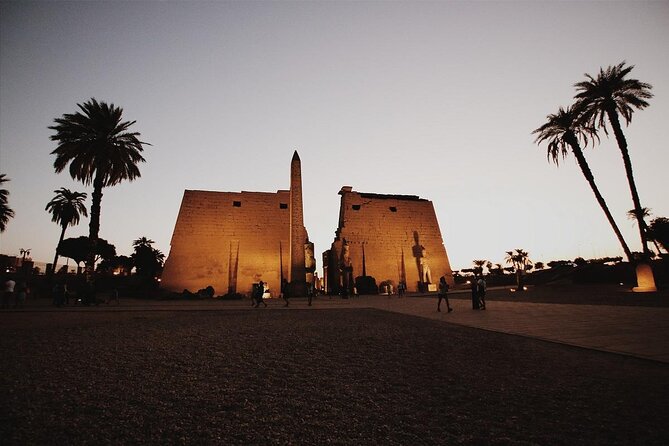
- Karnak is built into the schedule with stops like the Hypostyle Hall and the Avenue of Sphinxes
- Luxor East Bank and West Bank both happen in one day, so expect a packed itinerary
- Basma Aswan Hotel is included for the 4-star stay in Aswan
- Entry fees, lunch, and bottle water are included, but tipping and visa aren’t
Price and Logistics: what $815 buys you, and what it doesn’t
At $815 per person for 2 days and 1 night, this tour prices like a “no hassles” package. You’re paying for the pieces that are usually hardest to coordinate in Egypt: domestic flights, private car transfers with A/C, hotel pickup/drop-off, a live guide, and included entry fees plus lunch.
What you should notice is what’s not included. Tipping and the Egypt visa are listed as not included. That means you’ll want to plan a small cash budget for tips and visa processing so there are no surprises at the end of the day. If you’re trying to compare against cheaper options, make sure they truly include entry fees and lunch—otherwise, the difference often disappears fast once you add basics back in.
Also, the itinerary runs on real clock time. You’ll be leaving Cairo at 4:00 am on day 1, then you’ll switch gears from Aswan’s sights to Luxor’s sights on day 2, finishing with a domestic flight back to Cairo. This is a great format for first-timers, but it’s not a “slow travel” style.
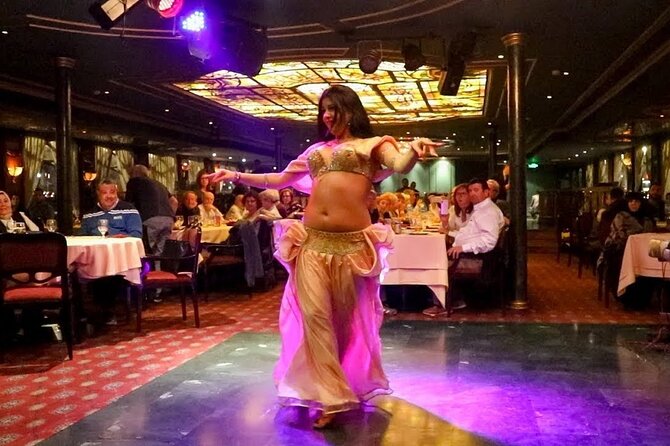
You can also read our reviews of more evening experiences in Cairo



Day 1: Flying Cairo to Aswan, then the Abu Simbel power run
Day 1 starts with an early pickup from your Cairo or Giza hotel. The guide is waiting in the lobby holding a sign with your name, then you head to Cairo Airport in a private A/C vehicle. Once you’re airborne to Aswan, the rhythm stays smooth: another guide meeting you at the airport with your name, then you’re back on the road.
From Aswan, the drive to Abu Simbel takes around 3 hours. That’s not a short hop, but it’s also why this tour is set up the way it is: Abu Simbel is far out in the south, and doing it as part of a guided program is the most time-efficient way to see it in a 2-day window.
Abu Simbel Temples: Ramesses II and Nefertari
The first major stop is the Abu Simbel complex. This temple was built by Ramesses II, and you’ll also visit the temple dedicated to Queen Nefertari, Ramses’s queen. The key value here isn’t just the size—it’s the way the complex communicates power, devotion, and political messaging through architecture.
If you’re used to “one big temple and done” tours, you’ll find Abu Simbel feels different. You’re seeing a deliberate pair: the king’s monumental statement, and the queen’s counterpart. That pairing helps you interpret what you’re looking at instead of just collecting photos.
Unfinished Obelisk and the High Dam
After Abu Simbel, the tour layers in two more Aswan-region story points:
- The Unfinished Obelisk, which helps you understand how monumental stone work was planned and where ancient projects could stall.
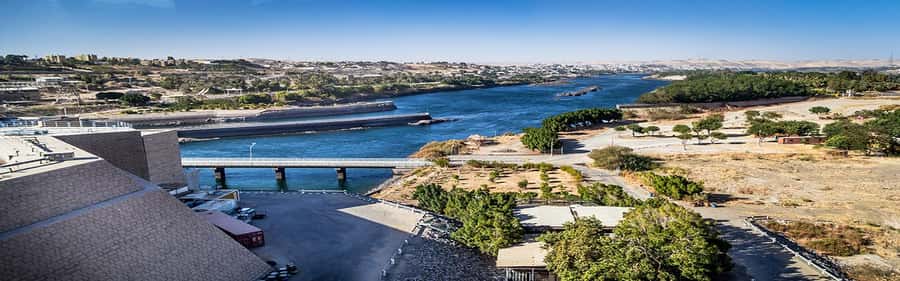
- The High Dam, a modern-era landmark that shaped how the Nile is managed and how the region developed.
Even if you don’t care much about engineering, these stops connect the past to the present. You’ll come away seeing Aswan not only as an ancient backdrop, but as a place where water management and history are linked.
Philae Temple, then back to Aswan
The day continues at Philae Temple and then you drive back to your 4-star Basma Aswan Hotel. It’s a full day, and the pacing matters: you’re packing major sights into a short time and relying on the schedule to keep you from burning hours.
Practical note: with an early flight and long drives, comfortable shoes and a light layer can make a difference. You’ll likely be moving through outdoor areas where the temperature shifts and the walking adds up.
A few more Cairo tours and experiences worth a look



Day 2: West Bank first—Valley of the Kings, Hatshepsut, Colossi of Memnon
On day 2, you’re picked up in Aswan and transferred by car to Luxor to start the sightseeing. The plan focuses first on the West Bank, where the tomb and mortuary sites give you the best contrast with the more public East Bank temples.
Valley of the Kings
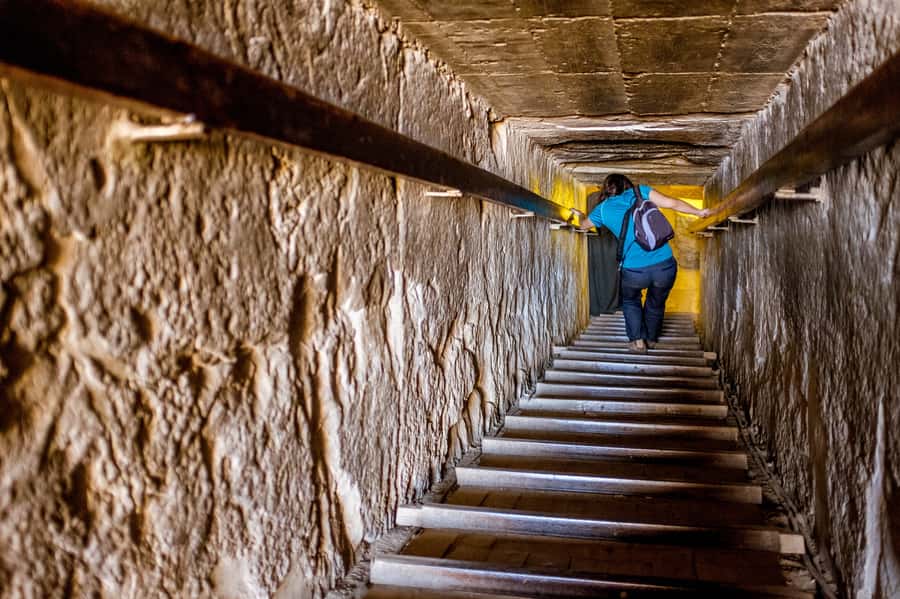
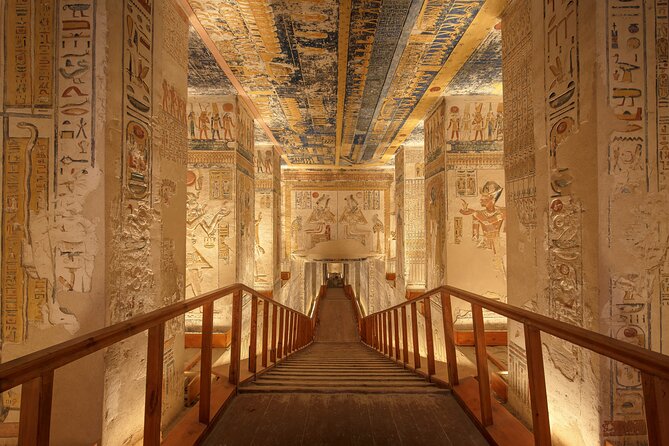
You’ll visit the Valley of the Kings, including the tombs of multiple dynasties. The value of this stop is straightforward: it’s a focused way to see how burial culture changed over time, and how rulers wanted the world to remember them.
Here’s the practical thing I’d plan for: tombs can feel similar at first glance—more corridors, more chambers, more symbols. A good guide helps you keep track of what’s different and why it matters, instead of leaving you to wonder which tomb you’re standing in.
Temple of Hatshepsut (Deir el Bahari / El Dir El Bahari)
Next comes the Temple of Queen Hatshepsut, known as El Dir El Bahari. This is one of those “architecture as storytelling” stops. The site is tied to Queen Hatshepsut, described in the program as the only pharaonic woman who reigned Egypt during the 18th Dynasty, ruling for about 20 years (around 1490–1469 B.C).
This temple matters because it’s not just about beauty. It’s about legitimacy—how power was expressed when the leader wasn’t male. You’ll want to take a slower moment here and notice how the layout pulls you forward through terraces.
Colossi of Memnon: stop and see them at the right moment
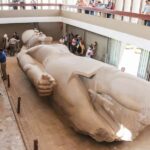
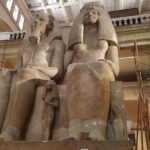
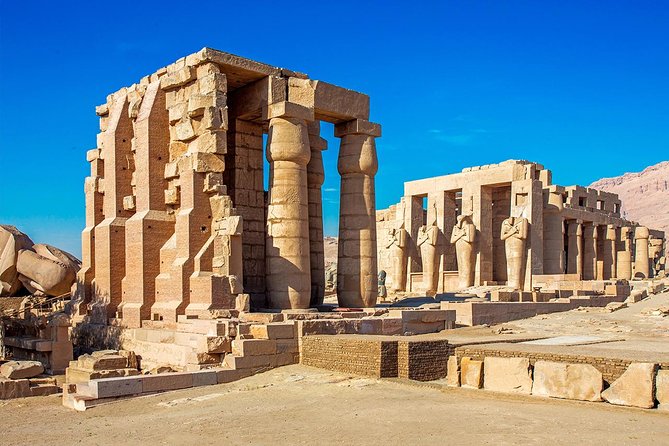
You’ll also see the Colossi of Memnon—two gigantic seated statues of Amenophis III facing the Nile. The tour includes a stop at the Colossi of Memnon on the return journey, so you’re not just rushing past them at the end of the day.
I like this placement because it gives the statues a little breathing room. When the light hits the figures from the side, they can look almost alive compared with the flat front view you might get elsewhere.
Luxor East Bank in one day: Karnak’s Hypostyle Hall and the Luxor Temple
After the West Bank, you move to the East Bank. The tour includes Karnak first, then the Luxor Temple afterward. There’s also mention of getting to Karnak by carriage or bus, depending on how the day runs—either way, the goal is keeping you on schedule.
Karnak Temple: Avenue of Sphinxes to the Hypostyle Hall
Karnak is where scale becomes the main character. You’ll walk through major highlights including:
- Avenue of Sphinxes
- Unfinished Propylon
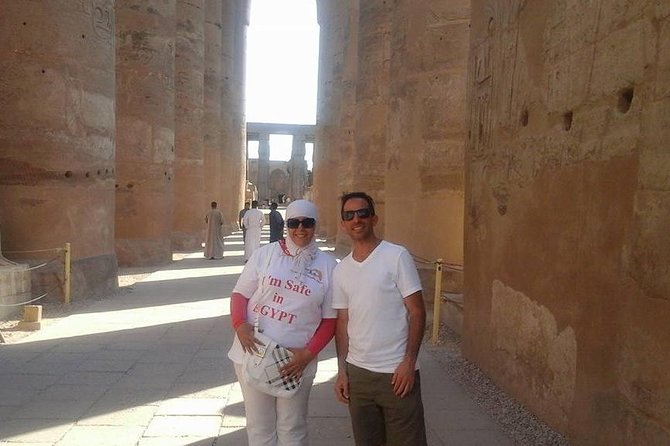
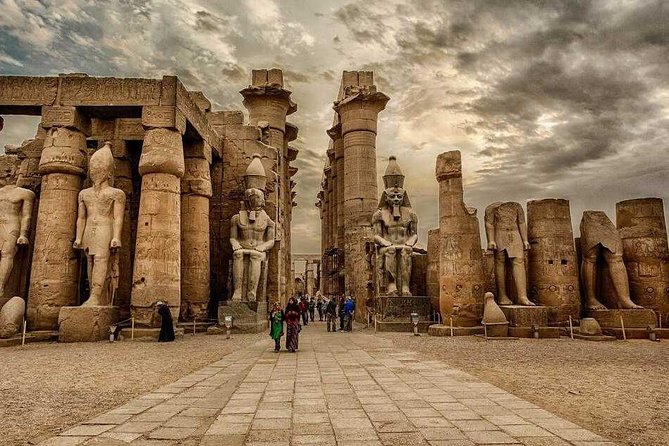
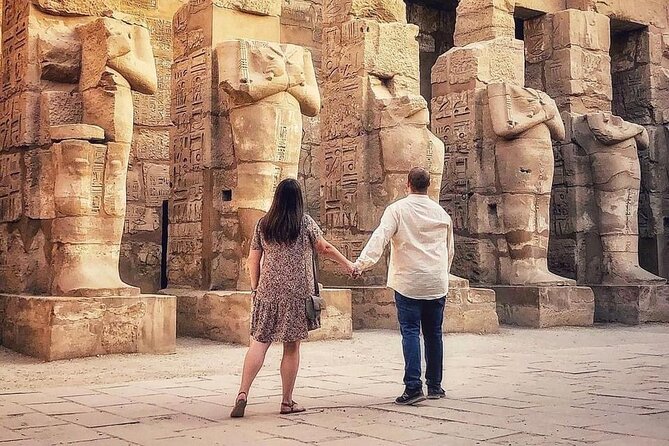
- The Hypostyle Hall with 134 gigantic columns
- Obelisks of Queen Hatshepsut and Tutomosis III
- Amon’s temple decorated with lotus and papyrus designs
- The Granite Scarabeus of Amenophis III
- The Sacred Lake
What I love about this sequence is how it builds your understanding. You start with approaches and entrances, then you enter the column hall where the roof space and columns dominate your sense of scale. Then you switch back to smaller details like the sacred lake and specific monuments, which makes Karnak feel less like one giant blur.
Luxor Temple
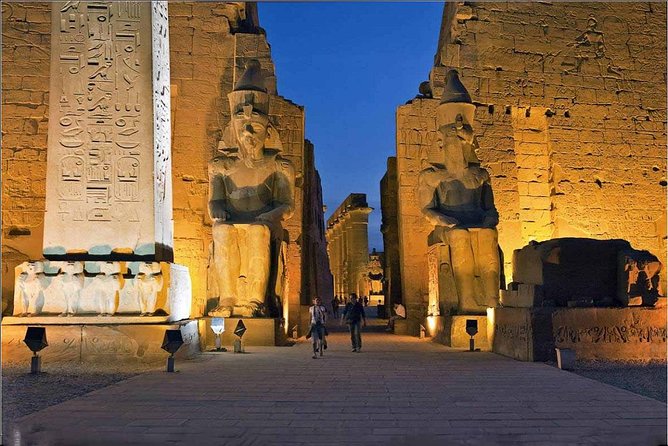
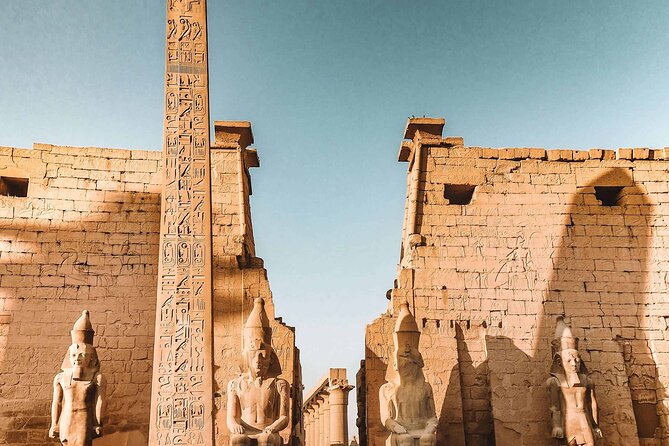
The day finishes with Luxor Temple, built by Amenhotep III in the 18th Dynasty and completed by Ramses II during the 19th Dynasty. That “two rulers, one location” detail matters. It helps you see Luxor Temple not as a single moment, but as a site expanded across reigns.
After Luxor Temple, it’s time to transfer to Luxor Airport for your domestic flight to Cairo. Then you’ll be met on arrival and transferred to your Cairo hotel.
Guides make or break it: what the top reviews point to
This tour’s reviews strongly lean toward guide quality. Several guides are highlighted by name, and the pattern is clear: the best guides don’t just name monuments—they explain what you’re seeing and why it matters.
- Mohamed Amin and Mohamed Omar receive praise for clear, thorough history explanations and visible passion for guiding.
- Mustafa is mentioned alongside learning and having enough space to experience the sites in your own rhythm.
- Samar Farrag is noted for historical and anthropological context, along with excellent Spanish.
So if your goal is to understand the sites (not just tick them off), you’re in the right kind of program. A private setup also helps because you’re not stuck in a big-speed group where questions get lost.
What to realistically expect each day (so you’re not surprised)
This is a “maximum monuments in minimum nights” itinerary. That means:
- You’ll start early on day 1 (4:00 am pickup)
- You’ll spend long stretches in transit—flight on day 1, then driving between Aswan and Abu Simbel, and later by car between Aswan and Luxor
- Day 2 combines the West Bank and East Bank, so you’ll move from tombs and mortuary temples to Karnak scale-fast
- The schedule ends with a domestic flight and an eventual late arrival risk if departures shift
One review even called out how an evening flight delay pushed Cairo arrival to after midnight. That’s not guaranteed, but it’s a good reminder: when your day ends with flights, build in some emotional wiggle room.
Best fit: who should book this Luxor–Aswan–Abu Simbel route
This tour is a strong fit if you:
- Want to see Abu Simbel without spending a week in Egypt
- Prefer a private tour with a named guide and clear handoffs
- Like learning as you go, not reading a book on the hotel bed later
- Are okay with early starts and a packed day 2
It may be less ideal if you want lots of free time at each site, or if long drives and tight flight timing will make you miserable. For that style, you’d generally want a longer stay in the region.
Should you book it?
Book it if your top priority is hitting Luxor, Aswan, and Abu Simbel in a tight window with private guided support, included entry fees, and a real logistics plan. The price can feel fair because the package covers the expensive parts: flights, multiple transfers, and guiding.
Skip it (or reconsider dates) if your travel style requires slow mornings, lots of downtime, or you’re very sensitive to flight delays. This itinerary runs on timing. When it works, it’s a top-value way to see Egypt’s biggest landmarks without turning the trip into a full-time transportation job.
FAQ
How long is the Luxor, Aswan & Abu Simbel tour by flight from Cairo?
The duration is 2 days and 1 night.
What time does the pickup happen on day 1?
Pickup from your Cairo or Giza hotel starts at 4:00 am.
Is this tour private?
Yes. It’s listed as a private group tour.
Which hotel is included in Aswan?
The included hotel in Aswan is Basma Aswan Hotel, described as a 4-star property.
Are entry fees and lunch included?
Yes. Entry fees and lunch are included, along with bottle water.
What languages are the live guides available in?
Live tour guide languages are Arabic, English, German, and Spanish.
Do I need to budget for tipping or the Egypt visa?
Yes. Tipping and Egypt visa entry are listed as not included.