REVIEW · CAIRO
2-Day in Cairo and Giza
Book on Viator →Operated by Visitors Egypt Tours · Bookable on Viator
Pyramids plus Old Cairo in just two days. This tour stitches together Dahshur, Saqqara, and Giza on day one with Egyptian Museum and Old Cairo on day two, so you see the big-ticket sights without spending your trip on logistics. I like that lunch is built in both days and admission fees are included, so your budget stays sane. I also like the private format with a qualified Egyptologist guide, which means you can move at a pace that fits your interests.
A key consideration: you’ll be going hard and early, with long outdoor stretches on the pyramid day—plan for the heat and bring water habits you can handle.
What makes this 2-day Cairo and Giza tour worth it
- Dahshur + Saqqara + Giza, not just the pyramids everyone posts
- Lunch and entrance fees included on both days, which adds real value
- Private tour flexibility in a tight schedule
- Air-conditioned coach to recharge between sites
- Old Cairo religious landmarks across multiple faiths in one organized loop
- A one-hour felucca ride to break up the intensity of sightseeing
In This Review
- Two Days in Cairo and Giza Starts Early, and It’s a Good Thing
- Dahshur and Saqqara: Egypt’s Early Pyramid Experiments
- Giza Plateau Highlights: Cheops, Chephren, Mycerinus, and the Sphinx
- Museum Day in Cairo: Egyptian Antiquities and Tutankhamun’s Jewelry
- The Felucca on the Nile: A One-Hour Reset
- Old Cairo’s Religious Sights: Churches, Citadel, Mosque, and Synagogue
- Private Guide Energy: When Attentiveness Makes the Difference
- Value for the Price: What $102.86 Buys You in Real Terms
- Comfort, Timing, and Practical Tips That Matter in Cairo
- Should You Book This Cairo and Giza Tour?
- FAQ
- What time does the tour start?
- Is accommodation included?
- Are entrance fees included?
- Is lunch included?
- Is this tour private?
- What is included for transportation?
- Is cancellation free?
Two Days in Cairo and Giza Starts Early, and It’s a Good Thing
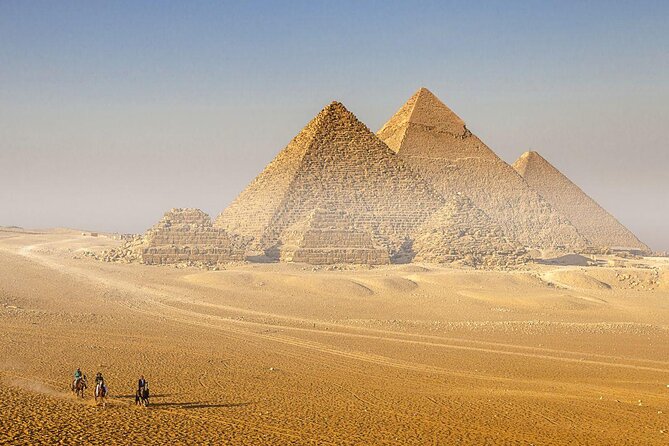
You’re looking at a format that’s built for people who don’t want to sit around waiting for the “perfect” day. The tour kicks off at 7:00 am, which helps you beat the worst of the day and gives you more usable daylight for the pyramid sites.
Since accommodation isn’t included, you’re free to choose your own neighborhood. That flexibility matters in Cairo, where staying close to the right area can save you time and stress. With pickup and drop-off included, you can keep the rest of your trip planning simple and still get organized sightseeing.
There’s also comfort in the rhythm here. You’re traveling by air-conditioned coach, so the transitions between Giza-area sites, the museum, and central Cairo don’t feel like you’re just overheating in transit all day. That may sound like a small detail, but in Cairo it’s the difference between enjoying the day and trying to recover from it.
Dahshur and Saqqara: Egypt’s Early Pyramid Experiments
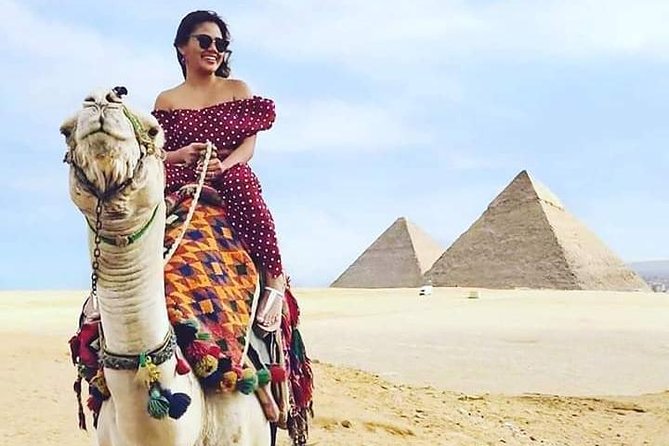
Day one is where this tour quietly earns its keep. You don’t just start at the famous Giza plateau. You begin in Dahshur, where you get a sense of how pyramid building evolved.
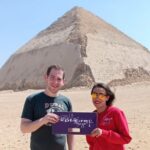
In Dahshur, you’ll see the Red Pyramid, often called the first true pyramid. Then you move to the Bent Pyramid, which shows an earlier attempt at “true” pyramids and helps you understand the trial-and-error behind the later smooth-sided designs. Even if you’re not a pyramid expert, it’s a great way to view the later Giza structures with better context.
Then you head to Saqqara, home to the Step Pyramid Complex of King Zoser. This is one of those places where the scale is older than your expectations. The tour also includes time for the Pyramid of Unas, including its interior pyramid texts, plus the causeway of Unas.
After that, you’ll visit other Old Kingdom structures such as the Pyramid of Userkaf and the Pyramid of Teti, which is accessible with its pyramid texts. The stop at the tomb of Kagemni adds a human angle: it’s linked to a nobleman from around 2200 B.C. That’s the kind of detail that makes these sites feel less like “photos” and more like a world where real people lived, served, and believed.
One practical note: this day is packed with walking and time spent outdoors. Saqqara and Dahshur can mean uneven ground and sun exposure. If you’re the type who hates rushing, you’ll still want to dress for comfort and pace yourself with the guide’s timing.
A few more Cairo tours and experiences worth a look


Giza Plateau Highlights: Cheops, Chephren, Mycerinus, and the Sphinx
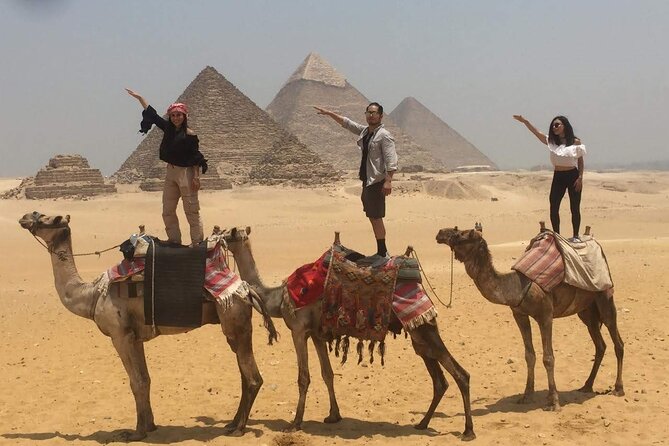
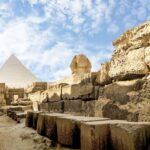
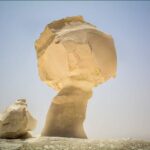
After Dahshur and Saqqara, the tour lands at Giza to tackle the classics: the pyramids of Cheops, Chephren, and Mycerinus. This is the day-one payoff. You’ll get the big shapes up close, plus the chance to appreciate how the plateau layout frames each pyramid.
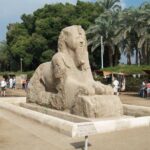
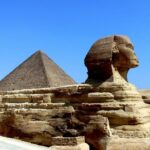
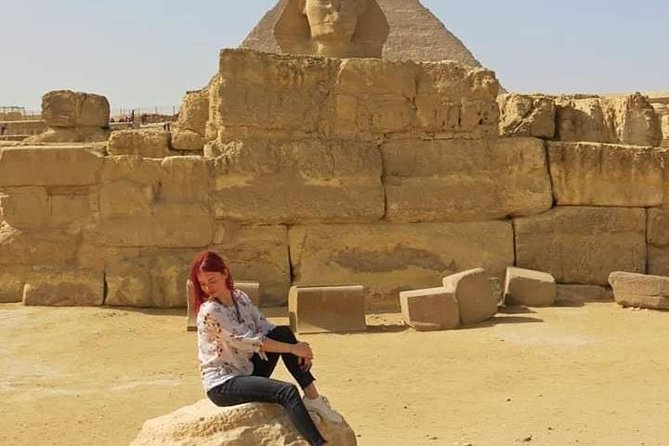
The tour also includes the Valley Temple and time to see the Great Sphinx. The Sphinx is famous, of course, but what you’ll notice in person is how it anchors the whole Giza story. It’s not just a statue in a field. It’s part of the broader complex, tied into the ceremonial landscape around the pyramids.
Because the tour is private, you’re not stuck in a rigid herd schedule. That matters here. If you want extra time on viewpoints, quick photos, or to linger while your guide explains a detail you care about, a private setup is a helpful advantage.
Admission fees are included on day one, and that’s a real benefit in a place where tickets can be confusing across multiple sites. It also reduces the “now we wait in line” feeling, letting you spend more of your morning and afternoon in actual ruins and fewer minutes juggling payments.
Museum Day in Cairo: Egyptian Antiquities and Tutankhamun’s Jewelry
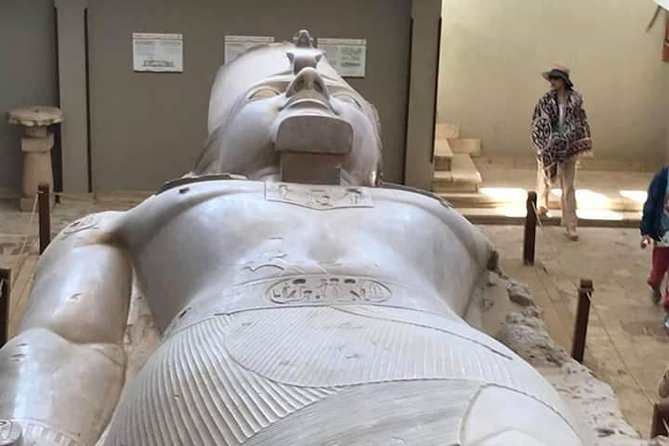
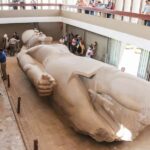
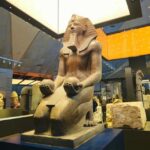
Day two starts with the Museum of Egyptian Antiquities, commonly called the Egyptian Museum. This is a smart pairing after the pyramid day because it shifts you from massive outdoor monuments to objects you can actually inspect up close.
You’ll see the animal mummy room, mummy portraits, and King Tutankhamun’s jewelry. Those items hit different. Jewelry is small-scale power: you get a sense of wealth, symbolism, and craftsmanship. Portraits and mummification-related pieces help you understand beliefs about identity and the afterlife beyond the pyramids alone.
You can also visit the Royal Mummy rooms if you want—those are at an extra cost. I like having that choice because not everyone wants to spend more time in that part of a museum. If you’re museum-first, you’ll likely enjoy it. If you’re already feeling “artifact fatigue” by that point, you can keep the day lighter and save your energy for Old Cairo afterward.
This museum stop is included with admission fees. That means you’re paying for your time in the building rather than getting surprised later with add-ons for entry.
The Felucca on the Nile: A One-Hour Reset
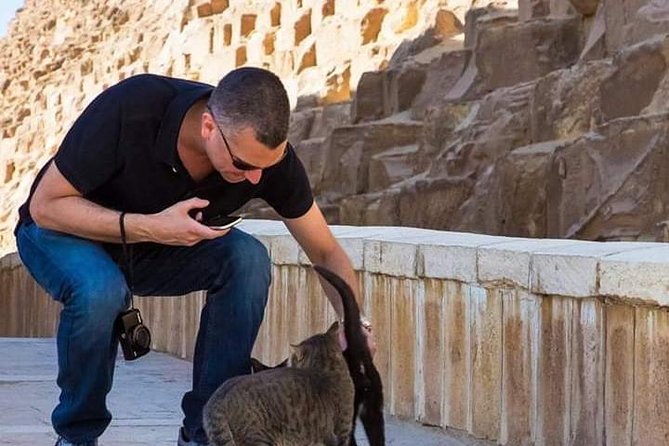
After the museum, you get a one-hour felucca ride on the Nile. This isn’t a random add-on. It’s a breathing space that helps your brain reset between heavy sightseeing.
Even with a packed schedule, that hour of moving water and open sky changes the mood. You get fresh air, slower pacing, and a chance to look back at the city from a different angle—without the pressure of turning every minute into another photo stop.
If you’re sensitive to heat, this is also a smart time to cool down. You’re not just standing in a queue. You’re doing something different, and that keeps the second day from feeling like museum-then-more-museum.
Old Cairo’s Religious Sights: Churches, Citadel, Mosque, and Synagogue
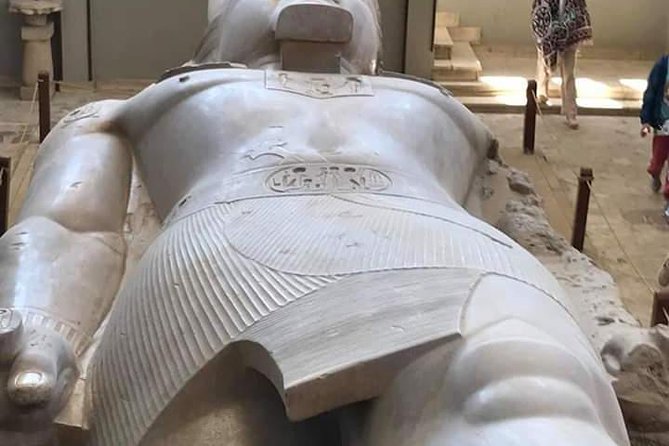
Old Cairo is where day two turns from “big monuments” into “layers of faith and community.” You’ll visit several major sites: the Roman Fortress of Babylon, the Hanging Church, Church of Abu Serga, and the Jewish Synagogue of Ben Ezra.
That mix matters. It helps you understand Cairo as a city that kept building, reusing, and layering meaning over centuries. When you see the Roman remains next to later Christian sites and then a major Jewish landmark, it stops being a list of places and starts feeling like a timeline you can walk through.
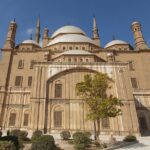
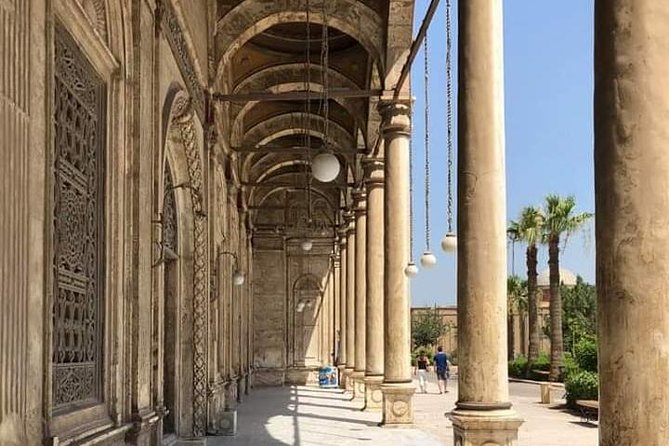
You’ll also have time in the Citadel of Saladin for photos of the panorama. Then, inside the citadel, you’ll visit the mosque of Mohammed Ali Pasha. That’s a top-of-the-day visual moment—especially if you want that classic Cairo skyline feel while still being grounded in the city’s historic layers.
The tour also includes a stroll over Cairo’s biggest market. The data doesn’t spell out which market lanes you’ll walk, but the key point is that you’re not only doing museums and monuments. You’ll get at least some street-level Cairo texture to balance the museum artifacts and archaeological stops.



Private Guide Energy: When Attentiveness Makes the Difference
This experience is guided by a qualified Egyptologist guide, and the feedback you can lean on highlights the human side of that job. In particular, strong praise mentioned Nour Nagy for being attentive and making the experience feel better, and it also singled out driver Hamada for good care and responsiveness.
That combination matters more than people think. On a tight schedule like this, a guide who can handle timing, explain key details clearly, and adjust when something takes longer can make the day feel smooth. And when your driver is steady and careful, you don’t spend your ride scanning for problems. You spend it looking out the window and mentally preparing for the next stop.
Also, the tour is described as private, meaning it’s just your group. That reduces the friction of shared pacing. You’re more likely to get the chance to ask questions in real time instead of relying on a group’s shared attention span.
Value for the Price: What $102.86 Buys You in Real Terms
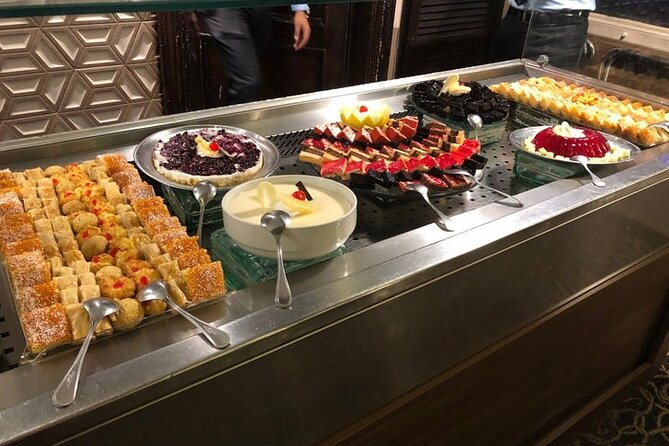
At $102.86 per person, this tour can be a strong value if you compare it to pricing that adds up site by site. Here, entrance fees and lunch (2 lunches) are included, and you get hotel pickup and drop-off plus transportation by air-conditioned coach. Those are the expenses that usually sneak into Cairo itineraries and make the real total creep upward.
A helpful way to judge the price is to break it into “money you’d likely pay anyway”:
- You would need museum entry for the Egyptian Museum.
- You would need admission fees for multiple pyramid-related sites and Giza.
- You’d likely pay for at least one meal per day unless you’re planning a strict budget.
- You’d still need reliable transport across Cairo and the Giza area.
In other words, you’re buying organization and coverage, not just a checklist of stops.
One more thing: the tour notes group discounts and is booked about 14 days in advance on average. If you can travel with friends or a small group, you may get better value than solo travelers. Even if you go solo, the private format helps, because you’re not sharing your day with a large, slow-moving group.
Comfort, Timing, and Practical Tips That Matter in Cairo
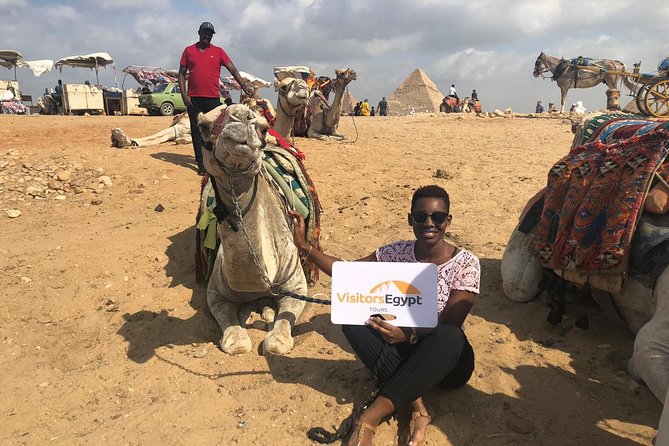
This tour runs for around 2 days and is scheduled to start at 7:00 am. That early start is a feature, not a bug. Cairo days can swing from manageable to uncomfortable quickly, so the morning block matters.
You’ll also notice two very different environments:
- Day one is mostly archaeological and outdoor walking, with Dahshur and Saqqara adding extra texture beyond Giza.
- Day two mixes indoor museum time, a short Nile ride, and Old Cairo sites that involve walking between different landmarks.
To make the most of both, I’d plan around comfort:
- Dress for sun and for covering up where needed in religious areas.
- Bring water and take small sips often, especially on the pyramid day.
- Use your time wisely at the Egyptian Museum. If you’re selective, focus on Tutankhamun-related objects and the mummy rooms first, then decide about the Royal Mummy rooms.
Also, you’ll have a mobile ticket and confirmation at booking, which typically reduces the amount of time you spend figuring out logistics on arrival. That helps when your energy is better spent looking at stone carvings and museum objects.
Should You Book This Cairo and Giza Tour?
I’d book this tour if you want a tightly planned two-day highlight run without locking yourself into a specific hotel. You get a well-structured mix: early pyramid context in Dahshur and Saqqara, the main Giza plateau, the big hits in the Egyptian Museum, and Old Cairo landmarks that cover churches, mosques, and a synagogue.
I’d think twice if you hate early mornings or you struggle with long outdoor days in the sun. This is a full schedule, and the value depends on your willingness to move through it.
If your priority is meaningful coverage—pyramids plus Cairo’s living historic neighborhoods—this is a solid, straightforward way to do it, with the added comfort of pickup, air-conditioned rides, included admissions, and lunch.
FAQ
What time does the tour start?
The tour start time is 7:00 am.
Is accommodation included?
No. Accommodation is not included, so you’ll choose where to stay on your own.
Are entrance fees included?
Yes. Entrance fees are included as part of the tour.
Is lunch included?
Yes. Lunch is included for both days.
Is this tour private?
Yes. It is a private tour, so only your group participates.
What is included for transportation?
You get hotel pickup and drop-off and transport by air-conditioned coach.
Is cancellation free?
Yes, you can cancel for a full refund up to 24 hours in advance of the experience start time.