REVIEW · CAIRO
10-hour private religious tours to monastery of Wady el Natron st beshoy
Book on Viator →Operated by Sun Of Egypt Tour · Bookable on Viator
A 4th-century prayer road waits outside Cairo. This private day trip to Wadi El Natrun takes you to some of Egypt’s most important Coptic monastic sites, led by an English Egyptologist and shaped around a calm, personal pace.
I really like two things about it: the hotel pickup/drop-off keeps the logistics painless, and the guide turns each stop into a story you can actually follow, not just photos and names. I also like that it’s set up as a private outing, so you’re not forced to match your day to strangers’ timing.
One caution: it runs about 7 to 10 hours, and lunch plus any monastery entry/admission fees aren’t included, so you’ll want to plan for extra spending and a longer day.
In This Review
- Quick Takeaways Before You Go
- Early Start To Wadi El Natrun: Why 7:00am Feels Worth It
- Private Egyptologist Tour: How Your Guide Changes the Whole Experience
- Al-Baramus Monastery: Simple Spaces With Big Meaning
- Monastery of Saint Bishoy: The 4th-Century Connection
- The Third Monastic Center: What to Watch For
- Price and Logistics: What $75 Buys in Real Terms
- Timing, Lunch, and Admission Fees: How to Avoid Day-Trip Friction
- Respectful Monastery Visits: Small Rules, Big Payoff
- Who This Tour Fits Best (And Who Might Want Something Different)
- Should You Book This Wadi El Natrun Private Tour?
- FAQ
- What is included in the tour price?
- How long does the Wadi El Natrun monastery tour take?
- What time does the tour start?
- Is this tour private or shared with other people?
- Are lunch and monastery entry fees included?
- Do I get a mobile ticket?
- What monasteries will I visit?
- Can I expect an English guide?
- What is the cancellation policy?
- Is the tour suitable for most people?
Quick Takeaways Before You Go
- Private, Egyptologist-led: your chosen group stays together with an English guide focused on Christian origins and ancient Egypt.
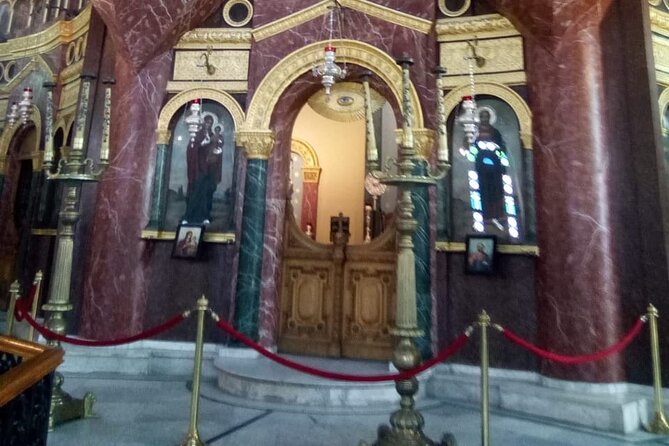
- Real monastery touring: you’ll visit three surviving Coptic monastic centers, including Al-Baramus and Saint Bishoy.
- Early start, full day: the tour begins at 7:00am, so build in a morning buffer and an afternoon rest.
- Comfort on the road: air-conditioned transportation plus bottled water means less “heat math.”
- Not all costs are included: plan for lunch and entry/admission, which are listed as not included.
- Guides and drivers get praised: feedback frequently names guide Ehab and drivers such as Hassan or Ali for making the day feel smooth.
Early Start To Wadi El Natrun: Why 7:00am Feels Worth It
Starting at 7:00am is the difference between doing this trip politely and doing it with Cairo’s chaos in your rearview mirror. You’re heading out from the city into an area known for early Christian monastic life, so the morning rhythm helps you arrive with more calm, more daylight, and fewer “where did the time go?” moments.
The ride itself matters. This tour uses comfortable air-conditioned transportation, and you get bottled water. That may sound basic, but on a day that can stretch close to 10 hours, it’s the kind of detail that keeps you fresh for walking, stairs, and standing to listen.
You also get a practical benefit from the early schedule: you’re less likely to feel rushed inside the monasteries. These sites are not just backdrops. You’ll want time for slower looking and for asking questions without the clock hanging over your neck.
You can also read our reviews of more private tours in Cairo


Private Egyptologist Tour: How Your Guide Changes the Whole Experience
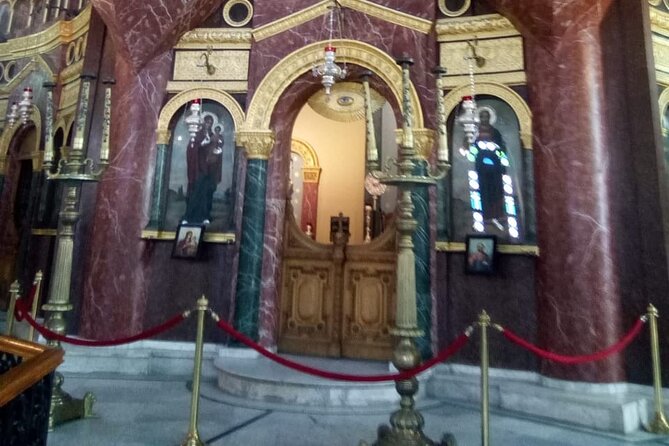
This is not a bus tour with a headset playlist. It’s set up as a private outing for your party, with a qualified English Egyptology guide. That matters because Wadi El Natrun is best understood as a living place shaped by belief, geography, and history at the same time.
In the feedback you shared, Ehab is a name that comes up again and again. People describe him as friendly and professional, and they also mention that he gives thorough explanations. Even if you already know a bit about early Christianity in Egypt, a guide like this can help you connect what you’re seeing—church spaces, monastic traditions, and the story of key founders—to why these monasteries became so influential.
Your driver also plays a role. Reviews name drivers such as Hassan and Ali for safe, confident driving. That sounds like a comfort point, but it affects the day. When the drive feels steady, you arrive mentally ready, not frazzled.
One more practical plus: because it’s private, you can ask the guide to slow down when something clicks, or speed up when you just want to get to the next stop.
Al-Baramus Monastery: Simple Spaces With Big Meaning
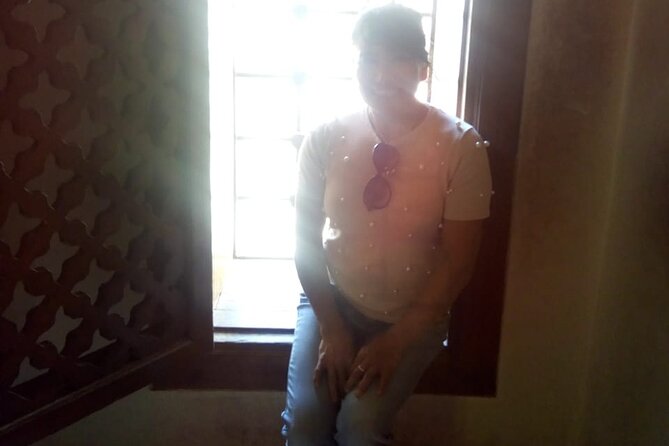
The Monastery of al-Baramus is one of the core Coptic monastic centers in Wadi El Natrun, and visiting it early in the day helps you settle into the pace. The big idea here is not “check off a building.” It’s to see how monastic life has long shaped religious practice in Egypt.
What you can expect: you’ll move through church areas and monastery grounds with time for your guide to explain what you’re looking at. Even with no art-history background, you’ll likely appreciate the atmosphere—places built for prayer tend to change how you hold your body, your voice, and your attention.
A possible drawback: monastic sites can mean less “tourist convenience” than you’d find at major landmarks. Expect quiet rules and slower movement. If you’re the type who gets impatient when there’s no big sign “telling you what to do,” this part may take a minute to adjust to.
Still, Al-Baramus is a strong anchor stop. It’s one of those places where the guide’s context makes the difference between seeing old walls and understanding why those walls mattered.
Monastery of Saint Bishoy: The 4th-Century Connection
Your visit includes the Monastery of Saint Bishoy, founded by a 4th-century monk. That one detail gives this stop extra weight. You’re not just touring a historic site. You’re walking into a story that points back to the roots of Christian monasticism in Egypt.
When your guide links Saint Bishoy to the wider development of early monastic life, it helps you interpret the place as more than architecture. You’ll be thinking about why people moved into remote settings, how communities formed, and how faith took shape in daily rhythms.
This is also where your timing matters. If you arrive calm and focused, you’ll get more out of the explanations and your own looking. If you arrive already worn down, you may miss the “small moments” that make these sites feel personal: the way space is organized, the tone of prayer areas, and the respect shown around the site.
Tip for your visit: ask your guide what the most important takeaway is for this monastery. You’ll get a clearer mental handle on what to remember later, especially on a day that covers three monastic centers.
The Third Monastic Center: What to Watch For
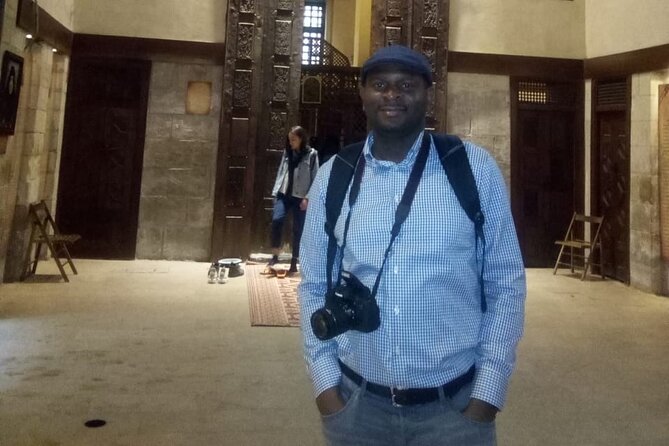
The tour includes visits to three surviving ancient Coptic monastic centers, with al-Baramus and Saint Bishoy named specifically. The third stop isn’t spelled out in the details you provided, so you’ll want to treat it as part of the whole Wadi El Natrun experience rather than a “must-see by name” item.
This is actually a good approach. Often, the third monastery stop helps you compare. You start to notice patterns in how churches and monastic areas reflect shared traditions, and how each place adds its own emphasis.
What you should watch for during the third stop:
- How your guide explains the differences between centers
- How you feel in the spaces after the first two sites
- Any moments when the day connects back to early Christian monastic development
If you’re someone who loves one museum-type building at a time, the structure here might feel different. You’re doing multiple religious centers in one day. That’s the point, but it does mean you’ll want to pace yourself and take breaks when you can.

Price and Logistics: What $75 Buys in Real Terms
At $75 per person for a private religious tour, the value isn’t just the sites. It’s what’s wrapped into the day:
Included items:
- Hotel pickup and drop-off
- Qualified English Egyptology guide
- Private tour
- Comfort-focused transportation with air-conditioning
- Bottled water
Add what’s not included:
- Lunch
- Entry/Admission
That split is important. A lot of day trips advertise a cheap headline price and then quietly inflate your total at the door. Here, you know what you’ll still need to budget. That lets you plan a realistic daily cost and avoids last-minute stress.
Also, private transportation from your hotel is usually where the money shows up on these routes. You’re not navigating the city and then negotiating your own way out. The tour handles the movement so you can focus on the experience.
Bottom line: if you want a guided, private “Christian origins in Egypt” day without DIY logistics, this price makes sense. If you’re traveling with a group of like-minded people and you split the total, it can become an even better deal.
Timing, Lunch, and Admission Fees: How to Avoid Day-Trip Friction
Because the day runs roughly 7 to 10 hours, you should plan like it’s a full itinerary, not a quick cultural spin. The start time is 7:00am, and you’ll want to be ready for a long stretch before you’re back in Cairo.
Two practical reminders from the included/not included list:
- Bring or plan for lunch since it isn’t included.
- Budget for entry/admission if you’re required to pay at the monasteries.
What I recommend: decide in advance whether you’ll grab lunch near where the guide suggests or whether you’ll carry something simple. The tour’s bottled water helps, but it doesn’t replace food planning.
Also, prepare for a day where time is shaped by prayer spaces and visiting etiquette. That’s normal for monasteries. If you go in expecting a strict clock-by-clock agenda, you might get annoyed. If you go in expecting a guided, respectful rhythm, you’ll likely enjoy the flow more.
Respectful Monastery Visits: Small Rules, Big Payoff
Monasteries are working religious spaces. Even when you’re on a guided tour, you’ll do best if you arrive ready to be respectful.
Based on how these places are typically visited, you should plan on:
- Dressing modestly (covering shoulders and legs usually helps)
- Keeping your voice down inside church areas
- Listening first, asking questions second
Your guide will set the tone, and a good one makes these rules feel natural rather than awkward. The feedback you shared repeatedly credits Ehab and the drivers with making the day feel comfortable and well-managed, which is a big deal when you’re stepping into religious sites where people expect calm and consideration.
One more practical tip: wear comfortable shoes. Even if you don’t know the exact walking distances, monastery grounds can involve uneven areas and changes in level.
Who This Tour Fits Best (And Who Might Want Something Different)
This tour is a great fit if you want:
- A private guided day instead of crowds and fixed group pacing
- A focus on Coptic monastic roots and the early Christian story in Egypt
- An Egyptology guide who connects sites to context, not just dates on a poster
It’s especially appealing for people who are tired of Cairo’s nonstop motion and want one full day with a different feel. Wadi El Natrun offers that change of pace in a way that a standard city itinerary doesn’t.
Consider skipping it (or choosing a shorter alternative) if:
- You strongly dislike long days (7 to 10 hours is not short)
- You want lunch handled for you, since it’s not included
- You prefer “major landmark only” tours rather than religious sites that call for slower attention
If you love thoughtful history and you’re okay with an early start, you’ll probably feel like the day was well worth it.
Should You Book This Wadi El Natrun Private Tour?
I’d book it if you want a calm, guided, private way to see the roots of Christian monasticism in Egypt, with the practical comfort of hotel pickup, air-conditioned transport, and an English Egyptologist like Ehab. For the price, the value is in the combination: guidance plus logistics, not just the fact that you visit a place.
I’d pause if you’re counting pennies for a tight budget, because lunch and entry/admission are extra. Also, if you hate early mornings, the 7:00am start may feel like a tax you didn’t plan to pay.
One smart decision rule: if you can handle a full-day schedule and you want context as you walk through the monasteries, this private format is exactly what you’re looking for.
FAQ
What is included in the tour price?
The tour includes a qualified English Egyptology guide, a private tour setup, hotel pickup and drop-off, and bottled water.
How long does the Wadi El Natrun monastery tour take?
It runs about 7 to 10 hours, depending on the pace of the day.
What time does the tour start?
The start time is listed as 7:00am.
Is this tour private or shared with other people?
It is private. Only your group participates.
Are lunch and monastery entry fees included?
No. Lunch and entry/admission are not included.
Do I get a mobile ticket?
Yes. Mobile ticket is listed as a tour feature.
What monasteries will I visit?
You will visit three surviving ancient Coptic monastic centers, including the Monastery of al-Baramus and the Monastery of Saint Bishoy.
Can I expect an English guide?
Yes. The guide is listed as a qualified English Egyptology guide.
What is the cancellation policy?
Free cancellation is available up to 24 hours in advance for a full refund. If you cancel less than 24 hours before the start time, the amount paid is not refunded.
Is the tour suitable for most people?
The additional info says most travelers can participate. No further limits are provided in the details here.