REVIEW · HURGHADA
Luxor Valley of the Queens Hatshepsut Karnak Temples – Hurghada
Book on Viator →Operated by Your Trips Guide · Bookable on Viator
Waking up at 4:30 a.m. is worth it. This Luxor tour packs the big West Bank hits and the classic Karnak highlight into one long day, with round-trip transport from your Hurghada hotel. I especially like that you get a licensed guide and lunch already handled, so you’re not stuck making meal decisions at the hottest point of the day. One thing to consider: this is a very early, tight schedule, and if your day’s timing slips, you can feel it fast, especially around meals.
Luxor works best when you treat it like a story, not a checklist. I like how the route moves from the temple power center at Karnak to the royal burial landscape in the Valley of the Queens and then to the monumental faces of the Colossi. Still, tickets for some key sites aren’t included and need to be paid in cash on the spot, so you’ll want to plan for that before you go.
The big picture: if you want a guided day that covers the West Bank without stress, this tour is built for you. If you hate long travel blocks and want a slow pace, you might find the day feels compressed.
In This Review
- Key things to know before you go
- Early Pickup to Luxor: When the Long Day Starts
- Getting to Karnak: Why This Temple Complex Sets the Tone
- Lunch in Luxor and the Schedule Reality Check
- Felucca on the Nile: The Calm Break You’ll Appreciate
- Valley of the Queens (Ta-Set-Neferu): Royal Burials, Human Stories
- Deir el-Bahri and Hatshepsut: Monumental, Unusual, and Powerful
- Colossi of Memnon: The Faces You Remember
- Alabaster Factory Visit: Craft, Trade, and a Quick Reality Check
- Price and Logistics: What Your $30 Actually Buys
- Who This Tour Fits Best (and Who Should Skip It)
- Tips to Get the Best Day Possible
- Should You Book This Luxor Day Trip?
- FAQ
- What time does the tour start?
- How long is the trip?
- Where does the tour run from?
- Is lunch included?
- Are tickets for Karnak included?
- Do I need to pay tickets for the Valley of the Queens and Deir el-Bahri?
- Is the Colossi of Memnon admission included?
- Is there a boat ride?
- Do I need cash for the additional transfer fee from other areas?
- What is the cancellation policy?
Key things to know before you go
- 4:30 a.m. start means you get to Luxor early, but you’ll need to be ready for a long day (about 14–16 hours).
- Karnak is included, while Valley of the Queens and Deir el-Bahri/Hatshepsut tickets are paid on the spot in cash.
- Colossi of Memnon admission is included, so you don’t have to budget time or money for that stop.
- Nile felucca ride is part of the day, giving you a real change of pace mid-tour.
- Lunch in Luxor + guide-led timing reduces decision fatigue, though meals can feel rushed if the schedule runs behind.
Early Pickup to Luxor: When the Long Day Starts
This tour begins at 4:30 a.m. with pickup from your Hurghada hotel (air-conditioned vehicle, round-trip). The start time matters more than you might think. Luxor’s daylight and heat build quickly, and being on-site early helps you squeeze in temple time before the afternoon haze gets thick.
The overall duration is listed as 14 to 16 hours, so think of this as a whole-day commitment, not just an excursion. With up to 30 travelers, it’s not a tiny private bubble, but it’s small enough that a good guide can still keep everyone moving.
Cost-wise, you’re paying $30 per person for the core experience: transport, a licensed historical guide, lunch, and several included sights. The trade-off is that some major entrance tickets are not included, so your final spend depends on those cash payments on the spot.
You can also read our reviews of more tours and experiences in Hurghada.


Getting to Karnak: Why This Temple Complex Sets the Tone
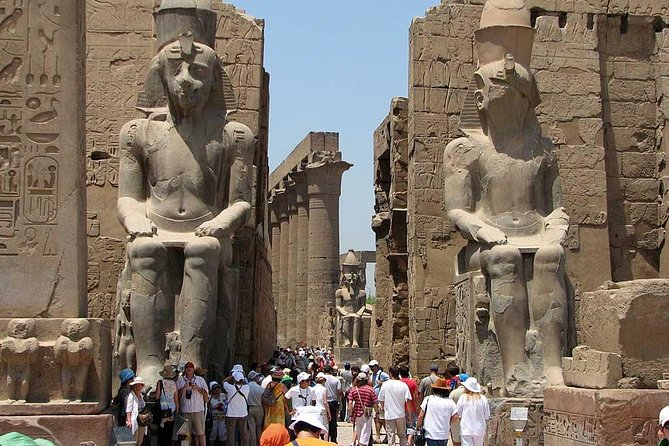
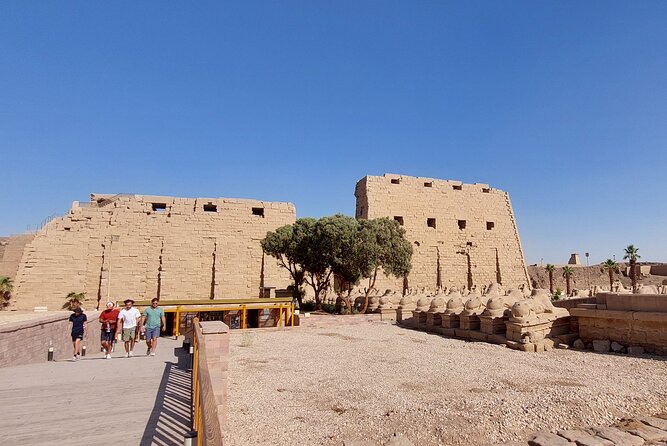
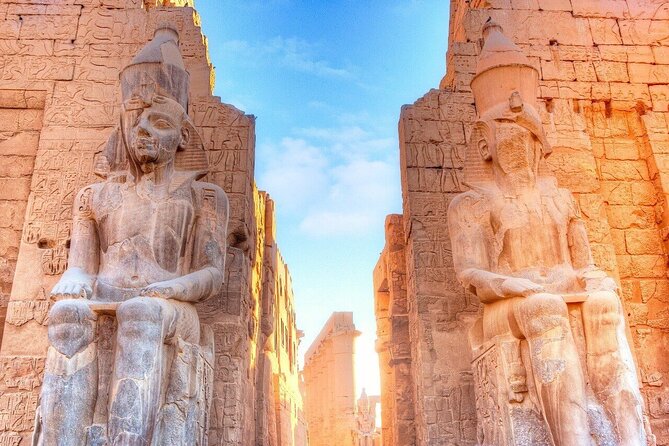
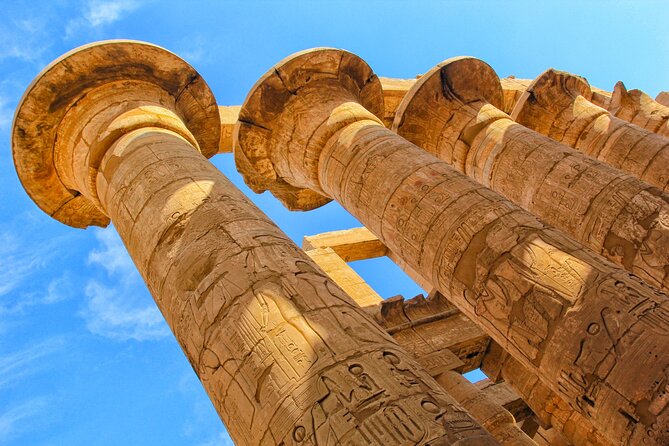
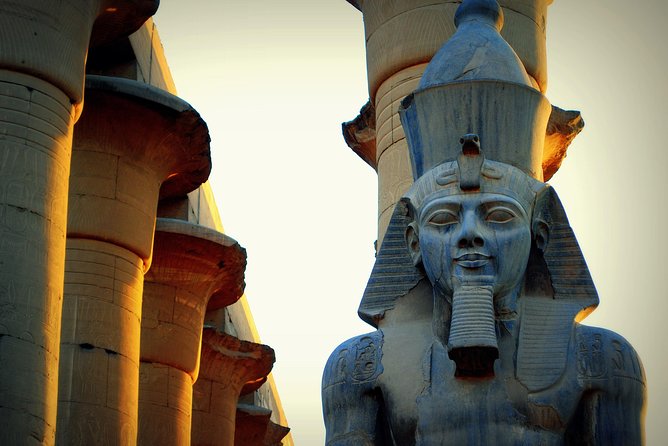
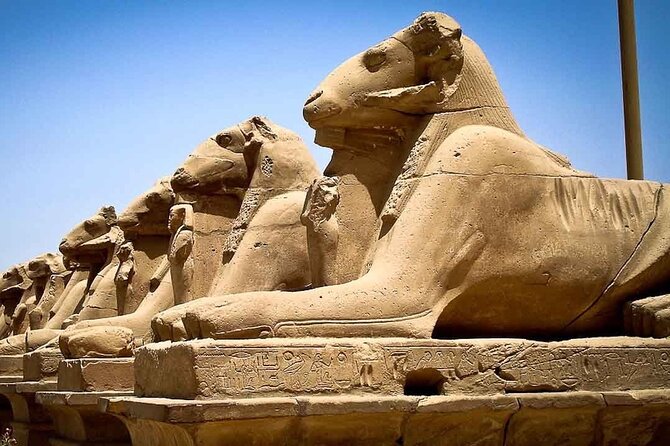
Your first true history stop is Temple of Karnak, one of the largest sacred spaces ever built in Egypt. You’ll spend about 2 hours here, with time to appreciate the columned halls, chapels, and sacred lake. Karnak isn’t one single temple; it’s a whole temple city, layered across reigns and renovations over centuries. Even when you only get a couple hours, a guide helps you see the layout instead of getting lost in the scale.
What I like about this inclusion is that Karnak is the best warm-up for the rest of the day. You start with stone power and religious symbolism, then you move to the West Bank’s more personal story—royal tombs and mortuary temples.
A practical note: Karnak is busy and can involve some walking. Comfortable shoes help more than anything else you can pack.
Lunch in Luxor and the Schedule Reality Check
Lunch is included in Luxor, which is a real value because it removes one of the hardest parts of planning an all-day Egypt trip: finding food that fits a tight itinerary.
Still, here’s the honest consideration. One downside flagged in feedback is that meals can feel pressed, especially if the day runs behind. If you’re the type who needs a leisurely sit-down, you might want to go into lunch with a mindset of quick fuel, not a long break.
Also, many tours in this region do involve a light push for tips at different stages. That’s not unique to this one, but it’s worth being prepared. If you prefer to keep it simple, decide ahead of time what you’ll do—then you can enjoy the rest of the day without awkward back-and-forth.
Felucca on the Nile: The Calm Break You’ll Appreciate
After Karnak, you head to the other bank of the Nile River via a felucca boat. This is one of the smartest pieces of the itinerary, because it gives your body a break and lets your brain reset between dense archaeological areas.
Even when the rest of the day feels fast, the felucca ride offers something different: light on the water, a slower rhythm, and a view of Luxor that you don’t get from temple courtyards alone. It’s also a handy transition moment—you’re physically crossing the river and mentally switching from one kind of story to another.
Valley of the Queens (Ta-Set-Neferu): Royal Burials, Human Stories
Next comes the Valley of the Queens, linked to the wives of pharaohs. Long before it became famous in modern travel books, it was called Ta-Set-Neferu, meaning place of beauty. The name fits, because even though it’s a burial landscape, the area is built with intention—chapels, tomb structures, and the quiet weight of a society preparing for eternity.
You’ll have about 2 hours here. Tickets are not included and must be paid in cash on the spot, so make sure you have the right payment method before you reach the ticket point.
This stop is for you if you like the human side of ancient Egypt. You’re not just looking at pharaohs and power—you’re seeing royal family roles and funerary planning for queens and elite women. A guided explanation helps a lot here, because the tomb entrances and details can be easy to miss if you’re just walking.





Deir el-Bahri and Hatshepsut: Monumental, Unusual, and Powerful
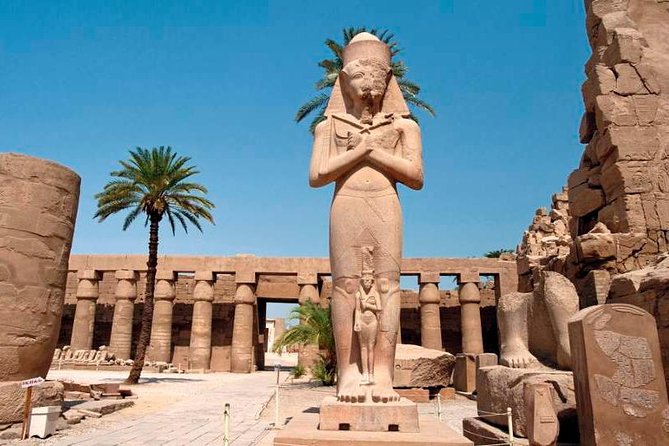
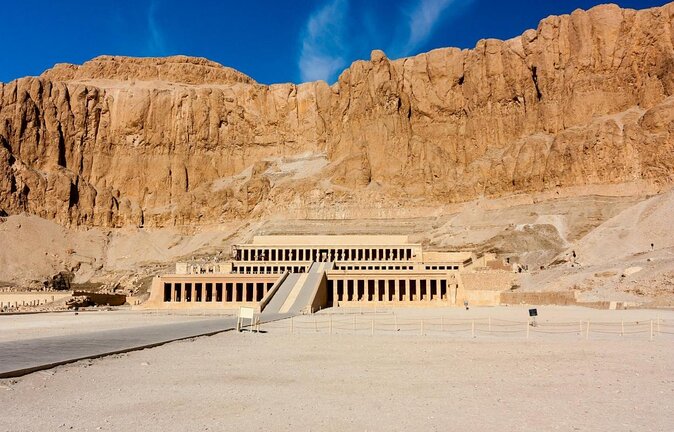
Then you visit the Temple of Mentuhotep II at Deir el-Bahri, with a focus on the astonishing legacy of Hatshepsut—the female pharaoh who ruled Egypt more than 3,500 years ago. This is a top “wow” moment because Hatshepsut’s program is both grand and carefully staged in the landscape.
You’ll spend about 1 hour at this area. Tickets for this stop are also not included (cash on the spot). The time can feel short, depending on how much you like architecture and sculpture details. But even within an hour, you can get the big idea: layered terraces, towering statues, and courtyards that show how innovative and forceful her reign was.
If you’re choosing one “must not miss” part of the West Bank, I’d pick this zone. It has strong visual impact and a narrative angle that’s different from the more typical pharaoh-only focus.
Colossi of Memnon: The Faces You Remember
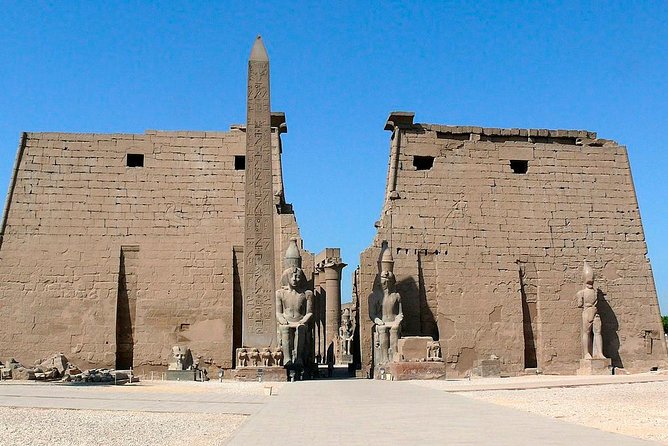
The Colossi of Memnon are two massive stone statues tied to Pharaoh Amenhotep III. They have stood for thousands of years in the Theban Necropolis area west of the Nile, and they’re one of those places where your brain goes: wait, these are still here.
This stop lasts about 1 hour. Good news: admission is included. That removes a lot of friction. You can walk in and focus on the statues instead of thinking about tickets and payments.
Even if you only spend an hour, the scale does the work. These aren’t small details; they’re monumental. You’ll get the sense of how ancient Egypt used landscape as part of the message: faces looking outward, a statement of rule and memory.
Alabaster Factory Visit: Craft, Trade, and a Quick Reality Check
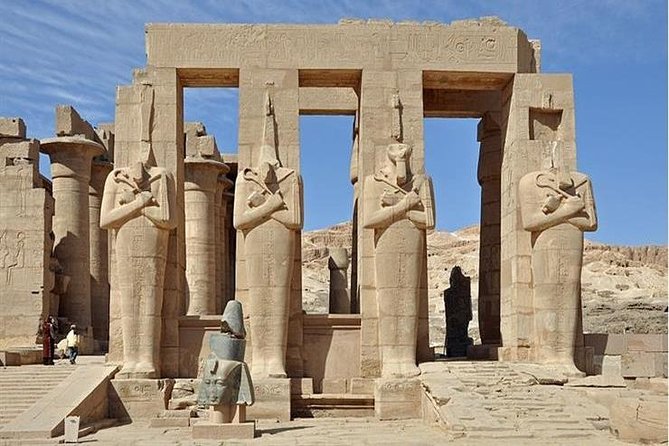
The tour also includes a visit to an alabaster factory. This isn’t a tomb or a temple, so it changes the mood. It’s more about how ancient motifs and local craft traditions connect to what you see in Egypt today.
What you should expect: a guided explanation of the material and its use, plus time that may include shopping pressure. You don’t have to buy anything. If you’re curious, watch the process, ask how the material is worked, and keep an eye on your time so it doesn’t cut into temple energy later.
This stop can be either a nice cultural break or an annoyance, depending on your tolerance for sales. I suggest treating it like a short workshop stop: learn what you can, then move on.
Price and Logistics: What Your $30 Actually Buys
At $30 per person, this is an aggressive price for an all-day Luxor plan. Here’s why that matters: transport from Hurghada, a licensed guide, lunch, multiple sites, and an included felucca ride are all included in that baseline cost.
But the budget reality is in the not included items:
- Karnak is included, but Valley of the Queens and Deir el-Bahri/Hatshepsut tickets are paid in cash on the spot.
- If you’re coming from nearby areas like El Gouna, Safaga, Somabay, Makadi, or Sahl Hasheesh, there’s a ten € transfer paid in cash on the spot.
So the best way to think about value is: you’re paying for the tour structure, guide, and major inclusions, then topping up for a couple of big entrance tickets. If you prefer to know every cost up front, this could feel less tidy.
One more logistics note: confirmation happens at booking time, and the day runs with a group schedule. With one piece of feedback mentioning late arrival and rushed parts of the day, you’ll want to build a little buffer into expectations. If your priority is a calm, unhurried pace, this is not a “meander and linger” plan.
Who This Tour Fits Best (and Who Should Skip It)
This tour is a strong fit for you if:
- you want a guided highlights run without doing DIY planning from scratch
- you like a mix of temples + burial landscape + Nile views
- you’re okay with early pickup and a long day
- you value that lunch is included
It may not be the best fit if:
- you dislike schedules with limited wiggle room
- you don’t want to handle cash tickets on the spot
- you prefer very detailed time inside each tomb/temple zone
If you’re traveling solo or in a small group and want structure, it’s also a reasonable way to cover a lot of ground.
Tips to Get the Best Day Possible
Since the day starts before sunrise, bring the basics that make temple time easier: sun protection, water, and shoes that handle uneven stone. Also, carry cash for the ticket stops so you’re not stuck negotiating while the day keeps moving.
And choose your attitude around pace. Temples in Luxor reward observation. But they also reward getting there early. If you keep your expectations realistic about timing, this trip can feel like a win: one long guided day with the big emotional hits of Luxor.
Should You Book This Luxor Day Trip?
If you want a high-coverage, guided Luxor day with transport from Hurghada, included lunch, a felucca break, and standout stops like Karnak, Valley of the Queens, and the Hatshepsut area, this is a good value at $30. It’s especially worth it if you’re the type who likes structure and wants to feel oriented quickly in a place this massive.
I’d book with eyes open about the one major friction point: tickets paid in cash on the spot and the fact that the itinerary is long and can feel rushed if timing slips. If you’re flexible, prepared, and okay with a full-day rhythm, this tour can deliver a memorable Luxor overview.
FAQ
What time does the tour start?
The meeting/start time is 4:30 a.m.
How long is the trip?
The duration is approximately 14 to 16 hours.
Where does the tour run from?
It’s based in Hurghada, with pickup and drop-off by air-conditioned vehicle from your hotel.
Is lunch included?
Yes. Lunch in Luxor is included.
Are tickets for Karnak included?
Yes. Karnak Temple is included.
Do I need to pay tickets for the Valley of the Queens and Deir el-Bahri?
Yes. Tickets for the Valley of the Queens and the Deir el-Bahri Temple of Hatshepsut (Mentuhotep II at Deir el-Bahri) must be paid in cash on the spot.
Is the Colossi of Memnon admission included?
Yes. Colossi of Memnon is included, and admission is listed as included.
Is there a boat ride?
Yes. You’ll have a felucca boat ride after Karnak.
Do I need cash for the additional transfer fee from other areas?
If you’re starting from El Gouna, Safaga, Somabay, Makadi, or Sahl Hasheesh, there is a ten € transfer fee paid in cash on the spot.
What is the cancellation policy?
Free cancellation is available. You can cancel up to 24 hours in advance for a full refund.