REVIEW · CAIRO
10 Day Treasures of Egypt Tour Giza Pyramids & Cairo & Nile Cruise & Abu Simbel
Book on Viator →Operated by Look at Egypt Tours · Bookable on Viator
Egypt is a checklist with muscle.
This 10-day program strings together Egypt’s biggest hits in a very efficient order, so you go from Giza pyramids to a Luxor-to-Aswan Nile cruise and then to the giant rock temples of Abu Simbel, with domestic flights handling the long distances.
I especially like that you get expert-led context, thanks to a trained Egyptologist guide, instead of just moving camera-to-camera. I also like the way the trip reduces stress: hotel stays, most meals, and even the local flights are built in, which matters when you’re dealing with Cairo traffic and the timing of temple entrances.
The one possible drawback is that this is a packed itinerary. You’ll spend long days in transit and on-site, and some add-ons like drinks and tipping aren’t included, so it can be a bit of a budget surprise if you forget to plan.
In This Review
- Key points to know before you go
- How this 10-day Treasures of Egypt tour stacks up for value
- Cairo days 1–3: Giza, Saqqara, Memphis, Egyptian Museum, Citadel, and Khan el-Khalili
- Giza pyramids and the Sphinx (plus the photos you’ll actually remember)
- Saqqara Step Pyramid and the early pyramid story
- Memphis ruins (and the kind of statue stop that pays off)
- Cairo Museum and Old Cairo’s trio
- Luxor temples and the west bank tomb day that changes your view
- Karnak and Luxor Temple: Egypt’s big idea of sacred space
- Valley of the Kings: choosing three tombs is the smart compromise
- Deir el-Bahari and Hatshepsut’s temple: power with style
- Colossi of Memnon: short time, big stone effect
- Edfu and Kom Ombo on the Nile: two very different temple moods
- Temple of Horus: roof intact, sand doing the saving
- Kom Ombo’s double temple: Sobek gets center stage
- Abu Simbel day trip: long hours, huge payoff
- Philae in Aswan and the shift back to Cairo
- The free day in Cairo: how to use it without losing momentum
- What you’re really paying for: guides, included meals, and the add-ons to budget
- Who this tour fits best (and who should think twice)
- Should you book the 10 Day Treasures of Egypt tour?
- FAQ
- Is pickup from the airport included?
- Are local flights included?
- What meals are included?
- Does the tour include an Egyptologist guide?
- Which major sights are included?
- Is this a private tour?
- How much can I cancel for a full refund?
Key points to know before you go
- Egyptologist-led visits keep the sites meaningful, not just scenic stops.
- Flight timing helps: Cairo → Luxor → Aswan → Cairo is handled for you.
- Abu Simbel is a full day (about 7 hours), so plan for an early, busy rhythm.
- Nile cruise temple stops include Karnak, Luxor Temple, Edfu’s Horus, and the double Temple of Kom Ombo.
- Most key sites have admission included, but not everything is covered (like Khan el-Khalili).
- A true free day in Cairo lets you breathe after the historical marathon.
How this 10-day Treasures of Egypt tour stacks up for value
At $2,795 per person, you’re paying for two things at once: time-savings and logistics. In Egypt, the biggest hassle is often coordination—figuring out routes, timing, and who takes you where—especially when you want pyramids, museums, and Upper Egypt without doubling back.
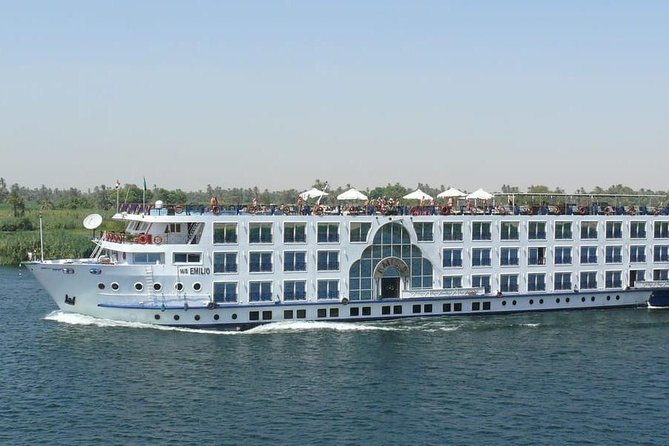
This tour solves that by bundling 9 nights of accommodation (on the cruise and in hotels), a qualified Egyptologist guide, and round-trip local flights between Cairo, Luxor, and Aswan. You also get most meals (breakfast is included for 9 days, with lunches and dinners included on most days), which is a big deal because it avoids constantly hunting for food between scheduled sights.
One more practical win: the tour offers pickup around the clock from the airport. In Cairo, that can mean the difference between a smooth arrival day and a frantic one. I’m also glad it’s described as a private tour/activity, meaning your group stays together instead of getting shuffled into a bigger mix.
You can also read our reviews of more boat tours in Cairo



Cairo days 1–3: Giza, Saqqara, Memphis, Egyptian Museum, Citadel, and Khan el-Khalili
Your Cairo start is straightforward. After you land, you’re met, assisted through formalities, and transferred to a hotel with an overnight stay in the city.
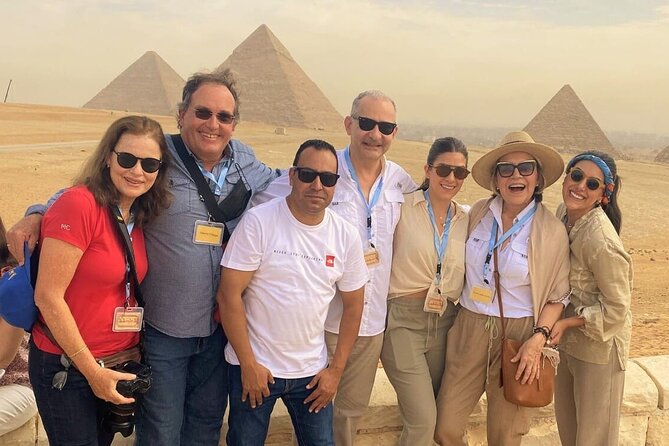
Then comes the big sweep: Giza pyramids and the Sphinx, plus Saqqara and Memphis on the same day. This is the best kind of “first taste of Egypt” because it anchors you in the real icon images—then quickly expands your view to earlier pyramid history.
Giza pyramids and the Sphinx (plus the photos you’ll actually remember)
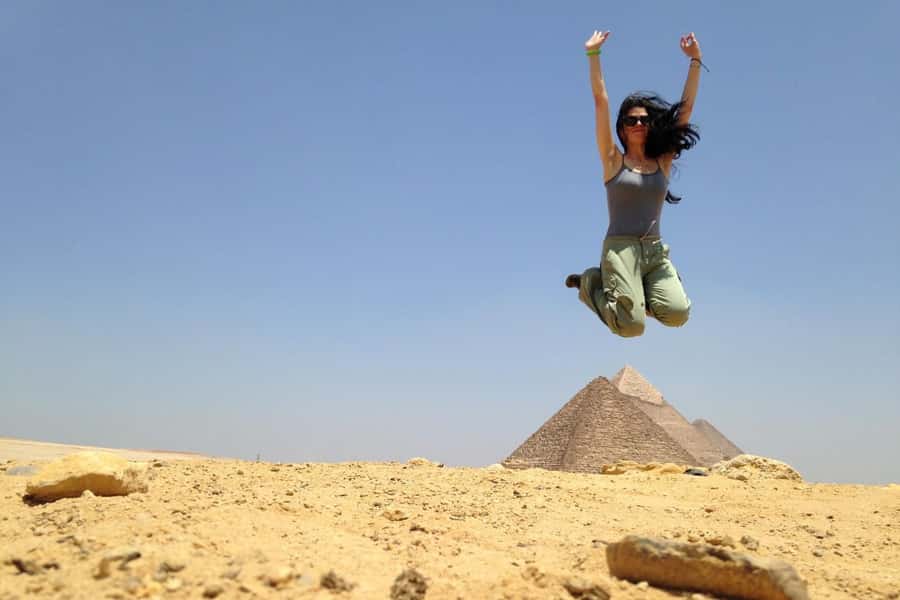
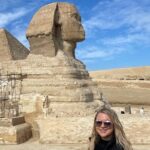
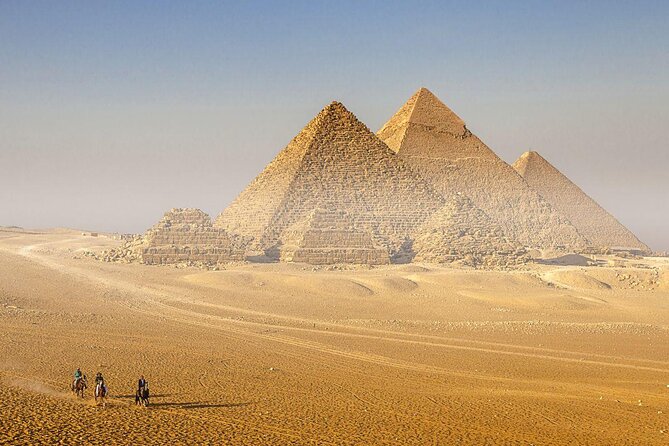
The Giza stop is long enough to feel like more than a quick drive-by. You’ll visit the pyramids and Sphinx at the base of the Giza plateau, and admission is included. This is also where you’ll want to pace yourself: it’s easy to over-focus on getting the perfect shot and miss the scale that makes this site so unforgettable.
Also, don’t skip walking a little and slowing down for the surroundings. Even if you’ve seen photos your whole life, being there in person is different because the structures dominate your sense of space.
Saqqara Step Pyramid and the early pyramid story
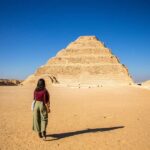
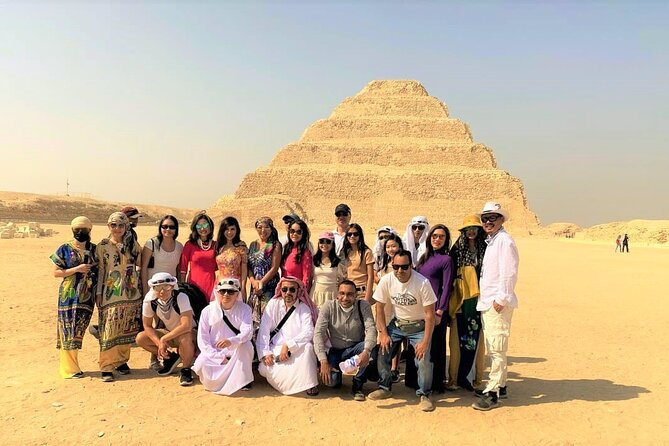
Next up is Saqqara (Sakkara) with the Step Pyramid of Djoser, tied to the third dynasty and credited as an early major stone project. It’s not just a pyramid—it’s a timeline in stone, showing how pyramid forms developed from earlier mud-brick tomb styles.
The Step Pyramid is built of locally quarried clay sandstone, and the site’s height (about 60 meters) helps you understand why archaeologists treat it as such a turning point. Admission is included, and the pacing feels more relaxed than Giza because the site encourages lingering.
Memphis ruins (and the kind of statue stop that pays off)
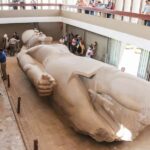
Then you hit the ruins of Memphis with an open-air museum setup. This is a practical choice in an itinerary like this: it places you in the wider world of royal monuments and sculpture, not just tombs and temples.
You’ll also see highlights described as a statue for King Ramses and an alabaster sphinx. It’s the type of stop that can feel short on a schedule, but it often sticks with people because it shifts the focus from structures to faces and symbols.
Cairo Museum and Old Cairo’s trio
Day 3 focuses on Cairo proper:
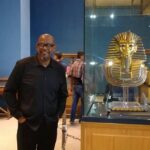
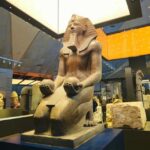
- Museum of Egyptian Antiquities (the Egyptian Museum/Cairo) with multiple hours on site
- Saladin Citadel for medieval fortification context and city views
- Khan el-Khalili, the historic souk area
The museum stop is big (described as holding 120,000 items, with 3 hours on-site). You won’t see everything in one visit, of course. But you’ll get a structured way to look at key collections rather than wandering randomly.
The Citadel adds a different layer: it reminds you Cairo isn’t frozen in ancient time. From the hilltop location near Mokattam, you get that panoramic feel of a modern city built around deep time.
Khan el-Khalili is where you slow down and get your bearings in the historic center. Admission isn’t included here, but that’s normal for a souk-style stop. If you enjoy shopping as a cultural experience (not just souvenirs), this is a solid place to spend that 2-hour window.
Luxor temples and the west bank tomb day that changes your view
After Cairo, the tour moves you into Luxor temple territory with Karnak Temple and Luxor Temple (both with admission included). These stops are about scale and repetition—the way Egyptian architecture uses axes, pylons, and courts to tell you where power lives.
Then the next day shifts to the Nile’s west bank with the Valley of the Kings, Hatshepsut’s mortuary temple, and the Colossi of Memnon.
Karnak and Luxor Temple: Egypt’s big idea of sacred space
Karnak is described as a vast complex dedicated mainly to Amun and dating back as early as 2000 BC. It’s ranked as second only to the Great Pyramids in popularity, and that tracks—because it’s vast. The value of visiting with a guide is that you learn what you’re looking at (and why it’s arranged the way it is), instead of getting overwhelmed by how much there is.
Luxor Temple keeps the flow going. It’s on the east bank and described as constructed around 1400 BCE. You’ll notice the change in mood and layout from Karnak’s sprawling courts to Luxor’s more focused sanctuary feel.
Valley of the Kings: choosing three tombs is the smart compromise
The Valley of the Kings stop is built around a practical plan: visit 3 tombs. That’s a good number because tombs can be emotionally heavy and physically tiring. With multiple tombs included, you get variety in decoration and royal stories without rushing through every opening.
Deir el-Bahari and Hatshepsut’s temple: power with style
Hatshepsut’s temple at Deir el-Bahari sits under cliffs near the Valley of the Kings. It’s known as the mortuary temple of Hatshepsut, an eighteenth dynasty pharaoh, and it’s described as being beneath rock formations rather than just on flat ground.
This stop matters because it shows you royal imagery wasn’t only about burials—it was also about legitimacy and public memory.
Colossi of Memnon: short time, big stone effect
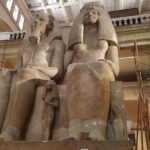
The Colossi are two massive statues of Amenhotep III, and they’ve stood for about 3,400 years. This is the type of stop that can feel too short—until you stand in front of the stone and realize you’re looking at the survival of art through time, not replicas in a museum.
Admission is free for this stop, so it’s a good add-on without extra cost.
Edfu and Kom Ombo on the Nile: two very different temple moods
One of the best parts of the program is the mix of temples while you’re moving on the Nile route. After Luxor, you’ll reach Temple of Horus at Edfu and Temple of Kom Ombo.
Temple of Horus: roof intact, sand doing the saving
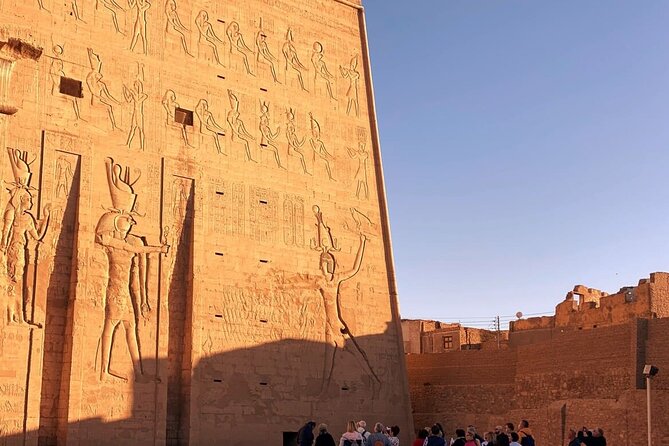
The Temple of Horus is Ptolemaic and described as one of Egypt’s best-preserved ancient monuments. A key detail in the description is the role of desert sand: after a pagan cult was banned, sand filled the place, helping preserve the roof intact and making the site especially atmospheric.
This matters for your experience. When buildings survive with their roof structure, they don’t just look ancient—they feel like you’re stepping inside the original enclosure.
Kom Ombo’s double temple: Sobek gets center stage
Kom Ombo is unusual because it’s a double temple built during the Ptolemaic dynasty. The south half is dedicated to the crocodile god Sobek, while the description notes themes around fertility and creation with Hathor and Khonsu.
If you like symbolism and variety, this stop is worth the time because it’s a change from the single-theme approach you see elsewhere.
Abu Simbel day trip: long hours, huge payoff
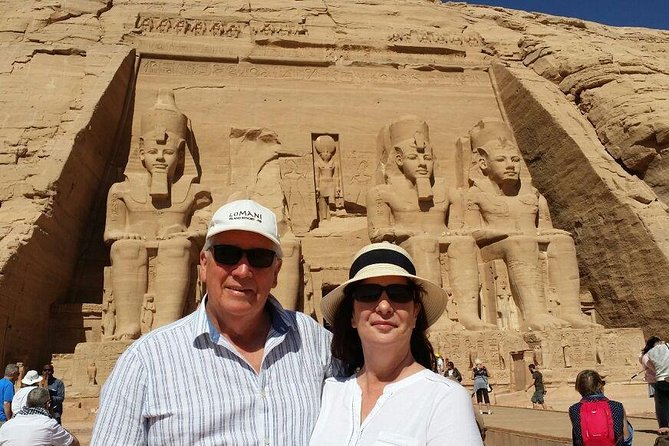
Abu Simbel is the headline add-on in this itinerary, and it’s not subtle. It’s described as a 7-hour stop, with the Abu Simbel Temple Complex—two massive rock temples near the border region with Sudan, built across Lake Nasser.
This day works best if you treat it like an event, not a typical temple visit. You’ll likely be up early and on your feet for long stretches. But when the scale hits—monument in rock, temples carved with precision—it’s the kind of experience that makes your whole trip feel connected.
Practical tip: bring snacks or plan around meal times even though lunches/dinners are included on most days. Abu Simbel is long, and having something extra on hand can keep the day from feeling like a sprint.
Philae in Aswan and the shift back to Cairo
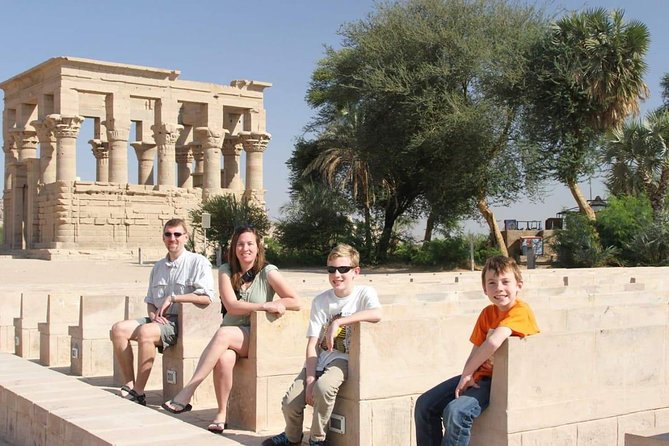
Aswan brings you to Temple of Philae, a key Nubian-era pilgrimage site tied to the cult of Isis. The description notes a UNESCO rescue project that saved the monuments by relocating them block by block from Philae Island to Agilika Island.
That UNESCO detail isn’t just trivia. It changes how you look at the temples because you understand they are surviving in a different form than originally built, due to real-world water and preservation challenges.
Then you transition back toward Cairo. The itinerary indicates you’ll be escorted to Aswan airport for your flight to Cairo, with your tour leader meeting you again at Cairo airport and taking you to your hotel.
This is one of those logistics choices you’ll appreciate later. Instead of trying to figure out domestic flights on your own, you stay focused on sites.
The free day in Cairo: how to use it without losing momentum
Day 9 is described as a free day in Cairo. That’s a rare gift in a packed trip like this because it gives your body a break from temples and your mind a chance to reset.
You can use the day for a second look at places you liked from Day 3, revisit parts of Islamic Cairo at a slower pace, or just do the basics: a long meal, a shop browse, maybe a walk where you don’t feel “on tour.”
Since you had early mornings and long travel days earlier, I’d treat this as recovery time. In Cairo, waiting to plan later can be a mistake, so having a loose idea in mind is smart.
What you’re really paying for: guides, included meals, and the add-ons to budget
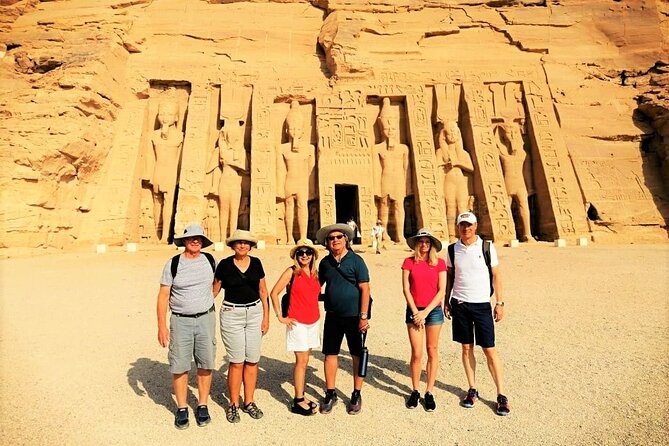
The biggest value driver here is the bundle of essentials:
- Accommodation for 9 nights (hotels and cruise or similar)
- Qualified Egyptologist guide
- Local flights covering Cairo–Luxor–Aswan–Cairo
- Meals: breakfast 9, lunch 7, dinner 4
- Airport pickup around the clock
From the named guide praise in the feedback, the operator seems to take staffing seriously. People specifically thanked team members like Mamoud for smooth arrival handling and guides such as Ahmed Abdul (praised for Aswan and Luxor) and Ibrahim Draz (praised for Giza and Cairo). Others also mentioned Ahmed and Randa as strong guide names. It’s not a guarantee, but it suggests you’re likely to get a calm, professional handling of the big moments.
Now the practical extras you should budget:
- Drinks are not included
- Tipping for guides and drivers is not included
- Admission isn’t included everywhere (Khan el-Khalili is listed as not included, and Cairo airport time is not included)
If you like to plan tightly, you’ll feel better knowing these are the typical “surprise costs” that show up at the end.
Who this tour fits best (and who should think twice)
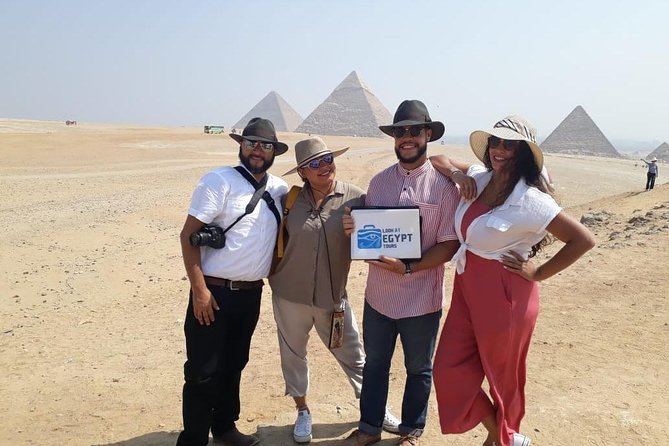
This itinerary is ideal if you want a lot of Egypt in one trip without spending extra energy on routing. You get pyramids, museums, major temples on the east and west banks, and Nubian-era sites like Philae and Abu Simbel.
It’s also a good choice for people who like structure. A start time of 8:00 am keeps the day moving, and a guided approach helps you understand what’s in front of you rather than guessing.
Think twice if you prefer slow travel and lots of free-form time every day. This schedule is packed enough that you’ll spend meaningful portions of your day at temples and in transit, and you may not have as much spontaneity as you’d like.
Should you book the 10 Day Treasures of Egypt tour?
If your goal is to see the major icons of Egypt—Giza, Saqqara, Cairo’s key museum stop, Luxor’s temple anchors, Edfu and Kom Ombo, and Abu Simbel—this tour does a strong job of tying those pieces together. The value is in the fact that you don’t have to manage flights and day-to-day logistics yourself, and you’re guided by an Egyptologist rather than relying on guesswork.
I’d book it if you’re the type who wants a clear plan, wants most meals and stays handled, and doesn’t mind a busy pace. I’d hesitate only if you want long unstructured days in each city, or if you’re sensitive to long outings like the Abu Simbel trip.
FAQ
Is pickup from the airport included?
Yes. The tour includes all pick up around the clock from the airport.
Are local flights included?
Yes. Round-trip local flights are included for Cairo–Luxor–Aswan–Cairo.
What meals are included?
Breakfast is included for 9 days. Lunch is included for 7 days, and dinner is included for 4 days. Drinks are not included.
Does the tour include an Egyptologist guide?
Yes. A qualified Egyptologist guide is included.
Which major sights are included?
The tour covers Giza pyramids and Sphinx, Saqqara Step Pyramid, Ruins of Memphis, the Egyptian Museum in Cairo, Cairo Citadel, Khan el-Khalili, Karnak Temple, Luxor Temple, Valley of the Kings (3 tombs), Hatshepsut’s temple, Colossi of Memnon, Temple of Horus (Edfu), Temple of Kom Ombo, Abu Simbel, and Philae Temple.
Is this a private tour?
Yes. It’s listed as a private tour/activity, and only your group will participate.
How much can I cancel for a full refund?
You can cancel up to 6 days in advance of the experience for a full refund.