REVIEW · ASWAN
04 Days Nile Cruise from Aswan to Luxor
Book on Viator →Operated by Deluxe Travel · Bookable on Viator
Nile nights on the Nile feel unreal. This 4-day Aswan to Luxor cruise pairs daytime temple visits with nighttime sailing, so you see Egypt in two moods: sunlit stone and river-dark calm. You’ll also get a guided walk-through of the big-name sites around both Luxor’s East and West Banks.
Two things I really like: the experience leans on a qualified Egyptologist guide, and that makes the temples easier to read instead of just looking at impressive ruins. I also like the value structure: meals and entrance fees are included, which keeps your day moving and your budget from turning into a side quest.
One drawback to keep in mind is that day-to-day timing can shift a bit for real-world navigation, and guides may mention optional add-ons. If you prefer tight control over extra spending, set your limits early and stick to them.
In This Review
- Key Points at a Glance
- 4 Days on the Nile: What This Aswan to Luxor Trip Feels Like
- Day 1 in Aswan: Philae Temple and the High Dam in One Powerful Start
- Day 2: Kom Ombo Temple and Edfu’s Horus Temple
- Day 3 in Luxor: Karnak, the Valley of the Kings, Hatshepsut, and Memnon’s Colossi
- Karnak Temple: The Pillar Hall Moment
- Valley of the Kings: Tombs With Layers of Choice
- Temple of Hatshepsut at Deir el Bahari: A Female Pharaoh in Stone
- Colossi of Memnon: Standing Guard Over Time
- Day 4: Breakfast, Then Off to Luxor Airport or Train Station
- What’s Included (and Why It Feels Like Good Value)
- Price Check: When This Deal Feels Like a Smart Pick
- Getting the Most From Your Egyptologist Guide (Without Letting Extras Take Over)
- Practical Tips for a Smoother Nile Cruise Experience
- Who Should Choose This Aswan to Luxor Nile Cruise?
- Should You Book the 04 Days Nile Cruise from Aswan to Luxor?
- FAQ
- How long is the Nile cruise from Aswan to Luxor?
- What does the price include?
- Are entrance fees included?
- Which temples and sites are visited?
- Is pickup and drop-off included?
- How big is the group?
- Can the itinerary change order?
Key Points at a Glance
- Aswan + Luxor, paced for first-timers: big temples without trying to cram every stop into one exhausting day
- Egyptologist-guided temple visits: you get the why behind what you’re seeing, not just the where
- Meals and entrance fees included: fewer surprises, smoother sightseeing flow
- Small group size (max 15): easier to ask questions and keep your day organized
- A mix of classic icons: Karnak and Luxor Temple areas, plus West Bank sights like Hatshepsut and the Valley of the Kings
- Flexibility for navigation: the order may change, but the program is designed to stay intact
4 Days on the Nile: What This Aswan to Luxor Trip Feels Like
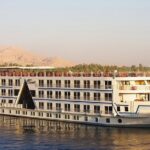
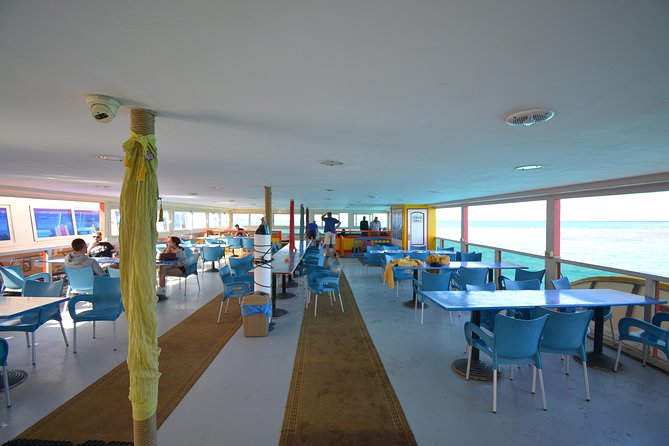
This is a 4-day, 3-night Nile cruise that starts in Aswan and finishes in Luxor, with an Egyptologist guiding you through major stops on both sides of the river. The cruise uses a 5-star ship (M/S Medea or similar), and the whole rhythm is built around sailing time plus guided temple visits.
The group size is capped at 15 travelers, which matters more than it sounds. Big buses can feel like a conveyor belt; smaller groups let the guide slow down when you want to ask a question (and many guides do exactly that). Starting time is listed as 12:00 pm, so plan for an afternoon start and an early-to-mid pace in the days that follow.
One small logistics win: you get a mobile ticket, and pickup/drop-off is included. That reduces the usual Egypt trip stress of figuring out where to meet and what to show.
You can also read our reviews of more boat tours in Aswan
- 4-Days Nile Cruise From Aswan To Luxor including Abu Simbel and Hot Air Balloon
★ 5.0 · 3,142 reviews

Day 1 in Aswan: Philae Temple and the High Dam in One Powerful Start
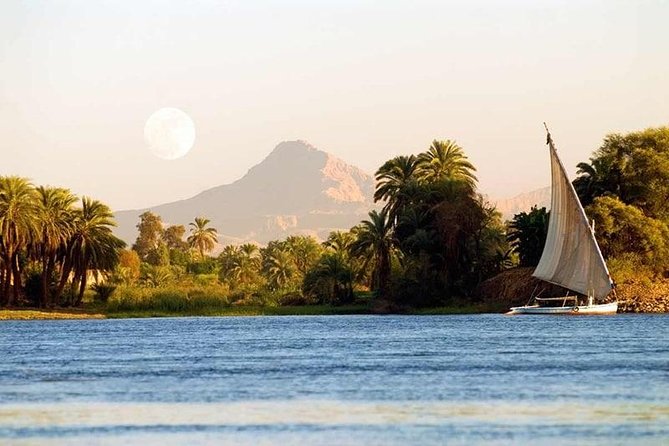
Day 1 begins in Aswan with two very different kinds of landmarks, both tied to how Egypt learned to live with the Nile.
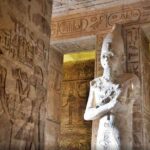
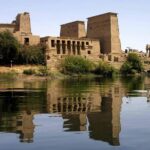
First up is Philae Temple, a major site associated with Isis. It’s the kind of place where you start understanding that Egyptian temples weren’t just religious buildings. They were also political statements and survival tools for a civilization that depended on the river’s patterns. In the river air, the carvings and architecture can feel more grounded, less like museum stone.
Then you move to Aswan High Dam, an engineering landmark that helped regulate water during the flood season. Even if you don’t care much about dams, it’s worth looking at this through an Egypt-traveler lens: the Nile’s behavior shaped farming, transport, and where people could live. When you see the dam right after Philae, you get the whole cause-and-effect story faster.
Practical note: this is a heavier start day because you’re touring on arrival. Wear comfortable shoes and keep water handy. You’re about to step into a trip where walking and heat management matter more than fancy pacing.
Day 2: Kom Ombo Temple and Edfu’s Horus Temple
After Day 1, the cruise sets you up for a classic Nile contrast: one temple that feels like it’s watching the river from above, followed by another that’s one of Egypt’s best-preserved big names.
In the morning, the ship sails to Kom Ombo Temple, dedicated to Sobek. Kom Ombo has a special layout that reflects dual devotion, and it’s the sort of stop where the guide’s explanations really help. If you’ve ever felt lost in temple labeling, you’ll appreciate a guide who connects the symbols to the bigger Egyptian worldview.
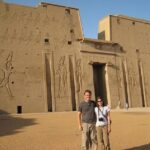
Next you head to Edfu Temple, dedicated to Horus. The transfer to the temple is listed as a short horse carriage ride, which is brief, not a full excursion. Edfu is often described as especially well preserved, and walking into that space is like getting a clearer read on what the Egyptians built and why it mattered.
This is also a good day for photos, but treat it like a museum moment: take your time with the details. The carvings and layout don’t all shout at once, and rushing means you miss what makes Edfu memorable.
Day 3 in Luxor: Karnak, the Valley of the Kings, Hatshepsut, and Memnon’s Colossi
Day 3 is the most packed-feeling day, but it’s packed with meaning. You start on the East Bank and then cross to the West Bank for the Pharaoh tomb area and royal memorials.
Karnak Temple: The Pillar Hall Moment
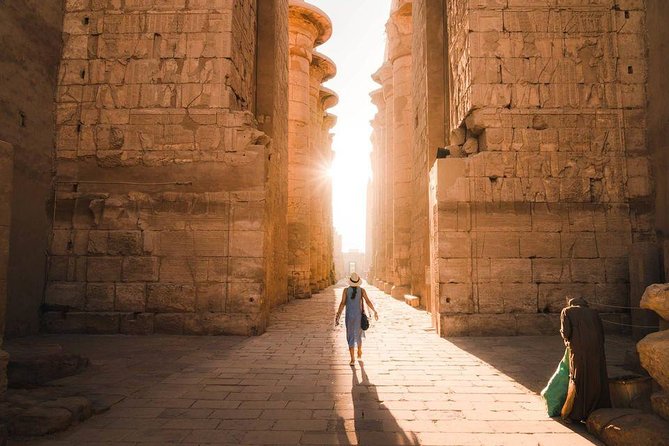
You begin with Karnak Temple, famous for its scale and architecture. You’ll spend time at the huge pillar hall, and you’ll also see the sacred lake area. Karnak is one of those places where the first ten minutes can overwhelm you. The guide’s job here is turning overwhelm into recognition—showing you how the spaces relate and what you’re looking for.
If you’re the type who wants to understand rather than just witness, Karnak is where you’ll feel the benefit most from a good Egyptologist guide.



Valley of the Kings: Tombs With Layers of Choice
Next comes the Valley of the Kings on the West Bank. You’ll visit three tombs. The tour information also notes that some of the major tombs require extra charge, which is important to know. If you have a strong preference for a specific tomb, ask the guide how the options work and decide early so you don’t feel rushed later.
The Valley feels different from the temples. It’s quieter, more enclosed, and it shifts the focus from public worship to royal afterlife planning. The walls you see inside can feel surprisingly close once you’re standing there.
Temple of Hatshepsut at Deir el Bahari: A Female Pharaoh in Stone
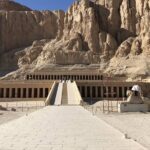
Then you visit the Temple of Hatshepsut at Deir el Bahari, and yes, this is a big deal: it’s noted as the temple dedicated to a female pharaoh. Walking into that setting gives you a new angle on Egyptian power—one that isn’t just male kings and war scenes.
Hatshepsut’s temple sits in a dramatic setting, cut into the hills, and it’s the kind of stop that makes the West Bank feel less like tomb country and more like royal storytelling.
Colossi of Memnon: Standing Guard Over Time
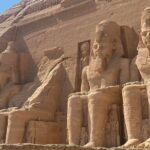
On the way, you also see the Colossi of Memnon. These two massive statues are described as standing in the fields, thought to be at the entrance to his major temple (now demolished). The Colossi work as a visual punctuation mark: after tombs and temples, you get a huge, still reminder that Egypt’s monuments were built to be seen from far away.
One more reason this matters: if you’re visiting Egypt for the first time, Memnon helps you connect the dots between “Temple” and “monument.” It’s all part of the same plan.
Day 4: Breakfast, Then Off to Luxor Airport or Train Station
Day 4 is built for a clean finish. You’ll have breakfast on board and then transfer to Luxor airport or Luxor train station for final departure.
This kind of ending is practical. You’re not trying to squeeze in one last whirlwind temple stop before leaving. Instead, you get a calmer final morning and a straightforward exit.
If you’re planning your next leg, give yourself buffer time. Airports and stations can move slowly once groups start to gather. A little patience now prevents stress later.
What’s Included (and Why It Feels Like Good Value)
Let’s talk money, because $535.50 per person can sound either high or fair depending on what’s bundled.
Here’s what your cost includes:
- 3 nights on board a 5-star Nile cruise (M/S Medea or similar)
- Qualified Egyptologist guide
- All sightseeing as per the program
- Pickup and drop-off (airport or train station)
- Breakfast, lunch, and dinner for 3 days
- Admission tickets for the listed temple sites and major stops
Value-wise, the meals and entrance fees are the big wins. If you had to pay entrances and guide time separately each day, you’d almost certainly spend more and lose time to logistics. Here, the structure means fewer lines, fewer ticket counters, and fewer decisions.
Also, the cruise aspect isn’t just a ride. It’s part of the pacing between sites. The sailing time helps you recover so the temples don’t all blur together.
Price Check: When This Deal Feels Like a Smart Pick
This trip makes sense if you want:
- A guided route from Aswan to Luxor with the key “must-see” temples
- A schedule that doesn’t require you to constantly negotiate tickets, timings, and transport
- The comfort of included meals so you can focus on sites instead of hunting food
It may not be the best fit if you:
- Want total freedom to skip specific tombs or temples without any guided flow
- Prefer a much slower, purely sightseeing pace with lots of free time built in
Getting the Most From Your Egyptologist Guide (Without Letting Extras Take Over)
One of the strongest parts of this kind of trip is how much a good guide can change your experience. In this route, names like Emad, Mohamed El Aswany, Ashraf, and Yasser show up connected with friendly, question-ready guiding styles. The common thread in the guidance approach is clear explanations, plus a dose of human warmth.
Here’s how you can get that value fast:
- Ask one question at each stop. Start with what the temple symbol means, not just what the building is called.
- If you care about specific tomb choices in the Valley of the Kings, decide your priorities before you arrive at the site area where options come up.
- If optional upgrades or extras are mentioned, stay calm and specific: you can say yes or no without feeling awkward.
A small caution: at least one account mentions a guide being pushy about spending. That doesn’t mean it will happen to you, but it’s smart to set your personal budget rules upfront.
Practical Tips for a Smoother Nile Cruise Experience
This is a tour where timing and comfort matter more than travel fashion.
Footwear and walking: You’ll be on your feet for temple floors, uneven outdoor surfaces, and stairs inside some areas. Comfortable shoes pay off immediately.
Hydration: You’ll be outside during portions of the day. Even if conditions vary, treat water as a daily necessity.
Photo strategy: Don’t try to photograph everything. Pick 2 to 3 moments you really want—like the pillar hall at Karnak, the approach to Hatshepsut, or the monumental scale of the Colossi of Memnon—then let the rest be for your eyes.
Plan around re-ordering: The tour notes that the order of visits can change due to navigation circumstances, but the overall program will be respected. So if you’re the kind of person who maps the day minute-by-minute, keep your schedule flexible.
Who Should Choose This Aswan to Luxor Nile Cruise?
This cruise fits best if you’re:
- Visiting Egypt for the first time and want the main sights covered logically
- The type who enjoys a guide translating what you’re seeing into something you understand
- Looking for a blend of cruise comfort plus guided temple touring
If you love long, slow wandering without structure, you might feel the days are packed. But for most people, the balance of sailing plus guided stops is exactly what makes this route satisfying.
Should You Book the 04 Days Nile Cruise from Aswan to Luxor?
I’d book it if your top priority is a well-run Aswan-to-Luxor experience that bundles meals, entrance fees, and expert-guided temple visits into one price. The value is strongest if you don’t want to spend your days managing tickets and transport.
I’d think twice if you know you want extra free time or you dislike any mention of optional add-ons. If that’s you, the solution is simple: set your boundaries early, pick your must-do tombs, and keep decision-making calm.
Overall, this is a solid way to see Egypt’s temple highlights while still feeling like you’re traveling the Nile, not just hopping from stop to stop.
FAQ
How long is the Nile cruise from Aswan to Luxor?
It’s a 4-day experience, with about 3 nights on board.
What does the price include?
The package includes 3 nights on board (M/S Medea or similar), a qualified Egyptologist guide, all sightseeing listed in the program, airport or train station pickup and drop-off, and breakfast, lunch, and dinner for the included days.
Are entrance fees included?
Yes. Admission tickets for the listed visits are included.
Which temples and sites are visited?
You’ll visit Philae Temple and Aswan High Dam (Day 1), Kom Ombo Temple and Edfu Temple (Day 2), Karnak Temple, the Valley of the Kings (three tombs), Hatshepsut at Deir el Bahari, and the Colossi of Memnon (Day 3). Day 4 includes breakfast and transfer for departure.
Is pickup and drop-off included?
Yes. Airport or train station pickup and drop-off is included for all travelers.
How big is the group?
The tour has a maximum of 15 travelers.
Can the itinerary change order?
Yes. The sequence of visits may change due to unexpected navigation circumstances, but the program will be respected.
You Might Also Enjoy
More Boat Tours & Cruises in Aswan
- 4-Days Nile Cruise From Aswan To Luxor including Abu Simbel and Hot Air Balloon
★ 5.0 · 3,142 reviews
More Tour Reviews in Aswan
- 4-Days Nile Cruise From Aswan To Luxor including Abu Simbel and Hot Air Balloon
★ 5.0 · 3,142 reviews