REVIEW · CAIRO
Two days Giza and Cairo, covering the most attractive sightseeing
Book on Viator →Operated by Explore Egypt tours · Bookable on Viator
Two days, three pyramids, one smart plan. This package hits the biggest Cairo and Giza sights in a tight loop, with private air-conditioned car transfers and a professional Egyptologist guiding you through it all. I love the structured museum time at the Egyptian Museum, especially the chance to understand key artifacts like the Narmer painting and the pharaoh statues that connect directly to the builders of Giza. I also like how Old Cairo gets equal weight, not just as a quick stop, with the Hanging Church and Abu Serga adding real context to the Holy Family story. One consideration: the Great Sphinx stop is marked as admission not included, and the schedule is packed, so you’ll want to plan for a long, sun-heavy day in Giza.
Past trips also point to strong on-the-ground service. People praised friendly guides such as Salma and Doaa, and they even named driver Ezat and guides Inas and Mahmad for keeping things organized and informative. That matters in Cairo—when traffic and timing can get messy, a good team makes the difference.
In This Review
- Key highlights worth your attention
- How this 2-day Cairo and Giza plan saves you from logistics
- Egyptian Museum: Narmer, royal dynasties, and why it sets up Giza
- Old Cairo churches: Hanging Church and Abu Serga in Fortress of Babylon
- The Hanging Church (Virgin Mary Church)
- Church of St. Sergius and Bacchus (Abu Serga)
- Khan el-Khalili Bazaar: shopping maze with a purpose
- Giza Necropolis with an Egyptologist: pyramids that become stories
- The second Giza stop: expanding to more pyramids
- Great Sphinx and Valley Temple: see the icon, then judge the add-on
- Saqqara’s Step Pyramid and tomb paintings: the best contrast to Giza
- Memphis open-air museum: Ramses II in real scale
- Price and value: what $154 covers in real-world terms
- Who should book this two-day Cairo and Giza package
- Should you book? My practical take
- FAQ
- How long is the Cairo and Giza package?
- Is hotel pickup included?
- Will I have an Egyptologist guide?
- Are entrance fees included?
- Is lunch included?
- Do I get a mobile ticket?
- What’s the group size limit?
- Is tipping included in the price?
- Is free cancellation available?
Key highlights worth your attention
- Egyptologist-led Egyptian Museum visit with dedicated explanation time (including Narmer)
- Old Cairo churches inside Fortress of Babylon: the Hanging Church and Abu Serga
- Khan el-Khalili with guidance through the souk as a practical shopping and photo stop
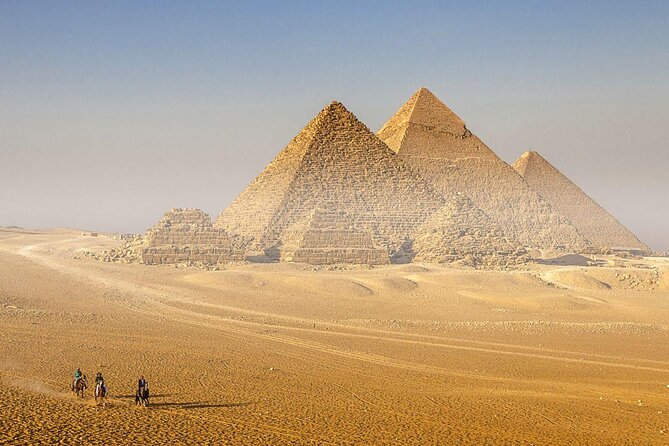
- A full Giza sweep focused on the 4th Dynasty pyramids plus additional pyramids
- Saqqara’s Step Pyramid and painted tombs with hieroglyphs you can actually look at
- Memphis open-air museum built around a fallen Ramses II colossus
How this 2-day Cairo and Giza plan saves you from logistics
If your trip is short, Cairo can feel like a menu with too many items and not enough time. This two-day format is built to remove the guesswork. You get hotel pickup and transfers by private air-conditioned car, then a guide who handles the “what to see and why it matters” part.
The big value here is balance. Day 1 leans into Cairo’s layers—Egyptian pharaonic power at the Egyptian Museum, then centuries of Christian worship in Old Cairo, then local street energy at Khan el-Khalili. Day 2 shifts fully into the pyramid world: Giza first, then Saqqara and Memphis. You aren’t spending extra time figuring out transport between distant sites.
One more detail I like: the group size is capped at a maximum of 30. That usually means you’ll still have some atmosphere of a shared experience, but you’re not stuck in a massive herd that moves like a conveyor belt.
A few more Cairo tours and experiences worth a look


Egyptian Museum: Narmer, royal dynasties, and why it sets up Giza
The Egyptian Museum is the start button for the whole trip. You’ll spend about 2 hours here with an Egyptologist guide, which is exactly how you should do it if you want meaning, not just photos.
Here’s what you’ll focus on:
- The museum’s deep connection to Egyptian culture, including how the collection came together over time.
- The Narmer painting, tied to the unification of Upper and Lower Egypt under one king. That’s not a random artifact—it’s the kind of turning point that helps explain why later monument-building happened with this level of organized power.
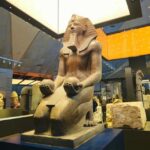
- Large statues of kings associated with the Giza pyramid era—Cheops, Chephren, and Menkaure.
This museum stop also does something practical: it gives you the “vocabulary” for the next day. When you stand in Giza and Saqqara, you’ll recognize names, dynasties, and the idea of royal authority expressed through architecture and ritual. Without that context, pyramids can turn into visual landmarks only.
Practical note: it’s a museum, so comfortable shoes help. Also, expect a lot of looking upward and forward mentally—you’ll be learning while you walk.
Old Cairo churches: Hanging Church and Abu Serga in Fortress of Babylon
Day 1 doesn’t stop at pharaohs. It pivots into early Christian Egypt, and it does it in two unmissable church sites.
The Hanging Church (Virgin Mary Church)
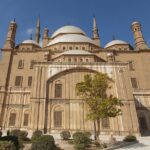
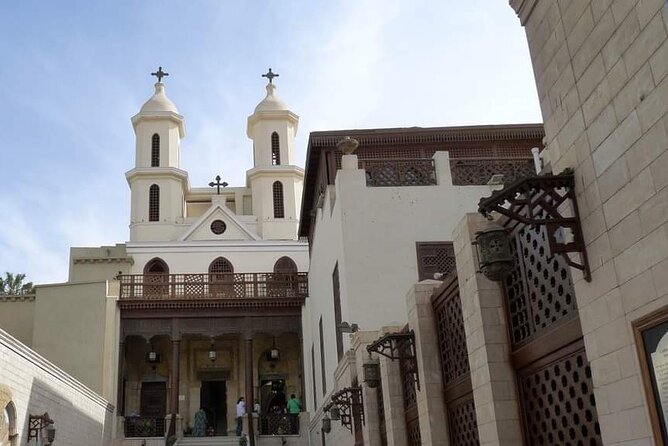
You’ll visit the Hanging Church, often described as the oldest surviving church in Egypt. The guide will explain why it’s called hanging: it was built on two ancient towers from the Roman-era Fortress of Babylon.
There are also specific visual details that make this more than a background church stop. Inside, you’ll see icons in Greek Orthodox style, and the church is supported by thirteen pillars representing Christ and the twelve apostles. This kind of symbolism is easy to miss when you walk in on your own, so having interpretation matters.
The stop includes admission ticket is listed as free in the itinerary, and the time on site is about 1 hour. That’s enough to see the core points without feeling rushed.
Church of St. Sergius and Bacchus (Abu Serga)
Then you’ll go to Abu Serga, also about 1 hour. This church is tied to the Holy Family’s escape journey. What you’re really seeing is a Coptic-style architectural and artistic setup that reflects early Christian worship layout—porch, nave, and sanctuary—with a cave space under the sanctuary area.
The guide will point out distinctive features, like the pulpit, font, and the inlaid templons, plus decoration dedicated to saints and apostles. The interesting “real world” angle: these aren’t just museum-like objects. They’re living religious spaces, so you’ll need to keep your voice low and move respectfully.
Both churches are also grouped within the Fortress of Babylon complex, which helps you understand the area as an evolving religious and cultural site rather than disconnected buildings.



Khan el-Khalili Bazaar: shopping maze with a purpose
After the quiet intensity of the churches, you’ll head to Khan el-Khalili Bazaar—about 1 hour. This is one of Cairo’s best-known souks, and it’s easy to see why: it’s crowded, loud, and full of color and scent.
But the useful part is how this stop is framed. Your guide treats it like an open-air museum. Instead of just walking through, you’ll be steered through labyrinthine streets and you’ll get targeted ideas for what to look for.
You can use this time for:
- Souvenirs and small gifts
- Copies of Ancient Egyptian artifacts
- General atmosphere photos, plus the chance to soak up everyday Cairo energy
If you’re picky about purchases, this is still worth doing because it gives you a reality check. You’ll learn quickly what’s easy to buy, what’s heavily copied, and how vendors behave in a busy market environment.
A simple tip: wear light layers and keep cash and bags organized. This is the kind of place where you’ll want to enjoy the chaos without losing control of your day.
Giza Necropolis with an Egyptologist: pyramids that become stories
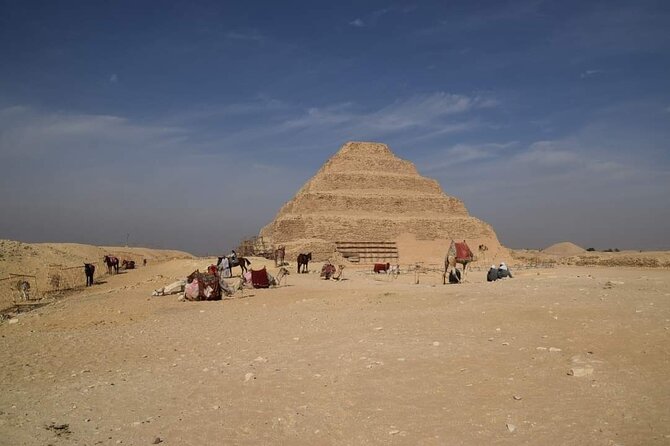
Day 2 begins with pickup and an air-conditioned car ride to Giza. Expect a big-picture approach first, before you jump into the finer details.
You’ll spend time at the Giza Necropolis, focusing on the 4th Dynasty pyramid era (around 2550 B.C.). The itinerary highlights:
- The three famous pyramids of Giza Plateau: Cheops, Khafre, and Menkaure
- Smaller pyramids belonging to queens
- A specialist guide interpretation of stories and secrets
You’ll get about 1 hour in this first Giza block, with admission ticket included in the package details for this stop.
I like the structure because it keeps you from getting lost in the scale. When you’re on the plateau, everything is big, and time passes fast. A guided entrance and order of viewing helps you actually see the geometry and relationships between structures rather than just admiring the silhouette.
Also, quick reality check: you won’t cover everything around Giza in two days, and that’s the point. The tour is designed to prioritize the most recognized monuments and the most meaningful connections between them.
The second Giza stop: expanding to more pyramids
Then you continue with another Giza viewing segment labeled as Pyramids of Giza. This part is where the visit expands—up to 9 pyramids total, including the three king pyramids and 6 smaller pyramids associated with queens.
Even though it’s another 1 hour, think of it as your chance to spot what you missed the first time. The guide focus tends to shift from initial introduction to more specific interpretation—why certain structures sit where they do and how the layout reflects royal planning.
Admission is marked as free for this stop in the itinerary details, but your guide still does the important job: pointing out what to pay attention to as you move.
If you’ve ever felt like pyramids are either “too crowded” or “too confusing,” this split format can help. You get two chances to orient yourself to the plateau instead of forcing one rushed pass.
Great Sphinx and Valley Temple: see the icon, then judge the add-on
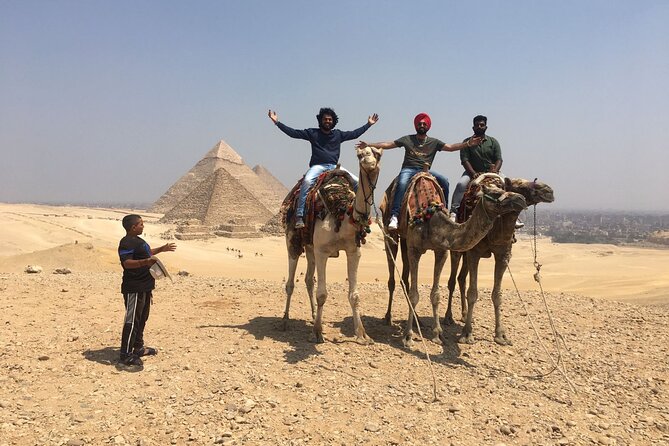
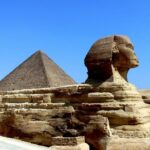
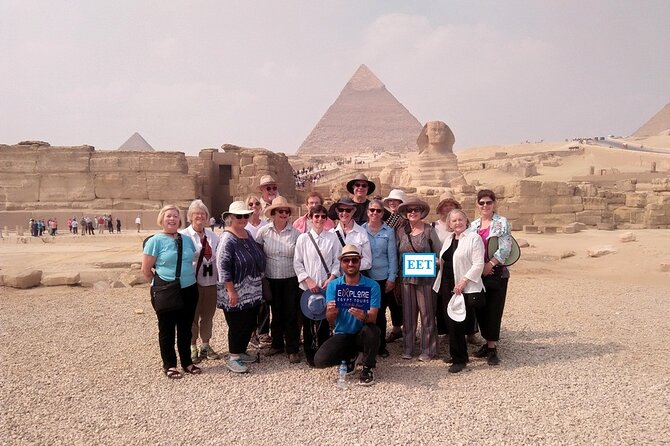
After Giza’s pyramid focus, you’ll visit the Great Sphinx. The itinerary also notes the Valley Temple of King Khafre, connected to the Sphinx area. This temple is described in the context of mummifying Khafre after death.
The Sphinx itself is described with a few key layers:
- The lion body and human head link it to Khafre
- The Arabic name Abu Al Hol (Father of Terror)
- The Greek naming tradition, connected to their myth of a riddle-asking monster
There’s also mention of geological surveying suggesting the Sphinx was carved from bedrock and likely during Khafre’s reign.
One key consideration: the Great Sphinx stop is listed as admission not included. That doesn’t mean you can’t see it—you usually can. But if you’re planning to add any paid access tied to this stop, you’ll want to budget extra.
Timing matters here too. The Sphinx area can get hot and exposed. If you’re going in shoulder season or summer, start hydrating early and keep moving in short bursts with breaks.
Saqqara’s Step Pyramid and tomb paintings: the best contrast to Giza
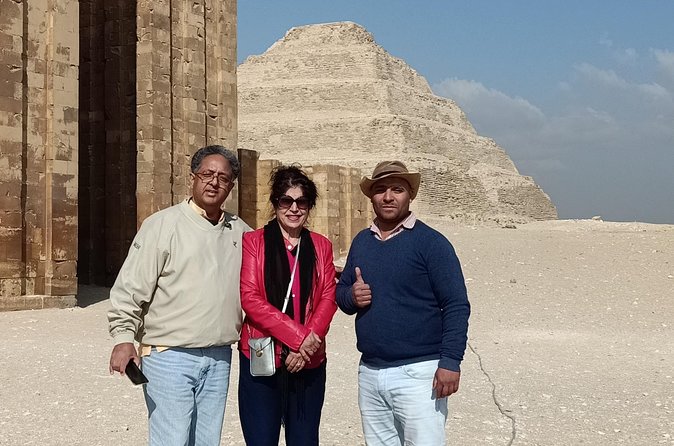
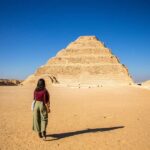
If Giza is about the final form you recognize from postcards, Saqqara is where you see the idea growing up. This stop covers the Step Pyramid of Zoser, described as the first stone structure in history and considered as the first pyramid ever.
You’ll also visit pyramids from the 5th and 6th dynasties, plus a special tour inside to discover hieroglyphics. Then you move to Old Kingdom tombs where paintings and colors are highlighted.
This is a high-value contrast. In Giza, you often see structures at a distance and fight crowds. In Saqqara, you get more opportunities to understand the evolution of pyramid building and the artistic language inside tomb spaces.
The itinerary lists the Saqqara admission as free in the stop details, and the time is about 1 hour. That’s enough to hit the major sights and get a sense of why Saqqara matters even if you’ve already seen the pyramids at Giza.
A practical note: interior spaces can feel cooler, but you’ll be walking more inside and around older structures. Keep your camera ready, and bring patience for slow viewing moments when you’re looking at small painted details.
Memphis open-air museum: Ramses II in real scale
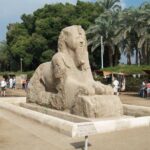
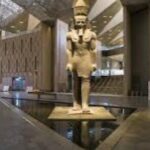
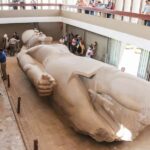
After Saqqara, the tour heads to Memphis, founded around 3100 B.C. It’s presented as the legendary city of Menes, and the focus here is the open-air museum built around a massive fallen limestone statue of Ramses II.
This is one of those stops where scale hits you. The statue’s position on its back lets you inspect the carving up close, with even small details noted in the tour description. You’ll also see another related statue moved for display near the Grand Egyptian Museum construction area.
Your tour time is about 1 hour, and admission is marked included for this stop.
Memphis is a nice ending because it connects monuments to a living urban idea. In two days you’ve gone from museum artifacts to temple and church sites to pyramid complexes. Memphis adds the feeling that Egypt’s power wasn’t only expressed in one desert area—it was built into cities, statues, and public space.
Price and value: what $154 covers in real-world terms
At $154 per person for about two days, this package is most cost-effective when you care about three things:
1) Guided interpretation (Egyptologist time at the Egyptian Museum and other stops)
2) Private air-conditioned transfers from your hotel
3) Entrance fees included for several key sites (not everything is included, but many are)
The itinerary explicitly includes entrance fees to the Egyptian Museum, Old Cairo church sites, and several of the pyramid-area stops (including pyramid/Saqqara/Memphis). Lunch is included only if you select the option, so check that choice before you go.
The Great Sphinx stop is marked as admission not included in the itinerary details. That’s the kind of small “budget surprise” you’ll want to plan for ahead of time so it doesn’t distract you once you’re there.
For value, I’d also weigh the group size cap of 30. That size suggests you’ll still get movement and guidance without feeling like you’re stuck behind too many people at every turn.
Who should book this two-day Cairo and Giza package
This tour fits best if:
- You want big-ticket sights in a short timeline
- You like learning with an Egyptologist instead of roaming on your own
- You want Cairo included, not just Giza
- You prefer hotel pickup and air-conditioned transfers
You might skip it (or choose a slower plan) if:
- You hate fast pacing and lots of stepping in and out of vehicles
- You’re very focused on one site and don’t want a multi-stop day
- You expect every single entrance fee on the pyramid circuit to be included (the Sphinx stop is marked as not included)
Should you book? My practical take
Yes—if your time is limited and you want a smart hit list with interpretation, this package makes sense. The strongest part is how it connects Cairo’s layers (museum and Old Cairo churches) to the pyramid world in two efficient days. The Egyptologist-led approach at the Egyptian Museum and the structured Old Cairo church stops give you more than just postcard views.
Before booking, do one simple check: confirm whether lunch is selected and understand that the Great Sphinx stop is marked as admission not included. If you’re clear on those points, you’ll likely get exactly what you came for—Giza’s iconic monuments, Saqqara’s evolution, and Cairo’s religious history in a way that feels organized instead of chaotic.
FAQ
How long is the Cairo and Giza package?
It’s a 2-day experience (approximately).
Is hotel pickup included?
Yes. The tour includes all transfers in a private air-conditioned car to/from your hotel.
Will I have an Egyptologist guide?
Yes. You’ll travel with a professional Egyptologist tour guide.
Are entrance fees included?
Entrance fees are included for the Egyptian Museum, Old Cairo sites (Hanging Church and Church of St. Sergius and Bacchus), and the pyramid-related sites listed as included (Pyramids, Saqqara, Memphis). The Great Sphinx stop is marked as admission not included in the itinerary details.
Is lunch included?
Lunch at a very good local restaurant is included only if you select the lunch option.
Do I get a mobile ticket?
Yes. Mobile ticket is listed as a feature.
What’s the group size limit?
The tour has a maximum of 30 travelers.
Is tipping included in the price?
No. Tipping is listed as not included.
Is free cancellation available?
Yes. You can cancel up to 24 hours in advance for a full refund.