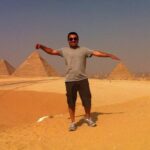
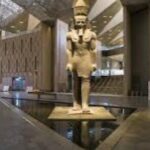
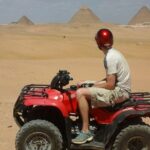
Cairo’s pyramids, planned and paced. This private half-day setup pairs hotel pickup in an air-conditioned vehicle with an Egyptologist guide, then rolls you through the Giza plateau sights, a camel ride, and the Sphinx. It’s the kind of plan that helps you see the big icons without spending your time negotiating and guessing.
I like how you get personalized attention from a qualified Egyptologist guide, with clear explanations you can ask questions about along the way. I also like the structured time for viewpoints and photos, including a panorama stop and a desert camel ride of about 30 minutes.
One thing to consider: the schedule is tight (around 4 to 5 hours), so you’ll want to skip any long side trips and stick with your guide’s pace, especially in hot weather.
In This Review
- Key highlights you’ll feel right away
- Private pickup in an air-conditioned car: start strong
- Giza plateau orientation: 9 pyramids, kings and queens
- Photo stops with a panorama view that actually helps
- Camel ride in the desert: 30 minutes, photos, and reality checks
- Optional inside the 3rd pyramid: choose your comfort level
- Sphinx visit: the face, the angle, and your guide’s answers
- Valley Temple time: how it fits the bigger picture
- Price and value: what $10 buys in real terms
- How to make the most of a 4 to 5 hour day
- Should you book this Giza Pyramids with Lunch, Camel Ride & 3rd Pyramid tour?
- FAQ
- How long is the Giza Pyramids tour?
- Does the tour include hotel pickup and drop-off?
- Is the tour private?
- Is bottled water provided?
- Do I get to ride a camel?
- Is the Sphinx included?
- Can I enter a pyramid inside?
- What ticket do I need for the pyramids?
- Is lunch included?
- What is the cancellation policy?
Key highlights you’ll feel right away
- Air-conditioned hotel pickup and drop-off so you start and finish with less stress
- Egyptologist guide who can answer questions, not just point and move on
- Giza plateau orientation with the classic layout: 9 pyramids, including 3 tied to kings (father, son, grandson) and 6 for queens
- Camel ride in the desert for roughly 30 minutes with plenty of photo time
- Optional inside pyramid entry depending on the option you choose
- Sphinx visit included, with time to take photos and connect what you see to the story
Private pickup in an air-conditioned car: start strong
This tour is built around a simple idea: don’t waste your limited hours in Cairo traffic and confusion. You’re picked up from your hotel in an air-conditioned vehicle, then you meet your guide and head straight for the Giza plateau area.
That matters more than it sounds. The pyramids are a top priority for most people, so the first win is getting there with energy. You also avoid the awkward moment of trying to figure out transport plans while everyone else is already negotiating.
You’re also not doing this as a free-for-all. It’s a private tour, meaning it’s just your group. That gives you room to ask questions, pause for photos, and move at a pace that fits your comfort level.
A few more Cairo tours and experiences worth a look
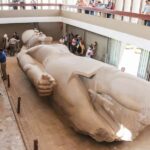
Giza plateau orientation: 9 pyramids, kings and queens
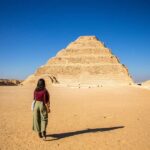
Once you reach the Giza plateau, your guide sets the scene before you start snapping pictures. The tour focuses on the core pyramid area and helps you understand what you’re looking at.
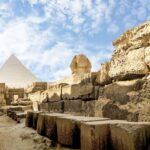
A nice detail in the tour approach: you get an explanation of the nine pyramids in the Giza complex—three for kings (often described as father, son, and grandson) and six for queens. That kind of quick map-in-your-head makes the whole plateau feel more coherent, and your photos turn from random shots into something you can actually interpret later.
There’s also a practical benefit here. When you know why a cluster is laid out the way it is, you waste less time walking in circles. You also learn what’s worth looking at first, so you don’t end up sprinting between photo spots.
Your first major viewing time centers on one of the pyramids, plus the classic angles people come for. The guide’s job is to keep it moving while also giving you context so it doesn’t feel like a photo checklist.
Photo stops with a panorama view that actually helps
The tour doesn’t just rush you from one point to the next. After the initial pyramid viewing, you’ll head to a panorama viewpoint to take pictures with one of the best sweeping views of the Giza plateau.
This is where the tour feels smart for short schedules. A panorama spot gives you “big picture” photos that work well for both phone and camera. It also helps you understand how the site sits in the desert landscape, even if you only have a half day.
Pro tip: plan to take your photos in short bursts. Don’t stand still for too long while you’re waiting for the perfect angle. Move a few steps, frame again, and let your guide keep you on track. In the heat, speed is sanity.
Camel ride in the desert: 30 minutes, photos, and reality checks
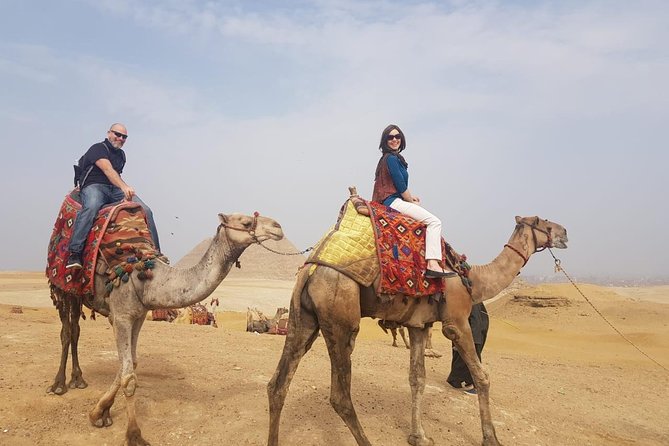
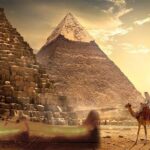
Yes, there’s a camel ride, and the tour details call out about 30 minutes. It’s one of those experiences that people remember because it’s so different from standing on a paved viewing platform.
What makes it work well here is that the ride is built into the flow of the tour. You’re not scrambling to arrange it on your own after you’ve already spent time at the pyramids. Instead, it fits right after the main first viewing and photo time, so the desert experience feels like a natural chapter in the day.
That said, there are a couple of real-world considerations. Camel rides can be bumpy, and they’re physically awkward if you’re expecting something like a smooth ride at a theme park. Wear comfortable clothes you don’t mind getting dusty, and keep your phone secure.
Also, think about photos. If you want clear shots, you’ll likely need to pause the ride briefly or adjust your position for the view. Your guide can usually help you time it, so ask for a moment if you’re trying to capture pyramids in the background while you’re mounted.
Optional inside the 3rd pyramid: choose your comfort level
One of the biggest value points is that the tour includes inside pyramid entry depending on the chosen option. It’s listed as inside the 3rd pyramid in the details, so if you select the option that includes entry, you’ll trade exterior views for the chance to step into a pyramid interior.
This is where you should calibrate expectations. Inside spaces can feel tight and darker than the bright, open plateau. If you’re claustrophobic, it might not be for you. If you’re excited by history you can physically experience, it can be the highlight.
The tour’s structure helps here because it keeps everything coordinated. Instead of you having to sort out rules, timing, and logistics at the last second, the guide handles the flow. That’s especially useful for short visits.
If you’re deciding between options, think about what you value most: the iconic exterior look and extra panorama time, or the “inside once in your life” moment.


Sphinx visit: the face, the angle, and your guide’s answers
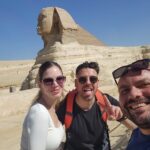
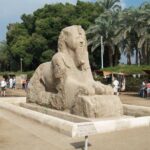
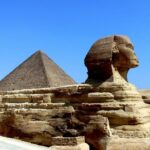
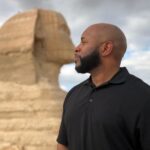
After Giza, the tour heads to the Sphinx. This stop is important because it connects the pyramids to a larger picture of the site. It’s also one of the fastest ways to feel like you’ve truly arrived in the ancient world.
Your guide’s explanations are part of what makes this stop worth it. When you know what to look for—and why the Sphinx is positioned where it is—the visit feels less like looking at a statue and more like reading a chapter of an enormous story carved in stone.
Practical advice: give yourself time for the angle you want. The Sphinx is photographed from many sides, and some views work better at different moments of the day. Because the tour is private and guided, you can ask your guide where the best viewing direction is for photos.
And if you’re the type who asks a lot of questions—good. The tour format is built for interaction, so you’re not stuck with a one-line explanation and a hurried departure.
Valley Temple time: how it fits the bigger picture
The tour also mentions time for the Valley Temple as part of the overall experience. Even if you don’t spend ages here, adding a temple stop helps turn your day from just “pyramids and pictures” into something more connected.
This is the kind of stop that works best when you’re listening for the why, not just the what. Ask your guide how the temple relates to the broader Giza complex. That simple question helps you tie the site together instead of treating each monument like a separate postcard.
Because the full schedule is only 4 to 5 hours, keep your expectations realistic. You’re likely going to see the highlights and move on, not linger for hours in one spot.
Price and value: what $10 buys in real terms
The price listed is $10 per person, and on paper it’s unusually low for a private tour. Here’s the practical way to think about value.
You’re getting hotel pickup and drop-off, a guide described as qualified Egyptologist, bottled water, and entry/admission to the Pyramids of Giza. Plus, the optional add-on is inside pyramid entry and the camel ride is part of the experience timing.
At this price, the biggest value isn’t just the monuments. It’s the efficiency: you don’t have to coordinate transport, figure out what to do first, or scramble for entry plans mid-day. For many people, that alone is worth more than the difference between a DIY plan and a guided one.
The one caution is the word lunch. The tour title mentions lunch, but the listed inclusions you provided don’t clearly spell out lunch details. If lunch is a deal-maker for you, confirm what’s actually included with your selected option so you’re not surprised later.
How to make the most of a 4 to 5 hour day
When you’re working with a half-day schedule, you win by being prepared. Start with clothing that can handle desert conditions: lightweight layers, sun protection, and closed-toe shoes that won’t suffer the first time you step off uneven ground.
Bring cash for small extras only if you want them. The tour includes bottled water, so you’re covered there, but you might still want a snack if you have a long gap before dinner afterward.
Time management is the silent superpower of this tour style. You’re going to pyramid viewing, panorama photos, then camel ride, then Sphinx. The order matters because it keeps the day from turning into random wandering.
One more practical idea: after you take your first big set of photos, shift your focus to learning. Ask your guide to explain the layout again when you’re at a new angle. A second pass makes the site “stick,” and it turns your photos into something you can remember with meaning.
Should you book this Giza Pyramids with Lunch, Camel Ride & 3rd Pyramid tour?
Book it if you want a private, guided, efficient way to hit the main hits in a short window. It’s a good fit for first-timers who need orientation, and for anyone who prefers not to negotiate logistics while the clock is ticking.
I’d hesitate only if you need a super slow pace, want plenty of downtime, or expect luxury comfort throughout. This is about getting the sights done well, not floating around all day.
If you’re interested in the optional inside pyramid entry, pick that option only if you’re comfortable with interior spaces. Otherwise, prioritize exterior photos and the panorama angle and keep your energy for the camel ride.
FAQ
How long is the Giza Pyramids tour?
It runs about 4 to 5 hours.
Does the tour include hotel pickup and drop-off?
Yes, hotel pickup and drop-off are included.
Is the tour private?
Yes. It’s listed as a private tour/activity, and only your group participates.
Is bottled water provided?
Yes, bottled water is included.
Do I get to ride a camel?
Yes. The tour includes a camel ride for about 30 minutes.
Is the Sphinx included?
Yes. The itinerary includes a stop at the Sphinx.
Can I enter a pyramid inside?
Inside entry is included only depending on the chosen option (listed as inside the 3rd pyramid).
What ticket do I need for the pyramids?
Pyramids of Giza entry/admission is included, and you’ll also receive a mobile ticket.
Is lunch included?
The tour title says with lunch, but the inclusions list you shared does not clearly confirm lunch details. I recommend confirming what lunch includes with your chosen option.
What is the cancellation policy?
Free cancellation is available up to 24 hours in advance for a full refund. If you cancel less than 24 hours before the start time, the amount paid won’t be refunded.