REVIEW · CAIRO
Tours Giza pyramidS,sphinx,Mummification temple,Inside 3rdPyramid
Book on Viator →Operated by Excursion Giza Day Tour · Bookable on Viator
Giza in half a day, minus the fuss. This private tour is built for time-crunched Cairo trips: you get door-to-door pickup by private vehicle, then you spend your main hours on the plateau with an Egyptologist who helps you connect the big monuments instead of just walking past them. In the rotation of guides, I’ve seen names like Ehab and Hend show up, and clients consistently highlight how much clearer the site feels when someone explains it as you go.
I also like the way the plan pairs the obvious icons with the nearby pieces you might skip—Sphinx plus the ruined Valley Temple—so you leave with more than just photos. One consideration: entry is not included, and the tour is flexible about access to an inside pyramid only if it’s open and you choose the upgrade.
In This Review
- Key highlights worth centering your day on
- Why a 4-hour Giza tour feels easier than doing it alone
- Pickup, timing, and what “private” really buys you in Cairo
- Meet your Egyptologist guide and get the site to “click”
- Pyramids of Giza: what to look for at the plateau’s top trio
- The Sphinx and Valley Temple: more than a famous face
- Photo time, shopping stops, and how to keep control of your pace
- Upgrade to enter a third pyramid when it’s open
- Price and what’s actually included in your $14 plan
- Best timing for comfort: beat the plateau heat
- Who this tour fits best (and who may want something else)
- Should you book this Giza Pyramids and Sphinx tour?
- FAQ
- How long is the Giza Pyramids, Sphinx, and Valley Temple tour?
- Is pickup from my hotel included?
- Is this tour private?
- What time does the tour start?
- Are admission tickets included?
- Does the tour include bottled water?
- Can I enter a third pyramid inside?
- What’s the price per person?
- Is there a child rate?
- What if I need to cancel?
- Are there extra charges for some areas?
Key highlights worth centering your day on
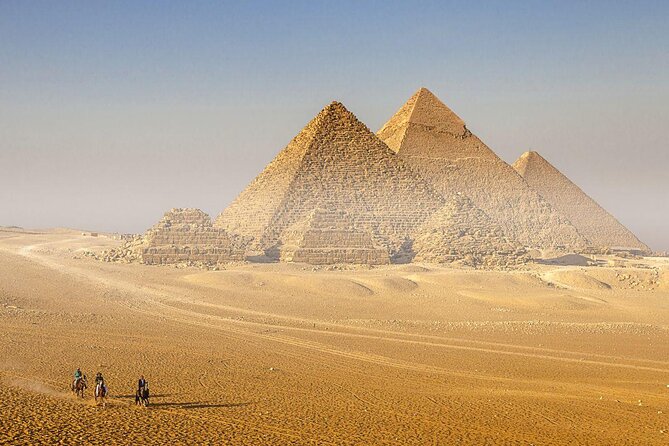
- Private hotel pickup and drop-off so you’re not fighting Cairo logistics before you even reach Giza
- Egyptologist guide time focused on the pyramids, Sphinx, and the Valley Temple complex
- Panoramic viewing moments built for better photos, not just quick stop-and-go
- Valley Temple ruins give context for the mortuary side of the Giza story
- Optional upgrade for a third pyramid (only if it’s open)
- Optional shopping stops can be worked in without derailing the main sights
Why a 4-hour Giza tour feels easier than doing it alone
The biggest value here is simple: you trade planning stress for time at the plateau. Giza can be a lot, especially if you’re arriving with limited daylight and you’re not sure how long lines, walking, and local navigation will take. With pickup included (from Cairo or Giza hotels), you start closer to when your feet need to be on the sand.
This is also a private format. Your group stays together, and your Egyptologist driver-guide can pace you. If you want more photos, you’ll usually get time for it. If you’d rather keep moving, that’s doable too. For many first-time visitors, that means fewer moments where you feel rushed through the exact things you came to see.
Pricing is also refreshingly straightforward for what you get. At $14 per person, you’re mainly paying for the private vehicle and guided access to the plateau’s top sights. The catch is that the core admission tickets aren’t included, so you’ll want to budget for entry separately (more on that below).
You can also read our reviews of more tours and experiences in Cairo.

Pickup, timing, and what “private” really buys you in Cairo
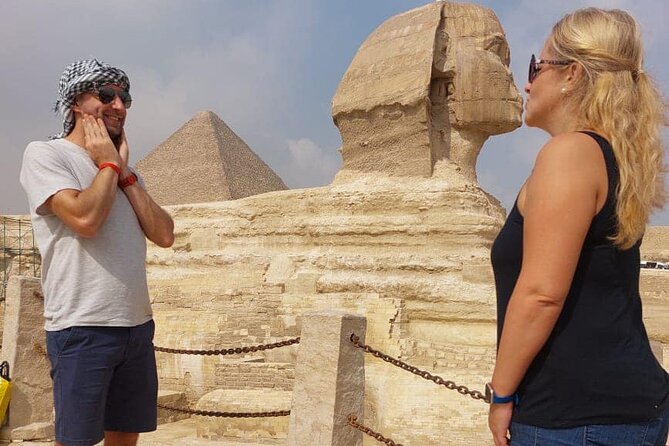
The tour offers pickup around 8:00 am, but it also says you can request a different start time. That matters if you’re trying to match your hotel schedule, other plans in Cairo, or the exact weather window you want on-site.
Private transport is not just comfort. It’s time and energy saved. When the driver and guide handle transfers and timing, you’re freer to spend your energy on the sights: orienting to the pyramid layout, spotting the Sphinx from the right angles, and getting the Valley Temple context so it doesn’t look like random ruins.
One small practical detail: bottled water is included. It’s not a luxury, but on a plateau visit, hydration is what keeps the day feeling smooth instead of sluggish.
Meet your Egyptologist guide and get the site to “click”
This tour’s superpower is the human layer. The pyramids are big and famous, but they’re also easy to view as separate monuments instead of one connected complex. An Egyptologist guide helps you connect what you’re looking at—who built what, why the Sphinx belongs here, and what Valley Temple ruins were meant to do.
Guide names showing up in this experience include Ehab, Khalid, Marsil, Hend, Yasser, Mina, Ibrahim, and Abla Sarif, along with other team members. I can’t promise you’ll get any specific person, but the pattern is clear: the tour strongly emphasizes clear English and archaeology-focused explanation. When your guide walks beside you, you’re not just reading signs. You’re getting the storyline in real time.
In plain terms, this is the difference between seeing Giza and understanding Giza. You’ll notice the orientation of the pyramids more. You’ll start comparing building choices. And you’ll understand why the Valley Temple sits where it does.
Pyramids of Giza: what to look for at the plateau’s top trio
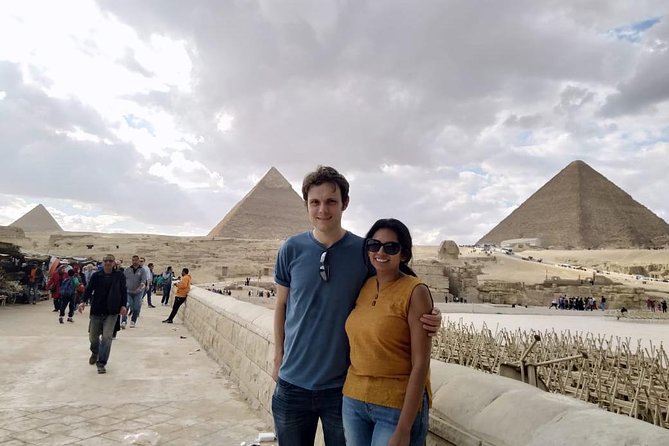
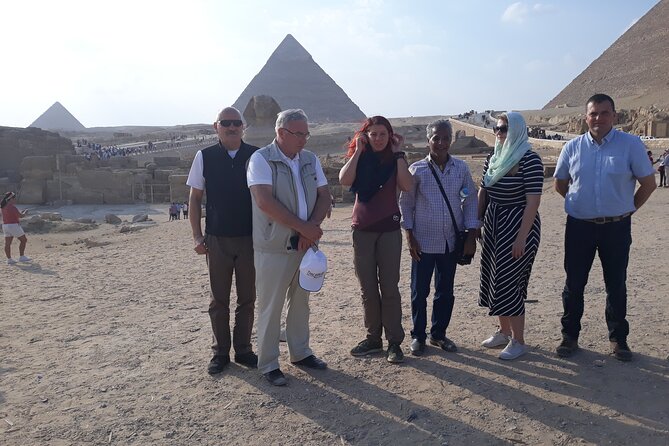
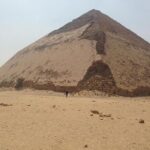
On this half-day plan, you start at the Pyramids of Giza, in the necropolis area tied to the Old Kingdom and the Fourth Dynasty. Your guide will frame the site around three main rulers: Cheops, Chephren, and Mykerinos. Even if you’ve heard these names before, hearing them tied to specific sightlines helps you keep the whole layout in your head.
Here’s how to make the most of this portion:
- Plan for walking time between viewpoints. The plateau isn’t one photo spot; it’s a chain of angles.
- Use your guide’s stop points as anchors. When someone tells you where to stand, you usually get a better composition (and less time squinting at distances).
- Ask for the short story behind each pyramid you’re seeing. If your guide has a background in Egyptology (as many on this service do), you’ll likely get crisp answers without long lectures.
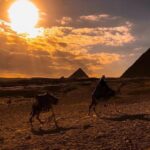
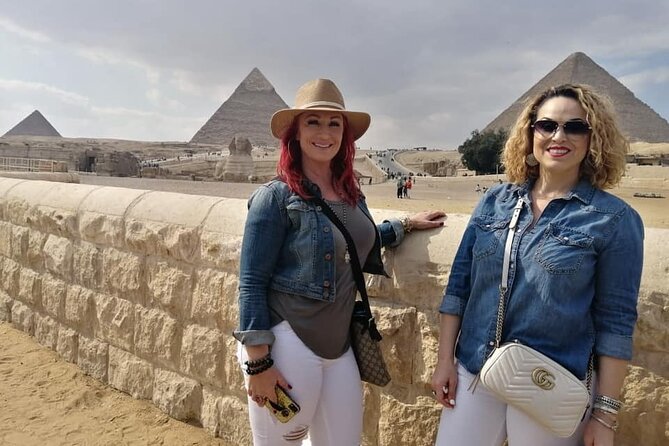
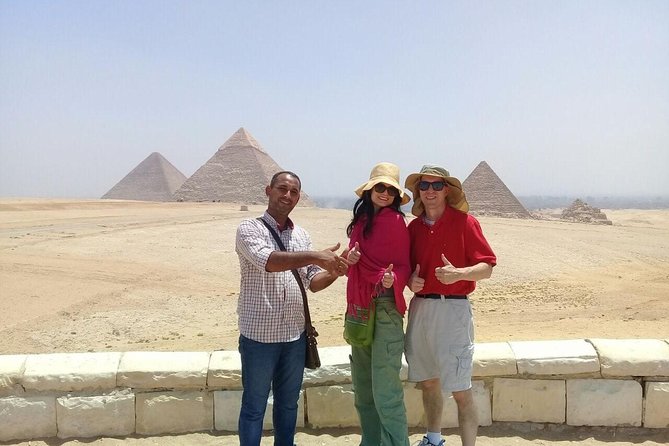
The visit description also notes that you’ll have panoramic views and time for photos. That’s key. The pyramids look best when you can see both scale and alignment, not just a close-up wall of stone.
If you’re the type who loves details, you’ll probably enjoy the way your guide connects the pyramids with the wider necropolis concept. If you’re more of a “show me the big picture” traveler, you’ll still benefit, because the guide’s job is to give you a simple way to interpret what you’re seeing.
The Sphinx and Valley Temple: more than a famous face
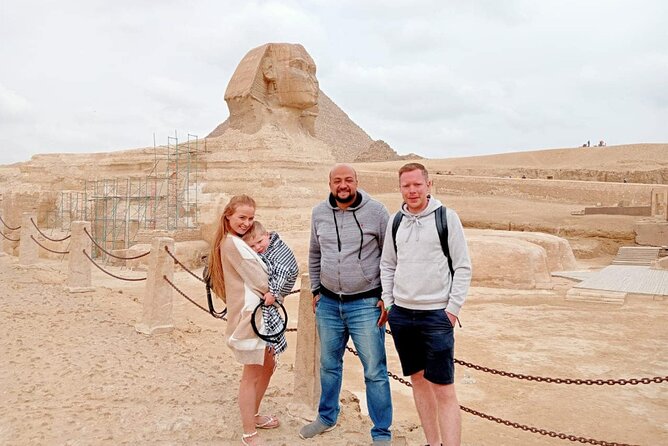
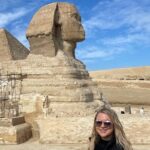
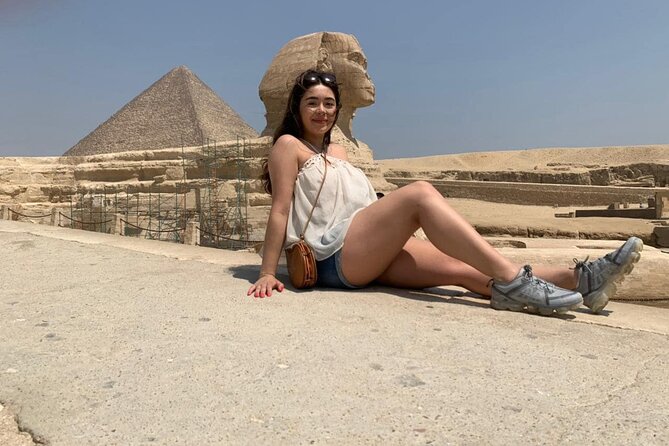
After the pyramid viewing, the tour shifts to the big statue: the Great Sphinx. In the description, the Sphinx is explained as representing the face of King Chephren with a lion’s body, tied to protection within the Old Kingdom cemetery setting. That one line matters. It turns the Sphinx from a postcard icon into part of the ritual world surrounding the pyramids.
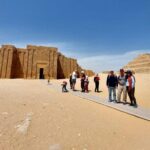
Then you move to the ruined Valley Temple, described as the neighboring mortuary complex. The biggest value here is that you stop seeing the Giza plateau as only three pyramids and a statue. The Valley Temple ruins help you understand that these monuments weren’t standalone. They were part of a ceremonial system.
For your photos and mental map, aim to do two things during this part:
- Get at least one wide shot where the Sphinx sits clearly in the broader plateau view.
- Let your guide point out how the Valley Temple ruins fit into the overall flow of the site.
This is also where you’ll likely feel the payoff of having an Egyptologist. Valley Temple ruins can look like random stone piles if nobody tells you what they were meant to be. With a guide, you can see the purpose behind the shape, even when much of it is gone.

Photo time, shopping stops, and how to keep control of your pace
Some versions of the experience may include optional shopping stops before or during the day. A client described stops for items such as dress/scarves, healing oil, papyrus, and spices. Those stops can be fun if you want quick souvenirs and small cultural browsing, but they can also be a time sink if you’re mainly there for monuments.
My advice: treat shopping stops as optional, not mandatory. If you know you want a tight, photo-focused day, ask your guide to prioritize the plateau viewpoints and keep shop time short.
Also, if you’re someone who wants specific photos—sun angles, wider pyramid silhouettes, or a Sphinx shot from a certain viewpoint—say so early. Guides like Ehab (and others named in client feedback) are known for helping with picture-taking and keeping people moving smoothly. That doesn’t mean you’ll get endless photo sessions, but it does mean you’ll get guidance so your best angles happen while you’re on-site rather than later in regret.
Upgrade to enter a third pyramid when it’s open
This tour offers an upgrade if you want to enter an inside third pyramid. The key detail is that access depends on what’s open at the time of your visit: the upgrade includes tickets to access any open third pyramid.
Why this matters: walking around the outside is impressive, but entering changes the experience. Even with limited time, an inside visit adds scale in a way your brain can’t always grasp from the outside. It also tends to make your visit feel less like a highlight reel and more like a true encounter with the architecture.
If you choose the upgrade, your best move is to ask your guide what will be prioritized so you don’t feel like you traded outside views for indoor corridors. With a half-day schedule, balance is everything.
Price and what’s actually included in your $14 plan
At $14 per person, you’re not paying for museum-style “admissions included” pricing. The tour includes:
- Hotel pickup and drop-off
- Private tour (your group only)
- Transport by private vehicle
- Bottled water
What’s not included:
- Admission tickets (the description clearly states admission ticket not included)
- Any extra charges for certain areas like additional charges for 6th city/new settlement, and Cairo airport hotel/locations
Also, the operator mentions a mobile ticket. That’s convenient. Still, the practical planning step is to confirm your entry costs ahead of time so your day doesn’t get paused at the entrance.
Value-wise, this tour makes the most sense if you want one focused shot at Giza during a short Cairo stop. If you’re staying longer, you might choose multiple tours to see more than just the highlights. But if you’re limited to a half-day and want the big monuments covered in a logical order, the included transport plus expert guidance is where the value lands.
Best timing for comfort: beat the plateau heat
The description itself doesn’t list a weather strategy, but client guidance includes a direct tip: visit during winter time because the temperature can be very high in summer.
That tracks with what you’ll feel on the plateau: you’re in open sun for long stretches, and walking adds up faster than you expect. Even with bottled water, heat can drain your stamina and your patience.
A simple approach:
- If you’re going in warmer months, plan a start time that helps you beat the worst heat window.
- Wear sun protection and light layers you can manage as the morning shifts.
- Keep your shopping stops short, because sun + delays is the combo that makes the day feel longer.
Who this tour fits best (and who may want something else)
This tour is a strong fit for:
- First-time Cairo visitors with limited time
- People who want a private, door-to-door approach
- Travelers who like understanding the site more than just sightseeing
It may not be ideal if:
- You want to spend a full day at Giza with multiple deep dives and long indoor segments
- You don’t like any flexibility around access, since inside pyramid entry depends on what’s open
- You’re hoping admissions are all included in the base price
If your main goal is to see the pyramids and Sphinx efficiently, with guide context and easy logistics, this does that job cleanly.
Should you book this Giza Pyramids and Sphinx tour?
I’d book it if you’re trying to make Giza happen without turning your day into a transportation scavenger hunt. The private pickup, the time on the plateau, and the focus on pyramids plus Sphinx plus Valley Temple are exactly what you want for a short visit.
Choose the upgrade if you’re excited about the chance to go inside a third pyramid and you’re okay aligning with what’s open that day. And keep an eye on the admission costs so you’re not surprised at the entrance.
If you want one practical Cairo “win,” this is it: a focused half-day plan that respects your time and gives you a clearer story than you’ll get from wandering alone.
FAQ
How long is the Giza Pyramids, Sphinx, and Valley Temple tour?
It runs for about 4 hours.
Is pickup from my hotel included?
Yes. The tour includes hotel pickup and drop-off from Cairo or Giza hotels.
Is this tour private?
Yes. It’s a private tour/activity, so only your group participates.
What time does the tour start?
Pickup is listed as 8 am, but it also says you can request another time.
Are admission tickets included?
No. Admission tickets are not included.
Does the tour include bottled water?
Yes. Bottled water is included.
Can I enter a third pyramid inside?
You can upgrade to include tickets to access any third pyramid that is open.
What’s the price per person?
The price is listed as $14.00 per person.
Is there a child rate?
Yes, but child rate applies only when sharing with 2 paying adults.
What if I need to cancel?
Cancellation is free if you cancel up to 24 hours in advance for a full refund.
Are there extra charges for some areas?
Yes. Additional charges may apply for 6th city, new settlement, and Cairo airport/hotel locations.