REVIEW · CAIRO
The Giza Pyramids, the Great Sphinx, and Local Lunch.
Book on Viator →Operated by Egypt in Tours · Bookable on Viator
Cairo’s pyramids hit like a time machine. This private Giza outing pairs an Egyptologist’s explanations with the big hitters—Great Pyramid of Khufu and the Great Sphinx—then wraps with a simple Egyptian lunch.
I love how the guide focuses on what you’re seeing, not just dates, so the site clicks into place fast. I also love the photo-focused stops, including a panoramic viewpoint that’s made for those classic pyramid-with-desert shots. One consideration: Great Pyramid entry (and anything beyond the exterior) can cost extra, so check what’s included in your exact ticket choice before you go.
In This Review
- Why This Giza Tour Feels Worth It
- First Stop: Great Pyramid of Khufu and the Mental Trick of Seeing It Big
- Khafre’s Pyramid: The “Family” Story at the Second Big Peak
- Menkaure’s Pyramid: Quick Views That Still Matter
- The Panoramic Desert View (Plus Optional Camel Time)
- Great Sphinx and Valley Temple: The Lion-Pharaoh Link
- Local Lunch at Giza: Kushary or Falafel to Keep You Going
- Price and Logistics: Is $70 Good Value for a Private Giza Day?
- What the Private Format Changes (For Better or Worse)
- Who This Tour Fits Best—and Who Might Prefer DIY
- Smart On-Site Tips So Your Day Stays Fun
- Should You Book This Giza Pyramids + Sphinx Tour?
- FAQ
- How long is the Giza Pyramids, Sphinx, and Local Lunch tour?
- Is hotel pickup and drop-off included?
- What’s included for lunch?
- Are pyramid admission tickets included?
- Can I go inside the Great Pyramid of Khufu?
- Is camel riding included?
- Does the tour accommodate dietary restrictions?
- Is this a private tour?
Why This Giza Tour Feels Worth It

- An Egyptologist guide for real context so you understand what the pyramids were for, and what the sphinx meant in Egyptian belief.
- Structured time at each monument (short, targeted visits) so you don’t waste the day drifting between sites.
- Best-spots photography planning with viewpoints chosen for the three pyramids in frame.
- Valley Temple stop included to connect the Sphinx to Chephren’s funeral complex.
- Local lunch included (kushary or falafel), so you’re not hunting food mid-tour.
- Optional camel time in the desert depending on the tour option you select.
First Stop: Great Pyramid of Khufu and the Mental Trick of Seeing It Big
The day starts at the Giza Plateau with the Great Pyramid of Khufu (Cheops), the one that’s still standing and the only ancient Wonder you can visit today. From the first moments, the big win is your guide’s storytelling—because standing there without context is cool, but it stays shallow. With an Egyptologist, the pyramid becomes a “house of eternity” idea you can actually picture, not just a photo opportunity.
This stop is timed (about 30 minutes), which is perfect for people who want to see the monument without burning the whole morning in a single place. You’ll also have time for a close look and practical photo moments. If you’re interested in going inside, the guide can point you to where to buy an extra ticket for an interior visit—totally optional, but worth considering if you like architecture and engineering details.
What to watch for: admission for the Great Pyramid area is listed as not included here, so you’ll likely deal with some paid add-ons depending on how far you want to go. Also, the exterior area involves walking under sun and wind; bring proper sun protection.
A few more Cairo tours and experiences worth a look
Khafre’s Pyramid: The “Family” Story at the Second Big Peak
Next up is Khafre’s Pyramid. It’s smaller than Khufu’s, but it still reads like a miracle in person. This stop moves faster (around 15 minutes), and the point is not to linger—it’s to give you a clear sense of the dynastic link: father builds, son continues. You’ll get the idea of how kingship and legacy were built into the stone itself.
The best part of this short stop is that you’re not stuck in museum mode. It’s more like a guided walking map: you look, you understand, you move on. Admission for Khafre’s Pyramid is marked as free on this itinerary, which helps keep your day from turning into a surprise payment tour.
Potential drawback: because the time is short, if you want long, slow wandering or lots of close-corner photo hunting here, you’ll have to prioritize. The guide’s job is to keep you moving to the best views—great for most people, less great if you’re a “one place, forever” visitor.
Menkaure’s Pyramid: Quick Views That Still Matter
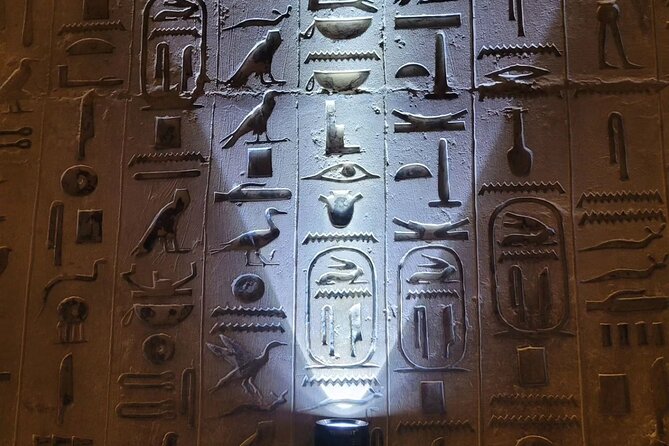
Then it’s Menkaure’s Pyramid (the third major pyramid in the complex). Like Khafre, it’s scheduled for about 15 minutes and marked as free. This is where the tour’s rhythm helps: after Khufu and Khafre, you start noticing patterns—scale, placement, and how each pharaoh’s rest-and-afterlife plan fits into the same broader picture.
Even with less time, your guide’s explanations connect this pyramid to the idea of a ruler preparing for a second life. It’s not just “here’s another triangle.” It’s part of the same belief system—death, ritual, rebirth, and the king’s role as a shepherd and guardian figure.
How to enjoy this stop: treat it as a breather with purpose. Look for differences, but keep your camera ready because you’ll soon switch to the desert viewpoint that’s made for the big skyline shot.
The Panoramic Desert View (Plus Optional Camel Time)
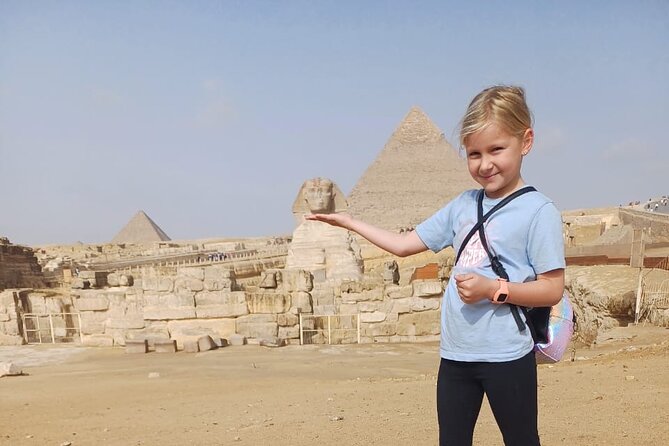
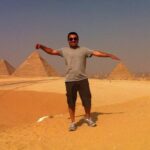
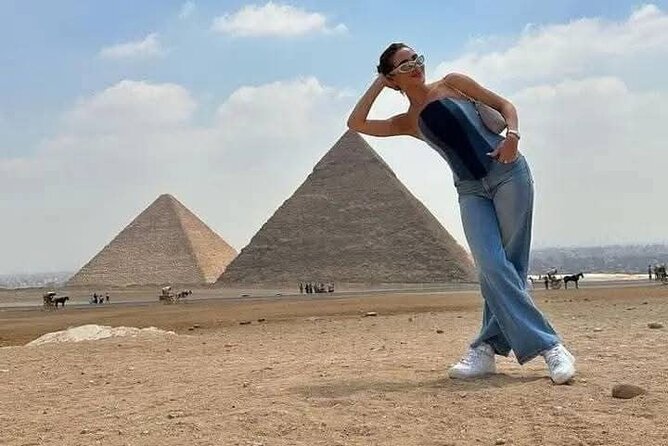
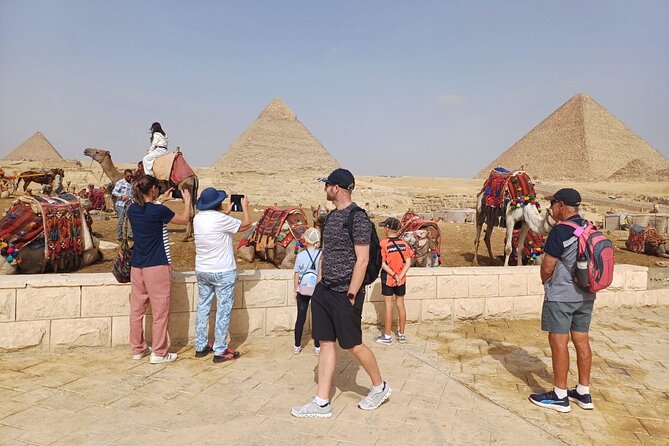
One of the smartest parts of the plan is the short drive to a panorama spot designed for the classic “three pyramids in one frame” photo. This stop is listed at about 30 minutes and is mainly a photo window. If you’ve always pictured the pyramids with endless desert behind them, this is where that image becomes real.
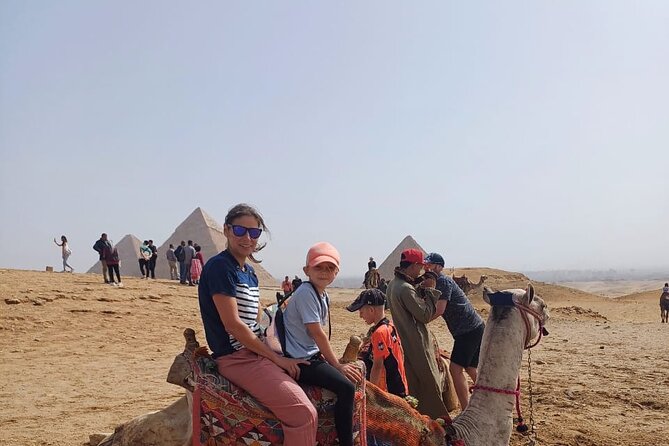
The tour description specifically mentions a shot opportunity on camelback at this viewpoint. Also, the tour inclusions note a camel ride of about half an hour with the pyramids in the background—though it depends on the option you choose. So if camel riding matters to you, confirm it during booking so you’re not surprised when you arrive.
My practical take: even if you’re not into riding, this viewpoint stop is still useful. It gives you a “get your bearings” moment and a chance to shoot wide, not just close-ups of stone.
Great Sphinx and Valley Temple: The Lion-Pharaoh Link
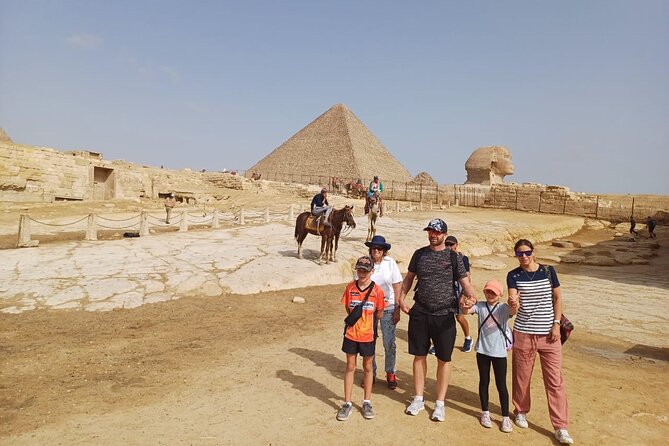
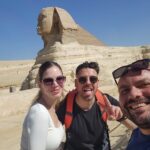
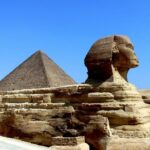
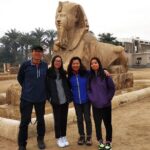
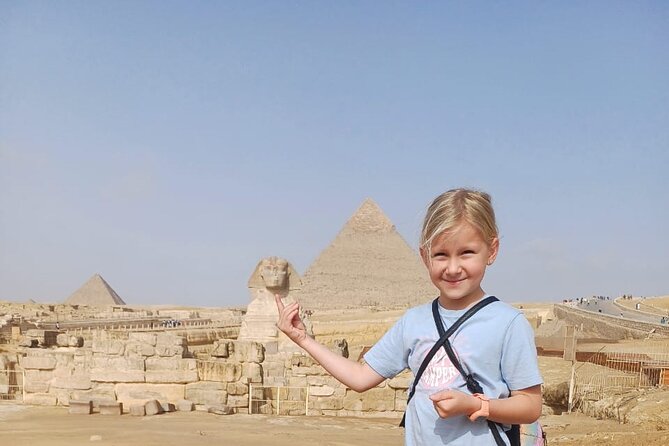
After the pyramids, the tour shifts to the Great Sphinx. The guide frames it as a statue with a pharaoh’s head and a lion’s body, tied to Chephren’s era. It’s not just a weird-looking monument—your guide connects it to the idea of guarding, protecting the royal complex and reinforcing the pharaoh’s status in Egyptian belief.
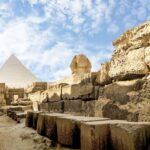
Then comes the Valley Temple, part of the funeral complex for Chephren. This is a meaningful add-on because it gives you the human-side ritual context: the temple once functioned as a holy place connected to embalmment, purification, and mummification processes.
The schedule doesn’t list exact minutes for the Sphinx and Valley Temple portion the way it does for the pyramids, but the flow is clear: you see the symbol, then you see the setting and purpose behind it. In a day that’s mostly exterior monuments, this is one of the stops that adds “why” as much as “wow.”
Consideration: the Sphinx area can be intense—sun, crowds at different moments, and a lot of vendor attention. A good guide helps you keep your time focused and avoid getting sidetracked.

Local Lunch at Giza: Kushary or Falafel to Keep You Going
Right after the Sphinx area, you head to a local restaurant for lunch. The tour includes Egyptian food—either kushary or falafel—listed as optional depending on the tour type you choose, but lunch itself is included in the tour package.
This is a genuinely smart inclusion for a short tour like this. If you’re visiting in Cairo and you want a tight schedule, finding lunch on your own near the Giza Plateau can turn into a time sink. Having lunch included means you can enjoy the day without planning food while you’re also managing sun, walking, and photos.
The tour also says dietary restrictions can be accommodated (vegetarian, vegan, gluten-free, and more). If you have specific needs, tell the guide so they can steer you toward the right lunch option.
Price and Logistics: Is $70 Good Value for a Private Giza Day?
At $70 per person for a 3 to 4 hour private tour, the value depends on two things: what you do with admissions, and how much you care about context.
On the value side, this tour includes:
- Hotel pickup and drop-off by air-conditioned private vehicle
- A professional Egyptologist guide
- Bottled mineral water for each guest
- Lunch (kushary or falafel)
- A half-hour camel ride option depending on your booking choice
- A mobile ticket
For a private format, pickup alone can be a big deal in Cairo. The AC vehicle matters too—especially when the day is hot and you’re moving between sites quickly.
On the cost-and-consideration side, some pyramid access is not included. The Great Pyramid of Khufu admission is listed as not included, and any interior visit is optional with an extra ticket. Tipping isn’t included either, and shopping is not part of the plan.
My balanced verdict: $70 can be a strong deal if you want guided storytelling, not just selfies, and if you’re okay with paying for any add-on admissions you choose. If you’re planning to enter multiple paid areas, you’ll need to budget for those extras on top.
What the Private Format Changes (For Better or Worse)
This is a private tour, meaning it’s just your group. That matters at Giza, where pacing and crowd pressure can make or break the day. A private guide can:
- adjust where you spend time based on what you care about
- help you keep your focus during vendor moments
- take you to the best photo spots without turning it into a slow parade
The tradeoff is that you can’t rely on the group’s momentum to move you along. If your group is slow at every stop, the guide still has to manage timing so you don’t miss the later Sphinx and lunch flow. Most people find the structure helpful.
Also, you should have moderate physical fitness. The tour is not described as a hike, but you are walking around open-air sites and moving between areas.
Who This Tour Fits Best—and Who Might Prefer DIY
This tour is a great fit if:
- you want the monuments explained in plain language, not just a “look and move” visit
- you care about getting good photos from smart angles
- you’d rather let someone else handle timing, transport, and the sequence of stops
- you want a short day that hits the key Giza sites and still includes lunch
It may be less ideal if:
- you want to spend hours in one place (the schedule is intentionally tight)
- you’re mainly there for bargain-free access and don’t want to deal with optional ticket choices
- you prefer to wander without a guide’s push toward the best viewpoints
Smart On-Site Tips So Your Day Stays Fun
Giza can be a lot—sun, dust, and lots of people trying to get your attention. Here’s how to keep it smooth with this specific tour format:
- wear comfortable shoes for walking between stops
- plan to take water breaks during the day even though bottled water is included
- if you want the Great Pyramid interior, decide early so you’re not rushed at the decision point
- if camel riding is important to you, confirm the option before you leave the hotel so you know it’s part of your day
- ask your guide to suggest the best timing and routes for photos so you don’t end up repeating the same angle twice
And yes: bring sunscreen. The pyramids don’t care about your SPF.
Should You Book This Giza Pyramids + Sphinx Tour?
If you want a fast, well-organized Giza day with real context and a clean, private flow, I’d book it. The mix of Great Pyramid of Khufu, Khafre and Menkaure, the Sphinx plus Valley Temple, and a included kushary/falafel lunch makes it an efficient way to see the highlights without turning your day into logistics homework.
Book it with a couple expectations: you may pay extra for certain admissions (like the Great Pyramid interior if you want that), and it’s outdoors with heat and walking. If those are fine with you, this is a strong choice—and the private Egyptologist approach is the difference between seeing pyramids and actually understanding them.
FAQ
How long is the Giza Pyramids, Sphinx, and Local Lunch tour?
It runs about 3 to 4 hours.
Is hotel pickup and drop-off included?
Yes. You get hotel pickup and drop-off by a private air-conditioned vehicle.
What’s included for lunch?
Lunch is included at a local restaurant, with Egyptian options such as kushary or falafel.
Are pyramid admission tickets included?
Admission for the Great Pyramid of Khufu is not included. Other stops like Khafre’s Pyramid and Menkaure’s Pyramid are listed as free on the itinerary.
Can I go inside the Great Pyramid of Khufu?
If you want to go inside, the guide can show you where to buy an extra ticket for an optional visit.
Is camel riding included?
A half-hour camel ride is included only if you choose the option that includes it.
Does the tour accommodate dietary restrictions?
Yes. The tour states it can accommodate dietary restrictions such as vegetarian, vegan, gluten-free, and more.
Is this a private tour?
Yes. Only your group participates.