REVIEW · CAIRO
Sultan Hassan Mosque, Nilometer and Mohamed Ali Palace
Book on Viator →Operated by Egypt Kemet Tours · Bookable on Viator
Cairo’s past is hiding in plain sight. I like this 6-hour outing because it connects the Nilometer (Nile water-measuring tech) with Cairo’s heavyweight architecture at Sultan Hassan, plus a palace-and-Citadel storyline that helps it all click. You get out of the car, look up at massive stone, and come away understanding what these places were built to control and protect.
I also love that the day is built around strong guide storytelling. On past trips, guides such as Mustafa and Esraa Ahmed have been praised for making both modern and ancient Egypt feel understandable, not just memorized. The included lunch and air-conditioned vehicle keep you from turning the day into a sweat-and-stand-by test.
One consideration: the stop at Manial Palace Museum is listed as extremely short, so it’s more of a highlight-and-rooms taste than a slow museum crawl. If you want hours in every palace room, you may need to plan a return visit on your own.
In This Review
- Key Points You’ll Notice
- How This 6-Hour Cairo Loop Fits Together
- Nilometer: The Nile’s Water-Level Tech From Antiquity
- Manial Palace Museum: Ottoman-Moorish-Persian Interiors and Closed Gardens
- Sultan Hassan Mosque-Madrasa: Cairo’s Stone Giant With Practical Lessons
- Mohamed Ali Palace and the Alabaster Mosque Angle at the Citadel
- Gardens, Forested Nature Park Feel, and the Fourth Pyramid Reference
- Price and Value: What $77.15 Really Covers
- Comfort, Timing, and Small Decisions That Matter
- Who Should Book This Tour
- Should You Book This Tour?
- FAQ
- FAQ
- How long is the Sultan Hassan Mosque, Nilometer, and palace-focused tour?
- What’s included in the price?
- Where do pickup and drop-off happen?
- Is this tour private?
- Do I need to buy tickets separately for the Nilometer and Sultan Hassan?
- Is alcohol or coffee included?
Key Points You’ll Notice
- Nilometer meaning in 30 minutes: you’ll see how the Nile’s flood was measured and why that mattered for survival and rule.
- Sultan Hassan’s scale and design: this is a monumental mosque-madrassa where size is part of the message.
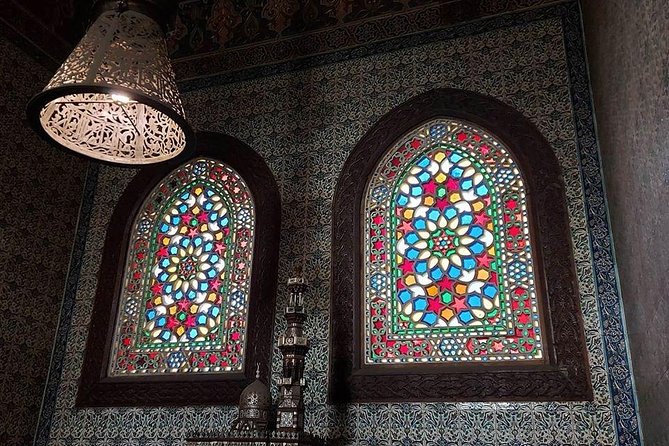
- Manial Palace’s style mix: interiors reflect Ottoman, Moorish, Persian, and European rococo influences, even when the gardens aren’t open.
- Citadel area palace time (Mohamed Ali storyline): you can connect the day to the alabaster mosque dome and palace spaces.
- A route that includes gardens/park land and a fourth pyramid sight: the day isn’t only “three buildings and done.”
- Value for money with tickets and lunch included: admissions, bottled water, and fees are part of the package.
How This 6-Hour Cairo Loop Fits Together
This tour is designed as a single-day circuit with pickup at El-Tahrir Square and a return back to the same meeting point. In about six hours, you’ll cover three core stops with admission tickets included at the Nilometer and Sultan Hassan, plus additional context stops tied to gardens, a forested nature park feel, and a fourth pyramid reference from the wider Cairo setting.
The private setup matters. It’s listed as private, meaning you’re with your group rather than getting mixed into a larger crowd that makes timing feel chaotic. Group discounts are also available, which can make a planned day like this feel less like paying for “just transport” and more like buying structure.
Pace is the real deciding factor. The Nilometer gets about 30 minutes, Sultan Hassan about an hour, and the palace museum slot is notably brief. That can be great for first-timers who want the highlights and context—but it’s not the right fit if you need a slow, museum-by-museum experience.
You can also read our reviews of more tours and experiences in Cairo.

Nilometer: The Nile’s Water-Level Tech From Antiquity
The Nilometer is one of those Cairo experiences that sounds technical until you realize how life-or-death it was. This structure was used to measure the Nile’s clarity and water level during the annual flood season. That flood wasn’t just scenery. It was the calendar that affected crops, food supplies, and the stability of daily life.
In a short visit (about 30 minutes), you’re not trying to become an Egyptology graduate. You’re learning what the Nile meant in practical terms and why measuring it mattered enough to build a dedicated structure. Your guide’s job is to put the numbers into human language: the flood comes, the water rises, and the whole system responds.
What I like here is that the Nilometer anchors the rest of the day. Once you understand that Egypt’s power and planning tracked the Nile, the big monuments stop feeling random. They start feeling like tools—political tools, religious tools, and engineering tools—built by people who needed Egypt to behave.
Practical tip: keep your phone ready for quick notes. The Nilometer visit is short, and a good guide will likely connect it to the broader idea of how Cairo’s rulers organized resources. Jot down any names or key points you hear so you don’t lose them when you move on to the stone monuments.
Manial Palace Museum: Ottoman-Moorish-Persian Interiors and Closed Gardens
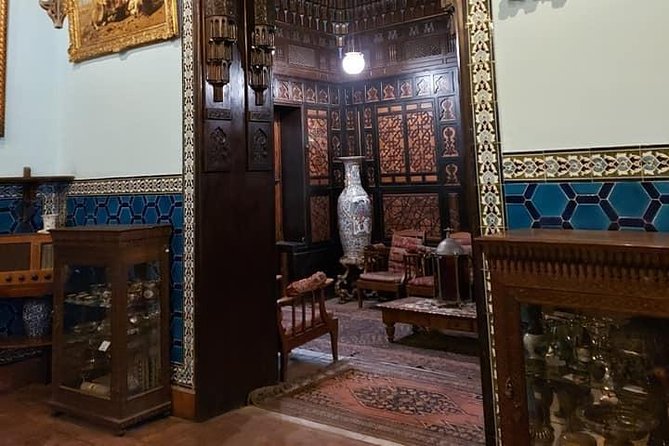
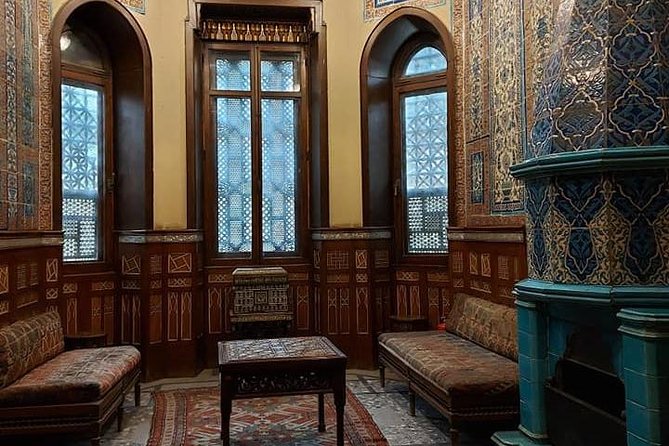
The Manial Palace Museum is where the day’s style shifts from “monumental” to “decor-forward.” The interiors and architecture are described as a mix of Ottoman, Moorish, Persian, and European rococo influences. In other words, you’re looking at a palace that shows taste as a form of power, not just a place to sleep.
Here’s the honest expectation-setting point: the listed time is very short. That means you’ll likely focus on the most visually important rooms and signature architectural details rather than a long wandering museum experience. If you’re the type who reads every plaque, you might feel you only saw the opening chapter.
You also need to be aware of the garden situation. The gardens were noted as still closed to the public at the time of research. That affects the experience because Manial isn’t only about indoor rooms; it’s also about the way the prince collected tropical plants. If the gardens aren’t open on your day, your visit becomes more interior-focused, so bring patience for a smaller slice of the full palace story.
Still, even a brief stop can be memorable if you look for patterns. The palace style blend is the clue. Notice how different design languages are combined, then ask yourself what that says about cultural connections and aspiration. That mindset makes even quick visits feel purposeful.
Sultan Hassan Mosque-Madrasa: Cairo’s Stone Giant With Practical Lessons
If you want one place in Cairo that can reset your sense of scale, make it Sultan Hassan Mosque and Madrasa. This mosque-madrassa sits in Cairo’s historic district and is described as monumental, with massive size and innovative architectural components. It’s also still considered one of the most impressive historic monuments in Cairo today.
In an hour, you can do more than admire the exterior. With a good guide, you’ll understand how the architecture communicates authority. Big spaces are never just decoration; they’re designed to project power, gather people, and control religious education through built form. A madrassa inside a mosque complex isn’t an “extra room.” It’s part of the whole system.
What I like most about this stop is the clarity it gives. After the Nile story and the palace styling, Sultan Hassan feels like the day’s “logic check.” The mosque doesn’t rely on a single feature. It relies on the total effect: mass, geometry, and the feeling that this is meant to outlast individuals.
One more helpful detail: the tour includes the admission ticket here. That matters because it removes friction—your time at this stop stays focused on the monument, not on waiting, figuring, or paying at the last second.
Photography tip: watch your angles. Sultan Hassan is the type of building where the best photos often happen when you step back, not when you lean forward. Use your guide’s timing so you don’t miss the moments when the light makes stone details look crisp.
Mohamed Ali Palace and the Alabaster Mosque Angle at the Citadel
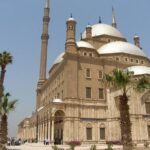
Some days in this experience also line up with the Cairo Citadel world connected to the Mohamed Ali story—especially the palace-and-mosque spaces people most associate with the “alabaster” dome look. In the past, guides have been praised for showing the citadel and mosque as a time machine through many centuries of history.
This part of Cairo is visually loud in a good way. One standout detail mentioned is the huge alabaster dome inspired by Ottoman-era architecture. Another is the presence of a French clock in an open area, plus inside lighting effects that make the interior feel dramatically lit.
Two other practical takeaways come from past experiences. First, mosque access has been reported as working even for non-muslims, so this isn’t automatically a “skip it” stop if your group isn’t Muslim. Second, timing changes crowd levels: morning visits have been described as less busy, with enough space to actually look rather than elbow your way past people.
The Citadel area can also give you a first sense of the Pyramids at certain moments. One experience noted that sunset offered a first glimpse from the Citadel area, which is a reminder that Cairo’s viewpoints are part of the monument story, not an afterthought.
If you get a Citadel day, the best way to enjoy it is simple: slow down for the dome and throne-room type spaces. Then step back and let the scale land in your brain. It’s the kind of sight that makes the rest of Cairo’s architecture feel like it belongs to a bigger plan.

Gardens, Forested Nature Park Feel, and the Fourth Pyramid Reference
The overview for this tour hints at more than just buildings. It includes historical gardens and a sense of a forested nature park area, plus a reference point tied to the fourth pyramid of Egypt. Even when you don’t spend hours in these settings, the route choice is what makes the day feel more like Cairo than a checklist.
Why that matters: monuments in Egypt land better when you can picture their surroundings. Cairo can feel dense in the streets, but the day-to-day Egypt these rulers lived in included gardens, park-like spaces, and carefully planned zones around power. When the tour connects you to that feel, the monuments stop being isolated objects and start looking like parts of a functioning world.
If the fourth-pyramid reference is included in your day’s routing, you’ll likely get a visual connection to a wider “pyramids plateau” idea rather than a full-on standalone pyramid visit. Treat it like context, not a replacement for the major pyramid sites.
My suggestion: don’t rush your eyes here. Use these minutes to reset your pace before the final big architecture moments. It makes Sultan Hassan hit harder, and it helps you carry the day’s themes—resources, power, belief—across multiple spaces.
Price and Value: What $77.15 Really Covers
At $77.15 per person for an approximately six-hour day, the value comes from what’s bundled rather than from the headline price. This tour includes lunch, bottled water, an air-conditioned vehicle, and all fees and taxes. Entry tickets are included for the Nilometer and Sultan Hassan, so your time doesn’t get chipped away by last-minute ticket hunts.
The best way to think about it: you’re paying for time efficiency plus guided interpretation. In Cairo, that matters because travel time and ticketing can eat up energy fast. When admissions and transportation are handled, you can focus on the monuments and the meaning behind them.
What’s not included is also useful. Alcoholic beverages are not included, and coffee or tea are not included. That’s normal for many sightseeing packages, but it means you should plan a simple refresh strategy. If your group depends on caffeine to function, decide whether you’ll buy it on your own.
If you’re comparing value, consider the cost of a private vehicle plus multiple sites on your own. The bundled approach is often cheaper than cobbling it together ticket-by-ticket, especially when entry fees and taxes are included.
Comfort, Timing, and Small Decisions That Matter
This tour is built for a full morning-to-afternoon style experience, but weather can affect it. It’s specifically noted as requiring good weather, and if conditions are poor, you’ll be offered a different date or a full refund. That’s worth taking seriously because visibility and outdoor moments can change your enjoyment.
I also like that the pickup location is a major hub: El-Tahrir Square. It keeps the start simple and makes it easier for your group to regroup after your sites.
Since the tour runs about six hours and includes multiple big stops, come ready for walking and standing. The itinerary times are short at some points, so you’ll likely do a lot of “look, learn, move” rather than long sitting. Comfortable shoes are the least glamorous advice, and also the most useful.
One more practical thing: bring a small mindset switch. In palaces and mosques, the details are part of the story, but the full effect matters too. If you try to capture every single detail in one sweep, you’ll miss the big idea. Let the guide point you to what’s most important, then spend extra time on your personal favorites.
Who Should Book This Tour
This is a good fit if you want a guided Cairo day that connects the Nile to major monuments and palace-style architecture. I’d especially recommend it for:
- First-time visitors who want Nilometer + Sultan Hassan as anchors
- People who like architecture and design influences, not just one landmark
- Groups who value a guide explaining what you’re seeing in plain terms
- Anyone who wants a structured day with lunch and tickets included
It’s also a strong choice if your group includes non-muslims who still want to visit the mosque-related sites. Past experiences have mentioned that mosque access worked even for non-muslims, which is reassuring.
If you’re the type who hates crowds, timing helps. Some prior visits described the Citadel areas as less busy in the morning, which can make a huge difference when you’re trying to look slowly.
Should You Book This Tour?
If your goal is a high-value Cairo highlights day with included tickets, lunch, and a guide who makes the stories make sense, I’d book it. The combination of the Nile measurement story, the monumental Sultan Hassan architecture, and the palace-and-Citadel sights gives you multiple angles on how power was shown in Egypt.
I’d hesitate only if you’re craving long museum time at Manial Palace Museum. The visit there is extremely short on paper, so treat it like a taste. If that’s a dealbreaker, you can still book this tour for the rest, then plan an independent add-on for Manial if you want deeper museum time.
FAQ
FAQ
How long is the Sultan Hassan Mosque, Nilometer, and palace-focused tour?
The duration is about 6 hours (approx.).
What’s included in the price?
The tour price includes lunch, bottled water, an air-conditioned vehicle, and all fees and taxes. Admission tickets are included for the Nilometer and the Sultan Hassan Mosque.
Where do pickup and drop-off happen?
Pickup starts at El-Tahrir Square in Cairo, and the activity ends back at the same meeting point.
Is this tour private?
Yes. It’s listed as a private tour/activity, so only your group participates.
Do I need to buy tickets separately for the Nilometer and Sultan Hassan?
No. Admission tickets are included for the Nilometer and for the Mosque and Madrasa of Sultan Hassan.
Is alcohol or coffee included?
No. Alcoholic beverages are not included, and coffee and/or tea are not included.