REVIEW · CAIRO
Pyramids, Museum & Alexandria Private Guided Tour Package (2days)
Book on Viator →Operated by First Class Egypt Tours · Bookable on Viator
Two days, two ancient worlds. This private, guided package packs Cairo’s big-ticket monuments and Alexandria’s layered past into a tight schedule, with a human guide doing the heavy lifting so you can focus on the sites. I like that main entrance tickets are included, and pickup and private air-conditioned transport remove a lot of Cairo friction before you even reach Giza.
On Day 1, you’ll step through the Pyramids of Giza story right away, then cool down with Egypt’s mummy-focused galleries at the National Museum of Egyptian Civilization. One possible drawback to plan for: it’s a full-on sightseeing rhythm—early starts and plenty of walking, plus Day 2 includes a long drive from Cairo to Alexandria.
Day 2 takes you to Alexandria’s underground and sea-facing viewpoints, from the catacombs to Pompey’s pillar and the modern library. If you keep expectations realistic about travel time and comfort, this is a strong value way to see two cities’ highlights without stitching together a bunch of separate tours.
In This Review
- Key highlights you’ll feel fast
- Why This Cairo–Alexington Combo Works in 2 Days
- Morning at Giza: Pyramids, Sphinx, and an Optional Camel or Horse Ride
- National Museum of Egyptian Civilization: Royal Mummies and 50,000 Artifacts
- Alexandria’s Catacombs of Kom El Shoqafa: Underground Layers in 2 Hours
- Pompey’s Pillar and the Serapeum Area: Classical Stone Meets Ancient Worship
- Qaitbay Citadel and the Pharos Connection: A Fort With Sea Views
- Bibliotheca Alexandrina: Modern Alexandria and Its Ancient Neighborhood
- Price and Logistics: What $330 Buys You Here
- The Driver-Guide Team: Why the Human Part Matters
- Pacing, Comfort, and Who This Tour Suits
- What to Bring (So You Don’t Burn Your Day)
- Should You Book This 2-Day Private Package?
- FAQ
- What’s included in the tour price?
- Is pickup included?
- Are entrance tickets included for the sites?
- How long is the tour?
- Is the camel ride included?
- Is this tour private?
Key highlights you’ll feel fast
- Private Egyptologist guide handling context, pacing, and on-the-ground logistics
- Main entrance tickets included for each listed site, including both-day highlights
- Giza + Sphinx + museum in one day so you don’t lose momentum between monuments
- Alexandria’s dramatic variety from Kom El Shoqafa catacombs to Qaitbay’s panoramic views
- Lunch included (2 meals) plus bottled water, so you spend less time hunting food
- Optional camel or horse ride around the pyramids if you want a classic add-on
Why This Cairo–Alexington Combo Works in 2 Days

This package is built for people who want the headline sights without turning their trip into a spreadsheet. With a private vehicle and a guide, you spend less time figuring out transport and entry details, and more time actually looking at what you came for.
The pacing also makes sense. Day 1 focuses on Cairo’s iconic monuments plus a museum that explains how those monuments fit into the bigger Egyptian timeline. Day 2 shifts gears—Alexandria is a different kind of “ancient,” with layers from Greco-Roman periods, then later Islamic-era presence, and finally the modern Bibliotheca Alexandrina.
The main thing to watch is effort level. You’re moving through major sites for multiple hours total, and some spots (like catacombs) can involve stair steps and uneven surfaces. If you describe your fitness as moderate, you’ll likely be fine with the right shoes and a little pacing of your own.
You can also read our reviews of more guided tours in Cairo



Morning at Giza: Pyramids, Sphinx, and an Optional Camel or Horse Ride
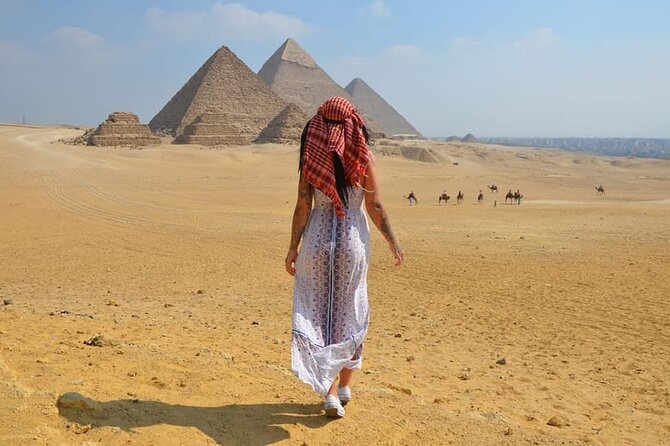
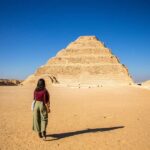
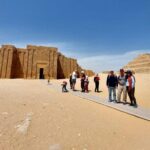
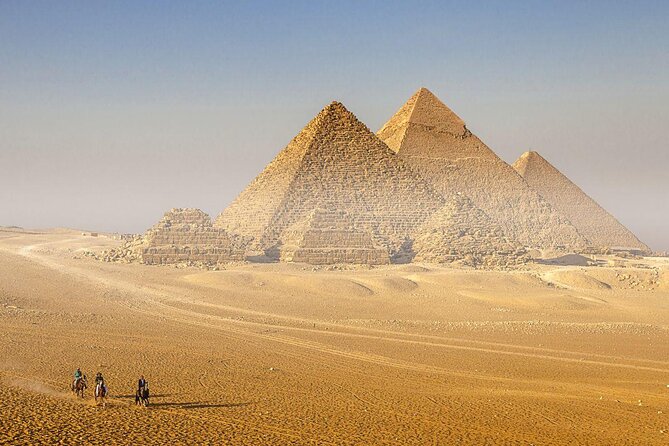
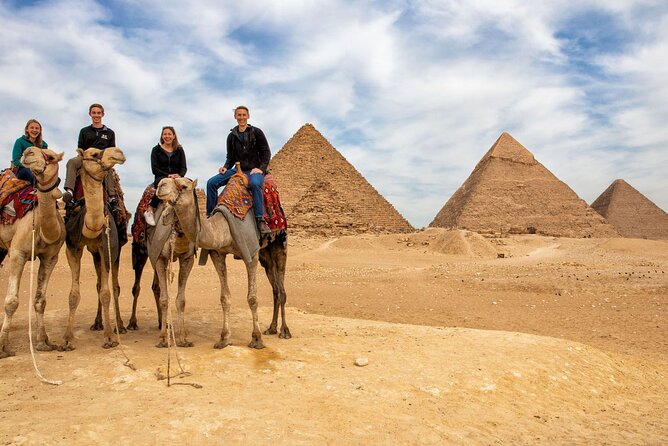
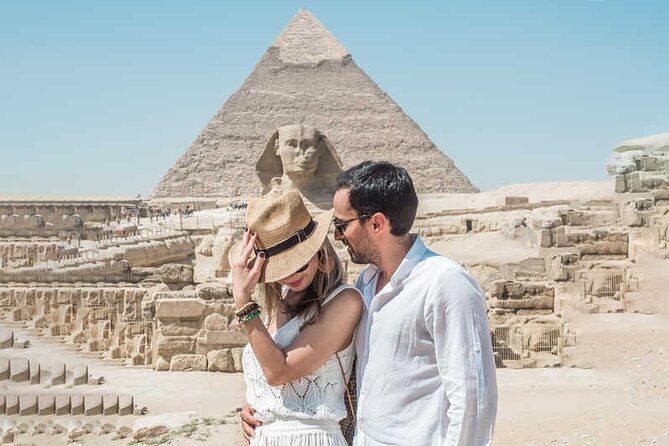
Your Day 1 starts with a pickup at 8:00 AM, then straight to the Pyramids of Giza: Cheops (Khufu), Chephren (Khafre), and Mykerinus (Menkaure). Seeing all three in the same run matters. They’re from the same plateau and visual “family,” but they don’t feel identical once you’re there—angle, proportions, and the way the complexes sit in the landscape change what you notice.
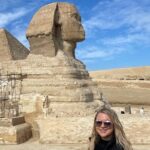
Then you’ll stop at the Great Sphinx, the giant lion-bodied guardian with a pharaoh’s head. The guide’s role here is practical: you’ll get the “what you’re looking at” basics and the why-behind-it context, which helps the Sphinx stop being just a photo subject.
What’s nice is that the tour includes time for an optional camel or horse ride around the pyramids. This isn’t listed as mandatory, which I appreciate. If you want that classic perspective from up close, it’s there. If you’d rather keep it simple and just walk, you’re not forced into an add-on.
Practical note: with early morning heat and bright light, timing matters. Going first helps you beat the crowds and get better photo lighting. I’d still plan for sun protection—Egypt days can be unforgiving.
National Museum of Egyptian Civilization: Royal Mummies and 50,000 Artifacts
After Giza, the National Museum of Egyptian Civilization (NMEC) is a smart shift: it takes you indoors and turns the “big monuments” feeling into “big civilization” understanding.
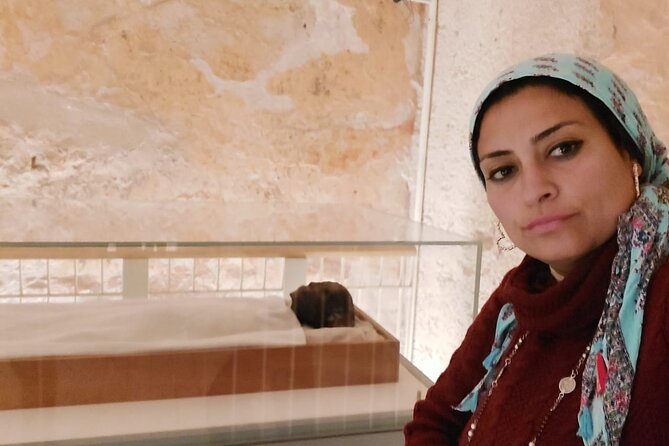
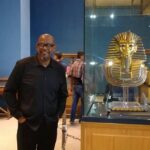
The museum is described as having a standout gallery for the Royal Mummies, and it also displays a collection of 50,000 artifacts showing Egyptian civilization from prehistoric times to the present. Even if you don’t read every label, the sheer breadth gives you a sense of scale—Egypt didn’t just build pyramids; it changed, adapted, and left traces in many forms across time.
The NMEC stop is allotted about 1 hour 30 minutes, which is just enough to see the highlights without feeling rushed through everything. This is where a guide makes a big difference: you’ll likely get pointed toward the most meaningful galleries first, which saves you from wandering and hoping you stumble onto the best rooms.
What to consider: museum visits can feel long if you’re tired from the morning. Bring water, pace yourself, and focus on the main exhibitions your guide recommends rather than trying to do everything.
Alexandria’s Catacombs of Kom El Shoqafa: Underground Layers in 2 Hours

Day 2 starts with a drive—about 3 hours from Cairo—so it’s a good day for a comfortable seat and a relaxed mindset. Once you arrive, you go underground with the Catacombs of Kom El Shoqafa, dating to the early 2nd century A.D.
Catacombs sound spooky (in the best way), but the value here is historical mixing. These spaces weren’t built as a single-style monument forever; they reflect changing cultural tastes over time. The tour mentions exploration starting at the catacombs and includes the tomb of Tigran, giving the visit structure instead of turning it into a wander.
You’ll have about 2 hours at this stop. That’s a workable amount of time to see what’s there while still keeping it comfortable. Expect stairs and enclosed areas depending on where you go and how the site is laid out that day. Wear shoes you can trust.
Pompey’s Pillar and the Serapeum Area: Classical Stone Meets Ancient Worship

Next up is Pompey’s pillar, dating to the end of the 3rd century, plus the remains of the Serapeum (Serapeion), a temple area associated with the god Serapis. The tour also mentions scattered monuments from different periods in the same area, which is a theme you’ll see throughout Alexandria: different eras stacked in one geography.
This stop is about 1 hour, which fits the site well. You get enough time to understand what you’re seeing without losing the bigger Alexandria rhythm.
One reason I like this kind of stop is that it’s not just “a single monument.” Pompey’s pillar and the Serapeum remains help you picture how worship and public life might have operated in a port city that drew people, ideas, and power from far away.
You can also read our reviews of more private tours in Cairo




Qaitbay Citadel and the Pharos Connection: A Fort With Sea Views
After the classical stops, the tour moves to Citadel of Qaitbay. This is connected to the earlier Pharos lighthouse site—the ancient lighthouse was one of the ancient seven wonders before it was destroyed, and the fort now occupies that location. The tour points out that the fort dates to the 15th century and represents Mamluk-era military fortification.
You’ll have about 1 hour here, including time for a panoramic view from the top. Views are often the reason to climb forts like this, and in Alexandria the perspective helps you understand why the city mattered to so many empires: it’s a maritime place.
What to plan for: forts can mean stairs and uneven terrain. If you’re traveling in warm weather, take slow breaks. The views are worth it, but don’t sprint to them.
Bibliotheca Alexandrina: Modern Alexandria and Its Ancient Neighborhood
You end with Bibliotheca Alexandrina, the modern Alexandria library, with mention that the old library was famous for its huge books capacity across sciences and literature, and that it was damaged several times during the Greco-Roman period. The tour also notes the modern library’s special architectural shape and that it was inaugurated in 2002.
This stop is about 2 hours, including a guided tour inside the library. Even if libraries aren’t your thing, this ending lands well. Alexandria is the kind of city where modern identity still talks to the ancient past. You’re ending on a place that’s meant for learning, which makes the earlier stops feel more coherent.
If you want a calmer final stretch, this is it. Just remember: the day started with a long drive, and you’ll still be walking between exhibits and rooms.
Price and Logistics: What $330 Buys You Here

At $330 per person for a 2-day private tour, the value is less about one single “cheap ticket” and more about bundling the parts that are hardest to do on your own.
Here’s what’s included that matters most:
- Private Egyptologist guide for both days
- Main entrance tickets to every listed site
- Private air-conditioned modern vehicle
- Bottled water
- Lunch (2 lunches)
This kind of package can save money compared to booking each element separately, especially when you factor in the Egyptologist time. It also saves energy, which is a real cost on a short trip.
What’s not included is also worth flagging: tipping for guides and drivers is recommended. If you don’t usually budget for tips, you’ll want to plan for it so you’re not scrambling late in the day.
Also optional: a camel ride is not included by default. If you want it, you’ll pay extra. If you’re set on it, decide early so you can enjoy it without rushing.
The Driver-Guide Team: Why the Human Part Matters
A big advantage of this tour style is the support you get beyond just reading facts off a sign. The tour is repeatedly praised for service quality and smooth transport, and one guide name that shows up strongly is Eman, noted for excellent service and explanations.
That matters because Cairo and Alexandria can be intense places to navigate. When your guide explains what you’re seeing and how to move through each site, it reduces stress and helps you see more without feeling like you’re constantly asking where to go next.
Your driver is also part of the comfort equation, especially with the Alexandria drive. A quiet, reliable ride makes a long day feel easier, and that’s something this package is set up to provide.
Pacing, Comfort, and Who This Tour Suits
This experience is best for:
- First-time visitors to Egypt who want the key monuments without the hassle
- People who prefer private guidance over group tours
- Anyone who likes history but also appreciates a structured schedule
It may be less ideal if:
- You hate early starts (pickup is 8:00 AM on Day 1)
- You have limited stamina for stairs or uneven surfaces (catacombs and forts can be demanding)
- You want a totally unstructured day with lots of free time to wander
One of the best ways to enjoy it is to treat it like a “greatest hits” plan. You’ll see a lot. If you try to slow-roll every single corner, you may feel rushed. If you trust the guide’s flow and focus on the major areas, the whole trip feels smoother.
What to Bring (So You Don’t Burn Your Day)
Since the tour spans hot outdoor sites and indoor museum space, pack for contrast:
- Comfortable walking shoes (catacombs and fort steps)
- Sun protection (hat/sunglasses/sunscreen)
- A light layer for museum AC (optional, but helpful)
- Basic patience for busy sites and photo lines
And if you’re doing the optional camel or horse ride at Giza, think about safety and comfort first. That choice should feel like it adds to your trip, not drains it.
Should You Book This 2-Day Private Package?
I’d book it if you want a structured, high-efficiency way to see Cairo’s Giza icons plus a museum with royal-mummy focus, then spend a full day in Alexandria with catacombs, classical ruins, a sea-view fort, and the modern library.
If your top priority is a relaxed pace with lots of downtime, you might feel the schedule pressure. But if you can handle a busy two days and you’d rather pay for a smooth private setup than manage logistics yourself, this is a strong deal.
One more practical point: private tours usually feel best when you communicate your interests early—pyramids vs. mummies vs. Alexandria’s underground and forts. With a capable guide, you’ll get more out of the time you’re spending on site.
FAQ
What’s included in the tour price?
The tour includes a private Egyptologist guide, main entrance tickets to all mentioned sites, a private air-conditioned modern vehicle, bottled water, and lunch (2 lunches).
Is pickup included?
Yes. Pickup is offered, and the tour starts with an 8:00 AM pickup on Day 1.
Are entrance tickets included for the sites?
Yes. Main entrance tickets are included for all listed stops, including the Pyramids of Giza, Great Sphinx, NMEC, Catacombs of Kom el Shoqafa, Sarapeum area, Citadel of Qaitbay, and Bibliotheca Alexandrina.
How long is the tour?
It’s a 2-day tour. Day 1 includes multiple stops in Cairo, and Day 2 is an Alexandria day trip with about 3 hours driving from Cairo.
Is the camel ride included?
The camel or horse ride around the pyramids is listed as optional, so it is not automatically included.
Is this tour private?
Yes. It’s a private tour/activity, and only your group participates.