REVIEW · CAIRO
Private tour coptic cairo
Book on Viator →Operated by Last Minute in Egypt · Bookable on Viator
Old Cairo tells quieter stories than you expect. This private half-day visit connects Coptic Cairo churches with living faith and street-level history.
I especially like the icon-heavy stops and the way a real guide helps you read what you’re seeing instead of just walking past it.
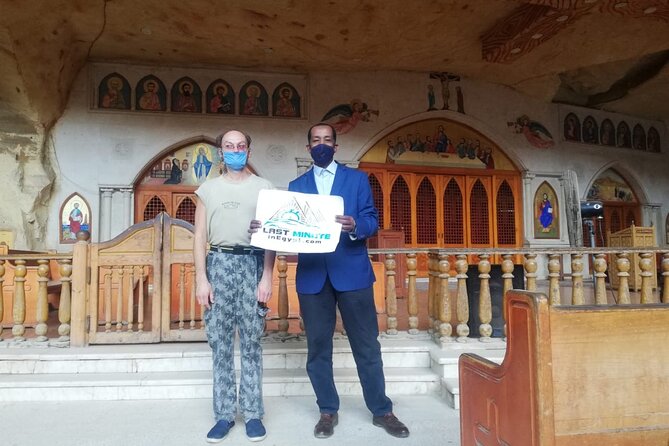
Next, I love the contrast of the Cave Church at St. Simon the Tanner Monastery. The story of how it was carved out of rock (linked to garbage-collector work in the 1970s) turns a church visit into a social-history lesson.
One consideration: entrance fees are at your own expense, so budget a little extra beyond the tour price.
In This Review
- Key things to know before you go
- Why Coptic Cairo feels personal with a private guide
- Old Cairo Icons: Hanging Church and Abu Serga on one smooth route
- St. Simon the Tanner Cave Church: the garbage-collector story that reframes everything
- Prayer time, photos, and staying respectful inside the churches
- Hotel transfers and timing: saving energy in a traffic-heavy city
- Price and what you actually pay for at $25
- Who this private Coptic Cairo tour fits best
- Should you book Private Coptic Cairo?
- FAQ
- How long is the private Coptic Cairo tour?
- Is hotel pickup and drop-off included?
- What is included in the tour price?
- Are entrance fees included?
- Is this tour truly private?
- What is the cancellation policy?
- Do I get a mobile ticket?
Key things to know before you go

- Private, no-rush touring: only your group, with a guide and no stops for other travelers
- Icon-adorned churches: Hanging Church and Abu Serga anchor the Old Cairo loop
- St. Simon the Tanner Monastery: a huge cave church tied to a surprising 1970s community effort
- Two-way hotel transfers: you save time and avoid Cairo’s trial-and-error
- Guides vary in style: some focus on explanation and prayer time, while punctuality can vary—confirm pickup details
Why Coptic Cairo feels personal with a private guide
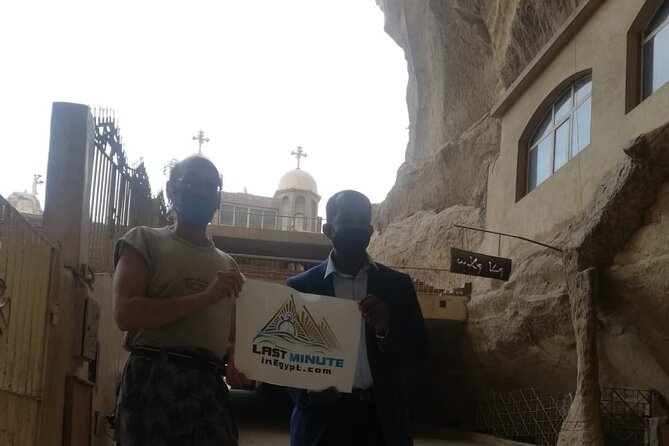
Coptic Cairo is one of those places where big sights matter less than how you’re guided to look. With a private format, you get to set the pace. If you want to slow down for icons, carvings, or quiet moments inside a church, you’re not doing it while strangers stare at their watches.
I also like that the tour is structured like a half-day mission: you get a focused route across Old Cairo instead of a “see everything” scramble. That matters in Cairo, where time can evaporate fast once traffic and finding places start eating your morning. Here, the experience is built around one tight area and a clear set of church visits.
The guide part is not just a bonus. A good guide turns religion and symbolism into something you can follow in real time. On this tour, you’ll learn about Coptic Christians’ role in the neighborhood’s day-to-day world. In particular, you’ll hear the story connecting the St. Simon the Tanner site to the area’s garbage work—an angle you won’t get from a casual walk.
Finally, the private transfers help you keep your energy for the churches. You’re not spending your best daylight figuring out which street your driver meant or whether your meeting point is “around the corner” in Cairo terms.
You can also read our reviews of more private tours in Cairo



Old Cairo Icons: Hanging Church and Abu Serga on one smooth route
Your first stop is Coptic Cairo, often called Old Cairo. This is where you’ll see the dense cluster of churches that shaped the area’s identity over centuries. What makes this part worth your time is how visual it is: icon panels, decorated interiors, and a neighborhood feel that makes the churches feel like part of daily life, not museum objects.
The Hanging Church is the signature opener. It’s the kind of place where you’ll notice details once someone points your attention in the right direction. Icons are everywhere, and the guide can help you understand what they represent, not just how they look. If you’re the type who likes to connect architecture and art to belief, this is a strong start.
Right after that, you’ll visit Abu Serga. Here, the story gets personal and local. It’s linked to a belief that the Holy Family stayed in Egypt, with Abu Serga associated with that tradition. You’ll hear the significance tied to the church and the surrounding Coptic neighborhood, which helps explain why this stop lands emotionally for many visitors.
What I like about covering these two churches back-to-back is the rhythm. You get one “signature” church that many people recognize, then another that carries a powerful story tradition for the Coptic community. Together, they give you a more complete sense of how faith, art, and local memory overlap in Old Cairo.
A small practical note: church time can be slower by nature. Expect moments where you’ll want to stand, look, and listen. If you prefer ticking clocks, this route can still work, but you’ll enjoy it more if you accept that some parts of worship are meant to be unhurried.
St. Simon the Tanner Cave Church: the garbage-collector story that reframes everything
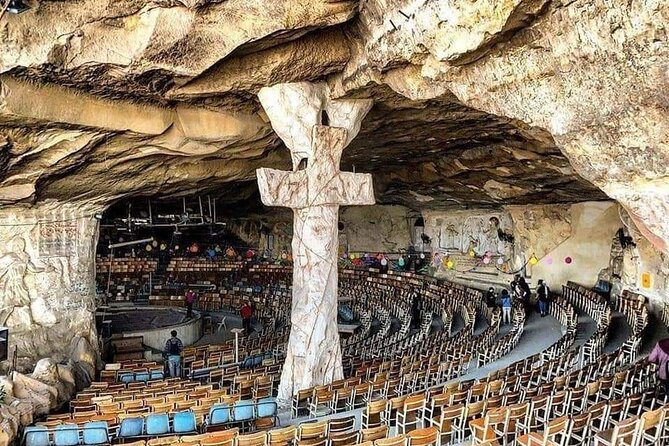
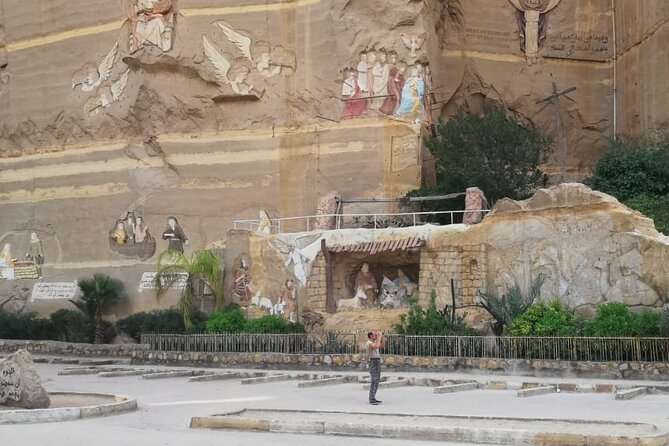
Then comes the tour’s biggest wow moment: the St. Simon the Tanner Monastery, often described as a cave church. It’s carved out of rock, and it’s huge—one of the Middle East’s larger church spaces.
Here’s what makes it more than a dramatic setting. You’ll hear how the site is connected to garbage collectors, especially a story tied to the 1970s. That’s the part that changes how you see the place. Instead of thinking of a church as something that simply appeared, you start seeing it as something shaped by local labor, community work, and survival.
The guide’s explanation is key. Good guides don’t just say “it was carved here.” They connect the church to what the community did with what it had. You’re walking into a space that carries a strong message: faith isn’t only high-minded. It’s also practical. It grows where people live, work, and build meaning in tough conditions.
Visually, you’ll feel the difference the moment you’re inside. Cave churches have a unique atmosphere. The stone surfaces and the carved forms change how sound carries and how light hits the space, so take your time with photos and just-being-there moments.
One drawback to plan around: because entrance fees are not included, you’ll want to be ready to pay for your entries on the day. Having a little cash on hand (and being prepared for separate payment at church sites) keeps your visit from getting stuck in last-minute logistics.
Prayer time, photos, and staying respectful inside the churches
A private tour is at its best when it matches your comfort level. One of the most positive notes from past visitors is that some guides allow quiet time for prayer and reflection inside the churches. That doesn’t mean the guide turns off their explanations. It means they read the room and give you space to have a moment.
If you want calm, try to communicate it early. When you meet the guide, you can ask for time to sit or pause. In past experiences with guides such as Rana, the approach is reportedly flexible—people were able to take time for prayer or reflection rather than being rushed out on a tight schedule.
Photos can also get better with the right guide. Some guides, including Mahmoud, have been described as helpful for taking good pictures. That’s not just about camera tips. It’s about knowing when to step back, where light falls, and how to avoid blocking other visitors.
The main thing: these are active religious sites. If your guide gives guidance about where to stand, when to move, and how to dress appropriately, follow it. You’ll get a smoother experience and you’ll show respect to the community that’s sharing the space with you.
Also remember that your route is only about a half-day. That’s long enough to see the key churches and still flexible enough to stop for a breather if you need it. If you’re visiting with kids or someone who needs breaks, a private guide can help you pace the visit—rather than dragging everyone through in one long line.
Hotel transfers and timing: saving energy in a traffic-heavy city
This tour includes pickup offered and private two-way hotel transfers. That’s a big deal in Cairo. The city can be confusing at street level, and even when you know where you’re going, getting there smoothly can take more effort than the sightseeing itself.
The private format also means you’re not doing the frustrating thing where the vehicle makes extra stops to pick up other groups. Your driver and guide focus on your route, and you can stick to your church plan without detours.
That said, Cairo runs on human schedules as much as route plans. Some people have experienced pickup communication issues, including situations where the guide didn’t answer messages and couldn’t locate the pickup point. It’s rare that you’ll completely avoid issues in a city like this—but you can reduce stress.
My practical advice: confirm your pickup time and meeting point clearly the day before. If the organizer provides a mobile ticket and a contact method, use it to confirm where you’ll meet. Keep your message short: name, hotel, pickup time window, and a simple instruction like call on arrival.
Punctuality can vary too. One unhappy note involved a guide arriving late and having basic language skills. You can’t control how a guide shows up, but you can avoid a bad day by being prepared: keep your plan flexible, and if something feels off early, speak up immediately so adjustments happen fast.




Price and what you actually pay for at $25
The headline price is $25 per person, with tour length typically running about 3 to 6 hours. That’s the right kind of price for a private guided loop, because you’re not just paying for a car ride—you’re paying for interpretation and for someone to manage the flow across Old Cairo’s churches.
What’s included: a tour guide and bottled water. That’s simple and helpful. What’s not included: tipping, and all fees and taxes. And importantly, entrance tickets are not included.
So the real value question is simple: do you want a guided explanation and private transfers? If yes, the cost can feel reasonable, because otherwise you’d still pay for transport and struggle with figuring out the order and meaning of what you’re seeing. In other words, you’re paying for time saved and clarity gained.
Where you can lose value: if you don’t care about learning the stories behind the icons and church traditions. If you mainly want a quick “photo tour,” you might feel the cost isn’t matching your goals.
How to budget smartly:
- Set aside extra money for church entries since fees are at your own expense
- Plan to tip if you feel the guide added real value (tipping isn’t included)
- Bring small cash in case a site payment process is separate from other stops
Who this private Coptic Cairo tour fits best
This tour is a strong match if you want to see Coptic Cairo without turning your day into logistics work. The private format helps you take things at your pace, and the focused route keeps the experience from stretching too long.
It’s also a good fit if you like context. This isn’t only about historic buildings. You’re learning why these churches matter to Coptic Christians, plus a memorable connection between faith sites and the area’s garbage work story tied to the 1970s.
Choose this tour if you:
- Want a guided route through Old Cairo’s main Coptic church stops
- Prefer private transfers over public transport navigation
- Enjoy art and icon detail and want someone to help you interpret what you’re seeing
- Would like flexibility for prayer time or quieter moments inside churches
You might skip it if you:
- Hate paying extra entrance fees and prefer fully inclusive pricing
- Want a strict itinerary with no variation in pace
- Are very sensitive to pickup timing problems, and you can’t manage last-minute confirmation
Most people can participate, and it’s described as being near public transportation, but the tour’s real strength is still the private, hotel-to-church flow.
Should you book Private Coptic Cairo?
Book it if you want a calm, guided half-day through Old Cairo’s Coptic churches, with hotel pickup and a story-focused approach. The Hanging Church and Abu Serga give you the iconic Coptic Cairo start, and St. Simon the Tanner cave church gives you the moment that people remember because it connects faith to community labor in a way that feels real.
Skip it (or at least think twice) if your budget is tight and you don’t want to pay additional entrance fees on the day. Also, if you’re likely to have communication issues on the day of travel, take a minute to confirm pickup details early. That single step can prevent the most common frustration: not knowing exactly where to meet.
If you get a guide who explains with empathy and flexibility, this tour becomes more than sightseeing. It becomes a way to understand how belief and neighborhood life are intertwined in Cairo.
FAQ
How long is the private Coptic Cairo tour?
It typically lasts about 3 to 6 hours (about a half-day). The Coptic Cairo portion is listed at around 4 hours.
Is hotel pickup and drop-off included?
Pickup is offered, and the experience includes private two-way hotel transfers.
What is included in the tour price?
The tour includes a tour guide and bottled water.
Are entrance fees included?
No. Entrance fees and admission tickets are not included, so you pay them yourself.
Is this tour truly private?
Yes. It’s a private tour/activity, meaning only your group participates.
What is the cancellation policy?
You can cancel for a full refund up to 24 hours before the experience starts.
Do I get a mobile ticket?
Yes, mobile ticket is included.