REVIEW · CAIRO
Private Tour: 7 Nights Pyramids & Nile Cruise +Flights from Cairo
Book on Viator →Operated by Reflections Travel · Bookable on Viator
Cairo and the Nile in one package sounds simple, but the pacing is what makes it special. You start with Giza pyramids and Egyptian Museum time in Cairo, then you fly to Luxor and settle into a 4-night Nile cruise with temple visits along the river. The trip is built around private guides and included meals, so you spend less time figuring things out and more time looking up at ancient stones.
Two things I really like here are the private air-conditioned transfers (airport, hotel, and port) and the mix of sites: big icons in Cairo and Luxor, then smaller-but-meaningful stops like Hatshepsut at Deir el Bahari and Philae near Aswan. You’ll also get domestic flights between cities, which keeps you from losing days to long drives.
One consideration: Egypt logistics can be a moving target. Some past travelers flagged changes and timing hiccups, and a few weren’t thrilled with hotel/ship comfort (including one report about the cruise spending more time docked than expected). If you’re the kind of person who loves a perfectly fixed schedule, I’d go in with patience and a backup mindset.
In This Review
- Key highlights worth planning around
- Cairo to Luxor by flight: the tour’s smartest move
- Giza, Egyptian Museum, and Coptic Cairo: pick the right moment to slow down
- Karnak and Luxor Temple on cruise time: where the pace suddenly makes sense
- Valley of the Kings, Hatshepsut, and Colossi of Memnon: the day that wins
- Edfu and Kom Ombo temples: two very different temple personalities
- Aswan’s High Dam, Unfinished Obelisk, and Philae: big engineering plus sacred calm
- Cruise reality check: time at dock can be a thing
- Value for $1,500 per person: where the money actually goes
- Who this private package is best for
- Should you book this tour?
- FAQ
- What cities are covered in this tour?
- How many nights are in Cairo and on the Nile cruise?
- Are flights included?
- What meals are included?
- Are entrance tickets included for the main sights?
- What are the biggest sightseeing stops?
- Is this a private tour?
- Do I need a visa and international flights?
- What physical readiness is expected?
Key highlights worth planning around
- Giza + Sphinx + Valley Temple in the same Cairo day, with structured museum time afterward
- Egyptian Museum focused on major artifacts like Tutankhamen items
- Coptic Cairo (Hanging Church + Ben Ezra Synagogue) plus Khan El Khalili shopping
- Valley of the Kings + Hatshepsut temple + Colossi of Memnon on one packed day
- Edfu and Kom Ombo temples built for the cruise rhythm
- Aswan High Dam + Unfinished Obelisk + Philae for a full engineering-and-spiritual day
Cairo to Luxor by flight: the tour’s smartest move
This itinerary is designed to protect your time. Instead of hauling yourself over land, you fly from Cairo to Luxor, then later from Aswan back to Cairo. That means you can do the big Cairo hits early, then shift into “river mode” without wasting a full travel day.
On Day 1, you’re met at Cairo International Airport and transferred to your Cairo hotel in an air-conditioned car. After check-in, you get information about tomorrow’s excursion. That kind of arrival briefing matters more than people think, because Cairo can be intense on a first visit.
Day 3 is your flip day: you check out of the Cairo hotel, go to the airport, and fly to Luxor. Once you arrive, you’re met again and transferred by car to board a 5-star Superior Nile cruise. If you want the simplest version of this trip—see Cairo, then cruise—this is the pacing that makes it work.
One more practical note: the tour is listed as private, so you’re not stuck with random pacing from a larger group. Your guide can usually adjust walk time and photo stops within reason, and that flexibility is one of the main reasons these itineraries feel good when they’re running smoothly.
You can also read our reviews of more boat tours in Cairo



Giza, Egyptian Museum, and Coptic Cairo: pick the right moment to slow down
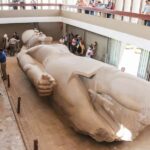
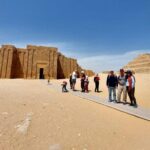
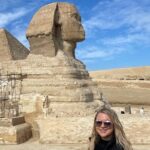
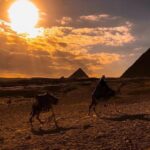
Cairo is where you get your “wow” factor fast. Day 2 is the heavy classic day: Great Pyramids of Cheops, Chephren, and Mykerinus, the Sphinx, and the Valley Temple attributed to Chefren. You also get time at the “oldest monumental sculpture” and the large monolith statue theme—basically, you’re not just looking at pyramids from a distance. You’re in the story.
What to do with your time here: don’t rush through the Sphinx area. That’s where scale becomes real. Also, plan to spend a little extra time around viewpoints instead of sprinting straight toward the next stop. The pyramids are easy to photograph but harder to absorb quickly.
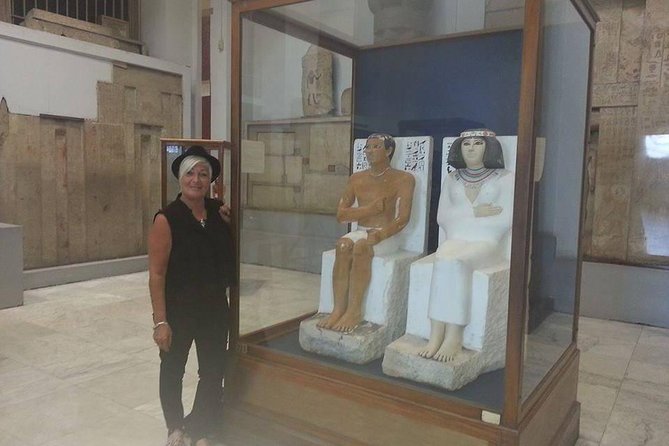
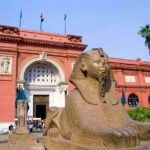
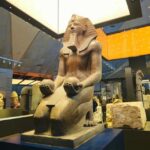
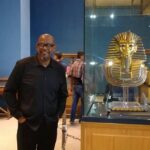
Then the itinerary moves into the Egyptian Museum of Egyptian Antiquities for an “up close” reset. The museum visit includes major pieces like those connected to Tutankhamen. If you go in tired, you can miss the point of why this collection is so important. I recommend approaching it like a guided timeline: look first at the artifacts, then let your guide connect them back to what you saw outside.
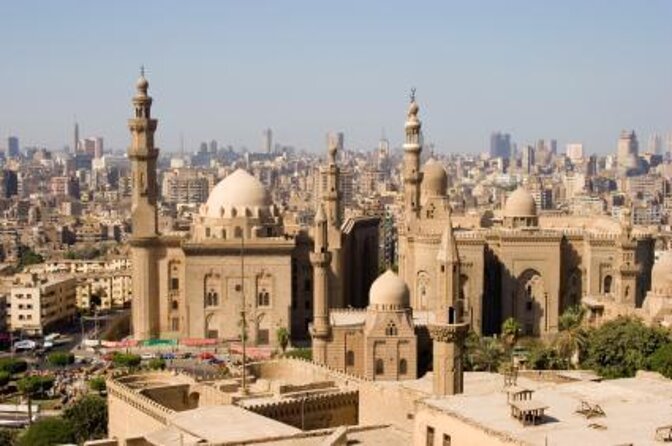
The last Cairo block is Coptic Cairo, including the Hanging Church and Ben Ezra Synagogue, plus time to browse Khan El Khalili Bazaar. This is a great contrast day: you’re moving from ancient royal monuments to layered religious history in one afternoon. If you enjoy walking through real neighborhoods and not just museum floors, this part is one of the trip’s best “Egypt feels like Egypt” moments.
One realistic caveat from past experiences: Cairo can be pushy in some areas, especially around markets and shops. If you’re sensitive to sales pressure, keep your eyes forward, set your budget in advance, and remember tips and purchases are always optional.
Karnak and Luxor Temple on cruise time: where the pace suddenly makes sense
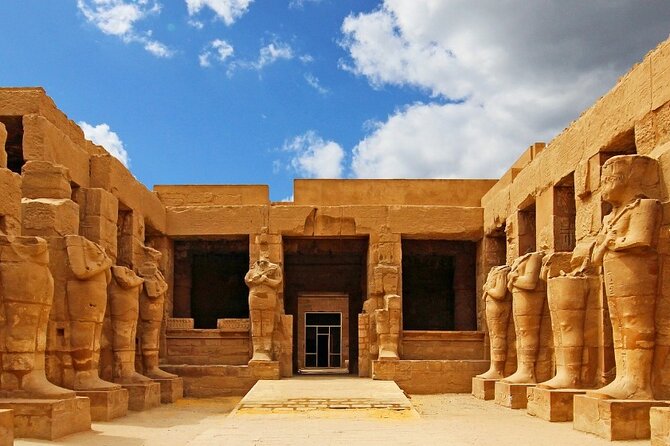
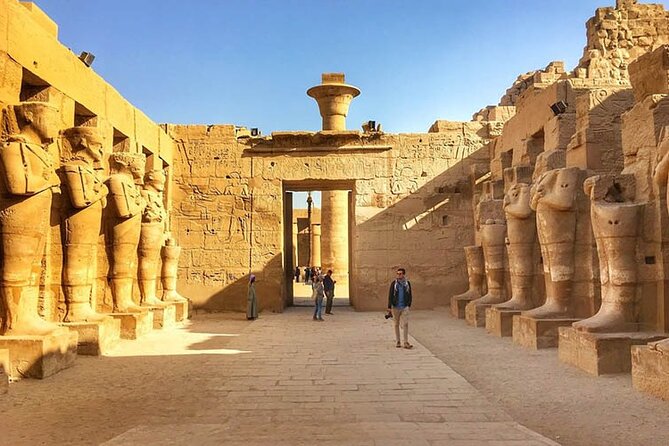
After you board the cruise in Luxor, Day 3 adds Karnak Temple and Luxor Temple. This is a strong pairing because Karnak gives you the huge, ceremonial sense of power, while Luxor Temple feels more human-scaled in comparison. You see them as two halves of one big story rather than isolated ruins.
Timing matters here. You have lunch on board, then you tour temples in a block, with dinner and night on board after. For a first-time Egypt trip, that rhythm is a real gift. You’re not paying for “sightseeing fatigue” by staying out late in the heat or trying to wedge in extra rides.
In feedback from earlier travelers, guide quality gets singled out a lot. Names that came up include Abdo in Cairo and Mohammad, Ahmed Haroon, Hesham, and Abdul across Cairo/Luxor/Aswan work. That’s not just trivia. A good guide can explain why certain temple axes align with ritual life, and that makes the walking feel less like scavenger-hunt steps.
If you like photos, bring a little patience. Temples can get crowded, and you may need to wait for angles, stairs, or your turn. The good news: both Karnak and Luxor Temple give you plenty of built-in framing spots, so even short pauses pay off.
Valley of the Kings, Hatshepsut, and Colossi of Memnon: the day that wins
Day 4 is a stacked day, and it’s the one I’d circle if you’re choosing favorites. You start with the Valley of the Kings, then move to Temple of Hatshepsut at Deir el Bahari, and finally Colossi of Memnon.
The Valley of the Kings is where you feel the funeral geography of ancient Thebes. The itinerary mentions well-known tombs like Tutankhamun, Ramses VI, Merneptah, Amonhotep II, and others. You might not see every single tomb opening in a day, but the point is the setting: rock-cut tombs in a landscape that was built to hide and protect.
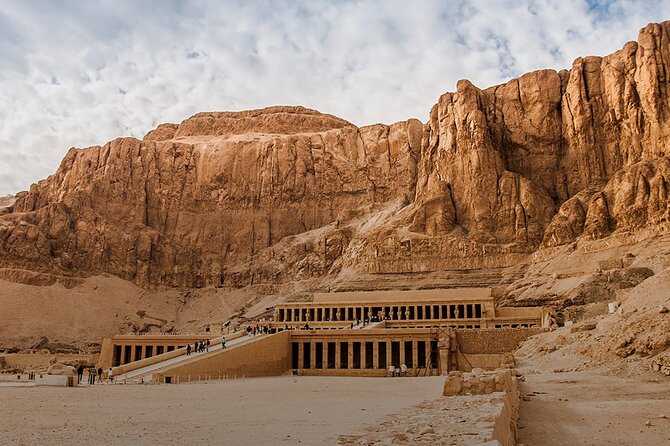
Hatshepsut’s temple is a different mood. It’s set into the mountain, and the structure is so visually coherent that you don’t need a lecture to appreciate it. Still, a guide helps you connect it to why a queen-pharaoh wanted this kind of monument.
Then you finish with the Colossi of Memnon, the big twin statues. Even if you’re not a statue person, these give you strong photo anchors and a sense of scale.
One fair caution: some past travelers reported missing photo options at the Valley of the Kings because their guide didn’t offer choices around paid photography permissions. Your best move is simple—ask your guide early in the day what’s possible, and whether any areas have extra photo rules or optional fees. That way you don’t end up wishing you had asked once you’re already moving on.
After these stops, you drive back to the cruise for lunch and then sail to Edfu. That “walk, eat, sail” flow is part of the experience—don’t fight it.
Edfu and Kom Ombo temples: two very different temple personalities
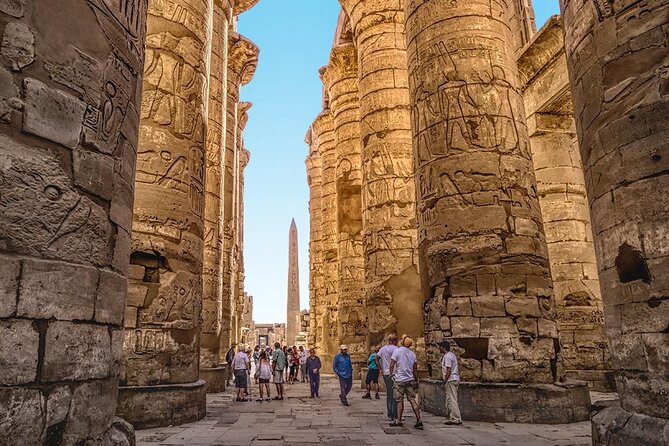
Day 5 has Temple of Horus at Edfu, then Kom Ombo Temple dedicated to Sobek and Horus. This is one of those days where the cruise schedule shines. You’re not constantly jumping between distant hotels and cities. The ship is your base, and the temples become your daily storyline.
Edfu’s Horus Temple is described as a well-preserved Ptolemaic temple. In practical terms, that means you’ll be able to see wall rhythms and carvings more clearly than at sites where time has worn the details away.
Kom Ombo is the counterpoint. It’s presented as the unique temple of Sobek, with Horus the falcon-headed god also included. If you like temples that feel purpose-built for specific gods and roles, this stop can be satisfying because it’s not just “yet another ruin.”
After Kom Ombo, you continue sailing to Aswan, with dinner on board.
You can also read our reviews of more private tours in Cairo



Aswan’s High Dam, Unfinished Obelisk, and Philae: big engineering plus sacred calm
Day 6 is an Aswan triad:
- Aswan High Dam
- Unfinished Obelisk
- Temple of Philae
The High Dam visit gives you modern engineering in a landscape shaped by the Nile. It’s not as romantic as pyramids, but it’s meaningful in a different way: the Nile isn’t just ancient myth. It’s water management, livelihoods, and regional power.
Then you head to the Unfinished Obelisk, with the itinerary noting its massive weight (1,168 tonnes). This is a great stop for anyone who wants a reality check about how hard it is to carve stone at monumental scale. The “unfinished” label isn’t a letdown—it’s a window into process.
Finally, you end at Philae Temple, dedicated to Isis. Philae has a spiritual atmosphere that pairs well with a day of heavy stone facts. It also feels like the kind of place you’d want to see at a slower pace rather than rushing your last photos.
Dinner and night are on board, keeping the day from turning into nonstop logistics.
Cruise reality check: time at dock can be a thing
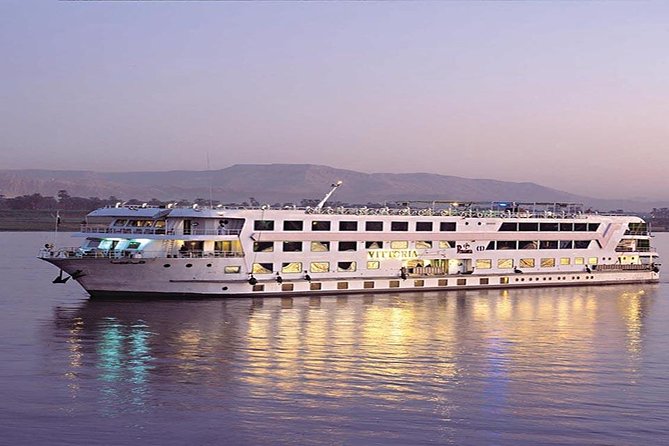
A couple past reviews mentioned that the cruise felt more docked than expected, including one report that the first 48 hours were spent on a ship that didn’t move. Another mentioned that the view from the cabin could be blocked by another anchored boat, and that the ship’s engine noise was noticeable over time.
You should treat the cruise as part hotel, part floating transit hub, and part daily temple shuttle. If the ship spends more time stationary than you expected, the “excursion quality” matters even more.
Two practical tips:
- Bring patience for timing. Temples and boats are both scheduling systems with weather, crowd levels, and river logistics.
- Ask early about what daily photo permissions are available at the Valley of the Kings area (and any similar sites). Some fees and rules can affect what you can do after you’re already onsite.
Also, keep your phone ready. One traveler mentioned direct WhatsApp communication with the tour agency, but that wifi may be an extra charge onboard.
Value for $1,500 per person: where the money actually goes
At $1,500 per person, this package is built around three cost drivers you’d otherwise pay for separately:
- 7 nights total (3 in Cairo + 4 on a 5-star Superior Nile cruise)
- Domestic flights (Cairo to Luxor, Luxor/Aswan routing, and return to Cairo)
- Private transfers + guided private tours with admission tickets included for the listed sights
The value gets clearer when you price out the “in-between stuff.” Transfers, entry costs, and city-to-city flight time add up quickly, especially if you’re doing it on your own without a fixed guide-and-ride plan.
Meals are also included: 7 breakfasts, 5 lunches, and 4 dinners, plus bottled water during the trip. That matters on this route, because you’re often coming out of a long walk or temple block and you don’t want to hunt for food with a tired brain.
Where the value can slip: if your Cairo hotel condition isn’t what you expect or if the cruise schedule feels less like sailing and more like staying docked, the “perceived value” changes fast. The fix is to go in with realistic expectations and keep your comfort needs in mind, especially for water consistency and electricity reliability.
Who this private package is best for
I think this fits best if you:
- Want a first-timer-friendly Egypt route that hits Cairo, Luxor, and Aswan without adding extra days
- Prefer private guides and included transfers over self-navigation
- Like structured sightseeing days with clear stops and guided context
- Would rather spend on flights and planning than on constant taxis and entry-ticket math
It may not fit as well if you:
- Need a very fixed schedule down to the minute and get stressed by any itinerary reshuffling
- Are highly sensitive to hotel/ship comfort details and noise
- Plan to spend lots of time on optional add-ons you’ll have to pay for separately (optional tours aren’t included)
Should you book this tour?
If your dream is pyramids, then temples, then sleeping to the Nile, this is a strong way to do it with minimal logistics stress. The “Cairo + Nile cruise + flights” format is efficient, and the included meals and transfers help you keep moving without burning your vacation on administrative chores.
My recommendation: book it if you’re comfortable with a guided schedule and you’re willing to trade some freedom for smooth city-to-city handling. Before you go, I’d also make sure you have the confirmed hotel and flight timing in writing, since some earlier travelers said changes weren’t shared until they arrived in Cairo. If you do that homework, you’ll start the trip with far less worry—and you’ll enjoy the parts that really matter: Giza, Karnak, the Valley of the Kings, and the Aswan trio.
FAQ
What cities are covered in this tour?
You spend time in Cairo, then fly to Luxor, and continue downriver to Edfu, Kom Ombo, and Aswan, before returning to Cairo for your final departure.
How many nights are in Cairo and on the Nile cruise?
The package includes 3 nights in Cairo and 4 nights on the Nile cruise.
Are flights included?
Yes. Domestic flights are included for the Cairo/Luxor/Aswan/Cairo routing. International airfare is not included.
What meals are included?
The tour includes 7 breakfasts, 5 lunches, and 4 dinners. It also includes bottled water during the trip.
Are entrance tickets included for the main sights?
Most tours list admission tickets included, including major visits like the pyramids, Egyptian Museum, Karnak/Luxor Temples, the Valley of the Kings, Hatshepsut, and the Aswan temples/High Dam stops as listed in the itinerary.
What are the biggest sightseeing stops?
Key stops include the Great Pyramids of Giza and Sphinx, the Egyptian Museum, Khan El Khalili in Cairo, Karnak Temple and Luxor Temple, the Valley of the Kings, Temple of Hatshepsut, Edfu (Temple of Horus), Kom Ombo Temple, and in Aswan the High Dam, Unfinished Obelisk, and Temple of Philae.
Is this a private tour?
Yes. It’s described as a private tour/activity, meaning only your group participates.
Do I need a visa and international flights?
You’ll need an Egypt entry visa (not included), and you’ll need to arrange international airfare yourself (not included).
What physical readiness is expected?
The tour notes moderate physical fitness is recommended, which matters for temple walking and uneven ground.