REVIEW · CAIRO
Private Tour: 7 Nights Pyramids & Nile Cruise +Flights from Cairo
Book on Viator →Operated by Reflections Travel · Bookable on Viator
Cruise Egypt on rails and rivers. I like the way this private, Egyptologist-guided route links Cairo highlights to a Luxor–Aswan sailing, and I love how the schedule leaves real downtime onboard. You’re not bouncing off the ship every hour, which matters on a first trip to Egypt.
A key consideration: entrance fees are not included overall (budget about $59 per person), so the big monuments add a little extra cost. Also, plan to follow up before you go—some past booking experiences pointed to missing or unclear pre-trip emails, even when the on-the-ground service was solid.
If you want a packaged trip with transfers, domestic flights, lodging, and guided sightseeing handled for you, this is the kind of setup that can make Egypt feel friendly instead of chaotic.
In This Review
- Key Points Worth Noting Before You Go
- A Cairo Start That Sets the Tone for the Nile
- Pyramids of Giza, Egyptian Museum, and Coptic Cairo in One Push
- Great Pyramids + Sphinx + Valley Temple
- Egyptian Museum of Antiquities
- Coptic Cairo + Khan El Khalili
- Budget for Entrance Fees Even When Tours Feel All-In
- Flight to Aswan and the Ones You Can See in a Single Day
- Philae Temple
- Aswan High Dam
- Unfinished Obelisk
- Kom Ombo + Edfu: Shared Temples and a Better Kind of Sails
- Kom Ombo Temple
- Horus Temple at Edfu
- Luxor on the East Bank: Karnak and Luxor Temples
- Valley of the Kings + Hatshepsut at Deir el Bahari + Colossi of Memnon
- Valley of the Kings
- Deir el Bahari (Temple of Queen Hatshepsut)
- Colossi of Memnon
- Fly back to Cairo after the West Bank
- Day 7 in Cairo: Optional Alexandria for Roman Egypt Flavor
- What You’re Really Paying For at $1,300
- The Best Fit: Who Should Book This Nile + Cairo Package
- Should You Book This Tour?
- FAQ
- How long is this tour and where does it start?
- How many nights will I spend in Cairo vs on the cruise?
- Are meals included?
- What flights are included?
- What major sites will I see?
- Are entrance fees included?
- Can I take the Alexandria trip while staying in Cairo?
- What’s the cancellation refund timeline?
Key Points Worth Noting Before You Go
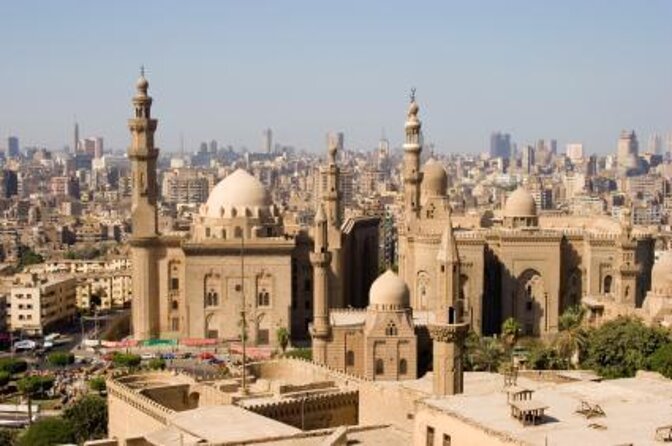
- 5-star superior Nile cruise time: real breaks between temple days, with onboard meals and amenities to enjoy
- Egyptologist-guided temple days in both the East and West Banks (Karnak, Luxor, Valley of the Kings, Hatshepsut)
- Domestic flights included to cut down on long overland travel: Cairo ↔ Aswan, then Luxor ↔ Cairo
- Private logistics in Cairo with meet-and-assist and air-conditioned transfers
- Entrance fees extra in the estimate: bring a bit of extra budget for sites
- Cairo has an Alexandria option on Day 7 (Pompey’s Pillar, Roman ruins, Catacombs, Citadel, Bibliotheca Alexandrina)
A Cairo Start That Sets the Tone for the Nile
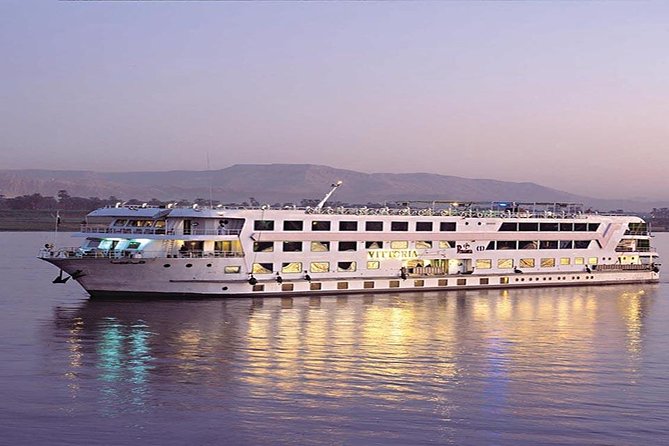
This trip is built to solve one common Egypt problem: you arrive, you’re jet-lagged, and suddenly you’re expected to organize transport, tickets, and meeting points. Here, you get a representative meeting you at Cairo International Airport, then a private transfer to your hotel for check-in and a briefing about what comes next.
I like this approach because it makes the first day feel practical. You also get 4 nights in Cairo on bed & breakfast, which gives you a cushion to adjust before the cruise rhythm takes over. After that, you’ll switch from city energy to river calm—Luxor and Aswan temples, plus onboard downtime.
One more detail that affects your comfort: all transfers are by modern air-conditioned vehicle, and there’s a bottle of water included during the trip. Small things, but Egypt heat is not subtle.
You can also read our reviews of more boat tours in Cairo



Pyramids of Giza, Egyptian Museum, and Coptic Cairo in One Push
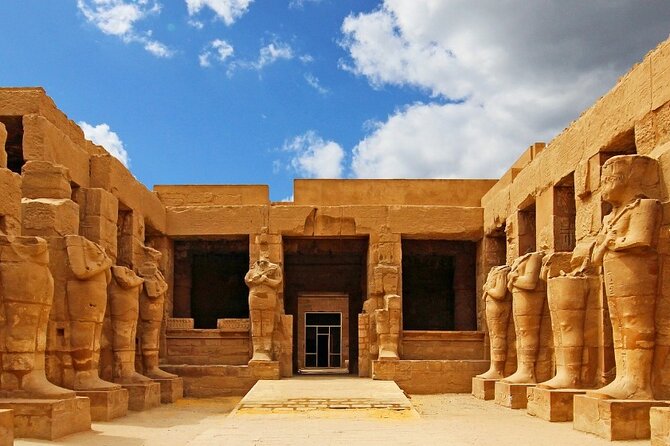
Day 2 is a big day, and that’s both the thrill and the potential strain.
Great Pyramids + Sphinx + Valley Temple
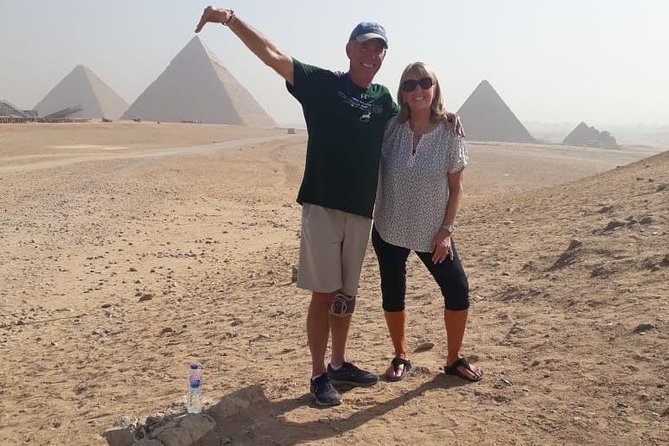
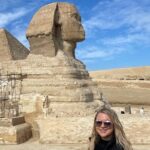
You’ll go out to the Great Pyramids of Cheops, Chephren, and Mykerinus, plus the Sphinx. The program also includes the Valley Temple, described as linked to King Chefren and used for mummification processes.
What this means for you: you’ll likely spend the morning in the classic postcard zone, but with enough structure that you won’t waste time figuring out the route. The main consideration is pacing. Monument-heavy days can feel intense, even with an Egyptologist guiding you through what matters.
Egyptian Museum of Antiquities
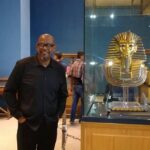
Next comes the Egyptian Museum, with a highlight on the collection of Tutankhamen and other pharaonic artifacts.
This is a stop I’d treat as a target, not a wander. The museum visit can feel quick if you’re the type who wants to sit with every display. If you like taking your time, go into it with a loose game plan: pick a few sections you care about, and accept that you’re there to see the essentials.
Coptic Cairo + Khan El Khalili
The day finishes in Coptic Cairo with the Hanging Church and Ben Ezra Synagogue, then free time for shopping at Khan El Khalili, which the itinerary notes dates back to 1382.
This blend is smart. Giza gives you the pharaonic view; Coptic Cairo shows you layered Egypt—religious history and daily street life side by side. If you want an Egypt trip that doesn’t stay only in one era, this day does that well.
You can also read our reviews of more private tours in Cairo





Budget for Entrance Fees Even When Tours Feel All-In
The package is strong on what it includes—transfers, guides, lodging, cruises, and domestic flights. But the one thing you should plan for is entrance pricing.
The tour listing states entrance fees are not included, with an approximate total of $59 per person. At the same time, the itinerary marks some admissions as included for specific stops (like certain West Bank sites). That usually means the program is covering particular tickets while other attractions require payment.
My practical advice: when you book, ask for a clear list of which ticket lines are covered and which aren’t. Then you’ll avoid the “wait, how much is this?” moment during your temple days.
Flight to Aswan and the Ones You Can See in a Single Day
On Day 3, you check out in the morning and fly from Cairo to Aswan, then transfer by air-conditioned car to board your cruise ship.
Flying here is part of the value. It saves you hours you’d otherwise spend traveling by road, and it keeps your first day in Upper Egypt from feeling like a transit day.
Philae Temple
You’ll visit the Philae Temple, dedicated to the goddess Isis. Temples like this are best when you’re not rushing. With a guide, you get context for what you’re seeing—why the architecture and setting mattered to ancient worship.
Aswan High Dam
Next is the High Dam, described as an engineering miracle built in 1960 protecting Egypt from annual floods. This is where your trip becomes less purely ancient and more about Egypt’s modern shaping of the Nile.
Unfinished Obelisk
The day ends with a visit to the Unfinished Obelisk, tied in the itinerary to Queen Hatshepsut and the idea of how ancient Egyptians cut stone.
This stop is genuinely interesting because it’s not a polished monument. It’s process. It answers the unspoken question: how did they get from raw stone to the perfect shape you recognize later in Egypt?
Kom Ombo + Edfu: Shared Temples and a Better Kind of Sails
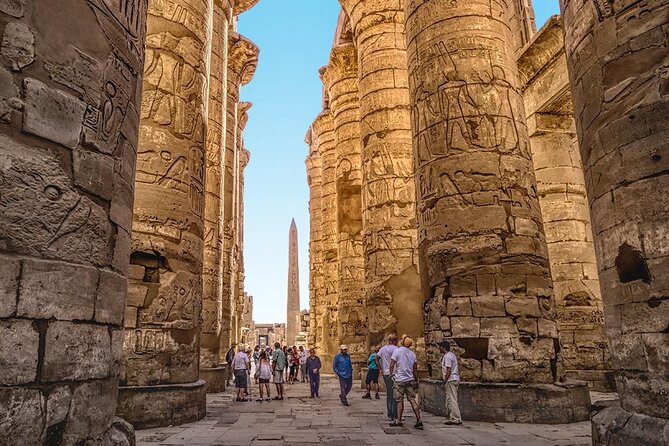
Day 4 moves along the river with two big temple stops.
Kom Ombo Temple
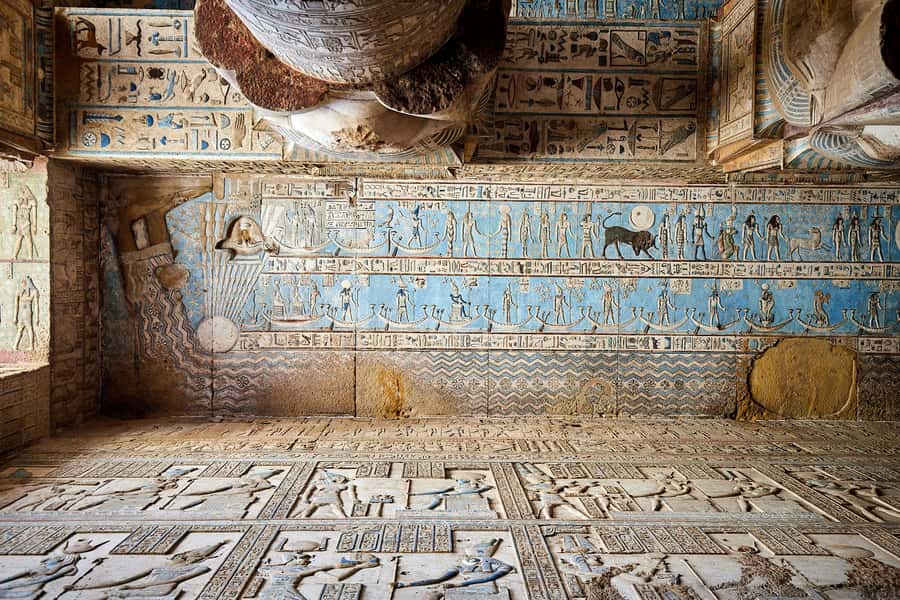
In Kom Ombo, you tour a temple shared by Sobek and Horus. The dual-dedication setup gives you a different feel than the temples that focus tightly on one divine storyline.
After the tour, you’re taken back to your cruise for lunch onboard. That matters: it keeps the day from turning into a constant sprint.
Horus Temple at Edfu
Then you sail to Edfu, visiting the Horus Temple. The itinerary notes tea served onboard while sailing via Esna Lock, with views of local life along the way.
This is one of the trip’s best “value-feels-like-you-paid-more” moments. Even if you’re temple-focused, you should let the cruise section work for you. The water gives you a breather, and the boat ride turns “transport time” into sightseeing time.
Luxor on the East Bank: Karnak and Luxor Temples
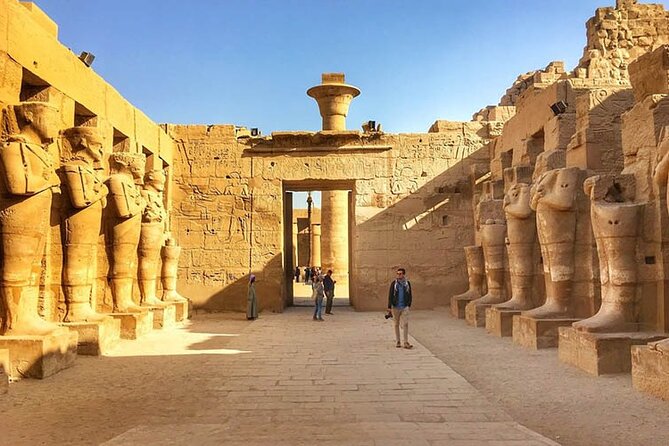
Day 5 is your Luxor East Bank classic day.
You’ll take in Karnak and Luxor Temples, then return to the ship for lunch, followed by afternoon tea and dinner onboard.
Here’s what I think works about this arrangement: you see the temples when your energy is still relatively fresh, then you get to come back to a comfortable ship instead of searching for dinner after a long walking day. It’s not just convenience; it’s how you avoid turning a great sight itinerary into an exhausting one.
If you’re into photography, expect more photo opportunities around temple entrances and columns once the light shifts. And if you’re not, that’s fine too—the key is you’re going to see the core Luxor story with enough structure that the details don’t blur.
Valley of the Kings + Hatshepsut at Deir el Bahari + Colossi of Memnon
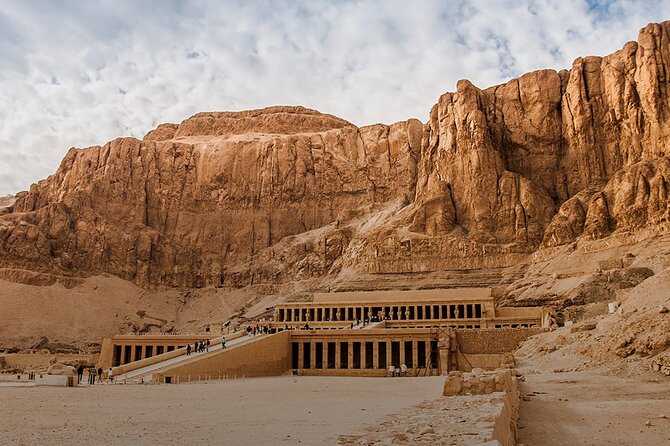
Day 6 is your West Bank day, which is where many first-time visitors feel Egypt click into focus.
After breakfast, you disembark the cruise and head to the West Bank with your Egyptologist guide.
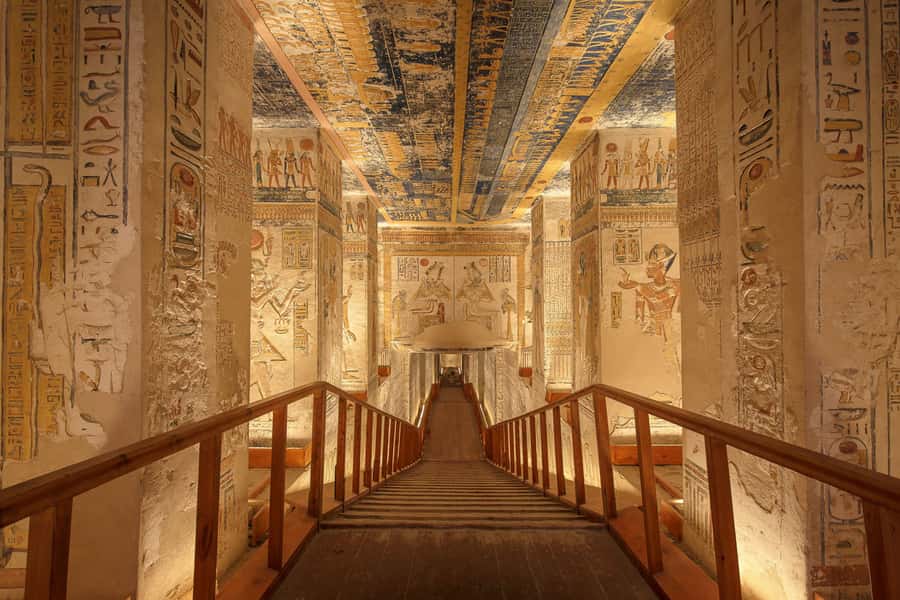
Valley of the Kings
The program includes the Valley of the Kings, with a note that there are 63 tombs. It also references royal tombs being decorated with Egyptian mythology, and specifically calls out King Tutankhamun as the best-known.
This is one of those places where you’ll appreciate a guide’s sense of what to point out. Even if tomb access varies, the guide helps connect what you’re seeing to the big picture: beliefs, symbols, and power.
Deir el Bahari (Temple of Queen Hatshepsut)
Next is the Temple of Queen Hatshepsut at Deir el Bahari. The itinerary ties Hatshepsut’s reign to starting trading routes, and that economic-political angle can help you understand why her temple is so monumental.
Colossi of Memnon
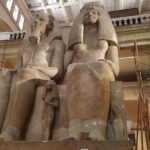
Finally, you visit the Colossi of Memnon, described as huge twin statues of quartzite sandstone. They’re positioned as guardians of Amenhotep’s memorial temple entrance, and the stop is also framed as a great photo spot.
Fly back to Cairo after the West Bank
After these stops, you’re transferred to Luxor International Airport for your return flight to Cairo, where you’ll be assisted and taken to your hotel.
This part of the schedule can feel compressed if you’re sensitive to travel days. But it’s also a smart use of time. You’re seeing the West Bank at the right angle (morning to afternoon) and then not losing half a day to a long drive back.
Day 7 in Cairo: Optional Alexandria for Roman Egypt Flavor
Day 7 gives you a choice. The itinerary suggests an Alexandria day trip, and it lists key stops:
- Pompey’s Pillar, described as the only known free-standing column
- Ruins of a Roman temple
- Catacombs of Kom El Shoqafa
- Qaitbay Citadel
- Bibliotheca Alexandrina
It also notes an option for a trip to Saqqara, Dashure, and Memphis.
What this means for you: after the Nile-focused ancient itinerary, Alexandria adds a different flavor—coastal, Roman, and later layers of Egypt’s story. If you feel you’ve had enough temples, you could also use Day 7 to slow down in Cairo, shop, or just enjoy the quieter rhythm in your hotel area.
One caution: since this is positioned as a trip to consider, not automatically spelled out as included in your base package, check what’s included versus optional before you finalize your plan.
What You’re Really Paying For at $1,300
At $1,300 per person, this isn’t a “cheap and cheerful” Egypt plan. But it’s also not priced like a private luxury yacht experience. The value comes from stacking the expensive logistics into one package:
- Private Cairo transfers and guided city sightseeing
- 4 nights in Cairo (bed & breakfast)
- 3 nights on a 5-star superior Nile cruise with full board
- Domestic flights Cairo ↔ Aswan and Luxor ↔ Cairo
- Egyptologist guide for the tour days
The main add-on you should expect is entrance fees, estimated at about $59 per person, plus optional extras if you choose them.
So who is this for? For people who want to see the big-name sites—Pyramids of Giza, Karnak, Luxor, Valley of the Kings, Hatshepsut, Kom Ombo, Edfu—without turning the trip into a DIY logistics project. If you enjoy planning every detail yourself, you might find cheaper ways. If you want someone to handle the moving parts, this price starts to make sense.
The Best Fit: Who Should Book This Nile + Cairo Package
This works especially well if:
- You’re visiting Egypt for the first time and want a guided route that covers the core sights
- You care about comfort—air-conditioned transfers and a ship you can actually relax on
- You prefer a “structured day, then breathe” rhythm over nonstop sightseeing
- You want Egyptologist-led context so the temples feel understandable, not just impressive
It may be less ideal if:
- You dislike packed days and prefer extremely slow museum pacing
- You hate paying extra at the gate, since entrance fees are not fully included
- You’re someone who needs perfect communication by email before departure—there have been complaints about missing itinerary messages for some bookings, so plan to confirm directly
Should You Book This Tour?
I’d book it if you want a smooth, guided Cairo + Luxor/Aswan Nile cruise that feels organized from the airport onward. The combo of guided temples, included lodging, cruise meals, and domestic flights is a practical way to get first-trip Egypt done without wasting time.
I’d pause and double-check details if entrance fees and optional add-ons make you nervous. And do one simple thing before departure: make sure you have your key pick-up and ticket coverage info in writing, not just in your memory.
If you’re aiming for a classic Egypt checklist with comfort and structure, this one is a solid match.
FAQ
How long is this tour and where does it start?
It runs about 8 days (listed as approximately 8 days) and starts in Cairo. The activity ends back at the same meeting point.
How many nights will I spend in Cairo vs on the cruise?
You’ll have 4 nights in Cairo on bed & breakfast, plus 3 nights on the Nile cruise on full board.
Are meals included?
Yes. The package includes breakfast (7), lunch (4), and dinner (4), along with water during the trip.
What flights are included?
Domestic flights are included: Cairo to Aswan and Luxor to Cairo.
What major sites will I see?
You’ll visit major highlights across Cairo, Aswan, and Luxor, including Pyramids of Giza and the Sphinx, the Egyptian Museum, Coptic Cairo sites, Philae Temple, Aswan High Dam, Kom Ombo Temple, Horus Temple at Edfu, Karnak and Luxor Temples, Valley of the Kings, Hatshepsut at Deir el Bahari, and Colossi of Memnon.
Are entrance fees included?
Entrance fees are not included in the overall listing, with an approximate estimate of $59 USD per person. Some specific admissions are marked in the day plan as included, so confirm what you’ll still need to pay.
Can I take the Alexandria trip while staying in Cairo?
Yes, the itinerary offers an option to visit Alexandria, with stops including Pompey’s Pillar, Roman ruins, the Catacombs of Kom El Shoqafa, Qaitbay Citadel, and Bibliotheca Alexandrina. It also mentions an option for Saqqara, Dashure, and Memphis.
What’s the cancellation refund timeline?
You can cancel up to 6 days in advance for a full refund. Refunds drop to 50% if you cancel 2–6 days before the experience’s start time, and there’s no refund if you cancel less than 2 days before.